Grilling a whole chicken on your gas grill might sound tricky, but it’s easier than you think. Imagine biting into juicy, perfectly cooked chicken with crispy skin right from your backyard.
You don’t need fancy skills or expensive tools to get there. With the right steps, you can impress your family and friends with a delicious, smoky meal that everyone will love. Ready to learn how to grill a whole chicken that turns out tender and full of flavor every time?
Keep reading, and you’ll be a grill master in no time.

Choosing The Right Chicken
Choosing the right chicken is the first step to delicious grilled chicken. The quality and type of chicken affect the taste and cooking time. Picking the perfect bird ensures juicy, tender meat every time. Consider size, freshness, and how the chicken was raised.
Size And Weight Considerations
Select a chicken that fits your grill size. A whole chicken usually weighs between 3 to 5 pounds. Smaller chickens cook faster and more evenly. Larger chickens need more time and careful heat control. Choose a size that matches your family or guest number.
Fresh Vs. Frozen Options
Fresh chicken often has better flavor and texture. It cooks more evenly and stays juicy. Frozen chicken is convenient and lasts longer. Thaw frozen chicken completely before grilling. Avoid cooking chicken while it’s still frozen to prevent uneven cooking.
Organic And Free-range Benefits
Organic chickens are raised without antibiotics or hormones. They often have richer flavor and firmer meat. Free-range chickens move freely and eat natural food. This creates healthier, tastier meat. Choosing these options supports better animal welfare and quality.
Preparing The Chicken
Preparing the chicken properly is key for a juicy and flavorful grilled meal. This stage sets the foundation for even cooking and tasty results. Take time to clean, season, and arrange the chicken before grilling. Each step impacts the final taste and texture.
Cleaning And Patting Dry
Start by rinsing the chicken under cold water. Remove any leftover feathers or debris carefully. Pat the chicken dry with paper towels. Dry skin helps achieve a crispy, golden exterior on the grill. Avoid soaking the chicken to prevent steaming instead of grilling.
Seasoning And Marinades
Choose your seasoning or marinade based on your taste preference. Salt and pepper work well for a simple flavor. Marinades add moisture and deepen the taste. Apply seasoning evenly, inside and out. Let the chicken rest for at least 30 minutes to absorb the flavors.
Trussing For Even Cooking
Trussing means tying the chicken with kitchen twine. This keeps the wings and legs close to the body. Helps the chicken cook evenly without drying out the tips. Use simple knots to secure the limbs. Trussing also improves presentation when serving the grilled chicken.
Setting Up The Gas Grill
Getting your gas grill ready is a key part of grilling a whole chicken perfectly. Setting up the grill right helps you control the temperature and avoid flare-ups that could burn the skin. It also ensures even cooking and juicy results every time.
Preheating Tips
Preheat your gas grill for at least 10 to 15 minutes with the lid closed. This helps the grill reach a steady temperature, which is crucial for cooking the chicken evenly. Make sure to clean the grates before heating to prevent sticking and flare-ups.
Try testing the heat by holding your hand about 5 inches above the grill grate. If you can keep it there for 4-5 seconds comfortably, the grill is at medium heat. This simple test can save your chicken from undercooking or burning.
Creating Heat Zones
Divide your grill into two zones: one side with direct heat and the other side with indirect heat. Turn on burners on one side only, leaving the other side off. This setup allows you to sear the chicken first and then move it to the cooler side to cook through without burning.
Have you ever noticed how some parts of a chicken cook faster than others? Using heat zones helps you avoid this by giving you control over where the chicken cooks faster or slower. It’s a smart way to manage your cooking time and temperature.
Using A Drip Pan
Place a drip pan under the chicken on the indirect heat side to catch fat drippings. This prevents flare-ups that can char your chicken and cause uneven cooking. The pan also helps keep your grill clean and can be filled with water or broth to add moisture to the cooking environment.
Adding herbs or lemon slices to the drip pan can infuse subtle flavors into the chicken while it cooks. Have you tried this before? It’s an easy trick that elevates your grilled chicken without extra effort.
Grilling Techniques
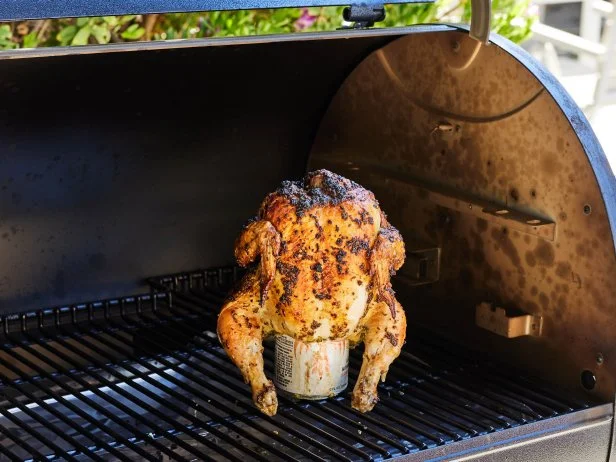
Grilling a whole chicken on a gas grill needs even heat and careful timing. Keep the lid closed to cook the chicken thoroughly and lock in juices. Use indirect heat to avoid burning while getting a crispy skin.
Grilling Techniques Mastering the art of grilling a whole chicken on a gas grill can elevate your barbecue game. It's not just about turning on the grill and tossing the chicken on it. Understanding the right grilling techniques ensures your chicken is juicy, flavorful, and cooked to perfection.
Direct Vs. Indirect Heat
Grilling requires a balance of direct and indirect heat. Direct heat is ideal for searing the chicken, giving it that delicious crispy skin. Indirect heat allows the meat to cook evenly without burning. Think of it like this: direct heat is your initial, high-temperature blast, while indirect heat is the slow, steady warmth that finishes the job. Finding this balance can be the difference between a dry bird and a juicy masterpiece.
Placing The Chicken On The Grill
Positioning your chicken correctly on the grill is crucial. Start by placing it breast side up over indirect heat. This allows the thicker parts of the chicken to cook thoroughly. Consider using a drip pan underneath to catch the fat and juices. This not only prevents flare-ups but also helps keep the grill clean. Do you prefer your chicken extra crispy? Finish it off over direct heat for a few minutes.
Managing Lid And Vent Settings
The grill lid and vents play a vital role in controlling temperature. Keep the lid closed to maintain even heat distribution. Opening the lid frequently will cause temperature fluctuations, leading to uneven cooking. Vents should be adjusted to regulate airflow and temperature. Too much open venting can cause the grill to overheat. Have you tried experimenting with vent settings? It can make a noticeable difference in the final result. Grilling a whole chicken is more than a culinary task; it's a journey to flavor perfection. With these techniques, you're equipped to make your next barbecue memorable.
Cooking Time And Temperature
Cooking a whole chicken on a gas grill requires attention to time and temperature. Both factors affect the chicken's taste, texture, and safety. Proper heat levels ensure even cooking without burning the skin. Tracking internal temperature helps avoid undercooked or dry meat. Use tools and techniques to get the best results.
Ideal Grill Temperature
Set the gas grill to medium heat, about 350°F to 375°F (175°C to 190°C). This temperature cooks the chicken slowly and evenly. Avoid high heat that burns the skin before the inside cooks. Keep the lid closed to maintain steady heat. Use indirect heat by turning off burners under the chicken and using surrounding burners.
Monitoring Internal Temperature
Check the chicken's internal temperature to ensure it is fully cooked. The safe internal temperature for poultry is 165°F (74°C). Insert the thermometer into the thickest part of the thigh without touching bone. Avoid guessing cooking time based on weight alone. Temperature is the most reliable way to check doneness.
Using A Meat Thermometer
A meat thermometer is essential for grilling whole chicken. Choose a digital instant-read thermometer for quick, accurate results. Insert it into the thickest part of the chicken. Wait a few seconds for the reading. Remove the chicken from the grill once it reaches 165°F (74°C). Let the chicken rest before carving to keep juices inside.
Achieving Juicy Results
Grilling a whole chicken on a gas grill keeps it tender and full of flavor. Slow cooking with indirect heat helps the meat stay juicy and delicious. Perfectly grilled chicken has crispy skin and moist inside every time.
Achieving perfectly juicy results on a gas grill can be rewarding. A whole chicken, when grilled right, should be tender and flavorful. This guide will help you avoid dryness and ensure a delicious meal.
Basting Methods
Basting keeps the chicken moist during grilling. Use a mixture of oil, butter, and herbs. Apply this mix every 20 minutes. It adds flavor and prevents dryness. A silicone brush works best for even application. Basting locks in juices, ensuring a succulent chicken.
Resting The Chicken After Grilling
After grilling, let the chicken rest. This allows the juices to redistribute. Resting time should be about 10 minutes. Cover the chicken with foil during this period. It keeps the chicken warm and juicy. Skipping this step can result in dryness.
Avoiding Common Dryness Mistakes
Avoid cooking on high heat. High heat dries out the chicken quickly. Cook on medium heat instead. Use a meat thermometer for accuracy. The internal temperature should reach 165°F. Overcooking leads to a dry texture. Also, avoid cutting the chicken immediately after grilling.
Serving And Carving Tips
Serving and carving a whole grilled chicken is as important as cooking it well. Proper carving enhances the eating experience. Serving it nicely makes your meal inviting. Follow simple tips to carve like a pro and serve with style.
Best Tools For Carving
Choose sharp tools for smooth cuts. A carving knife with a thin, sharp blade works best. Use a sturdy carving fork to hold the chicken steady. A cutting board with grooves helps catch juices. Keep a small bowl nearby for collecting juices to serve with the meat.
Portioning The Chicken
Start by removing the legs and thighs. Cut through the joint where the leg meets the body. Next, slice off the wings. Finally, carve the breast meat by cutting along the breastbone. Slice the breast meat into even pieces for easy serving. Arrange portions on a platter for a neat presentation.
Pairing With Side Dishes
Choose sides that balance the smoky flavor of grilled chicken. Fresh salads add crispness and color. Roasted vegetables bring warmth and depth. Creamy mashed potatoes or rice can soften the meal. Bread rolls or corn on the cob complete the plate. Offer sauces like barbecue or garlic butter to enhance taste.
Troubleshooting Common Issues
Grilling a whole chicken on a gas grill can sometimes bring challenges. Troubleshooting common issues helps keep the cooking smooth. Troubles can include flare-ups, uneven cooking, or meat not cooked right. Knowing how to fix these problems improves your grilling experience and results.
Preventing Flare-ups
Flare-ups happen when fat drips on the flames. They can burn the chicken quickly. To avoid flare-ups:
- Trim excess fat from the chicken before grilling.
- Use a drip pan under the chicken to catch fat drips.
- Keep the grill lid closed as much as possible.
- Move chicken away from direct flames if flare-ups appear.
These steps reduce sudden flames and protect your chicken's skin.
Handling Uneven Cooking
Uneven cooking means some parts cook faster than others. It often happens on gas grills due to hot spots. To fix this:
- Use indirect heat by turning off burners under the chicken.
- Rotate the chicken every 15-20 minutes for even heat.
- Check the internal temperature in multiple spots.
This approach ensures all parts cook properly and stay juicy.
Fixing Undercooked Or Overcooked Meat
Undercooked chicken is unsafe, and overcooked chicken is dry. Check the internal temperature with a meat thermometer. The safe temperature is 165°F (74°C). For undercooked meat:
- Return the chicken to the grill over indirect heat.
- Close the lid and cook until it reaches the correct temperature.
For overcooked meat, try:
- Resting the chicken for 10 minutes to let juices redistribute.
- Serving with a sauce or marinade to add moisture.
Frequently Asked Questions
How Long To Grill A Whole Chicken On Gas Grill?
Grill a whole chicken for 45-60 minutes on medium heat. Use indirect heat to cook evenly. Turn the chicken occasionally for consistent grilling. Check internal temperature; it should reach 165°F for safety and juiciness.
What Temperature To Set Gas Grill For Whole Chicken?
Set your gas grill to medium heat, around 350°F. This temperature cooks the chicken evenly without burning. Use a grill thermometer to maintain consistent heat. Indirect cooking prevents flare-ups and ensures tender meat.
Should I Marinate Chicken Before Grilling Whole?
Yes, marinate the chicken for 2-4 hours for better flavor. Use a mix of oil, acid, and spices to tenderize. Marinating helps keep the meat juicy during grilling. Avoid salty marinades that can dry the chicken.
How To Prevent Whole Chicken From Drying Out?
Use indirect heat to grill the chicken slowly. Baste regularly with marinade or oil to retain moisture. Avoid overcooking by monitoring internal temperature with a meat thermometer. Let the chicken rest before carving to keep juices intact.
Conclusion
Grilling a whole chicken on a gas grill is simple and fun. Start with clean, hot grates and prepare your chicken well. Use indirect heat to cook the bird evenly. Keep an eye on the temperature to avoid burning. Let the chicken rest before cutting to keep it juicy.
Enjoy your tasty meal with family or friends. Try this method again to get better every time. Grilled chicken brings great flavor and satisfaction to any meal.