Grilling a whole chicken on a gas grill might sound tricky, but it’s easier than you think—and the results are mouthwatering. Imagine biting into juicy, perfectly cooked chicken with crispy skin, all made right in your backyard.
You don’t need fancy tools or complicated steps to get there. In this guide, you’ll learn simple tips and tricks that turn your gas grill into a chicken-cooking machine. Ready to impress your family and friends with a delicious, home-grilled meal?
Keep reading, and let’s get started!
Choosing The Right Chicken
Choosing the right chicken is key to grilling success. The quality and size of the bird affect cooking time and flavor. Picking a good chicken helps achieve juicy, tender meat with crispy skin.
Fresh Vs. Frozen
Fresh chicken often tastes better and cooks more evenly. It has a firmer texture and less water inside. Frozen chicken can be convenient but may lose moisture during thawing. If using frozen, thaw fully in the fridge for best results. Avoid refreezing thawed chicken to keep flavor intact.
Optimal Size For Grilling
Choose a chicken between 3 to 4 pounds for even cooking. Smaller birds cook too fast and risk drying out. Larger chickens take longer and can be hard to cook through. A medium-sized chicken fits well on most gas grills and grills evenly. This size allows the heat to reach all parts without burning.

Credit: www.youtube.com
Preparing The Chicken
Preparing the chicken properly sets the stage for a tasty grilled meal. It helps the chicken cook evenly and stay juicy. Taking time to clean, trim, brine, and season makes a big difference in flavor and texture.
Cleaning And Trimming
Start by rinsing the chicken under cold water. Remove any leftover feathers or debris. Pat the chicken dry with paper towels to help the skin crisp up during grilling. Trim off excess fat and loose skin. Check the cavity and remove giblets if present. This step ensures a clean and neat chicken ready for cooking.
Brining For Juiciness
Brining adds moisture and flavor to the meat. Use a simple saltwater solution with about 1/4 cup salt per quart of water. Submerge the chicken completely in the brine. Let it soak for 2 to 4 hours in the refrigerator. This process helps the chicken retain juices and enhances tenderness.
Seasoning And Marinades
Apply dry rubs or marinades to boost flavor. Use a mix of salt, pepper, garlic powder, and paprika for a basic rub. For marinades, combine olive oil, lemon juice, herbs, and spices. Coat the chicken inside and out. Let it rest for at least 30 minutes to absorb the flavors before grilling.
Setting Up The Gas Grill
Setting up the gas grill properly ensures even cooking and juicy results. A whole chicken needs both heat and space to cook through without burning. Preparing the grill right avoids flare-ups and keeps the meat tender.
Understanding heat zones and controlling temperature are key steps before placing the chicken on the grill.
Direct Vs. Indirect Heat
Direct heat means placing the chicken right above the flames. This cooks the outside fast and adds a nice char. Indirect heat means the chicken is next to the flames, not above them. This cooks the chicken slowly and evenly. For a whole chicken, indirect heat works best. It prevents burning and cooks the inside fully.
Use two heat zones on your grill:
- One side with burners on high for direct heat.
- One side with burners off or low for indirect heat.
Temperature Control Tips
Maintain a grill temperature between 350°F and 375°F for the best results. Use the grill’s built-in thermometer or a separate one to check the heat. Adjust burner knobs to keep the temperature steady.
Keep the grill lid closed as much as possible. This traps heat and smoke, cooking the chicken evenly and adding flavor. Watch for flare-ups. Move the chicken to the indirect side if flames get too high. Use a drip pan under the chicken to catch drippings and avoid flare-ups.
Grilling Techniques
Mastering grilling techniques can transform your whole chicken from ordinary to extraordinary. Understanding different ways to cook on a gas grill gives you control over flavor, texture, and cooking time. Let’s dive into some practical approaches that will help you get perfectly grilled chicken every time.
Spatchcock Method
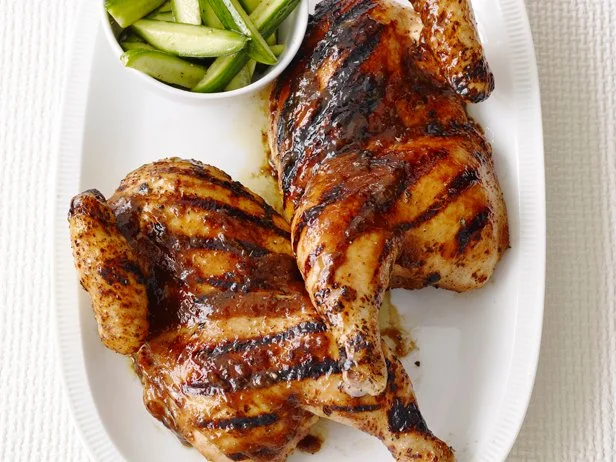
Spatchcocking means removing the backbone of the chicken and flattening it. This technique helps the chicken cook evenly and faster on your gas grill. You get crispy skin on top and juicy meat inside without constantly flipping the bird.
Place the flattened chicken skin-side up over indirect heat. Close the lid and let it cook for about 45 minutes. This method is great if you want a simple setup and fast cooking without losing moisture.
Rotisserie Option
If your gas grill has a rotisserie attachment, use it to cook the whole chicken evenly by rotating it slowly. The constant rotation bastes the chicken in its own juices, keeping it tender and flavorful. It’s perfect for special occasions when you want a showstopper on the grill.
Set the rotisserie at a medium heat and let it turn until the chicken reaches an internal temperature of 165°F (75°C). Using a drip pan underneath will catch the drippings and prevent flare-ups.
Using A Drip Pan
A drip pan placed under the chicken serves multiple purposes. It catches fat and juices, preventing flare-ups that can burn the chicken. It also allows you to add liquid like broth, beer, or herbs to infuse extra flavor through steam.
Position the drip pan on the grill’s indirect heat side and place the chicken on the grate above it. This setup promotes slow, even cooking while keeping the grill cleaner and your chicken juicy.
Cooking Time And Temperature
Grill a whole chicken perfectly by maintaining a steady temperature around 375°F. Cook for approximately 60-70 minutes, flipping halfway. Use a meat thermometer to ensure the internal temperature reaches 165°F for safety.
Grilling a whole chicken on a gas grill can be a delightful culinary adventure. To achieve that perfect balance of crispy skin and juicy meat, understanding cooking time and temperature is essential. This knowledge not only enhances the flavor but also ensures food safety. So, how can you master this?
Ideal Grill Temperature
Start by preheating your gas grill to the right temperature. Aim for a range of 350°F to 375°F. This moderate heat helps cook the chicken evenly without burning the skin. If your grill has multiple burners, use indirect heat by turning off the burners directly under the chicken. This method mimics an oven, letting the chicken cook through slowly.
Monitoring Internal Temperature
The most reliable way to know if your chicken is cooked is by checking its internal temperature. Insert a meat thermometer into the thickest part of the thigh, avoiding the bone. You’re aiming for an internal temperature of 165°F. This ensures that the chicken is safe to eat while retaining its juices.
Avoiding Overcooking
Overcooking can turn your chicken into a dry, chewy affair. To prevent this, check the temperature frequently as you near the estimated cooking time. Consider setting a timer to remind you when to start checking. If you notice the skin browning too fast, move the chicken to a cooler part of the grill or lower the heat slightly. Grilling is an art, and each grill behaves a bit differently. Have you ever noticed how one side might cook faster? Use this to your advantage and rotate your chicken as needed. Remember, practice makes perfect. Each grilling session is a chance to refine your skills and create a masterpiece. Happy grilling!
Credit: www.foodnetwork.com
Resting And Serving
After grilling your whole chicken to juicy perfection, the next crucial phase is resting and serving. This step often gets overlooked, but it can make a huge difference in flavor and texture. Taking the time to rest and carve your chicken properly ensures every bite is tender and delicious.
Rest Time Importance
Let your grilled chicken rest for at least 10 to 15 minutes before carving. This pause allows the juices to redistribute throughout the meat instead of spilling out the moment you cut. Have you noticed how sometimes grilled chicken turns dry? Resting helps avoid that by locking in moisture.
Cover the chicken loosely with foil during resting to keep it warm without steaming the skin. This simple trick keeps the skin crispy while the inside stays juicy.
Carving Tips
Use a sharp carving knife for clean cuts. Start by removing the legs and thighs, then slice the breast meat against the grain for tender pieces. Cutting against the grain breaks up muscle fibers, making the meat easier to chew.
Don’t rush your carving. Taking your time preserves the shape and juices of each piece. If you’ve ever had shredded or uneven chicken slices, you know how much better a steady hand feels.
Serving Suggestions
Serve your grilled chicken with fresh sides that balance its smoky flavor. Think crisp salads, grilled vegetables, or a zesty salsa. These bright flavors complement the richness of the chicken perfectly.
- Try a simple lemon herb salad for a fresh contrast.
- Grilled corn on the cob adds sweetness and texture.
- Offer dipping sauces like garlic aioli or a spicy barbecue sauce for variety.
How do you like to serve your grilled chicken? Experiment with different sides to find your favorite combination and make every meal memorable.
Troubleshooting Common Issues
Grilling a whole chicken on a gas grill can be incredibly rewarding, but it’s not without its challenges. You might face issues like dry meat, uneven cooking, or unexpected flare-ups that can throw off your timing and flavor. Knowing how to troubleshoot these common problems will help you grill like a pro and enjoy juicy, perfectly cooked chicken every time.
Dry Meat Solutions
Dry chicken is a common frustration. One easy fix is to brine your chicken before grilling. Even a simple saltwater soak for a few hours keeps the meat moist and flavorful.
Another tip is to avoid overcooking. Use a meat thermometer to check the internal temperature—aim for 165°F in the thickest part. Taking the chicken off the grill right at this point prevents drying out.
Don’t forget to let the chicken rest for 10 minutes after grilling. Resting allows juices to redistribute, making each bite tender and juicy.
Uneven Cooking Fixes
Have you noticed some parts of your chicken cook faster than others? This usually happens because of uneven heat distribution. Try using indirect heat by turning off burners directly under the chicken and leaving the surrounding burners on.
Rotating the chicken every 15 minutes helps too. This balances the heat exposure and prevents hot spots from overcooking one side.
Consider trussing the chicken tightly with kitchen twine. This keeps the bird compact and helps it cook more evenly.
Flare-up Prevention
Flare-ups can quickly ruin your grilling session by charring the skin and creating bitter flavors. To prevent this, trim excess fat from the chicken before grilling. Fat dripping onto flames causes flare-ups.
Keep a spray bottle of water handy to gently douse any sudden flames. Don’t spray too much—just enough to control the fire without lowering the grill temperature significantly.
Position a drip pan under the chicken to catch fat drips. This simple step reduces flare-ups and keeps your grill cleaner too.

Credit: www.101cookingfortwo.com
Frequently Asked Questions
How Long To Grill A Whole Chicken On Gas Grill?
Grill a whole chicken for 45-60 minutes on medium heat. Use indirect heat and rotate the chicken occasionally for even cooking. Check the internal temperature reaches 165°F (75°C) to ensure safety and juiciness.
Should I Marinate Chicken Before Grilling Whole?
Yes, marinate the chicken for 2-4 hours to enhance flavor and tenderness. Use a mix of oil, acid, herbs, and spices. Marinating also helps keep the chicken moist during grilling.
How To Prevent Chicken From Sticking To Grill Grates?
Clean and oil the grill grates before cooking. Preheat the grill to medium-high heat. Use a high smoke point oil on the chicken skin. Avoid moving the chicken too soon to allow proper searing.
What Temperature Is Best For Grilling Whole Chicken?
Maintain a grill temperature of 350°F to 375°F for even cooking. Use indirect heat to avoid burning. This temperature ensures the chicken cooks thoroughly without drying out.
Conclusion
Grilling a whole chicken on a gas grill is simple and fun. Start with good prep and steady heat. Watch the chicken closely to avoid burning. Turn it often for even cooking and juicy meat. Use a thermometer to check doneness safely.
Let the chicken rest before cutting. This keeps the meat tender and tasty. Enjoy your meal with friends or family outdoors. Grilled whole chicken adds great flavor to any gathering. Try it soon and enjoy the delicious results.