Grilling the perfect ribeye steak on a gas grill might seem tricky, but with the right tips, you can master it quickly. Imagine biting into a juicy, flavorful steak with those beautiful grill marks that make your mouth water.
You don’t need to be a pro chef to get that result. This guide will walk you through simple steps to make your ribeye steak tender, tasty, and cooked just the way you like it. Ready to impress yourself and anyone you’re grilling for?
Keep reading, and you’ll learn how to turn your gas grill into a steakhouse.
Choosing The Right Ribeye
Choosing the right ribeye steak is the first step to a delicious grilled meal. The quality of the cut affects taste, tenderness, and how well it cooks. A good ribeye has the right balance of fat and meat. This balance adds flavor and juiciness during grilling.
Selecting Quality Cuts
Look for a ribeye that is bright red with a fresh smell. Avoid steaks that look brown or dry. The cut should feel firm but not hard. Freshness is key. Choose ribeye from trusted butchers or stores.
Check the label for USDA grading. Prime grade has the most marbling and flavor. Choice grade is also good and more affordable. Select a cut with even fat distribution. This helps with a tasty, juicy steak.
Thickness And Marbling Tips
Thickness matters for grilling. A steak about 1 to 1.5 inches thick cooks evenly. Thin steaks cook too fast and risk drying out. Thicker cuts stay juicy inside.
Marbling means the little fat streaks inside the meat. More marbling means more flavor and tenderness. Look for fine, white lines of fat throughout the steak. Avoid cuts with large fat pockets only on the edges.
Good marbling melts during grilling. This keeps the ribeye moist and rich. Balance thickness and marbling for the best grilled steak.

Credit: girlscangrill.com
Preparing The Steak
Getting your ribeye steak ready before it hits the gas grill sets the stage for a perfect cook. This preparation phase can make a huge difference in flavor and texture. Paying attention to how you season and handle the steak will help you avoid common grilling mistakes.
Seasoning Essentials
Seasoning is your first chance to add bold flavor. Keep it simple with coarse salt and freshly ground black pepper to enhance the meat’s natural taste.
You can also experiment by adding garlic powder, smoked paprika, or a pinch of cayenne for a bit of heat. Just remember, less is often more—over-seasoning can overpower the steak.
Apply the seasoning evenly on both sides. Pat it gently into the meat so it sticks well without falling off during grilling.
Bringing Steak To Room Temperature
Have you ever grilled a steak straight from the fridge and ended up with uneven cooking? Letting your ribeye sit out for about 30 to 60 minutes before grilling helps it cook more evenly.
This step allows the center to warm up slightly, preventing the outside from burning while the inside stays cold. It also improves the steak’s tenderness and juiciness.
Place the steak on a clean plate, cover it loosely with foil, and keep it at room temperature until you’re ready to grill. This small wait will pay off big on flavor and texture.
Setting Up The Gas Grill
Setting up your gas grill properly is the foundation for grilling a perfect ribeye steak. A well-prepared grill ensures even cooking and the right sear that locks in flavor. Paying attention to how you arrange and heat your grill can make a big difference in the final taste and texture of your steak.
Preheating Techniques
Start by turning on your gas grill and setting all burners to high. Close the lid and let it heat up for about 10 to 15 minutes. This step is crucial because a hot grill surface prevents the steak from sticking and creates those desirable grill marks.
Have you noticed how a cold grill can make your steak look pale and unevenly cooked? That’s why preheating isn’t just a step; it’s your steak’s first chance to shine.
Managing Heat Zones
Creating different heat zones on your grill gives you control over how your ribeye cooks. Turn one side of your grill to high heat for searing, and the other side to medium or low heat for finishing the steak.
This setup lets you quickly sear your steak over high heat, then move it to the cooler side to cook through without burning. It’s a simple trick that separates great grilling from good grilling.
- High heat zone: for searing and caramelizing the steak’s surface
- Medium/low heat zone: for cooking the steak to your preferred doneness
Think about how you can use this heat management for other dishes too. Once you master it here, your entire grilling game will improve.
Grilling The Ribeye
Grill the ribeye steak over high heat for a few minutes on each side to get a nice crust. Let the steak rest before slicing to keep it juicy and tender. Use simple seasoning like salt and pepper for the best flavor.
Grilling a ribeye steak on a gas grill can transform your backyard into a steakhouse. The sizzle, the aroma, and the anticipation of that first bite make grilling an art worth mastering. Whether you're a novice or a seasoned grill master, understanding the nuances of grilling a ribeye can elevate your grilling game to new heights.
Searing For Flavor
Searing your ribeye locks in the juices and imparts a delicious crust. Preheat your grill to high. Place the steak directly over the flames for about 2-3 minutes on each side. This initial searing creates a flavorful caramelized layer. It's the secret to a mouthwatering steak. Ever noticed how the best steaks have that perfect brown crust? That's the magic of searing.
Achieving Desired Doneness
Once seared, reduce the heat to medium and move your steak to a cooler part of the grill. Cooking time varies based on thickness and your preference. For a medium-rare steak, grill for about 4-5 minutes per side. A juicy, tender ribeye is all about timing. Remember, it continues to cook even after you remove it from the grill. Let it rest for 5 minutes before slicing to retain its juices.
Using A Meat Thermometer
A meat thermometer is your best friend for grilling perfection. Insert it into the thickest part of the steak. For a medium-rare ribeye, aim for an internal temperature of 135°F (57°C). Using a thermometer removes the guesswork. It ensures your steak is cooked exactly how you like it. How often have you cut into a steak only to find it's over or undercooked? A thermometer can save you from such disappointments. Grilling a ribeye on a gas grill is a rewarding experience. With these tips, you're well on your way to serving a steak that's both flavorful and perfectly cooked. What will your next grilling adventure be?
Resting The Steak
Resting your ribeye steak after grilling is a step you shouldn't skip. It might seem tempting to cut into that juicy steak right off the grill, but holding back a little can make a big difference in taste and texture.
Why Resting Matters
When you grill a steak, the juices inside get pushed toward the center because of the heat. If you cut into it immediately, those flavorful juices will spill out onto your plate. Resting lets the juices redistribute evenly, keeping your steak moist and tender.
I've noticed that skipping this step often leaves the steak dry and less enjoyable. You want every bite to be packed with juice, not just the first few. Isn't it worth a few extra minutes to get that perfect mouthwatering experience?
Optimal Resting Time
How long should you rest your ribeye? A good rule is to rest it for about 5 to 10 minutes. This depends on the steak's thickness—thicker cuts need more time. For a standard 1-inch ribeye, 5 minutes usually works well.
Cover your steak loosely with foil to keep it warm without steaming it. Avoid wrapping it tightly, or the crust might lose its crispness. Try setting a timer next time and see how much juicier your steak tastes after resting.

Credit: www.thekitchn.com
Serving Suggestions
Serving a perfectly grilled ribeye steak is only part of the experience. Choosing the right sides and sauces enhances its rich flavor. Pairing your steak carefully makes every bite memorable and satisfying.
Simple, fresh sides balance the richness of the ribeye. Bold sauces add an extra layer of taste without overpowering the meat.
Complementary Sides
- Grilled asparagus with a squeeze of lemon
- Garlic mashed potatoes for a creamy texture
- Roasted Brussels sprouts with a touch of olive oil
- Fresh garden salad with a light vinaigrette
- Sweet corn on the cob, grilled to perfection
Recommended Sauces
- Classic chimichurri for a fresh, herbaceous kick
- Garlic butter sauce melting over the hot steak
- Rich peppercorn sauce for a spicy, creamy touch
- Béarnaise sauce with its tangy, buttery flavor
- Smoky barbecue sauce to complement the grill marks
Troubleshooting Common Issues
Grilling a ribeye steak on a gas grill can sometimes throw unexpected challenges your way. Knowing how to troubleshoot common issues will save your steak from being ruined and keep your grilling experience enjoyable. Let’s look at some practical ways to avoid the most frequent problems.
Avoiding Overcooking
Have you ever ended up with a steak that’s tougher than you wanted? Overcooking is a common pitfall that can happen quickly on a gas grill. The key is to monitor your steak closely and use a reliable meat thermometer.
Set your grill to medium-high heat and watch the cooking time carefully. For a 1-inch ribeye, aim for about 4-5 minutes per side for medium-rare. Remember, the steak continues to cook a bit after you take it off the grill, so pulling it at 130°F (54°C) internal temperature is ideal.
Don’t rely solely on the clock. Instead, check the temperature often and get familiar with how your grill heats. This attention can prevent a tough, dry steak and help you enjoy juicy, tender bites every time.
Preventing Flare-ups
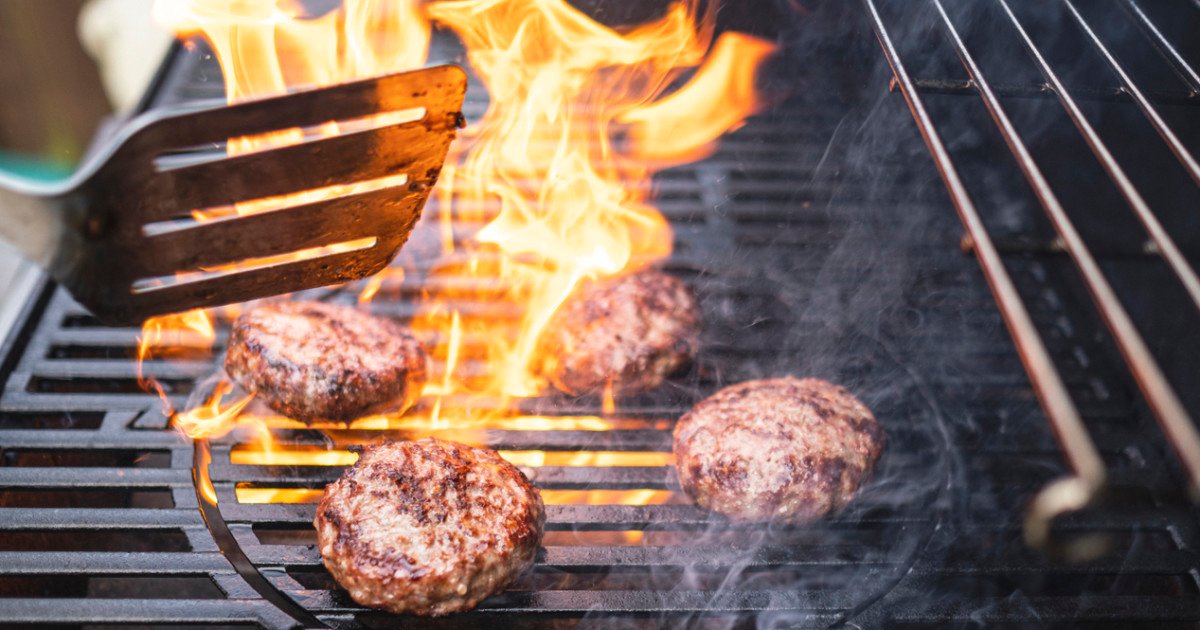
Flare-ups can be exciting to watch but dangerous for your steak. They happen when fat drips onto the flames, causing sudden bursts of fire that can char your meat quickly. Managing flare-ups is essential to keep your ribeye cooked evenly.
Keep a spray bottle filled with water nearby to gently tame flare-ups without cooling the grill too much. You can also trim excess fat from your steak before grilling to reduce drips.
Try using a two-zone fire setup: one side with direct heat for searing and the other with indirect heat to finish cooking. This approach gives you control and a safe place to move your steak if the flames get wild.

Credit: www.thekitchn.com
Frequently Asked Questions
How Long To Grill A Ribeye Steak On Gas Grill?
Grill ribeye steak for 4-5 minutes per side for medium-rare. Adjust time based on thickness and preferred doneness. Use a meat thermometer to check internal temperature. Let steak rest before serving for juicy results.
What Temperature To Set Gas Grill For Ribeye?
Preheat your gas grill to high heat, around 450-500°F. This temperature sears the steak, locking in juices and flavor. Use direct heat for grilling ribeye steaks to achieve a perfect crust and tender interior.
Should Ribeye Steak Be Marinated Before Grilling?
Marinating ribeye is optional due to its natural marbling. A simple seasoning of salt and pepper enhances flavor. If desired, marinate for 30 minutes to an hour to add extra taste without overpowering the steak.
How To Prevent Ribeye Steak From Sticking To Grill?
Oil the grill grates well before heating to prevent sticking. Also, lightly oil the steak before placing it on the grill. Avoid moving the steak too early; let it sear properly to release naturally.
Conclusion
Grilling a ribeye steak on a gas grill is simple and rewarding. Start with a good steak and preheat the grill well. Cook each side just right to keep it juicy and tender. Let the steak rest before cutting to keep flavors inside.
Try different seasonings to find your favorite taste. Enjoy the process and share your delicious steak with friends or family. Great meals start with easy steps and good care. Now, you are ready to grill a perfect ribeye every time.