If you want to cook a ribeye steak that’s juicy, tender, and bursting with smoky flavor, grilling it over charcoal is the way to go. But getting that perfect sear and mouthwatering taste can feel tricky if you’re not sure where to start.
Don’t worry—you’re about to learn simple, step-by-step tips that will make your ribeye the star of any barbecue. By the time you finish this guide, you’ll know exactly how to handle your charcoal grill, season your steak, and cook it just right every time.
Ready to impress yourself and your guests with a steak that tastes like it came from a top steakhouse? Let’s get grilling!
Choosing The Right Ribeye
Choosing the right ribeye is the foundation of a perfect steak grilling experience. The flavor, tenderness, and juiciness all start with the cut you pick. Understanding what to look for can make the difference between a good steak and an unforgettable one.
Selecting Quality Meat
Look for ribeyes that have a bright, cherry-red color. This indicates freshness and good quality. Avoid meat with dark spots or a grayish hue as it might be old or poorly stored.
Check the sell-by date and ask your butcher about the source. Grass-fed or grain-finished beef can affect the flavor profile, so think about what taste you prefer. Don’t hesitate to ask for recommendations; butchers love sharing their knowledge.
Marbling And Thickness Tips
Marbling refers to the white streaks of fat running through the meat. More marbling means more flavor and juiciness. Aim for ribeyes with even, fine marbling rather than large fat pockets.
Thickness matters too. A steak that’s about 1 to 1.5 inches thick is ideal for grilling over charcoal. Thinner cuts can dry out quickly, while thicker ones give you more control over the doneness. Have you noticed how a thicker steak holds its juices better after resting?
Choosing the right ribeye is about balancing quality, marbling, and thickness. Your grill and personal taste will guide your choice, but knowing these details gives you the confidence to pick a steak that shines on the charcoal grill.
Preparing The Steak
Preparing the steak properly sets the stage for a perfect ribeye on the grill. It helps the meat cook evenly and taste amazing. Taking the right steps before grilling can boost flavor and texture. Let’s break down the key parts of preparation.
Seasoning Essentials
Seasoning the ribeye is simple but important. Use coarse salt and freshly ground black pepper. These bring out the natural beef flavor. Avoid heavy marinades that mask the meat's taste.
- Pat the steak dry with paper towels.
- Sprinkle salt evenly on both sides.
- Add black pepper to taste.
- Press the seasoning gently into the meat.
Let the salt sit on the meat. It helps create a savory crust during grilling.
Bringing To Room Temperature
Cold steaks cook unevenly. Let the ribeye sit out for 30 to 60 minutes before grilling. This step helps the inside cook at the same rate as the outside. It also improves texture and juiciness.
- Remove the steak from the fridge.
- Place it on a clean plate or tray.
- Cover loosely with foil or a clean towel.
- Wait until the meat feels cool but not cold.
Preparing the steak this way prevents a tough or dry result. It ensures even cooking and better flavor.
Setting Up The Charcoal Grill
Setting up your charcoal grill properly is key to grilling the perfect ribeye steak. Without the right heat and airflow, you risk uneven cooking or a steak that lacks that delicious charred crust. Getting this foundation right lets you focus on the steak itself, confident your grill is working in your favor.
Arranging Charcoal For Heat Zones
Creating distinct heat zones on your grill gives you control over cooking speed and searing. Start by piling more charcoal on one side of the grill for high heat—this is where you’ll sear your ribeye. Leave the other side with fewer coals for indirect heat, perfect for finishing the steak without burning it.
I learned this the hard way after grilling a thick ribeye all over direct heat. The outside charred, but the inside stayed undercooked. Splitting the heat zones lets you move the steak between hot and cooler areas as needed.
- Use a chimney starter to light your charcoal evenly.
- Dump the hot coals on one side for a two-zone fire.
- Leave the other side clear or with a small handful of coals for gentler heat.
Managing Airflow And Temperature
Airflow controls your charcoal’s burn rate and temperature. Most grills have vents at the bottom and top—adjusting these changes how much oxygen fuels the fire. Open vents increase heat; closing them lowers it.
Watch your grill’s built-in thermometer or use a handheld one to monitor temperature. If your grill is too hot, partially close the vents. Too cool? Open them wider. Experimenting with airflow taught me that even a slight vent adjustment can shift cooking temps by 50°F or more.
- Keep bottom vents open for oxygen intake.
- Adjust top vents to control smoke and heat escape.
- Don’t fully close vents—your coals need oxygen to stay lit.
How comfortable are you with adjusting your grill’s vents? Mastering this skill gives you much better control over your ribeye’s final taste and texture.

Credit: www.youtube.com
Grilling Techniques
Grilling a ribeye steak on a charcoal grill demands specific techniques. These techniques bring out the rich flavors and perfect texture. Paying attention to heat control and timing is essential. Each step enhances the steak’s juiciness and taste.
Searing The Ribeye
Searing locks in juices and creates a flavorful crust. Start by placing the steak directly over hot charcoal. Let it cook without moving for 2-3 minutes per side. This forms a golden-brown surface that seals moisture inside. Avoid pressing the steak to keep it tender.
Cooking To Desired Doneness
Check the steak’s temperature with a meat thermometer. For rare, aim for 125°F; medium-rare, 135°F; medium, 145°F. Remove the steak from heat a few degrees before the target. The temperature rises slightly while resting. Rest the steak for 5-10 minutes before slicing.
Using The Two-zone Method
Create two heat zones on the grill: one hot and one cooler. Use the hot zone for searing and the cooler zone for gentle cooking. Sear the steak first on high heat. Then move it to the cooler side to finish cooking slowly. This method prevents burning and cooks evenly.
Resting And Serving
Resting allows the ribeye to soak in its juices, enhancing flavor. Serving it right after resting preserves tenderness.
Resting and serving a ribeye steak is crucial for a perfect finish. After grilling, the steak needs time to relax. This ensures the juices distribute evenly. Serving it right enhances its flavor and appeal.
Importance Of Resting The Steak
Resting the steak is essential after grilling. The heat makes juices move to the center. Resting allows them to spread back evenly. This process keeps the steak juicy and tender. Skipping this step can lead to dry meat. Place the steak on a cutting board. Cover it loosely with foil. Let it rest for about 5-10 minutes. This short wait makes a huge difference.
Slicing And Presentation Tips
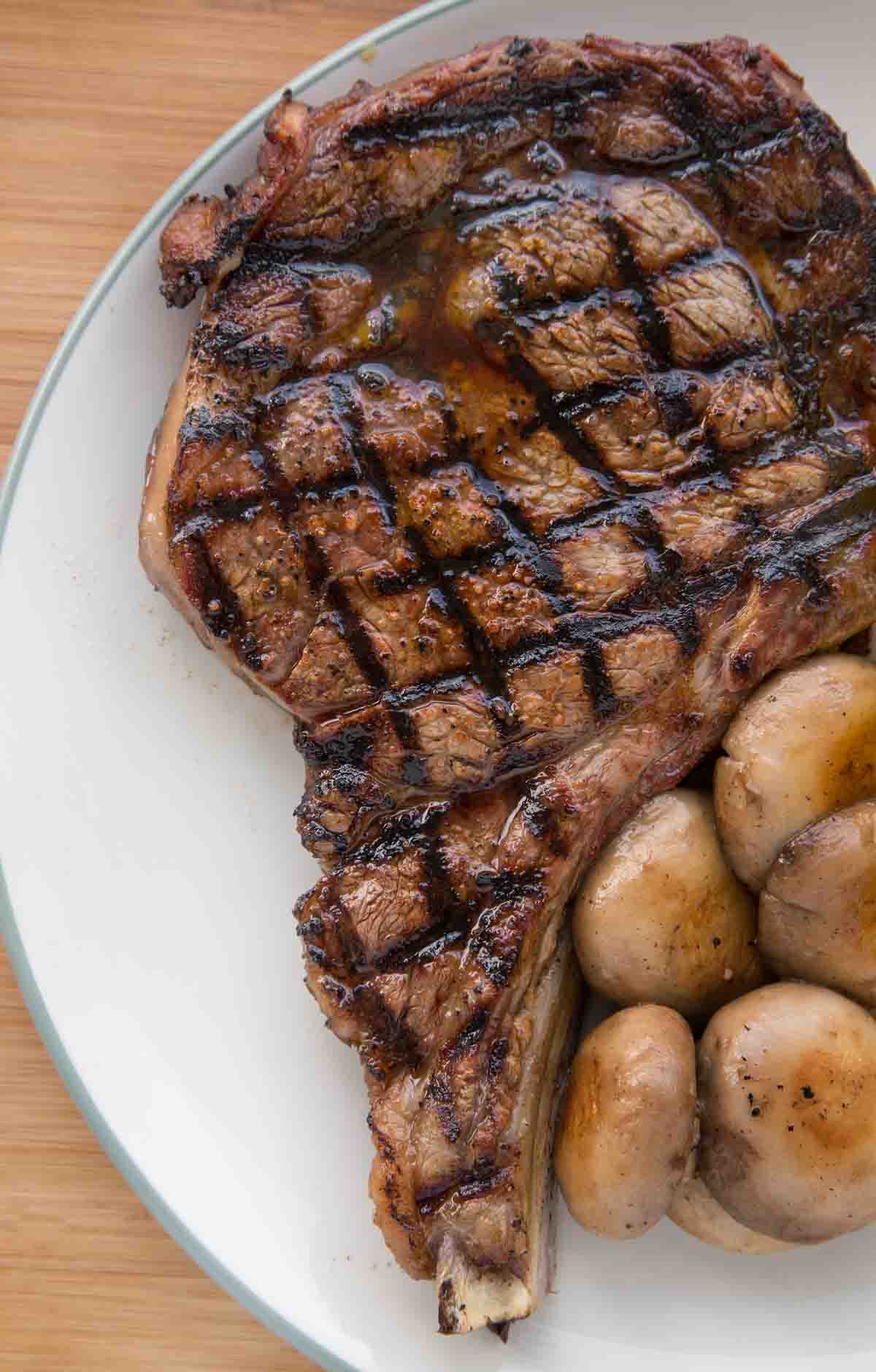
Once rested, it's time to slice the steak. Use a sharp knife for clean cuts. Slice against the grain for tender bites. Look for the lines on the meat. Cut perpendicular to these lines. Presentation matters too. Arrange slices neatly on a plate. A sprinkle of coarse salt adds flavor. Add a sprig of rosemary for a touch of green. Serve with your choice of sides. A well-presented steak enhances the dining experience.
Credit: www.askchefdennis.com
Common Mistakes To Avoid
Grilling a ribeye steak on a charcoal grill can be simple and rewarding. Avoiding common mistakes helps keep the steak juicy and flavorful. Knowing what to watch for improves your cooking results. Here are two key errors to avoid.
Overcooking
Overcooking is a frequent error when grilling ribeye. The steak loses its tenderness and becomes dry. Use a meat thermometer to check doneness. Aim for medium-rare or medium for the best flavor. Remove the steak from heat a few degrees before your target temperature. Carryover heat will finish the cooking perfectly.
Flare-ups And Charring
Flare-ups happen when fat drips onto hot coals. Flames can burn the steak’s surface quickly. This creates a bitter, charred taste. Keep a spray bottle of water nearby to control flames. Move the steak to cooler parts of the grill if flare-ups grow. Avoid pressing the steak, which causes more fat to drip and flare-ups to worsen.
Enhancing Flavor
Enhancing the flavor of your ribeye steak on a charcoal grill is where the magic happens. The rich, beefy taste of ribeye deserves more than just salt and pepper. Adding layers of smoky aroma and a few finishing touches can turn a good steak into an unforgettable meal.
Using Wood Chips For Smoke
Wood chips can add a subtle smoky flavor that complements the ribeye's natural richness. Soak your choice of wood chips—like hickory, mesquite, or applewood—in water for about 30 minutes before grilling. This prevents them from burning too quickly and creates a steady smoke.
Once your charcoal is glowing, scatter the soaked chips directly over the coals or use a smoker box if your grill has one. You’ll notice a fragrant smoke that slowly infuses into the meat as it cooks. Have you tried mixing different wood chips to find your favorite smoky blend?
Adding Finishing Touches
After grilling, let the steak rest for a few minutes to keep juices locked inside. While resting, add a pat of herb butter or a drizzle of high-quality olive oil to enhance flavor and add moisture. Fresh herbs like rosemary or thyme can be pressed into the butter for an extra layer of taste.
Consider finishing with a sprinkle of flaky sea salt or cracked black pepper right before serving. These simple touches can elevate your steak's texture and taste dramatically. What’s your go-to finishing touch that makes every bite memorable?

Credit: www.thekitchn.com
Frequently Asked Questions
How Long To Grill A Ribeye Steak On Charcoal?
Grill a ribeye steak for 4-6 minutes per side for medium-rare. Adjust time based on thickness and desired doneness. Use a meat thermometer to ensure accuracy.
What Temperature Is Best For Grilling Ribeye Steak?
Aim for a charcoal grill temperature of 450-500°F (232-260°C). This high heat sears the steak, locking in juices and flavor for a perfect crust.
Should Ribeye Steak Be Seasoned Before Grilling?
Yes, season ribeye steak with salt and pepper before grilling. This enhances flavor and creates a delicious crust during cooking.
How To Tell When Ribeye Steak Is Done?
Use a meat thermometer: 130°F for medium-rare, 140°F for medium. Alternatively, check firmness by touch for doneness without cutting the steak.
Conclusion
Grilling a ribeye steak on charcoal takes patience and care. Start with a hot grill and fresh meat. Watch the heat and turn the steak often. Let the meat rest before cutting. This keeps it juicy and full of flavor.
Try these steps for a tasty, smoky ribeye every time. Enjoy your meal and happy grilling!