Grilling a ribeye roast on a gas grill might sound tricky, but with the right steps, you can create a juicy, flavorful meal that will impress everyone at your table. Imagine slicing into a perfectly cooked roast, with a rich, smoky crust and tender meat inside.
You’re just a few simple tips away from making that happen. In this guide, you’ll learn exactly how to prepare, season, and grill your ribeye roast to perfection. Ready to become the grill master your friends and family will rave about?
Let’s get started.

Credit: www.youtube.com
Choosing The Right Ribeye Roast
Choosing the right ribeye roast sets the foundation for a delicious grilled meal. This cut offers rich flavor and tenderness, but quality matters. Picking the best roast ensures a juicy, flavorful result. Attention to meat quality and size affects cooking time and taste. Below are key points to consider before grilling your ribeye roast.
Selecting Quality Meat
Start with fresh, bright red meat. Avoid roasts with dark spots or discoloration. Look for marbling—the white streaks of fat inside the meat. More marbling means more flavor and tenderness. Choose USDA Choice or Prime grades for best results. Grass-fed beef has a different flavor but can be leaner. Always buy from a trusted butcher or store.
Size And Thickness Considerations
Size affects cooking time and grill setup. A roast between 3 to 5 pounds is ideal for most grills. Thickness matters too; aim for about 2 to 3 inches thick. Thicker roasts cook more evenly and stay juicier. Very large roasts need more time and careful temperature control. Small roasts cook faster but can dry out easily. Match size and thickness to your grill's capacity and your meal plans.
Preparing The Ribeye Roast
Preparing the ribeye roast properly is key to a delicious grilled meal. This process ensures the meat cooks evenly and develops great flavor. Simple steps before grilling can make a big difference in taste and texture.
Trimming And Seasoning
Start by trimming excess fat from the roast. Leave a thin layer to keep the meat moist during cooking. Removing large fat chunks prevents flare-ups on the grill.
Season the roast generously. Use salt and pepper for classic flavor. You can add garlic powder, rosemary, or your favorite herbs. Rub the seasoning all over the surface to coat evenly.
Bringing To Room Temperature
Take the roast out of the fridge about 30 to 60 minutes before grilling. Let it sit covered on the counter. This step helps the meat cook more evenly.
Cold meat on a hot grill can cook unevenly. The center may stay cold while the outside overcooks. Room temperature roast creates a better sear and juicier result.
Setting Up Your Gas Grill
Setting up your gas grill correctly is the foundation for grilling a perfect ribeye roast. It controls the cooking temperature and ensures even heat distribution. Taking the time to set your grill right can turn a good roast into a great one.
Creating Heat Zones
Heat zones let you manage how your ribeye roast cooks, giving you both direct and indirect heat. On a gas grill, this means turning on burners on one side while leaving the others off.
This setup allows you to sear the roast over high heat first and then move it to a cooler side to finish cooking slowly. Think of it as giving your roast a hot welcome, then a gentle, relaxing finish.
Try this: Light the burners on the right side only, leaving the left side off. This creates a hot zone for searing and a cooler zone for roasting. How might this change your usual grilling routine?
Preheating The Grill
Preheating your grill is not just a step; it’s a game changer for flavor and texture. A properly heated grill prevents sticking and helps form that delicious crust on your ribeye roast.
Turn on all burners to high and close the lid. Let it heat for 10 to 15 minutes until it reaches about 450°F (232°C).
Don’t rush this step. Waiting for the grill to reach the right temperature can be tough, but it’s worth it when you slice into a perfectly cooked roast. What’s your experience with preheating – do you think it really makes a difference?
Grilling Techniques For Juicy Results
Grilling a ribeye roast on a gas grill requires careful techniques for juicy, tender results. Controlling heat and timing keeps the meat flavorful and moist. Use simple steps to enhance the roast’s natural taste and texture.
Searing The Roast
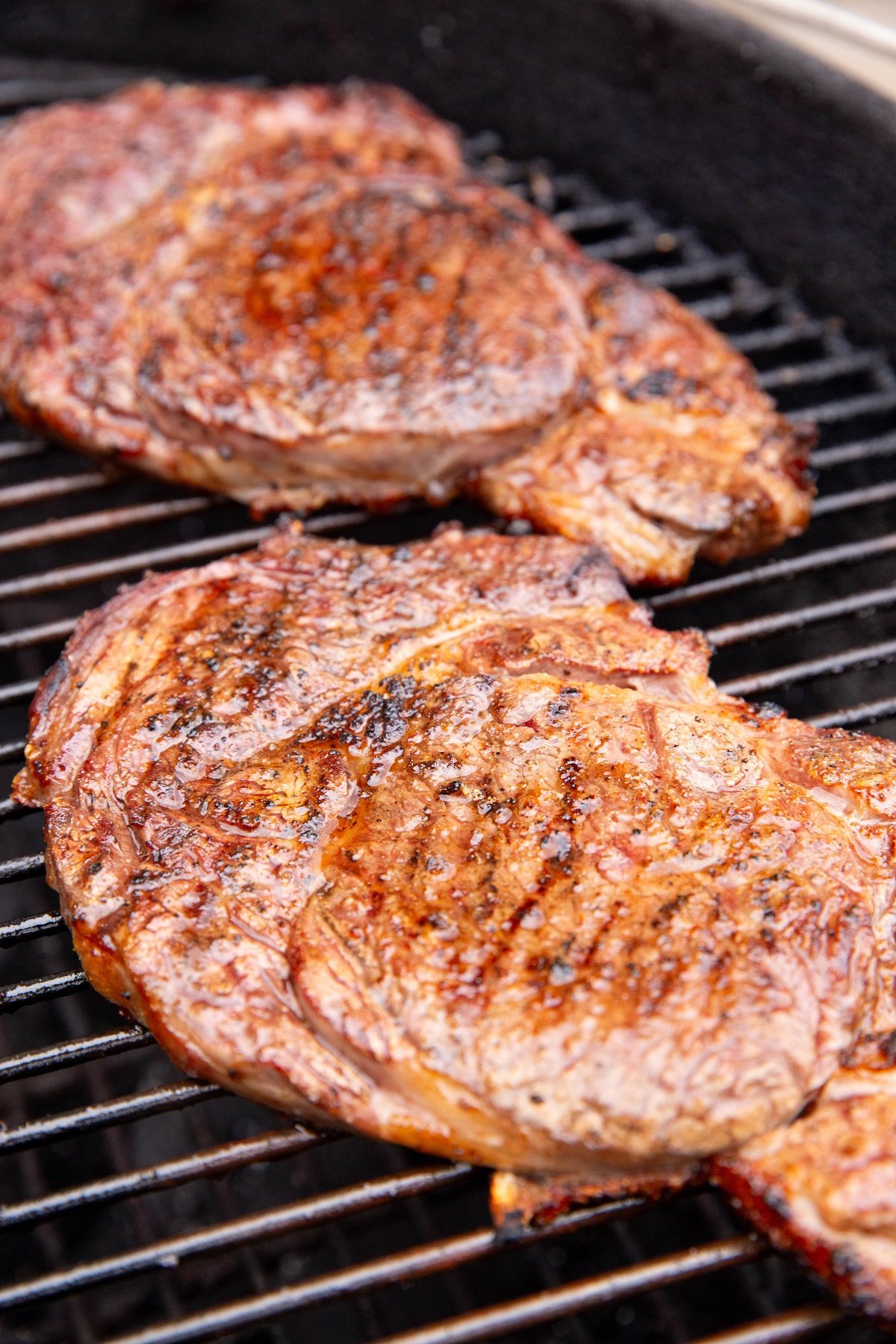
Searing locks in the juices and creates a flavorful crust. Heat the grill to high before placing the roast directly over the flames. Sear each side for 3-4 minutes until browned. Avoid moving the roast too much to develop a good crust.
Indirect Cooking Method
After searing, move the roast away from direct heat. Use indirect heat to cook the meat evenly without burning. Keep the grill lid closed to maintain a steady temperature. This slow cooking helps the roast stay tender and juicy inside.
Using A Meat Thermometer
A meat thermometer ensures perfect doneness without guesswork. Insert it into the thickest part of the roast. Aim for 130°F for medium-rare or 140°F for medium. Remove the roast from the grill a few degrees before the target temperature. Let it rest to finish cooking and redistribute juices.
Resting And Carving The Roast
Resting and carving your ribeye roast properly can make a huge difference in the final taste and texture. After grilling, the meat needs a moment to settle so the juices can redistribute. Skipping this step often leads to dry, less flavorful slices, which nobody wants after all that effort at the grill.
Importance Of Resting
Resting allows the juices inside the roast to spread evenly. If you cut into the meat right away, all those flavorful juices will run out onto the cutting board. Letting the roast rest for at least 15 to 20 minutes keeps it juicy and tender.
Try tenting the roast loosely with aluminum foil to keep it warm without trapping steam. This simple step preserves the roast’s temperature while allowing the meat fibers to relax. Have you noticed how much juicier a rested steak tastes? The same principle applies here.
Slicing Tips For Tenderness
How you slice the ribeye roast impacts every bite. Always slice against the grain of the meat to break up muscle fibers and make each piece easier to chew. Look closely at the muscle lines and cut perpendicular to them.
- Use a sharp carving knife for clean, precise cuts.
- Cut slices about ¼ to ½ inch thick, depending on your preference.
- Hold the roast steady with a carving fork to avoid uneven slices.
Cutting too thick or along the grain can leave the meat tough and chewy. Paying attention to slicing technique turns your ribeye roast into a perfectly tender meal every time. What’s your favorite way to serve these slices once they’re ready?
Credit: www.theroastedroot.net
Serving Suggestions
Slice the grilled ribeye roast thinly for hearty sandwiches or serve with roasted vegetables for a balanced meal. Pair with a fresh salad or mashed potatoes for added flavor. A glass of red wine complements the rich taste of the roast beautifully.
Grilling a ribeye roast on a gas grill can create a memorable dining experience, but the magic doesn't stop at the perfectly cooked meat. Serving suggestions can enhance your meal, making it truly unforgettable. Whether you're hosting a gathering or enjoying a family dinner, consider these ideas to complement your juicy ribeye roast.
Side Dishes That Complement
Pair your ribeye roast with side dishes that balance its rich flavors. - Roasted Vegetables: Carrots, asparagus, and bell peppers can add a pop of color and freshness to your plate. Drizzle with olive oil and sprinkle with salt before roasting to bring out their natural sweetness. - Creamy Mashed Potatoes: A classic choice that offers a smooth, buttery texture. Add garlic or herbs like rosemary for an extra flavor punch. - Grilled Corn on the Cob: Enhance your grill menu with corn seasoned with chili powder and lime juice for a zesty kick. It pairs beautifully with the smoky flavors of the ribeye. What side dish do you think will be the star of your meal?
Sauces And Seasonings
The right sauces and seasonings can elevate your ribeye roast to new heights. - Chimichurri Sauce: This vibrant, herbaceous sauce from Argentina is a fantastic match for grilled meats. Its tangy, garlicky notes can complement the ribeye's rich taste perfectly. - Horseradish Cream: For a touch of heat, a horseradish cream sauce offers a tangy contrast. Mix sour cream, prepared horseradish, lemon juice, and a pinch of salt for a delightful kick. - Seasoning Rubs: Create a simple rub using salt, pepper, garlic powder, and smoked paprika. Rub it generously on the roast before grilling for a flavorful crust. What seasoning will you choose to accentuate your roast’s flavors? By selecting the right sides and sauces, you can turn your ribeye roast into a culinary masterpiece that leaves everyone craving more.
Troubleshooting Common Issues
Grilling a ribeye roast on a gas grill can be a rewarding experience, but it’s easy to hit a few snags along the way. Knowing how to troubleshoot common issues will save you from ruining a prime cut of meat. Here’s how to handle two of the most frequent challenges: overcooking and flare-ups.
Avoiding Overcooking
Overcooking a ribeye roast can turn a juicy masterpiece into a dry disappointment. The key is to monitor the internal temperature closely rather than relying solely on grill time.
- Use a reliable meat thermometer.Insert it into the thickest part of the roast to get an accurate reading.
- Remember the carryover cooking effect.The roast’s temperature will rise a few degrees even after removing it from the grill.
- Set the grill for indirect heat.This prevents the outside from burning while the inside cooks through.
I once rushed to serve a roast too soon, only to find it undercooked in the center. Patience and temperature checks are your best friends here. Would you rather cut into a perfectly medium-rare roast or guess and risk a tough bite?
Handling Flare-ups
Flare-ups can char the roast and create uneven cooking. They happen when fat drips onto the burners, igniting sudden flames.
- Keep a spray bottle of water nearby.Light misting can quickly control small flames without harming the meat.
- Trim excess fat.This reduces dripping and flare-ups but don’t remove all the fat—it adds flavor.
- Move the roast to a cooler part of the grill if flames get too high.This lets the fire die down before returning to direct heat.
During my last grill session, a sudden flare-up nearly blackened the roast’s surface. Quickly shifting the meat to indirect heat saved the day. Are you prepared to react swiftly when flames flare up?

Credit: www.thekitchn.com
Frequently Asked Questions
How Long To Grill A Ribeye Roast On Gas Grill?
Grill a ribeye roast for about 15 minutes per pound. Use medium heat (350°F) and turn occasionally for even cooking. Check internal temperature for doneness.
What Internal Temperature For Ribeye Roast On Grill?
Aim for 130°F for medium-rare, 140°F for medium. Use a meat thermometer to check temperature accurately. Rest roast before slicing.
Should I Sear Ribeye Roast Before Grilling?
Yes, sear the roast over high heat for 3-4 minutes per side. Searing locks in juices and adds flavor before indirect grilling.
How To Set Up Gas Grill For Ribeye Roast?
Use two-zone cooking: one side on high heat for searing, the other on low for roasting. This prevents burning and ensures even cooking.
Conclusion
Grilling a ribeye roast on a gas grill is simple and rewarding. Start with a good roast and season it well. Keep the grill temperature steady for even cooking. Use a meat thermometer to check doneness. Let the roast rest before slicing to keep juices inside.
Serve with your favorite sides for a tasty meal. Enjoy the smoky flavor and tender meat every time. Try this method for your next barbecue. Perfect for family dinners or special occasions. You’ll love how easy and delicious it turns out.