Grilling the perfect ribeye on your gas grill can feel like a challenge, but it doesn’t have to be. Imagine biting into a juicy, flavorful steak with a beautiful sear and tender inside every time you fire up your grill.
You’re just a few simple steps away from turning your backyard into your own steakhouse. In this guide, you’ll learn exactly how to grill a ribeye on a gas grill so it’s cooked just the way you like it. Get ready to impress yourself and everyone you share your meal with.
Keep reading—your best steak yet is waiting.

Credit: www.thekitchn.com
Choosing The Right Ribeye
Choosing the right ribeye is the first critical step to mastering the art of grilling this juicy cut on your gas grill. The taste and texture of your steak depend heavily on the quality and characteristics of the meat you pick. Understanding what to look for can make your grilling experience more rewarding and your results consistently delicious.
Selecting Quality Meat
Look for ribeyes that are bright red and have a firm texture. Avoid cuts that appear brown or have a slimy surface, as these are signs of aging or poor storage. Visiting a trusted butcher can give you access to fresher, higher-quality cuts than what you might find in the supermarket.
Ask your butcher about the source of the beef; grass-fed or grain-fed can impact flavor and tenderness in different ways. Don’t hesitate to request a specific cut or thickness—they often have hidden gems behind the counter.
Thickness And Marbling
Thickness affects how your steak cooks on a gas grill. A ribeye that’s about 1.5 to 2 inches thick gives you enough room to develop a perfect crust while keeping the inside juicy and tender. Thinner cuts can dry out quickly and are harder to cook evenly.
Marbling is the streaks of fat running through the meat. The more marbling, the more flavorful and tender your ribeye will be. Look for ribeyes with even, white marbling; it melts during grilling and bastes the meat from within.
Fresh Vs. Frozen
Fresh ribeye steaks usually provide better texture and flavor, but frozen can be a good alternative if handled properly. If you choose frozen, make sure it’s vacuum-sealed to prevent freezer burn and thaw it slowly in the fridge for 24 hours before grilling.
Have you noticed how a fresh ribeye sizzles differently on the grill compared to one that’s been frozen? That initial sear can lock in juices and flavor, which is why freshness often wins for grilling.
Preparing The Steak
Getting your ribeye ready before it hits the grill sets the stage for a juicy, flavorful steak. How you treat the meat beforehand can change the entire grilling experience. Let’s look at ways to prepare your ribeye that boost its taste and texture, making your grilling session a true success.
Bringing To Room Temperature
Let your ribeye sit out for about 30 to 60 minutes before grilling. This step helps the steak cook evenly, avoiding a cold center with an overcooked outside. If you skip this, your grill might sear the outside too fast, leaving the inside underdone.
Think about the last time you cooked a cold steak—did it feel uneven? Bringing it to room temperature fixes this by allowing heat to penetrate smoothly. It’s a small step that pays off big on taste and texture.
Seasoning Techniques
Simple salt and pepper can be all you need, but how and when you season makes a difference. Sprinkle salt evenly on both sides at least 40 minutes before grilling to draw out moisture and enhance flavor. If you’re short on time, season just before grilling to avoid drawing too much moisture out.
- Use coarse kosher salt for better texture.
- Add freshly ground black pepper right before cooking to keep its punch.
- Pat the steak dry with a paper towel before seasoning to ensure a good sear.
Ever wondered why some steaks have that perfect crust? This balance of seasoning and moisture control is key.
Using Marinades Or Rubs
Marinades add moisture and flavor but can overpower a great ribeye if you’re not careful. Choose simple marinades with ingredients like olive oil, garlic, and herbs. Let your steak soak for 30 minutes to 2 hours—too long can break down the meat’s texture.
Dry rubs, on the other hand, build a flavorful crust and are easy to apply. Use spices like paprika, garlic powder, and cayenne for a kick. Rub them gently into the meat and let it rest for at least 15 minutes before grilling.
Which do you prefer: the tenderizing effect of a marinade or the boldness of a dry rub? Try both to see how they change your ribeye’s flavor profile.
Setting Up The Gas Grill
Setting up your gas grill correctly is the foundation of a perfect ribeye steak. A clean, well-heated grill ensures even cooking and those appealing grill marks that everyone loves. Before you place your steak on the grill, take time to prepare the equipment thoughtfully.
Cleaning And Preheating
Start by cleaning the grill grates with a stiff wire brush to remove any leftover residue. This prevents sticking and helps create those signature sear lines. After cleaning, preheat your grill with the lid closed for about 10-15 minutes until it reaches a high temperature; this step locks in flavors and kills bacteria.
Temperature Zones
Create different heat zones on your grill by adjusting the burners. Keep one side on high heat for searing and the other on medium or low for finishing the steak. This setup lets you control the cooking process, giving you the flexibility to sear your ribeye quickly, then move it to a cooler zone to cook through without burning.
Gas Levels And Safety
Check your propane tank’s gas level before grilling to avoid running out mid-cook. Always inspect hoses and connections for leaks by applying soapy water and looking for bubbles. Never ignore the smell of gas—if you detect it, turn off the grill immediately and address the issue before continuing.
Credit: www.theroastedroot.net
Grilling The Ribeye
Grilling a ribeye on a gas grill brings out rich flavors and juicy textures. The process requires careful control of heat and timing. Proper grilling ensures a tender, flavorful steak every time. This section explains how to grill your ribeye perfectly.
Searing For Flavor
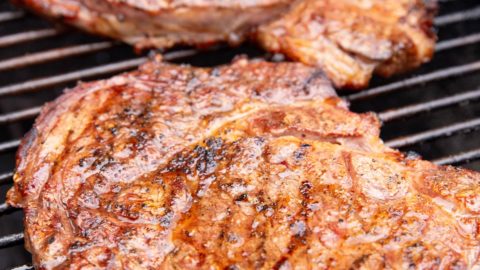
Searing locks in the steak’s natural juices. Preheat the grill to high heat before placing the ribeye. Sear each side for 2 to 3 minutes. This creates a crispy, brown crust full of flavor. Avoid moving the steak too much to form a good sear.
Managing Heat Zones
Set up two heat zones on the gas grill. One side on high heat, the other on medium or low. Start the ribeye on the hot side to sear. Then move it to the cooler side to finish cooking. This method prevents burning and cooks the steak evenly.
Cooking Times For Doneness
| Doneness | Internal Temperature | Approximate Cooking Time (per side) |
|---|---|---|
| Rare | 125°F (52°C) | 3-4 minutes |
| Medium Rare | 135°F (57°C) | 4-5 minutes |
| Medium | 145°F (63°C) | 5-6 minutes |
| Well Done | 160°F (71°C) | 7-8 minutes |
Use a meat thermometer to check the temperature. Let the steak rest for 5 minutes before cutting. This keeps the juices inside for a juicy bite.
Checking Steak Doneness
Checking steak doneness is key when grilling a ribeye on a gas grill. Use a meat thermometer for precision. Aim for 135°F for medium-rare, ensuring a juicy and flavorful result.
Checking the doneness of a ribeye steak is crucial for perfect grilling. Each steak lover has a preference for doneness. Some prefer it rare, others medium, and some well-done. Knowing how to check doneness ensures a delightful steak experience. Here are three effective methods to guide you.
Using A Meat Thermometer
A meat thermometer is a precise tool. Insert it into the thickest part of the steak. Avoid touching the bone or grill. For rare, aim for 125°F. Medium rare needs 135°F. Medium hits 145°F. For well-done, reach 160°F. Always let the steak rest after grilling. This allows the juices to settle.
Touch Test Method
Use your hand for this test. Make an "OK" sign with your thumb and index finger. Press the base of your thumb. It feels like a rare steak. Touching your middle finger feels medium rare. Ring finger feels medium. Pinky finger represents well-done. With practice, this method becomes second nature.
Visual Cues
Observe the steak's surface. A rare steak is bright red in the center. Medium rare shows a warm red center. Medium appears pink and firm. Well-done lacks pinkness and feels firm. These cues help gauge doneness without tools.
Resting And Serving
Resting and serving a ribeye steak is as important as grilling it perfectly. After grilling, the steak needs time to settle. This step locks in the juices and enhances the flavor. Serving the steak right can elevate the entire meal experience.
Importance Of Resting
Resting lets the meat fibers relax. This helps the juices redistribute evenly inside the steak. Cutting the steak too soon causes the juices to spill out. Rest the ribeye for about 5 to 10 minutes. Cover it loosely with foil to keep it warm.
Carving Tips
Cut the ribeye against the grain. This makes the meat tender and easy to chew. Use a sharp knife for clean slices. Slice the steak into half-inch thick pieces. Arrange the slices on a warm plate for serving.
Recommended Sides And Sauces
- Grilled vegetables like asparagus or bell peppers
- Classic baked potatoes or mashed potatoes
- Fresh garden salad with a light vinaigrette
- Garlic butter or herb butter sauce
- Chimichurri or a simple steak sauce
These sides and sauces complement the rich flavor of ribeye. Choose what suits your taste best for a complete meal.
Troubleshooting Common Issues
Grilling a ribeye on a gas grill can sometimes bring challenges. Knowing how to fix common problems makes cooking easier. This section helps solve issues like overcooking, flare-ups, and dry steak. Use these tips to improve your grilling skills and enjoy juicier ribeyes every time.
Avoiding Overcooking
Set the grill temperature to medium-high heat. Too much heat cooks the outside fast and burns the inside. Use a meat thermometer to check doneness. Aim for 130°F for medium-rare and 140°F for medium. Remove the steak a few degrees before the target. The heat will keep cooking it after you take it off the grill.
Preventing Flare-ups
Flare-ups happen when fat drips onto the flames. They can burn the steak quickly. Trim excess fat before grilling to reduce drips. Keep a spray bottle of water nearby to control flames. Move the steak to a cooler part of the grill if flare-ups get strong. Avoid pressing the steak down; this releases more fat and causes flare-ups.
Fixing Dry Or Tough Steak
Dry steak means it lost too much juice. Cook ribeye to medium or medium-rare to keep it tender. Let the steak rest for five minutes after grilling. This helps juices spread inside the meat. Use a marinade or rub with oil to add moisture before cooking. Slice the steak against the grain to make it easier to chew.

Credit: girlscangrill.com
Frequently Asked Questions
How Long To Grill A Ribeye On Gas Grill?
Grill ribeye for 4-5 minutes per side for medium-rare. Use direct heat and avoid flipping too often. Adjust time based on thickness and desired doneness.
What Temperature Is Best For Grilling Ribeye?
Preheat your gas grill to high heat, around 450-500°F. This ensures a good sear and locks in juices. Lower heat can result in uneven cooking.
Should Ribeye Be Marinated Before Grilling?
Marinating ribeye is optional. It enhances flavor but ribeye’s natural marbling is flavorful alone. Use simple seasoning like salt and pepper for best results.
How To Check Ribeye Doneness On A Grill?
Use a meat thermometer: 130°F for medium-rare, 140°F for medium. Alternatively, press the steak with your finger to test firmness and doneness.
Conclusion
Grilling a ribeye on a gas grill is simple and fun. Start with good meat and heat the grill well. Cook the steak evenly on both sides. Let it rest before cutting to keep juices inside. Use a meat thermometer to check doneness.
A delicious ribeye is ready to enjoy in minutes. Try this method at home for tasty results every time. Perfect for any barbecue or dinner. Give it a go and enjoy great flavor and tenderness.