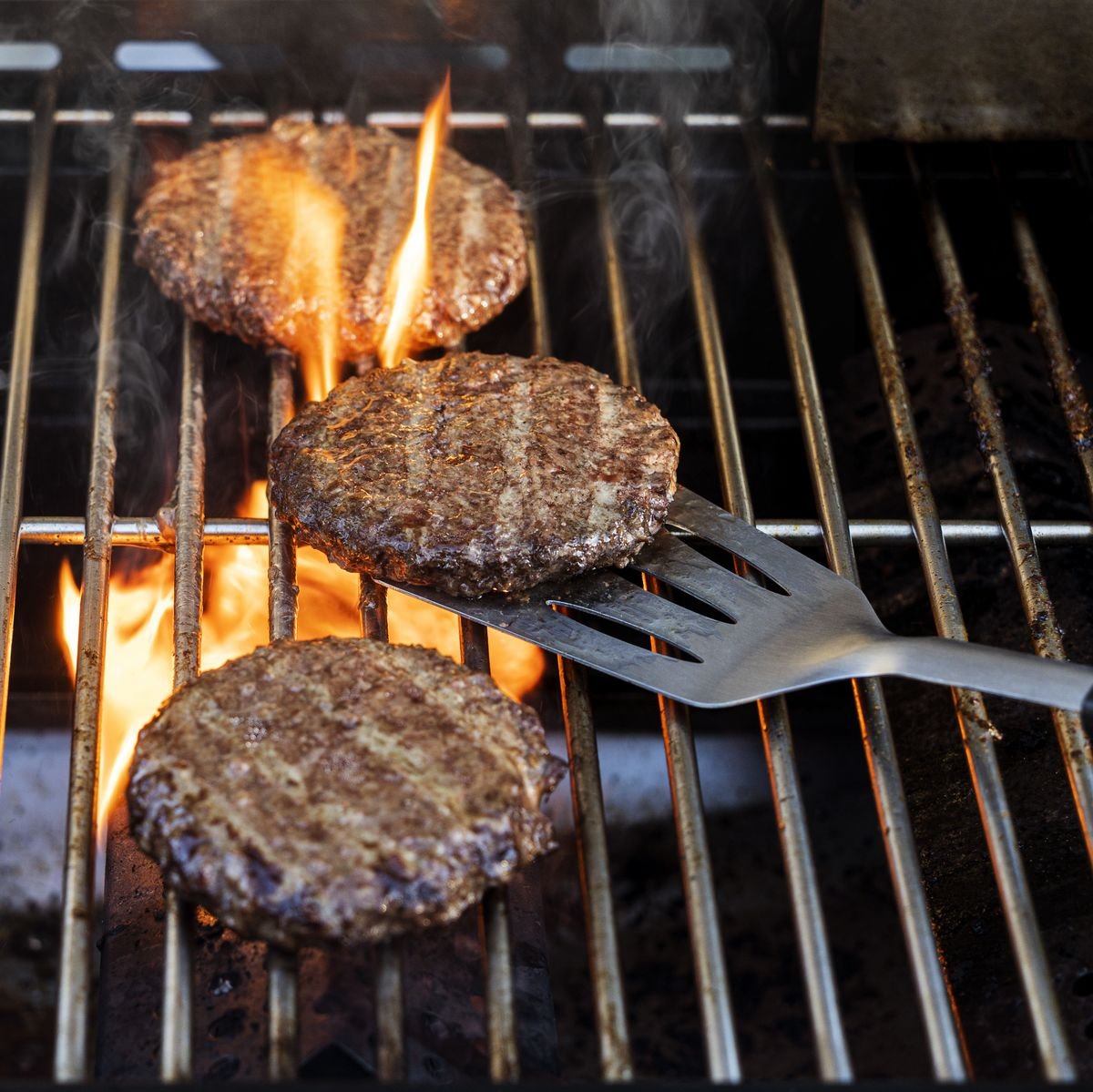
Grilling a ribeye on a charcoal grill is more than just cooking—it’s an experience that brings out the best flavors in your steak. You want that perfect sear, juicy inside, and smoky aroma that only charcoal can give.
But getting it right can feel tricky if you’re not sure where to start. Don’t worry—this guide will walk you through every step, making it easy for you to impress yourself and anyone you’re grilling for. Ready to master the art of grilling a ribeye?
Let’s get your grill fired up and your taste buds ready.
Choosing The Right Ribeye
Choosing the right ribeye is essential for a perfect grill experience. The cut of meat affects the flavor, tenderness, and juiciness. Picking a high-quality ribeye starts with understanding what to look for. Focus on freshness, texture, and fat distribution for the best results.
Selecting Quality Meat
Start by checking the color. Look for a bright red ribeye. Avoid meat with dark spots or dull color. Fresh ribeye should feel firm, not slimy. Smell the meat; it should have a clean, fresh scent. Purchase from a trusted butcher or store with good reviews. Freshness and source matter a lot for taste.
Thickness And Marbling Tips
Choose ribeye with good marbling. Marbling means the white fat streaks inside the meat. More marbling gives better flavor and tenderness. Aim for a thickness of about 1 to 1.5 inches. Thicker cuts cook evenly and stay juicy. Thin cuts can dry out quickly on a charcoal grill. Balance fat and thickness for a tasty ribeye.

Credit: www.youtube.com
Preparing The Charcoal Grill
Preparing the charcoal grill is key for cooking a perfect ribeye. A well-prepared grill controls temperature and smoke. It helps cook the steak evenly and adds great flavor. Taking time for this step improves the grilling experience and the final taste.
Setting Up The Coals
Use quality charcoal for steady heat and less ash. Arrange the charcoal in a pile or pyramid shape. Light the charcoal using a chimney starter or lighter cubes. Wait until the coals turn gray with white edges. This means they are hot and ready for grilling. Spread the hot coals evenly across the grill base. Use tongs or a metal rake for safety and control.
Creating Heat Zones
Heat zones allow you to cook and rest the ribeye properly. Push some coals to one side of the grill to create a hot zone. Leave the other side free of coals for a cooler zone. Use the hot zone for searing the steak. Use the cooler zone to finish cooking slowly. This method prevents burning and overcooking. It also helps control the steak’s doneness with ease.
Seasoning The Ribeye
Seasoning your ribeye properly is key to bringing out its natural flavors on a charcoal grill. The right seasoning enhances the steak’s juicy texture and rich taste without overpowering it. Whether you prefer a minimalist approach or something more adventurous, your seasoning choice sets the foundation for a memorable grilled ribeye.
Simple Salt And Pepper
Sometimes, less is more. A generous coating of kosher salt and freshly ground black pepper is often all your ribeye needs. Salt draws out the meat’s natural juices and helps create a beautiful crust when grilled.
Sprinkle both sides evenly and let the steak rest at room temperature for about 30 minutes before grilling. This step allows the salt to penetrate deeper, making every bite flavorful and tender. Have you tried this straightforward method and noticed how it lets the beef shine on its own?
Optional Marinades And Rubs
If you want to add extra layers of flavor, marinades and rubs offer exciting possibilities. Marinades with ingredients like garlic, soy sauce, or Worcestershire sauce can tenderize the meat while infusing it with bold tastes.
Dry rubs often combine spices such as paprika, cumin, brown sugar, and chili powder. Apply the rub generously and let the ribeye rest for at least 15 minutes, or even overnight in the fridge, to absorb the flavors. What flavor combinations excite your palate the most when grilling steak?
Grilling Techniques
Grilling a ribeye on a charcoal grill requires some key techniques. These methods help bring out rich flavors and cook the steak evenly. Controlling heat and using the right grilling style are very important. Let’s explore these techniques in detail.
Searing For Flavor
Searing locks in the steak’s juices. It creates a crispy, tasty crust on the outside. Start by placing the ribeye directly over hot coals. Let it cook without moving for 2-3 minutes per side. This quick, high heat caramelizes the meat’s surface. Avoid flipping too often to keep the crust intact.
Managing Grill Temperature
Keep the grill temperature steady. Too hot burns the steak outside while leaving it raw inside. Too low makes the steak dry and tough. Use the charcoal’s ash color to judge heat. White ash means the coals are ready. Adjust vents to control oxygen flow and heat level. Keep a thermometer handy to monitor temperature.
Using Direct And Indirect Heat
Use direct heat for searing the ribeye. After searing, move the steak to indirect heat. This allows the inside to cook evenly without burning. Arrange coals to one side of the grill. Place the ribeye on the cooler side. Close the lid for slow, gentle cooking. This method balances a perfect crust with tender inside.
Checking Steak Doneness
Press the steak gently to feel its firmness for doneness. Use a meat thermometer to check the internal temperature accurately. Visual cues like color changes also help determine if the ribeye is cooked as desired.
Grilling a ribeye on a charcoal grill brings out rich flavors. Knowing how to check steak doneness is essential. This ensures your steak is cooked perfectly. There are two reliable methods to determine doneness: using a meat thermometer and the touch test method. These techniques help achieve the desired level of doneness, whether rare, medium, or well-done.
Using A Meat Thermometer
A meat thermometer is a precise tool. Insert it into the thickest part of the steak. Avoid touching bones or the grill. For rare steak, aim for 125°F. Medium rare should be 135°F. Medium reaches 145°F, while well-done is 160°F. Let the steak rest. This allows juices to redistribute.
Touch Test Method
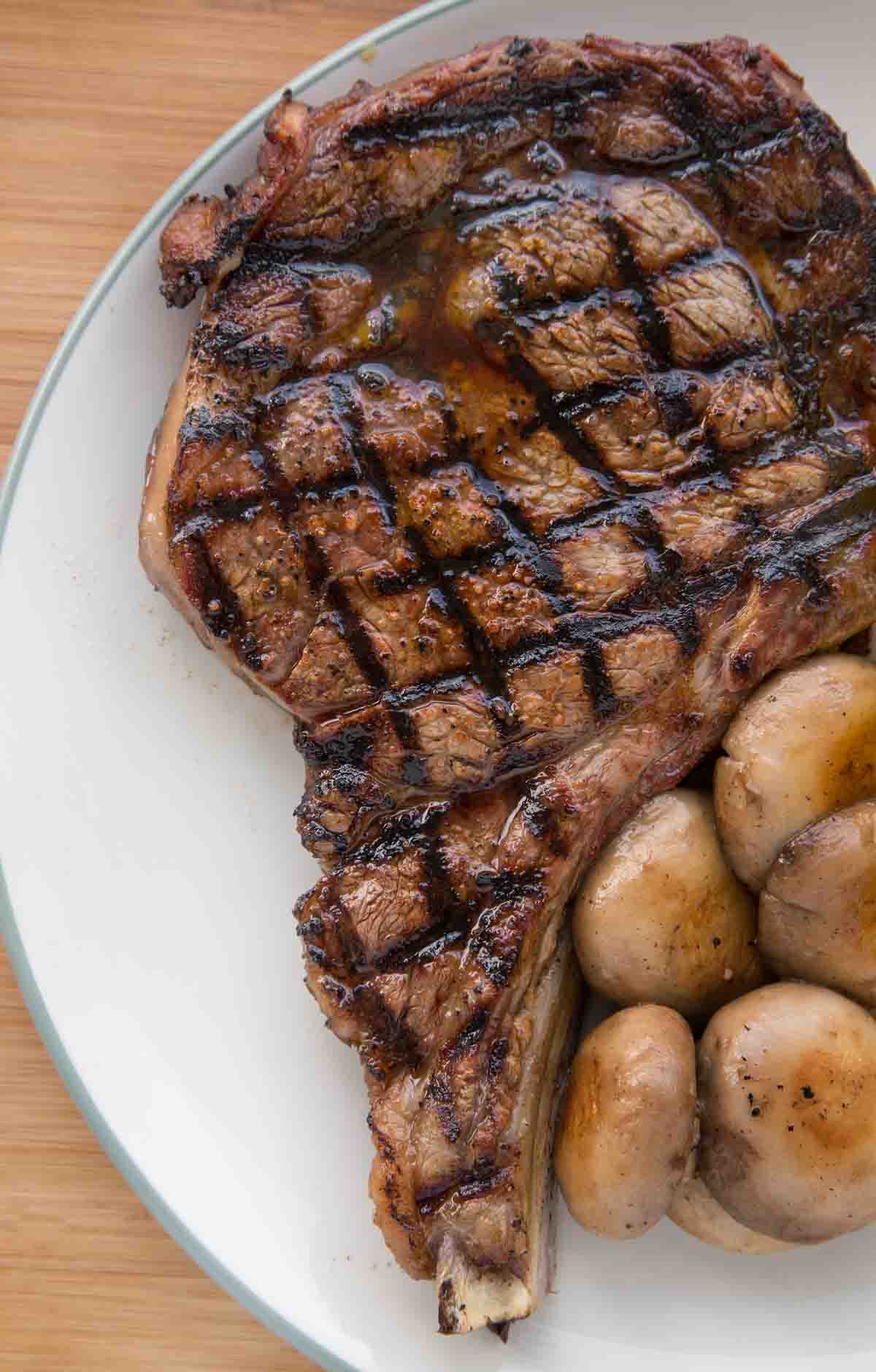
The touch test uses your hand as a guide. Touch your thumb to your index finger. Feel the fleshy part below your thumb. This is how a rare steak feels. For medium rare, touch your middle finger to your thumb. Medium is your ring finger to your thumb. Well-done is your pinky to your thumb. Practice makes perfect. This method requires some experience.
Credit: www.askchefdennis.com
Resting And Serving
After grilling your ribeye to perfection, the next steps—resting and serving—can make a huge difference in taste and texture. Many overlook this crucial phase, rushing to cut into the steak right off the grill. But patience here rewards you with juicier, more flavorful results that truly showcase your grilling skills.
Importance Of Resting
Resting allows the juices inside the ribeye to redistribute evenly. If you cut the steak immediately, those flavorful juices will spill out, leaving you with a dry bite.
A good rule of thumb is to let your ribeye rest for about 5 to 10 minutes. Cover it loosely with foil to keep it warm without trapping steam that can soften the crust.
I once skipped resting, thinking the steak looked perfect. The first cut taught me otherwise—juices poured out, and the texture felt less tender. Since then, I always rest my steak, and the difference is unmistakable.
Serving Suggestions
Serving your ribeye right can elevate the meal beyond the grill. Think about simple, complementary sides that enhance the steak’s rich flavor without overpowering it.
- Classic options:Grilled vegetables, baked potatoes, or a fresh green salad.
- Bold flavors:A dollop of garlic butter, chimichurri sauce, or a sprinkle of flaky sea salt.
- Unique touches:Toasted nuts or caramelized onions add texture and sweetness.
Have you ever tried pairing your ribeye with unexpected sides? Sometimes, even a tangy slaw or a light fruit salsa can bring out new dimensions in the meat.
Serving your ribeye on a warm plate also helps keep it enjoyable from the first bite to the last. What’s your favorite way to serve a grilled ribeye?
Troubleshooting Common Issues
Grilling a ribeye on a charcoal grill can be incredibly rewarding, but it’s not without its challenges. Troubleshooting common issues will help you get the perfect steak every time. Understanding how to manage flare-ups and uneven cooking will boost your confidence and improve your results.
Avoiding Flare-ups
Flare-ups happen when fat drips onto hot coals, causing sudden flames that can burn your steak. To prevent this, trim excess fat from your ribeye before grilling. You can also create two heat zones on your grill—one side with direct heat and the other with indirect heat—to quickly move your steak away from flames if flare-ups occur.
Use a spray bottle filled with water to lightly mist flare-ups instead of dousing the fire with large amounts of water. This keeps your coals hot while controlling flames. Have you noticed how flare-ups often appear right when your steak looks perfect? Staying attentive during those moments makes all the difference.
Dealing With Uneven Cooking
Uneven cooking is a common problem, especially with thick ribeyes. If one side cooks faster than the other, your steak might be burnt on one side and raw on the other. To fix this, rotate your steak frequently and move it between hot and cooler parts of the grill.
Using a meat thermometer helps you track internal temperature without cutting into the steak. Remember, thicker steaks need lower heat and more time to cook evenly. If you’ve ever bitten into a ribeye that’s tough on the outside but raw inside, adjusting your heat zones and cooking time can save your next steak.

Credit: www.thekitchn.com
Frequently Asked Questions
How Do You Prepare A Ribeye For Charcoal Grilling?
Start by bringing the ribeye to room temperature. Season it generously with salt and pepper. This enhances flavor and ensures even cooking on the charcoal grill.
What Is The Ideal Charcoal Temperature For Grilling Ribeye?
Aim for a medium-high heat, around 450-500°F (230-260°C). This temperature sears the ribeye, locking in juices and creating a flavorful crust.
How Long Should You Grill A Ribeye On Charcoal?
Grill ribeye for 4-5 minutes per side for medium-rare. Adjust time based on thickness and desired doneness. Use a meat thermometer for accuracy.
Should You Use Direct Or Indirect Heat For Ribeye?
Start with direct heat to sear both sides. Move steak to indirect heat to finish cooking evenly without burning.
Conclusion
Grilling a ribeye on charcoal is simple and rewarding. Keep the fire hot and the grill clean. Season your steak well for the best flavor. Watch the cooking time closely to avoid overcooking. Let the meat rest before cutting to keep it juicy.
Enjoy the smoky taste that only charcoal gives. Try this method for your next BBQ. You will love the results every time. Great steak, great company, great memories.