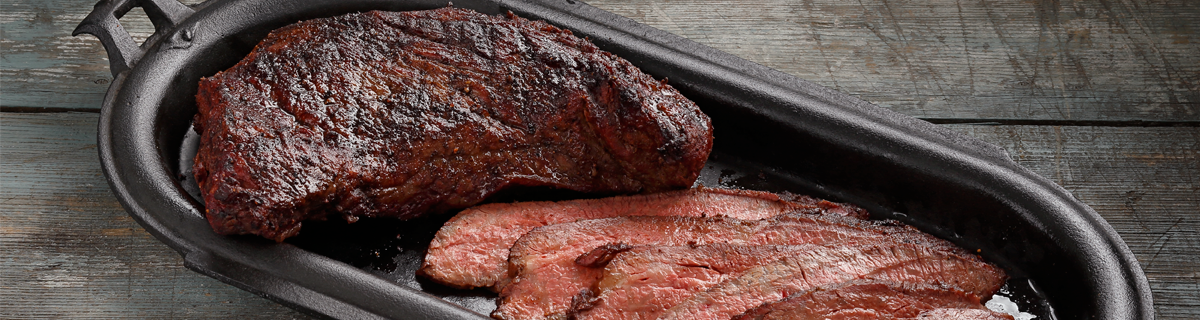
If you want to impress your friends and enjoy a juicy, tender steak right from your own backyard, grilling a porterhouse steak on a gas grill is the way to go. You might think it’s tricky, but with the right steps, you can master it quickly.
Imagine biting into a perfectly seared, flavorful steak that’s cooked just the way you like it. This guide will show you exactly how to get there—no guesswork, no stress. Ready to become the grill master you’ve always wanted to be?
Let’s dive in and make your next steak dinner unforgettable.

Credit: notentirelyaverage.com
Choosing The Right Porterhouse Steak
Choosing the right porterhouse steak is the first step to mastering your grilling game. The quality and size of the cut directly affect the flavor, tenderness, and cooking time. Picking the perfect steak can make your grilling experience enjoyable and the results mouthwatering.
Selecting Quality Meat
Look for porterhouse steaks with a bright red color and fine marbling. Marbling means the white streaks of fat inside the meat, which melt during grilling and add juiciness.
Ask your butcher about the grade of the meat—USDA Prime or Choice usually guarantees better taste and tenderness. Avoid steaks with dark spots or a strong odor, as these indicate less freshness.
Thickness And Size Considerations
A porterhouse steak should be at least 1.5 inches thick to grill properly without drying out. Thicker steaks hold heat better and develop a nice crust while staying juicy inside.
Consider your grill size and how many people you’re serving. Larger cuts are great for sharing but require more careful cooking to avoid uneven doneness.
Have you ever grilled a thin steak that ended up tough? Choosing the right thickness can save you from that disappointment and make your steak perfect every time.

Credit: www.reluctantgourmet.com
Preparing The Steak For Grilling
Preparing your porterhouse steak properly sets the stage for a great grilling experience. This step helps bring out the steak’s natural flavors and ensures it cooks evenly. Taking time to prepare the meat can make a big difference in taste and texture.
Seasoning Techniques
Seasoning is simple but important. Start with coarse salt and freshly ground black pepper. These basic seasonings enhance the steak’s flavor without overpowering it.
Apply salt evenly on both sides. Pat it gently to help it stick. Then, sprinkle pepper just before grilling to keep its aroma fresh.
For extra flavor, use garlic powder, onion powder, or smoked paprika. Avoid heavy marinades that can mask the beef’s taste. Let the meat shine.
Bringing Steak To Room Temperature
Cold steak cooks unevenly. Let the porterhouse sit at room temperature for 30 to 60 minutes. This helps it cook more evenly and faster.
Place the steak on a plate or tray. Cover lightly with foil or a clean cloth. Avoid leaving it out too long to prevent bacteria growth.
Proper temperature makes a juicy, tender steak. Skip this step, and the inside may stay cold while the outside overcooks.
Setting Up Your Gas Grill
Setting up your gas grill properly is essential for grilling the perfect Porterhouse steak. It ensures even cooking and helps you control the heat, so your steak comes out juicy and flavorful every time. Paying attention to the grill’s preparation can make a huge difference in your grilling experience.
Preheating Tips
Start by turning on your gas grill to high heat and close the lid. Let it preheat for at least 10 to 15 minutes. This step is crucial because a hot grill sears the steak, locking in the juices and creating that delicious crust.
If your grill has multiple burners, you can preheat all of them first, then adjust the heat later. Avoid opening the lid frequently during preheating—each time you do, the temperature drops and can throw off your cooking time.
Direct Vs Indirect Heat Zones
Creating heat zones on your grill gives you better control over how your Porterhouse cooks. Set one side of the grill to high heat (direct zone) and the other side to low or off (indirect zone).
Start your steak on the direct heat zone to sear both sides quickly. After that, move it to the indirect zone to finish cooking through without burning the outside. This method helps you avoid overcooking while achieving a perfect medium-rare or your preferred doneness.
Have you tried this two-zone setup before? It’s a game changer for thick cuts like the Porterhouse, giving you a great crust and tender inside every time.
Grilling The Porterhouse Steak
Grill a porterhouse steak by preheating the gas grill to high heat. Cook each side for a few minutes, then move to indirect heat until done. Let the steak rest before slicing to keep it juicy and tender.
Grilling the perfect porterhouse steak on a gas grill can be a culinary adventure. It’s all about balancing the heat and timing to achieve that mouthwatering taste and texture. This section will guide you through the process of grilling a porterhouse steak to perfection, ensuring it’s both flavorful and tender.
Searing For Crust
The first step to a delicious porterhouse steak is creating a beautifully seared crust. Preheat your gas grill on high for about 15 minutes. This ensures the grates are hot enough to sear the steak effectively. Place the steak directly on the grill grates and leave it for 2-3 minutes per side. Resist the urge to flip it too early. This allows the Maillard reaction to develop that rich, caramelized crust.
Cooking To Desired Doneness
After searing, reduce the grill to medium heat. Move the steak to a cooler part of the grill to continue cooking evenly. Cook it to your preferred level of doneness. For a medium-rare finish, aim for around 4-5 minutes on each side after searing. Always remember that the steak will continue to cook after you remove it from the grill.
Using A Meat Thermometer
A meat thermometer is your best friend when grilling steaks. It takes the guesswork out of achieving the perfect doneness. Insert the thermometer into the thickest part of the steak without touching the bone. For a medium-rare steak, look for an internal temperature of about 130°F. If you prefer it more done, adjust accordingly. Have you ever overcooked a steak because you relied on touch alone? A thermometer can save you from that disappointment. By following these steps, you’ll master the art of grilling a porterhouse steak on a gas grill. Remember, the key is in the details: searing for a crust, cooking to the right doneness, and using a meat thermometer for precision. Enjoy the delicious rewards of your effort!
Resting And Serving
Resting and serving your porterhouse steak is a crucial part of grilling. It helps the meat stay juicy and tender. Proper resting lets the juices spread evenly inside the steak. Serving it well makes the meal more enjoyable and impressive to guests.
Importance Of Resting Time
After grilling, let the steak rest for 5 to 10 minutes. This pause allows the juices to settle inside the meat. Cutting too soon causes the juices to leak out. The steak will become dry and less flavorful. Cover the steak loosely with foil to keep it warm. Resting also lets the steak finish cooking gently.
Slicing And Presentation Tips
Slice the porterhouse steak against the grain. This makes the meat easier to chew. Use a sharp knife for clean, smooth cuts. Cut the steak into thick slices, about 1/2 inch wide. Arrange the slices on a warm plate for serving.
- Serve with grilled vegetables or a fresh salad
- Add a sprinkle of coarse salt or fresh herbs
- Use a wooden board for a rustic look
- Place the bone side to one edge for visual appeal

Credit: food52.com
Troubleshooting Common Issues
Grilling a porterhouse steak on a gas grill can sometimes bring challenges. Troubleshooting common issues helps keep the steak juicy and tasty. Knowing how to handle these problems improves your grilling experience.
Avoiding Overcooking
Porterhouse steaks are thick and cook fast on the outside but slow inside. Watch the grill temperature carefully. Use a meat thermometer to check doneness. Aim for 130°F for medium-rare. Let the steak rest after grilling. Resting helps juices spread evenly. Cut into the steak too soon, and it will lose moisture.
Preventing Flare-ups
Flare-ups happen when fat drips on the flames. They can burn the steak quickly. Trim excess fat before grilling. Keep a spray bottle of water nearby to control flames. Move the steak to a cooler part of the grill during flare-ups. Close the lid to reduce oxygen and flames. Flare-ups can add flavor but stay in control to avoid charring.
Enhancing Flavor With Marinades And Rubs
Enhancing the flavor of a porterhouse steak brings out its rich, natural taste. Marinades and rubs add depth and complexity. They help tenderize the meat and infuse it with bold aromas. Choosing the right marinade or rub can elevate your grilling experience. Simple ingredients can make a big difference.
Popular Marinade Options
Marinades usually contain an acid, oil, and seasonings. They break down the meat’s fibers for tenderness. Here are some popular choices:
- Garlic and Herb:Olive oil, minced garlic, rosemary, thyme, salt, and pepper.
- Balsamic Vinegar Blend:Balsamic vinegar, olive oil, Dijon mustard, honey, and black pepper.
- Asian-inspired:Soy sauce, ginger, garlic, sesame oil, and a splash of lime juice.
- Spicy Citrus:Orange juice, lime juice, chili flakes, cumin, and olive oil.
Marinate the steak for at least 30 minutes to a few hours. Avoid marinating longer than 24 hours to keep texture firm.
Dry Rub Recipes
Dry rubs use a mix of spices and herbs to coat the steak. They create a flavorful crust when grilled. Try these easy recipes:
| Rub Name | Ingredients | Flavor Profile |
|---|---|---|
| Classic BBQ | Paprika, brown sugar, salt, black pepper, garlic powder, onion powder, chili powder | Sweet and smoky |
| Herb & Garlic | Garlic powder, dried thyme, rosemary, salt, black pepper | Earthy and aromatic |
| Spicy Cajun | Cayenne pepper, paprika, garlic powder, onion powder, oregano, salt | Bold and spicy |
Apply the rub evenly over the steak. Let it sit 15-30 minutes before grilling. This step helps flavors penetrate the meat.
Frequently Asked Questions
How Long To Grill A Porterhouse Steak On Gas Grill?
Grill a Porterhouse steak for 4-5 minutes per side over high heat. For medium-rare, aim for an internal temperature of 130°F (54°C). Use a meat thermometer for accuracy and rest the steak for 5 minutes before serving to retain juices.
What Gas Grill Temperature Is Best For Porterhouse?
Preheat your gas grill to high heat, around 450°F to 500°F. This temperature sears the steak, locking in flavor and juices. After searing, you can move the steak to indirect heat to finish cooking evenly.
Should I Oil The Porterhouse Steak Before Grilling?
Yes, lightly oil the steak to prevent sticking and promote even grilling. Use a high smoke point oil like canola or vegetable oil. Apply oil evenly on both sides before seasoning and placing the steak on the grill.
How Do I Know When Porterhouse Steak Is Done?
Use a meat thermometer to check doneness: 130°F for medium-rare, 140°F for medium. The steak should feel firm but still slightly springy. Rest the steak for 5 minutes after grilling to let juices redistribute.
Conclusion
Grilling a porterhouse steak on a gas grill is simple and fun. Start with a clean, hot grill and good seasoning. Cook the steak evenly on both sides for perfect doneness. Let the steak rest before cutting to keep it juicy.
Enjoy the rich flavors and tender texture every time. Practice makes grilling better and more enjoyable. Try these steps on your next cookout for a tasty meal. Great steak is just a few easy steps away.