Grilling a ham on your gas grill might sound tricky, but it’s easier than you think. Imagine biting into a juicy, smoky ham with a crispy, caramelized crust—right from your own backyard.
You don’t need special skills or fancy tools to make it happen. In this guide, you’ll discover simple, step-by-step tips that turn your gas grill into the perfect ham cooker. Ready to impress your family and friends with a mouthwatering meal?
Keep reading, and let’s get grilling!

Credit: www.youtube.com
Choosing The Right Ham
Choosing the right ham is a crucial first step to make your grilling experience enjoyable and delicious. The type and size of the ham you pick will affect cooking time, flavor, and how well it holds up on the grill. Understanding these factors helps you avoid common mistakes like drying out the meat or ending up with uneven cooking.
Types Of Ham For Grilling
Not all hams are created equal when it comes to grilling. You can choose from fresh, cured, or smoked hams, each bringing a unique taste and texture to your grill.
- Fresh Ham:This is basically a raw leg of pork, and it requires longer cooking times. It offers a mild flavor that you can customize with your favorite marinades or rubs.
- Cured Ham:Already treated with salt and sometimes sugar, cured hams are more flavorful and often pre-cooked. They grill faster and are less likely to dry out.
- Smoked Ham:These hams have an added smoky flavor from the curing process, perfect if you want a deep, rich taste without extra steps on the grill.
Think about what flavor profile you want and how much prep time you have. Have you ever tried fresh ham on the grill? It can surprise you with how tender it becomes when cooked slowly.
Size And Preparation Tips
Size matters when grilling ham. A smaller ham cooks more evenly and faster, while a larger ham needs careful temperature control to avoid drying out the edges before the center is done.
- Choose a size that fits your grill:Make sure your ham fits comfortably without crowding the grill grates.
- Score the surface:Lightly scoring the skin helps flavors penetrate and prevents the ham from curling as it heats.
- Consider bone-in vs. boneless:Bone-in hams often stay juicier but take longer to cook. Boneless hams are easier to slice and grill more quickly.
Have you ever struggled to grill a ham that was too big for your grill? Selecting the right size saves you from that headache. Preparing your ham properly before it hits the grill sets the stage for juicy, flavorful results every time.

Credit: www.101cookingfortwo.com
Prepping The Gas Grill
Getting your gas grill ready is key to grilling a perfect ham. Proper prep ensures even cooking and prevents flare-ups that could burn the meat. Taking time to clean and set up the grill for indirect heat will help you achieve juicy, flavorful results every time.
Cleaning And Preheating
Start by scraping off any leftover residue from previous grilling sessions. Use a grill brush to clean the grates thoroughly—it’s easier to do this when the grill is still slightly warm. This step prevents old food bits from sticking to your ham and affecting its taste.
Next, turn on your gas grill and preheat it to a medium temperature, around 325°F to 350°F. Preheating helps the grill reach a steady heat and allows the grates to get hot enough to sear the ham slightly. Have you noticed how a clean, hot grill creates those perfect grill marks? It’s no accident.
Setting Up For Indirect Heat
Grilling ham requires gentle, indirect heat to cook it evenly without drying it out. Turn on only one or two burners on your gas grill, leaving the others off. Place the ham on the side without direct flame underneath.
If your grill has a drip pan, position it under the ham to catch drippings and prevent flare-ups. This setup mimics slow roasting and helps the ham cook through without burning the outside. Have you ever tried grilling over direct heat only? It often leads to uneven cooking and a tough texture.
Preparing The Ham
Preparing your ham properly sets the stage for a delicious grilled meal. Taking time to score and glaze the ham not only enhances its flavor but also helps it cook evenly. Choosing the right marinade or rub can transform a simple ham into a show-stopping dish that everyone will remember.
Scoring And Glazing Techniques
Scoring the ham means cutting shallow, crisscross patterns into the surface. This allows the glaze to seep deeper, adding flavor and creating a beautiful caramelized crust. Use a sharp knife and cut about 1/4 inch deep, spacing the cuts 1 inch apart.
Glazing should be done in layers. Brush the glaze on during the last 20-30 minutes of grilling to avoid burning the sugars. Apply a thin coat every 5-10 minutes for a sticky, glossy finish.
Recommended Marinades And Rubs
Choosing the right marinade or rub depends on the flavor profile you want. Sweet and tangy marinades with ingredients like honey, mustard, and pineapple juice work well to complement the saltiness of the ham.
- Honey-Mustard Marinade:Combine honey, Dijon mustard, apple cider vinegar, and a touch of garlic powder.
- Pineapple Citrus Rub:Mix brown sugar, ground ginger, orange zest, and crushed red pepper flakes.
- Herb and Spice Rub:Blend smoked paprika, rosemary, black pepper, and a pinch of brown sugar.
Have you ever tried a marinade that completely changed your grilling results? Experiment with these ideas and adjust to your taste. Your ham can become the highlight of any gathering with the right preparation.
Credit: grillnationbbq.com
Grilling Process
The grilling process is where your ham transforms from ordinary to extraordinary. It requires attention to detail and patience to get that perfect balance of smoky flavor and juicy tenderness. Knowing how to handle your gas grill during this stage can make all the difference in the final taste and texture.
Placing The Ham On The Grill
Start by preheating your gas grill to medium heat, around 325°F (163°C). Place the ham on the grill grates away from direct flames to prevent burning. Position the ham so the flat side rests on the grates for even cooking and stability.
Have you noticed how even a small shift in placement changes the cooking speed? Keep the ham steady and avoid moving it too much during the process.
Managing Temperature And Time
Maintain a consistent temperature between 300°F and 350°F to allow the ham to cook evenly without drying out. Use the grill’s lid to keep heat circulating, which helps cook the ham through while infusing smoky flavor.
Time depends on the size of your ham. A good rule is about 15-18 minutes per pound. Keep a meat thermometer handy—aim for an internal temperature of 140°F (60°C) for pre-cooked hams.
Turning And Basting Tips
Turn your ham every 20-30 minutes to ensure even browning on all sides. Use tongs or a spatula carefully to avoid piercing the meat, which can cause juices to escape.
Basting adds moisture and flavor. Brush your ham with a glaze or marinade each time you turn it. This not only enhances taste but also creates a beautiful caramelized crust.
Checking For Doneness
Check for doneness by using a meat thermometer. Aim for an internal temperature of 145°F. Let it rest before serving for juicy and flavorful results.
Checking for doneness is crucial when grilling a ham on a gas grill. Ensuring the ham reaches the proper temperature guarantees it's safe to eat. It also ensures the flavors are just right. Two main methods help in determining doneness: using a meat thermometer and observing visual and texture indicators.
Using A Meat Thermometer
A meat thermometer is the most reliable tool for checking doneness. Insert the thermometer into the thickest part of the ham. Avoid touching any bone, as this can affect the reading. The ideal temperature for cooked ham is 145°F (63°C). Once it reaches this temperature, the ham is ready to serve.
Visual And Texture Indicators
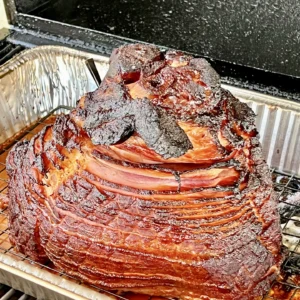
Apart from temperature, visual cues can help too. Look for a golden-brown crust on the surface. The juices should run clear, not pink. The ham should feel firm, yet slightly springy. If it tears easily under a fork, it’s done. These signs confirm that the ham is perfectly grilled.
Serving Suggestions
Serving a grilled ham is more than just placing it on the table. How you serve it can elevate the whole meal and impress your guests. Thoughtful serving suggestions make your grilled ham experience memorable and delicious.
Resting The Ham
After grilling, let your ham rest for at least 10 to 15 minutes. This allows the juices to redistribute, making every slice juicy and tender.
If you cut into it too soon, the juices will run out, leaving the meat dry. Cover the ham loosely with foil to keep it warm while resting.
Pairing With Side Dishes
Think about balance when choosing sides. Ham has a rich, salty flavor that pairs well with sweet and fresh dishes.
- Sweet sides:Try glazed carrots, pineapple rings, or a honey-baked sweet potato.
- Fresh sides:Serve with a crisp green salad or coleslaw to add crunch and brightness.
- Starches:Mashed potatoes or buttered corn on the cob offer comforting textures.
Have you considered adding a tangy mustard sauce or a fruity chutney? These can cut through the richness and bring new flavors to your plate.
Troubleshooting Common Issues
Grilling a ham on a gas grill can bring delicious results, but some common issues might occur. Knowing how to fix these problems helps keep the ham juicy and tasty. Troubleshooting makes the grilling process smoother and more enjoyable.
Avoiding Dryness
Dry ham is a common problem during grilling. Keep the grill temperature low to cook the ham evenly. High heat dries the meat quickly.
Use a water pan inside the grill to add moisture. Baste the ham with a glaze or marinade to keep it moist. Let the ham rest after grilling to keep juices inside.
Handling Flare-ups
Flare-ups happen when fat drips on the grill flames. They can burn the ham and create bitter flavors.
- Move the ham away from direct flames if flare-ups occur.
- Close the grill lid to reduce oxygen and control flames.
- Keep a spray bottle of water nearby to quickly calm small flare-ups.
Trim excess fat from the ham before grilling to reduce flare-ups. Keep an eye on the grill to react fast and protect the ham.
Frequently Asked Questions
How Long Does It Take To Grill A Ham On Gas?
Grilling a ham on a gas grill takes about 1 to 1. 5 hours. Cook it over indirect heat at 325°F. Use a meat thermometer to ensure it reaches 140°F internally for safe, juicy results.
Should I Glaze Ham Before Or After Grilling?
Apply glaze during the last 15-20 minutes of grilling. This prevents burning and allows the glaze to caramelize nicely. Reapply glaze every 5 minutes for a flavorful, glossy finish on your grilled ham.
Can I Grill A Frozen Ham On A Gas Grill?
It’s best to thaw ham completely before grilling. Grilling frozen ham leads to uneven cooking and dry spots. Thaw in the refrigerator for 24-48 hours for optimal texture and flavor.
What Grill Settings Are Best For Cooking Ham?
Use medium-low heat, around 275-325°F, on indirect heat. This allows the ham to cook evenly without drying out. Avoid direct flames to prevent burning the surface while heating through.
Conclusion
Grilling a ham on a gas grill brings great flavor and fun to any meal. Keep the heat steady and watch the ham closely. Use a meat thermometer to check for the right temperature. Let the ham rest before slicing to keep it juicy.
Serve with your favorite sides for a tasty meal. With these simple steps, grilling ham becomes easy and enjoyable. Try it soon and enjoy the delicious results with family or friends.