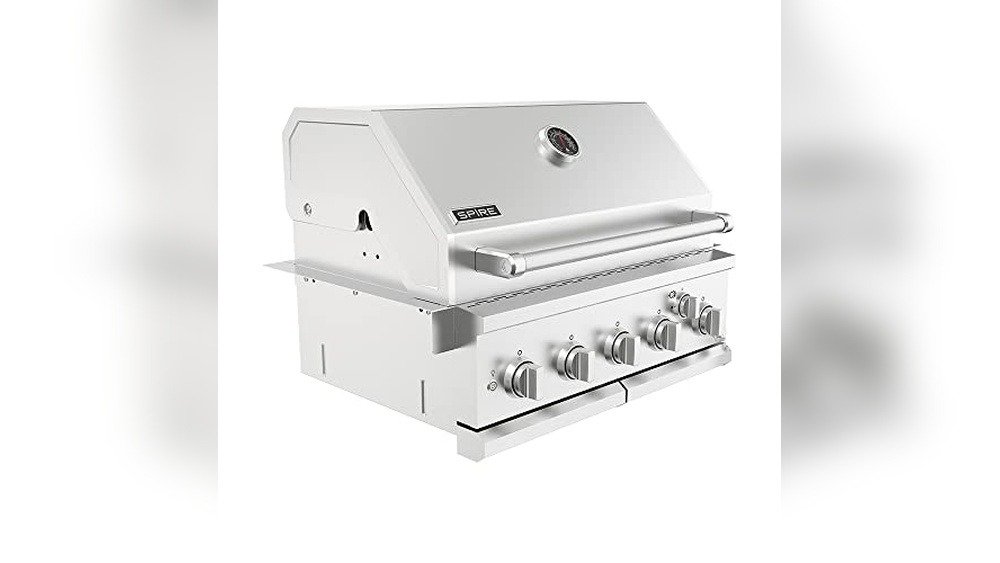
Grilling bratwurst on a gas grill might seem simple, but getting that perfect juicy bite with crispy skin takes a little know-how. If you want your bratwurst to be tender, flavorful, and cooked just right every time, this guide is made for you.
Keep reading, and you’ll discover easy steps and insider tips that will make your next cookout a hit. Ready to become the grill master your friends will talk about? Let’s fire up that gas grill and get started!
Choosing The Right Bratwurst
Choosing the right bratwurst is key for a great grilling experience. The flavor, texture, and cooking time depend on the type of bratwurst you select. Picking the best one ensures a juicy and tasty meal on your gas grill.
Types Of Bratwurst
Bratwursts come in many varieties. The main types include:
- Traditional German Bratwurst:Made with pork, veal, or beef. It has a mild, savory taste.
- Beer Bratwurst:Flavored with beer for a richer taste. Great for grilling.
- Cheese Bratwurst:Filled with cheese inside. Melts during grilling for extra flavor.
- Spicy Bratwurst:Includes spices like pepper or chili. Adds a kick to your meal.
Choose the type that suits your flavor preference. Each has a unique taste and texture.
Fresh Vs. Pre-cooked
Bratwurst comes fresh or pre-cooked. Fresh bratwurst needs thorough cooking on the grill. It offers a juicy and tender bite.
Pre-cooked bratwurst is already cooked and only needs warming. It grills faster and is easier to handle.
Fresh bratwurst allows more control over cooking and flavor. Pre-cooked is convenient for quick meals.
Pick fresh for a classic grilling experience. Choose pre-cooked for ease and speed.

Preparing The Grill
Preparing your gas grill properly sets the foundation for perfectly grilled bratwurst. Skipping these crucial steps can lead to uneven cooking or even flare-ups that spoil the flavor. Getting your grill ready not only protects the food but also extends the life of your grill itself.
Cleaning And Preheating
Start by cleaning your grill grates thoroughly. Old residue can cause sticking and impart unwanted flavors to your bratwurst. Use a grill brush to scrape off any leftover bits while the grill is still slightly warm.
Once cleaned, preheat the grill for about 10-15 minutes. Preheating ensures the grates reach the right temperature, which helps create those desirable grill marks and prevents the sausages from sticking. Have you noticed how a cold grill always makes your food stick? This step fixes that problem.
Setting The Temperature
Set your gas grill to medium heat, usually around 350°F (175°C). This temperature is ideal because it cooks the bratwurst evenly without burning the outside. Too hot, and you risk a burnt shell with a raw interior; too low, and the sausages might dry out.
Many gas grills have multiple burners. Turn on one burner for direct heat and leave the other off for indirect heat. This setup lets you start the bratwurst on the hot side for searing and then move them to the cooler side to finish cooking through. Have you tried this two-zone method before? It’s a game-changer for grilling sausages perfectly every time.
Prepping The Bratwurst
Getting your bratwurst ready before it hits the gas grill is more than just a quick rinse. How you prep can change the flavor, texture, and even how juicy your brat turns out. Let’s dive into two key choices you’ll face: whether to prick the casing and how to boost flavor through marinating or seasoning.
Pricking Or Not Pricking
You might wonder if poking holes in your bratwurst is a must. Some say pricking helps prevent the sausage from bursting on the grill. But here’s the catch: pricking lets the flavorful juices escape, which can dry out your brat.
Try grilling one brat pricked and another unpricked side by side. You’ll likely notice the unpricked one stays juicier. So, unless you’re worried about flare-ups from fat dripping, skip pricking to keep your brat moist and full of flavor.
Marinating And Seasoning
Brats already come packed with spices, but adding your own twist can elevate your grilling game. Marinating isn’t common, but it can add a fresh layer of flavor if done right.
- Use a simple marinade with beer, garlic, and onions for a classic taste.
- Try a splash of apple cider vinegar and brown sugar for a sweet and tangy kick.
- If you prefer seasoning, rub your brats lightly with smoked paprika, black pepper, or mustard powder before grilling.
Remember, don’t overpower the brat’s natural flavor. A light hand with seasoning or a short marinating time (about 30 minutes) works best. What flavor twist will you try first?

Grilling Techniques
Grilling bratwurst on a gas grill demands attention to technique to get that perfect balance of juicy inside and crispy outside. Understanding how to use your grill’s heat zones and knowing when to turn the sausages can make a huge difference. Let’s break down the key grilling techniques that help you master bratwurst grilling every time.
Direct Vs. Indirect Heat
Direct heat means placing your bratwurst right over the flame. It’s great for quick searing but can easily burn the outside before the inside cooks through.
Indirect heat uses a cooler part of the grill, away from the flame. This method lets the bratwurst cook slowly and evenly, preventing flare-ups and giving you juicy results.
Try starting with indirect heat to cook the bratwurst through, then finish with a quick sear on direct heat for that crispy skin. Have you noticed how this combo keeps the brat juicy without charring?
Turning And Timing
Turning your bratwurst too often can stop it from browning properly. Aim to turn it every 3-4 minutes, letting each side get a nice color.
Keep an eye on the grill and use a timer to avoid guessing. Most bratwursts take around 15-20 minutes total on medium heat.
Using a meat thermometer helps too—look for an internal temperature of 160°F (71°C). How do you usually check if your bratwurst is done?
Checking For Doneness
Ensure bratwursts are cooked evenly by checking for doneness. A meat thermometer should read 160°F. If necessary, cut one open to verify that juices run clear and the interior is no longer pink.
Grilling bratwurst to perfection involves more than just flipping them over the flames. Ensuring they are cooked just right can elevate your grilling game. Checking for doneness isn't just about time; it's about understanding the cues that indicate your bratwurst is ready to serve. You want them juicy and flavorful, not undercooked or dried out. Let’s delve into the specifics.
Internal Temperature Guide
Using a meat thermometer is your best bet. Insert it into the thickest part of the bratwurst. Aim for an internal temperature of 160°F (71°C). This ensures they're safe to eat and bursting with flavor. Consistently checking the temperature might feel tedious, but it’s a surefire way to avoid guesswork. Remember, patience is key. A few extra minutes of checking can be the difference between a good bratwurst and a great one.
Visual And Texture Cues
Look for a golden-brown color on the outside. This is a sign of caramelization, which equals flavor. The juices should run clear when you pierce the bratwurst lightly. Feel the bratwurst with tongs; it should be firm but not hard. If it's too squishy, it might need more time. Have you ever cut into a bratwurst only to find it's still pink inside? This is where visual cues save the day. Always trust your eyes and your tools. Grilling might be an art, but it’s also a science. Paying attention to these cues can make all the difference. What are your favorite tricks to ensure perfectly grilled bratwurst?

Serving Suggestions
Serving your grilled bratwurst right can elevate the entire meal. The toppings and sides you choose make a big difference in flavor and enjoyment. Think about how you want to balance tastes and textures on your plate.
Classic Toppings
- Mustard:A sharp yellow or spicy brown mustard adds a tangy kick that cuts through the richness of the bratwurst.
- Sauerkraut:Its tangy, fermented flavor pairs perfectly with the savory sausage, adding a crunchy contrast.
- Grilled Onions:Sweet, caramelized onions bring out the brat’s natural flavors and add depth.
- Pickles:Dill or bread-and-butter pickles add a refreshing crunch and acidity.
- Cheese:A slice of Swiss or cheddar can melt over the brat, making every bite rich and creamy.
Have you ever tried a brat with tangy mustard and crunchy sauerkraut? That combination is a classic for a reason—it balances savory and sour perfectly.
Side Dishes To Pair
Picking the right sides can turn your bratwurst into a full feast. Consider textures and flavors that complement the sausage without overpowering it.
- Potato Salad:Creamy or vinegar-based potato salad offers a cool, smooth contrast to the hot, smoky brat.
- Baked Beans:Sweet and smoky beans add a hearty, comforting touch to your meal.
- Coleslaw:Crisp and tangy coleslaw refreshes the palate between bites.
- Soft Pretzel Buns:Swap regular buns for pretzel buns to add a chewy texture and a hint of saltiness.
- Grilled Vegetables:Zucchini, peppers, and asparagus bring color and a healthy balance to the plate.
What sides do you usually enjoy with your grilled bratwurst? Trying something new, like grilled veggies or a spicy slaw, might surprise you and enhance your meal.
Troubleshooting Common Issues
Grilling bratwurst on a gas grill can be straightforward, but a few common issues often trip up even seasoned grillers. Knowing how to tackle these problems will save you from frustrating moments and ensure your brats come out juicy and perfectly cooked every time. Let’s look at how to handle two frequent challenges: burst casings and dryness.
Avoiding Burst Casings
Nothing ruins a bratwurst like a burst casing that lets all the juices escape. This usually happens when the grill is too hot or the bratwurst cooks too quickly.
To keep casings intact, start by grilling the brats over medium heat rather than high. This slower cooking lets the sausage warm evenly without pressure building inside.
Pricking the brats is tempting but often causes more bursting. Instead, try gently simmering them in beer or water before grilling. This step helps cook the inside and reduces the risk of splitting on the grill.
Preventing Dryness
Dry bratwurst can turn your grilling effort into a disappointment. The key is balancing heat and timing so the sausage stays juicy without undercooking.
Keep the lid closed as much as possible to maintain steady heat and avoid flare-ups that can burn the outside while leaving the inside raw. Also, flip the brats frequently but gently to cook evenly.
Consider marinating your bratwurst or brushing them with a little oil to add moisture and flavor. Have you tried soaking them in beer? It infuses taste and helps keep the meat tender.
Frequently Asked Questions
How Long Should I Grill Bratwurst On A Gas Grill?
Grill bratwurst for 15-20 minutes on medium heat. Turn frequently for even cooking and a crisp exterior. Ensure the internal temperature reaches 160°F (71°C) for safety.
Should I Boil Bratwurst Before Grilling?
Boiling bratwurst before grilling is optional. It helps cook the sausage evenly and reduces grill time. Many prefer grilling directly for a smoky flavor and crispy skin.
What Gas Grill Temperature Is Best For Bratwurst?
Set your gas grill to medium heat, around 350°F (175°C). This temperature cooks bratwurst thoroughly without burning the skin, delivering juicy, tender sausages with a perfect char.
Can I Grill Bratwurst Without Piercing The Casing?
Avoid piercing bratwurst before grilling. Piercing releases juices, causing dryness and flare-ups. Keep the casing intact for juicy, flavorful sausages and a crispy outer layer.
Conclusion
Grilling bratwurst on a gas grill is simple and fun. Start with medium heat and cook evenly. Turn sausages often to avoid burning. Use a meat thermometer for perfect doneness. Serve hot with your favorite sides and sauces. Enjoy the juicy, flavorful bratwurst with family or friends.
Practice makes grilling easier each time. Now, you’re ready for your next cookout.