Your cutting board is one of the busiest tools in your kitchen, but it can quickly become stained and look worn out. Those stubborn marks from beet juice, tomato sauce, or turmeric don’t have to stay forever.
Imagine restoring your cutting board to a fresh, clean state with simple steps you can do right now. You’ll discover easy and effective ways to get stains out of your cutting board, so it looks great and stays safe for your food.
Ready to bring your cutting board back to life? Let’s dive in!

Credit: www.thekitchn.com
Causes Of Cutting Board Stains
Stains on your cutting board don’t just appear out of nowhere. They result from everyday use and the interaction between food and the board’s surface. Understanding what causes these stains can help you prevent them and keep your cutting board looking fresh for longer.
Common Stain Sources
Certain foods are notorious for leaving stubborn marks on cutting boards. Beets, turmeric, and berries have strong pigments that soak into the material quickly. Tomato sauce and red wine can also leave deep stains if not cleaned promptly.
Oils and juices from meats, especially raw chicken or beef, can discolor your board and even cause unpleasant odors. Acidic foods like lemon or vinegar might not stain as much but can wear down the surface, making it easier for stains to settle in later.
Have you ever noticed how cutting a bunch of carrots leaves an orange tint behind? That’s because natural plant dyes cling tightly to porous surfaces. The longer you wait to wash your board, the harder these stains become to remove.
Impact Of Different Materials
The type of cutting board you use plays a huge role in how stains affect it. Wooden boards absorb moisture and pigments more easily due to their porous nature. This means stains can sink deep into the grain, making them tougher to get out.
Plastic boards, on the other hand, are less absorbent but can develop surface scratches. These scratches trap food particles and stains, creating discoloration over time. Bamboo boards sit somewhere in between, being less porous than wood but still susceptible to some staining.
Think about your own cutting board: is it wood, plastic, or bamboo? Each needs a slightly different cleaning approach to combat stains effectively and keep it safe for food prep.
Quick Cleaning Tricks
Getting stains out of your cutting board doesn't have to be a chore that takes forever. Quick cleaning tricks can save you time and keep your board looking fresh after every use. These simple hacks use everyday items you likely already have in your kitchen.
Soap And Warm Water
Start with the basics: soap and warm water. Use a sponge or brush to scrub the stained areas gently but thoroughly. Warm water helps loosen food particles and oils that cause stains.
After scrubbing, rinse the board well and dry it immediately to prevent warping or bacteria growth. I've found that doing this right after cooking stops stains from setting in the first place. Have you ever noticed how a quick wash can dramatically reduce stubborn marks?
Salt And Lemon Scrub
For tougher stains, sprinkle coarse salt over the cutting board surface. Then, cut a lemon in half and use it to scrub the salt into the wood. The natural acidity of lemon brightens the board, while salt acts as a gentle abrasive.
This combo also deodorizes your cutting board, which is perfect if you're dealing with strong food smells. After scrubbing, rinse with warm water and dry thoroughly. Next time your board looks dull or smells funky, give this trick a try—it's surprisingly effective and natural.
Deep Cleaning Methods
Deep cleaning a cutting board removes tough stains and hidden bacteria. It helps keep the board safe and looking fresh. These methods use simple ingredients to clean deeply without damage.
Baking Soda Paste
Baking soda works well on stubborn stains. Mix baking soda with water to make a thick paste. Spread the paste over the stained areas. Let it sit for 10 to 15 minutes. Scrub gently with a soft brush or sponge. Rinse the board with warm water and dry it well.
Vinegar Soak
Vinegar kills germs and lifts stains naturally. Pour white vinegar over the board or soak a cloth in vinegar. Wipe or soak the stained areas for 5 to 10 minutes. Rinse the board with water after soaking. Dry the board completely before storing it.
Hydrogen Peroxide Treatment
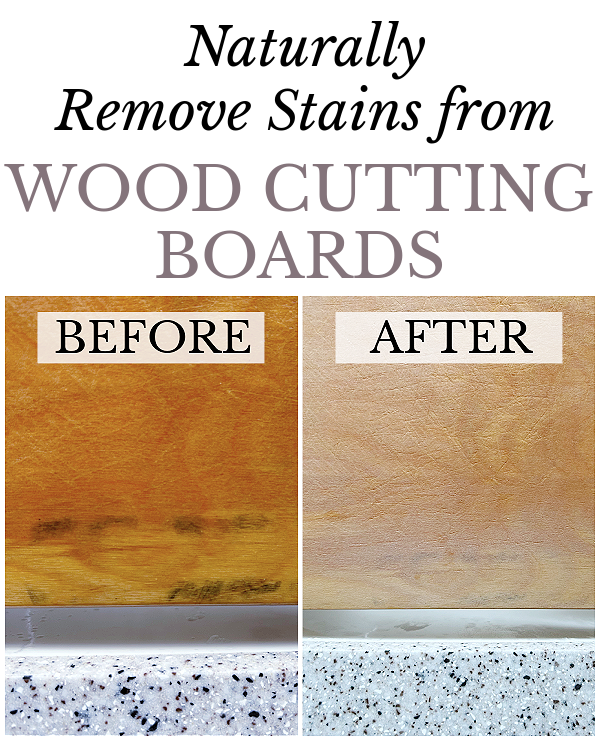
Hydrogen peroxide removes deep stains and disinfects. Pour 3% hydrogen peroxide on the board’s surface. Spread it evenly and let it sit for a few minutes. Rinse thoroughly with water and dry with a clean towel. Use this treatment carefully on wooden boards to avoid damage.
Credit: www.lemonslavenderandlaundry.com
Preventing Future Stains
Keeping your cutting board free from stains can be challenging. But with the right practices, you can maintain its appearance. By following simple steps, you can prevent future stains and ensure longevity.
Regular Maintenance
Clean your cutting board after each use. Use warm soapy water and a soft brush. This removes food particles that cause stains. For deeper cleaning, sprinkle baking soda. Scrub gently and rinse thoroughly. Regular cleaning helps in preventing stains.
Proper Drying Techniques
Always dry your cutting board immediately after washing. Use a clean towel to remove excess water. Stand it upright or place it on a rack. This ensures both sides dry properly. Proper drying prevents moisture buildup, which can lead to stains.
Choosing The Right Cutting Board
Choosing the right cutting board affects how easy it is to clean stains. Different materials react differently to stains. Picking a board that resists stains helps keep your kitchen tidy and safe. It also makes cleaning faster and less frustrating. Below, we compare common materials and highlight those that resist stains best.
Wood Vs Plastic
Wood cutting boards are popular and look nice in kitchens. They absorb liquids less but can trap food particles in cracks. Stains might stay longer if not cleaned quickly. Wood is gentle on knives but needs regular oiling to stay smooth.
Plastic boards are cheaper and dishwasher safe. They do not absorb liquids, so stains sit on the surface. Cleaning is easier with hot water and soap. Plastic can get deep cuts from knives, which may hold stains and germs.
Materials Resistant To Stains
- Bamboo: Hard and dense, bamboo resists water and stains well. It is eco-friendly and lasts long.
- Composite boards: Made from resin and wood fibers, these boards resist stains and scratches. They clean easily and stay smooth.
- Glass: Non-porous and stain-proof. Glass boards are easy to clean but can dull knives and break.
- Hardwood like maple: Tight grain reduces stain absorption. Maple is durable and easy to maintain.
Choosing a stain-resistant board saves time and keeps your kitchen cleaner. Consider how much you cook and what foods you prepare. This helps pick the best board for your needs.
Credit: www.thekitchn.com
Frequently Asked Questions
How Do I Remove Stubborn Stains From A Cutting Board?
Use a paste of baking soda and water to scrub the stains. Let it sit for 10 minutes, then rinse thoroughly with warm water.
Can Lemon And Salt Clean Cutting Board Stains?
Yes, sprinkle salt on the board, rub with lemon halves. Let it sit for 5 minutes, then rinse and dry.
Is Vinegar Effective For Cutting Board Stain Removal?
Vinegar is great for disinfecting and light stain removal. Spray or wipe the board with vinegar, then rinse and dry.
How To Prevent Stains On Wooden Cutting Boards?
Clean immediately after use, avoid prolonged exposure to liquids, and regularly oil the board to protect its surface.
Conclusion
Stains on cutting boards can be tough but not impossible to remove. Use natural ingredients like lemon and baking soda for best results. Scrub gently to avoid damaging the board’s surface. Clean regularly to keep your board fresh and safe.
Simple steps make your cutting board look new again. Keep your kitchen tools clean and ready for any meal. Stain removal takes little time but gives great results. Try these easy tips to maintain your cutting board today.