
Have you noticed stubborn stains ruining the look of your favorite wood cutting board? It can be frustrating when your trusted kitchen tool starts to look old and worn out.
But don’t worry—you don’t have to replace it or hide it away. You’ll discover simple, effective ways to get those tough stains out and bring your cutting board back to life. Keep reading to learn easy tricks that will save your board and keep your kitchen looking fresh.
Your cutting board deserves a second chance, and you’re just a few steps away from making it spotless again.
Common Causes Of Stains
Understanding what causes stains on your wood cutting board is the first step to keeping it looking fresh and clean. Stains don't just appear out of nowhere; they often come from everyday kitchen activities that you might not even realize are leaving marks. By knowing the common culprits, you can take better care of your board and prevent stubborn stains from setting in.
Food Pigments And Juices
Brightly colored foods like beets, berries, and turmeric are notorious for leaving stains on wood. When these foods sit on the board, their pigments soak into the porous surface. Have you ever noticed a red or yellow tint lingering after chopping? That’s the pigment seeping deep into the wood fibers.
Oils And Fats
Oils from meats, nuts, or cooking oils can penetrate the wood and create dark, greasy spots. These stains often feel sticky or slick and are harder to remove than surface stains. If you’ve ever wiped your board after cutting fatty foods and still noticed marks, it’s because the oil has settled inside the grain.
Moisture And Water Damage
Leaving your cutting board wet or soaking it in water can cause stains and warping. Water can react with the wood, leading to discoloration or even mold growth if not dried properly. Have you checked if your board looks darker in some spots after washing? That’s moisture getting trapped inside.
Improper Cleaning Techniques
Using harsh detergents or scrubbing with abrasive materials can damage the wood’s surface, making it more vulnerable to stains. Sometimes, cleaning methods meant to remove stains actually make them worse. Think about your last cleaning routine—did it involve any strong chemicals or rough scrubbing?
Cross-contamination From Raw Foods
Raw meat, fish, or vegetables can transfer not just bacteria but also color and juices that stain wood. If you use the same board without proper cleaning between uses, stains can build up over time. Do you rotate your boards or clean them thoroughly after each use?
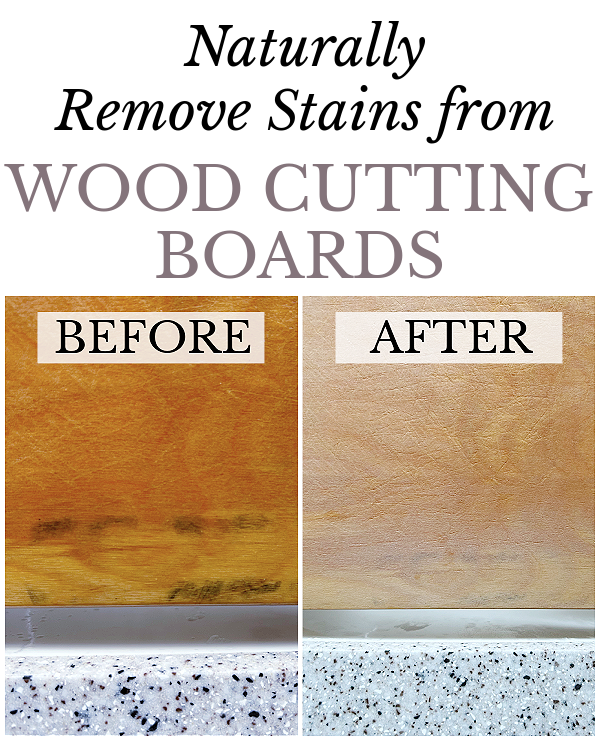
Credit: www.lemonslavenderandlaundry.com
Types Of Wood Cutting Boards
Wood cutting boards come in different types. Each type has unique features that affect stain removal. Knowing these types helps you clean and care for your board better.
Wood boards vary by grain, hardness, and how they are made. Some are softer and absorb stains easily. Others are dense and resist stains well. Choosing the right board can make cleaning easier.
End Grain Wood Cutting Boards
End grain boards show the wood fibers standing upright. They are softer on knives and self-healing. Stains can sit deep, but these boards often last longer.
Edge Grain Wood Cutting Boards
Edge grain boards show the wood fibers running lengthwise. They are smoother and less porous than end grain. Stains are easier to wipe off but may scratch more.
Face Grain Wood Cutting Boards
Face grain boards show the flat surface of the wood. They are the most common and affordable type. Stains can soak in faster because of the large surface area.
Hardwood Vs. Softwood Cutting Boards
| Type | Durability | Stain Resistance | Maintenance |
|---|---|---|---|
| Hardwood | High | Good | Regular oiling needed |
| Softwood | Low | Poor | Frequent cleaning required |
Immediate Actions For Fresh Stains
Blot the stain immediately with a paper towel to absorb excess liquid. Gently scrub with a mixture of baking soda and water, then rinse thoroughly. Dry the board with a clean cloth to prevent moisture damage.
When you spot a fresh stain on your wood cutting board, act swiftly. Immediate action can prevent stains from setting in and becoming permanent. Fresh stains are easier to handle with simple, accessible methods. Below are effective techniques to tackle those pesky marks quickly.
Blot The Stain Immediately
Use a clean, dry paper towel to blot the stain. Avoid rubbing, which spreads the stain further into the wood fibers. Blotting absorbs the liquid, preventing deep penetration.
Rinse With Warm Water
Run warm water over the stained area to dilute the mark. This step is essential for liquid-based stains like wine or juice. Ensure you rinse thoroughly but do not soak the board.
Apply Salt Or Baking Soda
Sprinkle salt or baking soda directly onto the stain. Both act as gentle abrasives, lifting fresh stains. Let it sit for a few minutes to absorb the stain.
Use A Lemon Slice
Rub a lemon slice over the stain. The acidity of lemon helps break down stubborn stains. This method also leaves a fresh scent.
Wipe With A Damp Cloth
Use a damp cloth to wipe away residue. Ensure the cloth is clean to avoid spreading further stains. This step helps remove any remaining particles.
Dry The Cutting Board
After cleaning, dry your cutting board immediately. Use a clean towel to absorb moisture. Drying prevents water damage and further staining. Acting swiftly and following these steps can save your cutting board from permanent stains.

Credit: homewithgraceandjoy.com
Natural Cleaning Methods
Natural cleaning methods offer a safe way to remove stains from wood cutting boards. These techniques use simple household ingredients. They help keep the wood healthy and fresh. Natural cleaners avoid harsh chemicals that may damage the wood.
Using natural ingredients also reduces odors and bacteria. The process is gentle yet effective. It restores the board’s appearance without wasting money on special products.
Using Lemon And Salt
Cut a lemon in half and sprinkle salt over the stained area. Rub the lemon on the board, pressing down firmly. The salt acts as a mild abrasive. It scrubs away stains and dirt. The lemon juice’s acidity breaks down stains and kills germs.
Let the lemon and salt sit for five minutes. Rinse the board with warm water. Dry it with a clean towel. This method brightens the wood and removes stubborn marks.
Baking Soda Paste
Mix baking soda with a little water to make a thick paste. Spread the paste over the stained spots. Let it rest for 15 minutes. Baking soda absorbs stains and neutralizes odors.
Scrub the paste gently using a soft brush or cloth. Rinse with warm water and dry thoroughly. This paste cleans deep stains without harming the wood’s surface.
Vinegar Application
Pour white vinegar onto a clean cloth. Wipe the stained areas with the cloth. Vinegar’s natural acidity helps break down tough stains. It also disinfects the cutting board.
Allow the vinegar to sit for a few minutes. Rinse the board with water and dry well. Vinegar refreshes the wood and removes lingering odors. Avoid soaking the board to prevent damage.
Commercial Cleaners And Solutions
Commercial cleaners and solutions offer an easy way to remove stains from wood cutting boards. These products are designed to break down stains and sanitize the surface. They save time and effort, especially for tough marks.
Some cleaners are made specifically for wood, ensuring the board stays safe and durable. Others use natural ingredients for gentle cleaning. Choosing the right product depends on the type and severity of the stain.
Choosing The Right Commercial Cleaner
Pick a cleaner that suits wood surfaces. Avoid harsh chemicals that can damage the board. Look for products labeled safe for cutting boards. Natural options often use enzymes or vinegar to lift stains.
How To Use Commercial Cleaners Safely
- Read the instructions before use.
- Apply the cleaner evenly on the stained area.
- Let it sit for the recommended time.
- Scrub gently with a soft brush or cloth.
- Rinse thoroughly with water.
- Dry the board completely to prevent warping.
Popular Commercial Solutions For Wood Cutting Boards
| Cleaner | Main Ingredients | Best For |
|---|---|---|
| Enzyme Cleaners | Natural enzymes | Organic stains like food residue |
| Oxygen Bleach | Sodium percarbonate | Whitening and brightening |
| Vinegar-Based Solutions | Acetic acid | Light stains and odor removal |
Precautions When Using Commercial Products
- Test the cleaner on a small spot first.
- Keep the board dry after cleaning.
- Store cleaners away from food areas.
- Use gloves to protect your hands.
- Never mix different cleaning chemicals.
Removing Deep Or Old Stains
Deep or old stains on your wood cutting board can feel like a lost cause. But with the right approach, you can restore your board’s natural beauty and hygiene. Tackling these stubborn stains requires a bit more effort, but the results are worth it.
Sanding Techniques
Sanding is a straightforward way to remove deep stains by gently scraping off the top layer of wood. Use fine-grit sandpaper (around 120 to 220 grit) to avoid damaging the board’s surface. Always sand in the direction of the wood grain to keep the texture smooth and even.
Start with light pressure and check your progress frequently. You don’t want to over-sand and make your board too thin or uneven. After sanding, wipe away dust with a damp cloth and let the board dry completely before use.
Have you noticed how sanding also helps refresh the wood’s natural color? It’s like giving your board a fresh start, not just removing stains.
Bleaching Options
Bleaching can brighten your cutting board and tackle stains that sanding might miss. A popular choice is using a diluted hydrogen peroxide solution—mix 3% hydrogen peroxide with water in equal parts. Apply it to the stained area, let it sit for a few minutes, then rinse thoroughly.
Another option is using a paste made from baking soda and water, which acts as a gentle bleach and deodorizer. Apply the paste, scrub lightly with a soft brush, and rinse well. Avoid using harsh chemical bleaches, as they can damage the wood and leave harmful residues.
Wondering how often you should bleach your board? Only use this method occasionally to prevent weakening the wood fibers. Keeping your board clean and dry after every use helps prevent deep stains from forming in the first place.
Preventing Future Stains
Preventing stains on your wood cutting board is easier than you might think. It starts with simple habits that protect the wood from absorbing unwanted colors and smells. Taking a few minutes to care for your board regularly can save you from scrubbing stubborn stains later on.
Proper Cleaning Habits
After every use, rinse your cutting board with warm water to remove food particles. Avoid soaking it or placing it in the dishwasher, as excessive water can warp or crack the wood.
Use a mild dish soap and a soft sponge to clean the surface gently. Harsh scrubbing can damage the wood fibers, making them more prone to stains.
Have you ever noticed how lemon juice can brighten your board? Rubbing half a lemon on the surface after cleaning helps neutralize odors and adds a natural layer of protection against stains.
Regular Oil Treatments
Applying food-safe mineral oil keeps your cutting board hydrated and less likely to absorb liquids that cause stains.
Make it a habit to oil your board once a week or whenever the wood looks dry. Just pour a small amount of oil and rub it in with a clean cloth, covering every inch evenly.
Think of oiling as a shield that fills the wood pores, preventing stains from settling in. Without this, your board becomes an open invitation for discoloration and cracks.

Credit: www.thekitchn.com
Maintaining Wood Cutting Board Longevity
Wood cutting boards bring warmth and charm to any kitchen. They also need care to last long and stay beautiful. Maintaining your wood cutting board helps stop stains, cracks, and warping. Simple daily habits can keep your board strong and clean for years.
Proper care improves hygiene and keeps your board safe for food prep. It also saves money by avoiding early replacement. Small steps make a big difference in wood cutting board longevity.
Cleaning After Each Use
Rinse the board with warm water right after use. Avoid soaking it in water to prevent swelling. Use a mild dish soap and a soft sponge to clean gently. Rinse well and dry with a clean towel. Leave the board standing to air dry fully.
Regular Oiling
Apply food-safe mineral oil once every few weeks. This keeps the wood from drying out and cracking. Use a clean cloth to rub oil evenly over the surface. Let it soak in for several hours or overnight. Wipe off any extra oil before using the board again.
Using Natural Deodorizers
Sprinkle coarse salt or baking soda on the board to remove odors. Rub it with half a lemon to freshen and clean stains. Let it sit for a few minutes. Rinse thoroughly and dry. This method brightens the wood without harsh chemicals.
Proper Storage
Store the board in a dry place away from direct sunlight. Avoid stacking heavy items on top to prevent warping. Stand the board on its edge for better air circulation. Good storage keeps the wood stable and prevents damage.
Frequently Asked Questions
How Do I Remove Stains From A Wood Cutting Board?
To remove stains, sprinkle coarse salt on the board. Rub it with a lemon half, then rinse with warm water. Dry thoroughly to prevent damage and odors.
Can Baking Soda Help Clean Wood Cutting Boards?
Yes, baking soda is effective. Make a paste with water and apply to stains. Scrub gently, rinse, and dry the board completely.
Is Vinegar Safe For Cleaning Wood Cutting Boards?
Yes, white vinegar disinfects and removes stains. Wipe the board with vinegar, let sit for a few minutes, then rinse and dry well.
How Often Should I Deep Clean My Wood Cutting Board?
Deep clean your board once a week or after heavy use. This keeps it stain-free, hygienic, and extends its lifespan.
Conclusion
Stains on wood cutting boards can be tough to remove. Using gentle cleaners and natural ingredients works best. Avoid harsh chemicals that damage the wood. Regular cleaning keeps your board fresh and safe. Dry the board well to stop mold growth.
Treat your cutting board with care every time. Clean boards last longer and look nicer. A little effort goes a long way in maintenance. Your kitchen will stay cleaner, and food safer too. Keep these tips handy for a spotless cutting board.


