Is your refrigerator giving off a musty, moldy smell that just won’t go away? That unpleasant odor can make you hesitate before opening the fridge, worrying about the freshness of your food.
But don’t worry—you’re not stuck with that smell. You can take simple, effective steps to get rid of the mold smell and keep your fridge fresh. You’ll discover easy tips and tricks that anyone can follow. Say goodbye to that stubborn odor and enjoy a clean, fresh-smelling refrigerator again! Keep reading to find out how.
Causes Of Mold Smell
Understanding the causes of mold smell in a refrigerator helps prevent and remove the odor effectively. Mold grows in places that provide food, moisture, and warmth. Your refrigerator can become a perfect spot for mold if these conditions exist. Identifying the main reasons behind the mold smell is the first step to a fresh fridge.
Common Mold Sources
Mold often starts from food left inside the refrigerator. Spoiled fruits, vegetables, and leftovers create mold spores. These spores spread quickly on shelves and containers. Sometimes, spills and stains go unnoticed and provide a breeding ground for mold. Even the fridge's rubber seals can trap dirt and moisture, inviting mold growth.
Moisture And Temperature Factors
Mold thrives in damp and warm environments. A refrigerator with high humidity encourages mold development. If the fridge door does not seal properly, warm air enters, raising moisture levels. Temperature fluctuations inside the fridge also allow mold to grow. Poor ventilation inside the refrigerator worsens moisture problems. Keeping the fridge dry and cool is key to stopping mold smells.

Credit: www.reddit.com
Preparing To Clean
Getting rid of mold smell in your refrigerator starts with proper preparation. This step is crucial to make the cleaning process effective and safe. Without clearing out and protecting yourself, you risk spreading mold spores or missing hidden spots.
Emptying The Refrigerator
Start by taking everything out of your fridge. Check each item carefully—throw away anything expired or suspicious. Moldy leftovers or spoiled food can keep the bad odor alive even after cleaning.
Place perishable items in a cooler with ice packs while you clean. This keeps your food safe and fresh. Cleaning an empty space also lets you reach every corner, shelf, and drawer without obstacles.
Safety Precautions
Mold can cause health issues, so protect yourself before you clean. Wear rubber gloves to avoid skin contact and a mask to prevent breathing in spores. If you have allergies or asthma, consider opening windows or using a fan for ventilation.
Use old towels or newspapers on the floor to catch drips and avoid slipping. Keep cleaning supplies within reach but away from children or pets. Taking these precautions helps you clean confidently and thoroughly.
Cleaning Solutions
Cleaning your refrigerator to remove mold smell requires the right solutions. Choosing effective cleaning products can make a big difference in how quickly and thoroughly you get rid of that stubborn odor. Whether you prefer natural ingredients or commercial options, using the right cleaner is key to freshening up your fridge.
Natural Remedies
Natural remedies are a safe and eco-friendly way to fight mold smell in your fridge. Simple ingredients like baking soda, white vinegar, and lemon juice can work wonders. Baking soda absorbs odors, while vinegar kills mold spores on contact.
Try mixing one cup of white vinegar with two cups of warm water. Use a sponge or cloth to wipe down all surfaces inside the fridge. Let it air dry with the door open for a few hours.
Lemon juice adds a fresh scent and has natural antibacterial properties. You can also place an open box of baking soda inside your fridge to keep odors at bay over time. Have you ever noticed how fresh your fridge feels after a good vinegar wipe?
Commercial Cleaners
If natural remedies don’t seem strong enough, commercial cleaners designed for mold and mildew can help. Look for products labeled safe for refrigerators and food-contact surfaces. These often contain ingredients that specifically target mold spores and odors.
Spray the cleaner on shelves, walls, and door seals, then scrub with a soft brush or cloth. Make sure to rinse thoroughly with clean water to avoid any chemical residue. Always read the instructions carefully to avoid damaging your appliance.
Many commercial options also offer antibacterial protection to keep your fridge smelling fresh longer. Have you checked if your local store carries a cleaner made for kitchen appliances? It might save you time and effort.

Credit: advanceappliance.com
Step-by-step Cleaning Process
Getting rid of mold smell in your refrigerator requires a thorough cleaning process. Each part needs attention to remove odor-causing mold effectively. Follow these cleaning steps carefully to restore freshness and hygiene.
Removing Shelves And Drawers
Start by unplugging the refrigerator for safety. Take out all shelves and drawers carefully. Check for visible mold spots or spills on these parts. Removing them allows deeper cleaning and better access to hidden areas.
Scrubbing And Wiping
Prepare a cleaning solution using warm water and mild soap or baking soda. Use a sponge or soft brush to scrub shelves, drawers, and interior walls. Focus on corners and seals where mold hides. Wipe surfaces thoroughly with a clean cloth to remove residue and mold particles.
Drying Techniques
Dry all cleaned parts completely before putting them back. Use a clean towel or let them air dry in a sunny spot. Moisture encourages mold growth, so ensure no dampness remains. Leave the refrigerator door open for a while to dry the interior fully.
Preventing Future Mold Growth
Keep the refrigerator dry and clean to stop mold from growing again. Regularly check for spoiled food and wipe spills immediately. Proper air circulation inside helps prevent dampness that causes mold smell.
Preventing the growth of mold in your refrigerator is crucial to maintain a fresh and healthy environment for your food. Mold loves damp, dark spaces and can quickly turn a clean fridge into a smelly mess. By taking proactive steps, you can keep your fridge mold-free and smelling fresh.
Proper Food Storage
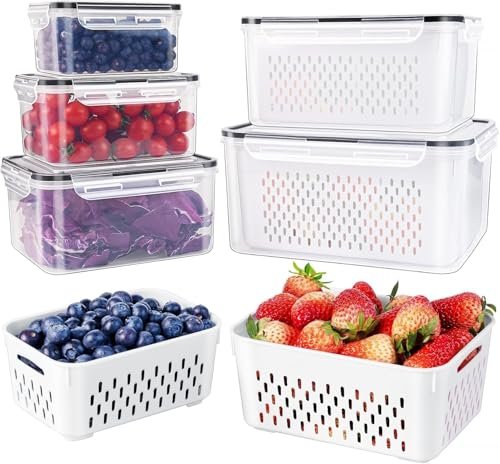
Ensure that all food is stored in airtight containers. This not only prevents mold spores from spreading but also keeps your food fresh for longer. Label your containers with dates to track how long each item has been in the fridge. Use transparent containers so you can see what’s inside without opening them. This helps you manage your fridge contents better and reduces the likelihood of forgotten, expired food. Consider storing fresh produce in breathable bags to prevent excess moisture, which can lead to mold.
Maintaining Refrigerator Temperature
Keep your fridge temperature at or below 40°F (4°C). Mold thrives in warmer temperatures, so maintaining a cold environment is essential. Check your fridge’s thermometer regularly to ensure it's functioning correctly. If your fridge doesn’t have a built-in thermometer, investing in a standalone one can be a wise decision. Remember, even a slight temperature change can make a big difference in mold growth. Have you noticed any warm spots in your fridge? It might be time to rearrange your food for better air circulation.
Regular Cleaning Schedule
Establish a routine cleaning schedule for your fridge. Wipe down shelves and drawers with a mixture of water and vinegar to prevent mold buildup. Vinegar is a natural mold inhibitor and a safe cleaning agent for your food storage areas. Incorporate a "fridge sweep" into your weekly cleaning routine. This doesn't have to be a deep clean every time, but a quick check for spills, spoiled food, and any signs of mold can go a long way. A clean fridge is not just about hygiene but also about peace of mind. Wouldn't you agree that opening a clean, odor-free fridge brings a little joy to your day?
Additional Deodorizing Tips
Sometimes, simply cleaning your refrigerator isn’t enough to fully erase that stubborn mold smell. Adding natural deodorizers can make a big difference in keeping your fridge smelling fresh. These extra tips use everyday items that absorb odors effectively, making your fridge a more pleasant place for your food.
Using Baking Soda
Baking soda is a classic choice for neutralizing odors. Place an open box or a small bowl of baking soda inside your fridge to absorb smells over time.
I once left a bowl of baking soda in my fridge for a week after a spill, and the musty smell vanished almost completely. Remember to replace the baking soda every one to three months for the best results.
Activated Charcoal
Activated charcoal works even better than baking soda at trapping odors. You can find it in small bags or loose form designed specifically for odor control.
Keep a pouch of activated charcoal in your fridge corner, and you’ll notice fresher air within days. It’s especially useful if you have persistent smells that baking soda can't fully handle.
Coffee Grounds
Fresh or used coffee grounds can also soak up unpleasant smells. Put dried grounds in a shallow container and leave it uncovered in the fridge.
The rich scent of coffee masks mold odors, while the grounds absorb them. Just make sure the grounds are dry to avoid adding moisture that could worsen mold issues.
Credit: www.lemon8-app.com
Frequently Asked Questions
How Do I Remove Mold Smell From My Refrigerator?
Clean all surfaces with a mixture of baking soda and water. Wipe shelves, walls, and seals thoroughly. Leave the door open to air out and prevent mold growth.
What Household Items Eliminate Fridge Mold Odors?
White vinegar, baking soda, and activated charcoal effectively absorb and neutralize mold smells. Use these items to clean and deodorize your refrigerator.
How Often Should I Clean My Fridge To Prevent Mold Smell?
Clean your refrigerator every 3 months to prevent mold and odors. Regular cleaning removes spills and stale food, stopping mold growth early.
Can Mold In The Fridge Affect Food Safety?
Yes, mold can contaminate food and cause health risks. Always discard moldy food and clean the fridge promptly to ensure food safety.
Conclusion
Removing mold smell from your fridge keeps food fresh and safe. Clean it often with simple ingredients like baking soda or vinegar. Dry all parts well to stop mold from coming back. Check for spoiled food regularly and throw it away quickly.
A fresh-smelling fridge makes your kitchen more pleasant. Small steps can make a big difference. Keep your fridge mold-free for a healthier home.