
If you’ve spotted mold on your wood cutting board, you know it’s not just ugly—it can be unsafe for your health. You might be wondering how to clean it without ruining your favorite kitchen tool.
The good news? Getting rid of mold on a wood cutting board is easier than you think. You’ll discover simple, effective steps to restore your board to a safe, fresh condition. Keep reading to protect your kitchen and enjoy cooking with confidence again.
Causes Of Mold On Wood Boards
Mold on wood cutting boards is a common problem. It often appears as dark spots or fuzzy patches. Understanding what causes mold helps prevent it. Mold grows where conditions are right, especially on wood. Wood can trap moisture and food particles, creating a perfect place for mold. Some common causes include moisture, poor cleaning, and bad storage.
Moisture And Humidity
Wood absorbs water easily. After washing, boards may stay wet inside. High humidity in kitchens adds to the moisture. Mold loves damp and warm places. Even small amounts of water can cause mold growth. Drying wood cutting boards completely is very important.
Improper Cleaning
Not cleaning wood boards well leaves food and dirt behind. These leftovers feed mold spores. Using only water without soap or sanitizer is not enough. Deep cleaning removes bacteria and mold spores. A clean board stops mold from growing.
Storage Conditions
Storing wood boards in closed, damp spaces causes mold. Poor air circulation keeps the board wet longer. Leaving boards stacked or inside plastic bags traps moisture. Ideal storage allows air to flow and keeps boards dry.
Credit: en.brilio.net
Signs Of Mold On Wood Boards
Recognizing the signs of mold on your wood cutting board early can save you from health risks and extend the life of your kitchen tool. Mold doesn't always show up as obvious black spots; it can be subtle and easy to miss. Knowing what to look for will help you act quickly before mold spreads or affects your food.
Visual Indicators
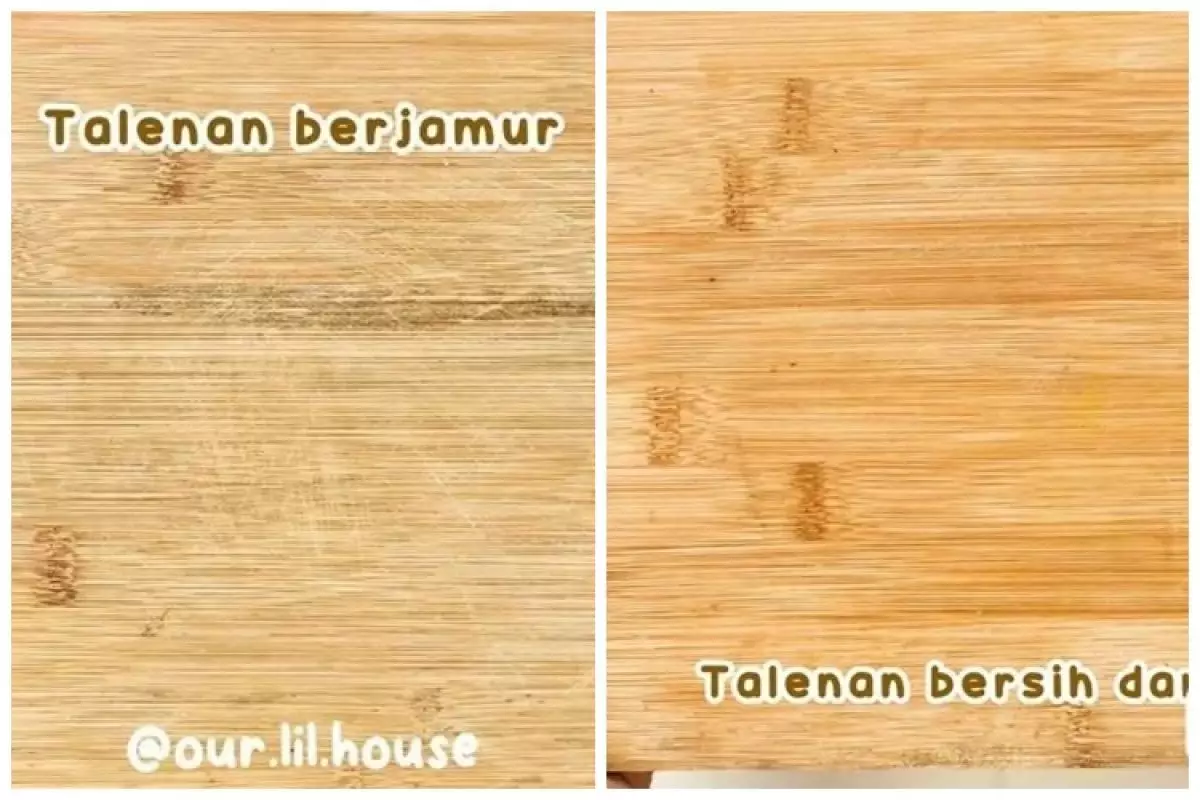
Look closely at your cutting board’s surface for any unusual spots or discolorations. Mold often appears as fuzzy patches in shades of white, green, black, or gray. Sometimes, it hides in the cracks or grooves where moisture collects, making it easy to overlook.
If you notice tiny specks or streaks that don’t wash away with normal cleaning, it’s a clear warning sign. Have you ever seen a spot that just won’t come off, no matter how hard you scrub? That could be mold settling in the wood fibers.
Odor Detection
Your nose can be a powerful tool in spotting mold. A musty or earthy smell lingering around your cutting board is a strong indicator mold might be growing beneath the surface. Even if you can’t see any visible mold, an unusual odor shouldn’t be ignored.
Sometimes, after washing and drying, the board still carries a strange smell. This persistent odor often means mold spores are trapped inside the wood, waiting for the right conditions to multiply.
Texture Changes
Pay attention to how your cutting board feels. Mold growth can cause the wood to become softer or spongy in certain areas. You might notice rough or slimy patches that feel different from the usual texture of your board.
Have you ever touched a spot on your board and felt it was unusually damp or rough despite thorough drying? These texture changes can hint at hidden mold problems that need immediate attention.
Safety Precautions Before Cleaning
Before you start scrubbing away mold on your wood cutting board, taking safety precautions is essential. Mold can release spores that may irritate your skin, eyes, or lungs. Protecting yourself ensures you clean effectively without risking your health.
Protective Gear
Wear gloves to keep mold spores off your skin. Rubber or latex gloves work well and are easy to clean afterward.
Consider a mask, especially if you have allergies or respiratory issues. A simple cloth mask can help reduce inhaling spores.
Eye protection is often overlooked but important. Goggles or safety glasses prevent mold particles from getting into your eyes during cleaning.
Ventilation Tips
Open windows and doors to let fresh air circulate in the cleaning area. Good airflow helps carry mold spores away from you.
If possible, use a fan to direct air outside. This reduces the concentration of airborne mold while you work.
Think about where you clean your board. Avoid small, enclosed spaces that trap spores. A well-ventilated kitchen or outdoor area is best.

Credit: en.brilio.net
Natural Cleaning Solutions
Natural cleaning solutions are safe and effective for removing mold from wood cutting boards. They use common household ingredients that kill mold without harsh chemicals. These methods also help keep your cutting board fresh and odor-free. Here are some easy and natural ways to clean mold using ingredients you probably already have at home.
Vinegar And Water Mix
Vinegar is a natural mold killer. Mix equal parts of white vinegar and water in a spray bottle. Spray the solution on the moldy areas of the cutting board. Let it sit for 10 minutes to break down the mold. Wipe the board with a clean cloth or sponge. Rinse with warm water and dry thoroughly to prevent mold from returning.
Lemon And Salt Scrub
Lemon’s acidity helps remove mold and stains. Cut a lemon in half and sprinkle coarse salt on the cut side. Use the lemon as a scrubber on the moldy spots. The salt acts like a gentle abrasive, scrubbing away mold. Let the juice sit on the board for 5 minutes. Rinse well and dry completely before storing.
Baking Soda Paste
Baking soda is a natural cleaner and deodorizer. Make a thick paste using baking soda and a little water. Apply the paste to the moldy areas on the cutting board. Use a soft brush or sponge to scrub gently. Leave the paste on for 15 minutes. Rinse with warm water and dry the board fully to stop mold growth.
Step-by-step Mold Removal Process
Removing mold from a wood cutting board requires care and patience. Follow a clear process to ensure the board is clean and safe. This step-by-step guide helps you remove mold effectively without damaging the wood.
Initial Cleaning
Start by wiping the board with a dry cloth to remove loose mold spores. Use a soft brush to scrub the surface gently. Avoid harsh scrubbing that might damage the wood. Clear away visible mold before applying any cleaning solution.
Applying Cleaning Agents
Choose a mild cleaning agent like white vinegar or baking soda paste. Vinegar kills most mold types and is safe for wood. Apply the solution evenly across the moldy areas. Let it sit for at least 10 minutes to work deeply. Use a soft brush to scrub the board again, focusing on mold spots.
Rinsing And Drying
Rinse the board with warm water to remove cleaning agents and mold residues. Do not soak the wood; quick rinsing is best. Dry the cutting board immediately with a clean towel. Place it upright in a well-ventilated area to air dry completely. Proper drying prevents mold from returning.
Preventing Mold Growth
Mold on wood cutting boards can be a real problem. It not only damages the board but also poses health risks. Preventing mold growth is easier than removing it. Simple habits keep your cutting board safe and clean. Focus on how you dry, maintain, and store your board.
Proper Drying Techniques
Drying your cutting board correctly stops mold growth. After washing, wipe it with a clean towel. Let it air dry standing up or on a rack. Avoid laying it flat, which traps moisture underneath. Do not put wooden boards in the dishwasher. High heat and water cause cracks and warping. A dry surface has less chance for mold to grow.
Regular Maintenance
Keep your cutting board in good shape with regular care. Clean the board after each use with mild soap and warm water. Use a scrub brush or sponge to remove food particles. Occasionally, rub the board with coarse salt and lemon. This helps kill bacteria and removes odors. Apply food-grade mineral oil once a month. It seals the wood and prevents moisture absorption. Well-maintained boards resist mold better.
Storage Best Practices
Store your wood cutting board in a dry place. Avoid dark, damp corners or closed cabinets without airflow. Use a vertical stand or rack to keep the board upright. This allows air to circulate around it. Keep it away from sinks and dishwashers. Proper storage keeps moisture low and mold away.
When To Replace Your Wood Cutting Board
Wood cutting boards are kitchen essentials. They offer durability and a natural surface for chopping. But over time, they can wear down. Knowing when to replace them is crucial. Mold and other damages can make them unsafe. Let's explore signs that indicate it's time for a new board.
Extensive Mold Damage
If mold covers large areas, it's time to replace the board. Mold can seep deep into the wood. This makes cleaning difficult and unsafe. Moldy boards can harbor bacteria. They pose health risks with continuous use. A new board is a better choice.
Deep Cracks And Warping
Deep cracks are a sign of wear. They can trap food particles and bacteria. This makes cleaning ineffective. Warping also compromises the board’s surface. It affects stability when chopping. Both issues suggest the board has reached its limit. Replacing it ensures safer cooking practices.
Credit: en.brilio.net
Frequently Asked Questions
How Do I Remove Mold From A Wood Cutting Board?
Clean the board with white vinegar or hydrogen peroxide. Scrub gently with a brush. Rinse well and dry immediately to prevent mold return.
Can Bleach Safely Clean Mold On Wood Cutting Boards?
Bleach can damage wood and isn’t recommended. Use natural cleaners like vinegar or baking soda instead. They are safer and effective.
How Often Should I Clean My Wood Cutting Board?
Clean your board after every use. Regular cleaning prevents mold and bacteria buildup. Dry completely to avoid moisture retention.
What’s The Best Way To Dry A Moldy Wood Cutting Board?
Air dry the board upright in a well-ventilated area. Avoid storing it flat or in damp places to stop mold growth.
Conclusion
Cleaning mold from wood cutting boards is simple and important. Act quickly to stop mold from spreading. Use natural cleaners like vinegar or baking soda for safety. Always dry the board well after washing to keep it mold-free. Regular care keeps your board safe for food.
Stay consistent with cleaning to avoid mold return. A clean cutting board means healthier cooking and better meals. Keep your kitchen safe and fresh with these easy steps.


