
Have you ever opened your water bottle only to find mold growing inside? It’s not just unpleasant—it can be harmful to your health.
Mold in your water bottle can cause bad smells, strange tastes, and even make you sick. But don’t worry, getting rid of it is easier than you think. You’ll discover simple and effective ways to clean your water bottle and keep it mold-free for good.
Keep reading to protect your health and enjoy fresh, clean water every time you take a sip.

Credit: www.youtube.com
Causes Of Mold On Water Bottles
Mold on water bottles can be a frustrating and unexpected problem. Understanding what causes mold to grow on your bottles is key to preventing it. Mold thrives in certain conditions that are often present inside or around your water bottle, especially if you're not cleaning it regularly.
Common Mold Growth Factors
Mold needs moisture, warmth, and a food source to grow. Water bottles often provide all three, especially if you leave water inside for long periods without cleaning.
- Moisture:Even a small amount of leftover water can create a damp environment ideal for mold.
- Warmth:Your bottle may sit in warm places like your car or gym bag, encouraging mold growth.
- Organic Residue:Residues from drinks like juice, milk, or smoothies provide food that mold feeds on.
- Poor Ventilation:Bottles with tight lids trap moisture and reduce airflow, making it easier for mold to flourish.
Have you ever noticed a weird smell or slimy texture inside your bottle? That’s often the first sign mold is starting to grow.
Types Of Water Bottles Prone To Mold
Not all water bottles are equally prone to mold. Some materials and designs make it easier for mold to develop.
| Type of Bottle | Why It’s Prone to Mold | Example |
|---|---|---|
| Plastic Bottles | Micro-scratches inside the bottle can trap moisture and bacteria. | Reusable sports bottles |
| Stainless Steel Bottles | Sealed lids with silicone gaskets can hold moisture if not cleaned properly. | Insulated travel bottles |
| Glass Bottles | Less prone but still vulnerable if caps or silicone seals aren’t cleaned. | Glass bottles with silicone sleeves |
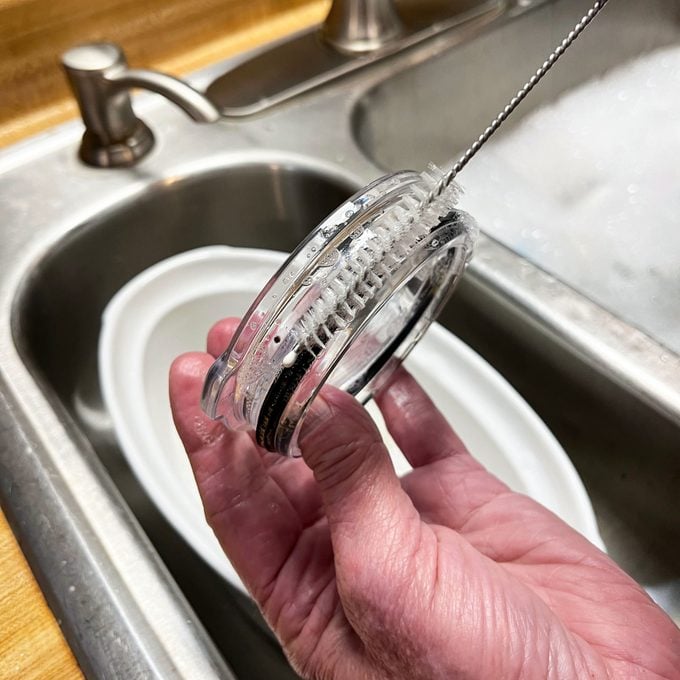
Have you checked the seals or lids on your bottle recently? Mold often hides in those small, hard-to-see places.
Credit: www.rd.com
Signs Of Mold In Water Bottles
Mold in water bottles often appears as black or green spots inside the bottle or on the cap. A musty smell or unusual taste can also signal mold growth. Regular cleaning helps prevent these signs from appearing.
Spotting mold in your water bottle can be unsettling, especially if you've been sipping from it daily. Recognizing the signs early can save you from potential health issues. Mold isn't always obvious, but there are clear indicators that you shouldn't ignore.
Visible Mold Indicators
Look closely at your bottle, particularly in the nooks and crannies of lids, caps, and straws. Black, green, or white spots are obvious signs of mold. I once found a tiny patch of green fuzz under the rim of my bottle cap, a spot I usually overlook during cleaning. Regularly inspecting these areas can prevent mold from spreading.
Unusual Smells And Taste
Have you ever taken a sip of water and noticed a musty or earthy taste? That's a red flag for mold presence. Even if your water looks clear, a sudden change in taste or smell is a warning sign. Trust your senses; if it smells or tastes off, it's time to clean your bottle thoroughly. By paying attention to these signs, you can ensure your water bottle stays clean and safe. What have you spotted in your bottle recently? It's worth a check before your next sip.
Safe Cleaning Methods
Safe cleaning methods are essential when dealing with mold on your water bottle. Using harsh chemicals or improper techniques can damage the bottle or leave harmful residues. Choosing the right approach helps you keep your bottle clean without risking your health or the bottle’s integrity.
Using Vinegar And Baking Soda
White vinegar is a natural mold killer and deodorizer. Pour a cup of vinegar into your bottle and let it sit for about an hour. After soaking, add a spoonful of baking soda, which will fizz and help scrub away stubborn mold spots.
Use a bottle brush to reach all the corners. Rinse thoroughly with warm water until no vinegar smell remains. This combo is gentle but effective, perfect for regular cleaning.
Bleach Solution For Tough Mold
If mold has taken a strong hold, a bleach solution can be necessary. Mix one teaspoon of bleach with a quart of water, then fill your bottle and let it soak for 5-10 minutes. Be sure to do this in a well-ventilated area to avoid inhaling fumes.
After soaking, scrub the inside with a bottle brush and rinse multiple times. Make sure no bleach smell lingers before using your bottle again. Have you ever noticed how bleach clears mold instantly but demands careful handling?
Natural Alternatives
If you prefer avoiding chemicals, tea tree oil or hydrogen peroxide are good natural options. Add a few drops of tea tree oil to warm water, fill your bottle, and let it sit for 30 minutes. Hydrogen peroxide works similarly and breaks down mold effectively.
After soaking, scrub and rinse well. These natural methods not only clean but also leave a fresh scent. What natural cleaning trick have you tried that surprised you with its effectiveness?

Credit: health.yahoo.com
Step-by-step Cleaning Process
Cleaning mold from a water bottle requires careful attention to each part. A thorough process removes all traces of mold and keeps your bottle safe for use. Follow these clear steps for the best results. Each stage plays a key role in making the bottle mold-free and fresh again.
Disassembling The Bottle
Take apart all removable pieces of the water bottle. Remove the lid, straw, seals, and any small parts. This step helps you reach hidden areas where mold grows. Check for cracks or damage that might trap mold. Keep all parts separate for a detailed clean.
Soaking And Scrubbing
Fill a basin with warm water and a mild soap or vinegar solution. Submerge all parts and soak for 15 to 30 minutes. Use a bottle brush or sponge to scrub every surface carefully. Pay close attention to corners and the inside of the lid. For tough mold, a baking soda paste can boost cleaning power.
Rinsing And Drying
Rinse each piece thoroughly under running water to remove soap and mold residues. Shake off excess water from the bottle and parts. Dry them completely using a clean towel or air dry in a warm place. Make sure all parts are fully dry before reassembling to prevent mold from returning.
Preventing Mold Regrowth
Preventing mold regrowth on your water bottle is just as important as removing it. Mold thrives in damp, dark places, so controlling moisture and cleanliness is key. Small changes in how you dry, clean, and store your bottle can make a big difference in keeping it mold-free.
Proper Drying Techniques
After washing your water bottle, make sure it dries completely before putting the cap back on. Leaving your bottle open upside down on a drying rack helps air circulate inside and speeds up drying.
Using a clean towel to wipe the inside can help, but avoid using cloths that may introduce new bacteria. Have you noticed how quickly mold appears if the bottle stays wet inside? That’s why drying well is essential.
Regular Cleaning Schedule
Set a routine to clean your water bottle every day or every other day, especially if you use it for drinks other than water. Mold can start growing within 24 to 48 hours if leftover moisture and residues remain.
Use warm water, soap, and a bottle brush to reach all corners. Adding a little vinegar or baking soda occasionally will help kill mold spores and keep odors away.
Storage Tips
Store your bottle in a dry, well-ventilated place rather than a closed bag or cupboard where moisture can build up. You might think keeping it sealed is safer, but trapped humidity invites mold.
Also, consider removing the cap when storing for long periods to allow airflow. Have you tried leaving your bottle open overnight? It can prevent that musty smell and stop mold before it starts.
When To Replace Your Water Bottle
Knowing when to replace your water bottle is key to staying healthy. Mold can hide in small cracks or deep inside the bottle. Some damage cannot be cleaned, making replacement necessary. Keeping a mold-free bottle means drinking safe and fresh water every time.
Signs Of Irreversible Mold Damage
- Persistent black or green spots inside the bottle
- Foul, musty smell that won’t go away
- Cracks or scratches where mold grows
- Discoloration that doesn't fade after cleaning
- Sticky or slimy feeling on the bottle surface
These signs show mold has deeply settled in the bottle. Washing will not remove mold completely. Using such bottles risks your health. Replace the bottle immediately if you notice these signs.
Choosing Mold-resistant Bottles
Pick bottles made of materials that resist mold growth. Stainless steel and glass bottles are good choices. They do not absorb moisture or odors. Look for bottles with wide mouths to clean easily. Bottles with smooth surfaces reduce mold buildup.
Avoid bottles with hard-to-clean parts like narrow spouts. BPA-free plastic bottles are safer but clean regularly. Replace bottles often to prevent mold risks.
Frequently Asked Questions
How To Clean Mold From Inside A Water Bottle?
Use a mixture of white vinegar and water to soak the bottle. Scrub with a bottle brush and rinse thoroughly. This method effectively removes mold and kills spores without harmful chemicals.
Can Baking Soda Remove Mold From Water Bottles?
Yes, baking soda combined with water forms a gentle abrasive cleaner. Scrub the bottle’s interior with this paste, then rinse well. Baking soda deodorizes and helps eliminate mold safely.
Is Bleach Safe To Use On Moldy Water Bottles?
Bleach can kill mold but use it cautiously. Dilute bleach with water, soak briefly, then rinse thoroughly. Avoid bleach on bottles with metal parts or if you plan to reuse frequently.
How Often Should I Clean My Water Bottle To Prevent Mold?
Clean your water bottle daily with soap and hot water. Regular cleaning prevents mold growth and keeps the bottle safe and fresh for use.
Conclusion
Mold on water bottles can cause health problems. Clean your bottle regularly to keep it safe. Use simple cleaning methods like vinegar or baking soda. Always dry your bottle completely after washing. Store your bottle in a dry place. Check your bottle often for any mold signs.
Taking small steps prevents mold buildup easily. Keep your drinking water clean and fresh. A clean bottle means better health every day. Stay mindful and make cleaning a habit.


