
Have you ever noticed a strange smell or spots inside your water bottle? That’s mold growing, and it’s more common than you think.
Mold can be harmful to your health and ruin your bottle if you don’t act fast. But don’t worry—you can get rid of it quickly and easily. You’ll learn simple, effective steps to clean your water bottle and keep it fresh.
Keep reading to protect your health and enjoy every sip without worry.

Credit: health.yahoo.com
Causes Of Mold In Water Bottles
Mold in water bottles grows due to certain conditions. Understanding these causes helps prevent mold growth. Mold needs moisture, warmth, and a food source to thrive. Water bottles often provide these elements unintentionally. Knowing the sources of moisture and common mold types is essential. This knowledge helps maintain a clean and safe water bottle.
Sources Of Moisture
Moisture comes from leftover water inside the bottle. Even tiny drops can support mold growth. Bottles stored with the cap on trap humidity inside. Warm environments speed up mold development. Not drying the bottle completely before storage also causes moisture buildup. External moisture from wet hands or surfaces adds to the problem.
Common Mold Types
Several mold types grow in water bottles. Black mold is the most common and dangerous. It appears as dark spots or patches. White mold may look like powder or fuzz. Green mold sometimes forms in damp bottles. These molds can cause bad smells and health issues. Identifying the type helps decide the cleaning method.
How Mold Grows
Mold starts from spores in the air. Spores land on wet surfaces inside the bottle. They feed on organic matter like dirt or leftover liquids. Warmth and darkness speed up growth. Mold spreads quickly, forming colonies. Regular cleaning stops mold from getting a foothold. Drying the bottle fully removes moisture mold needs.
Signs Of Mold Contamination
Recognizing the signs of mold contamination in your water bottle is essential to protect your health and ensure you always drink clean water. Mold can grow quickly in damp, enclosed spaces, making water bottles a common hotspot. Knowing what to look for helps you act fast before mold affects your water quality or causes illness.
Visual Indicators
Check your water bottle closely for any unusual spots or discoloration. Mold often appears as fuzzy patches in colors like black, green, white, or even pink. These spots can form around the bottle’s cap, inside the lid, or at the bottom where water tends to collect.
Sometimes, the mold may look slimy or have a powdery texture. If you notice any residue that doesn’t wash away easily, it’s a clear warning sign. Even small specks or streaks should not be ignored—they can multiply quickly if left untreated.
Smell And Taste Changes
Have you ever taken a sip from your water bottle and noticed a strange, musty smell? Mold often changes the scent of water, giving it a stale or earthy odor. This smell is usually the first clue that something isn’t right.
Taste is another important factor. If your water tastes bitter, sour, or just off, your bottle could be harboring mold. Don’t ignore subtle changes—your nose and taste buds can alert you before visible mold appears.
Next time you use your water bottle, ask yourself: Does it look, smell, or taste different than usual? Trust your senses and inspect your bottle regularly to avoid mold contamination.
Safe Cleaning Materials
Choosing safe cleaning materials is key to removing mold from your water bottle. Harsh chemicals can damage the bottle or leave harmful residues. Safe materials clean effectively without risking your health or the environment. Use items that kill mold and are gentle on plastic or metal surfaces.
Household Cleaning Agents
Many common cleaning agents work well against mold. These are easy to find and safe if used correctly.
- White vinegar:A natural acid that kills mold and bacteria. Pour it into the bottle, let it sit, then rinse well.
- Baking soda:Acts as a mild abrasive and deodorizer. Mix with water to scrub the bottle’s interior.
- Dish soap:Removes dirt and helps break down mold. Use warm water and a brush for best results.
- Hydrogen peroxide:Kills mold spores effectively. Rinse thoroughly after use to avoid taste.
Natural Alternatives
Natural options provide safe mold removal with fewer chemicals. These are ideal for sensitive users or eco-friendly cleaning.
- Lemon juice:Contains citric acid that helps kill mold and leaves a fresh scent.
- Tea tree oil:A natural antifungal agent. Add a few drops to water and scrub the bottle.
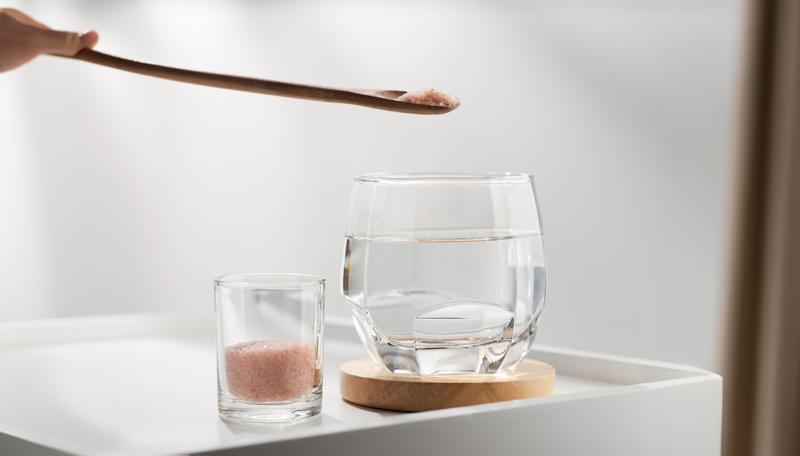
- Salt:A gentle abrasive that aids in scrubbing mold from hard-to-reach spots.
Credit: health.clevelandclinic.org
Step-by-step Cleaning Process
Removing mold from a water bottle ensures your health and safety. Follow these steps to clean your bottle effectively and keep it mold-free.
Empty And Rinse
First, pour out any liquid inside the bottle. Rinse it with warm water. This step helps in removing loose mold and residue.
Apply Cleaning Solution
Fill your bottle halfway with warm water. Add a few drops of dish soap or a tablespoon of baking soda. Vinegar is also a great alternative for stubborn mold.
Scrub Thoroughly
Use a bottle brush to scrub the inside. Focus on areas where mold tends to hide. The cap and threads need attention too. Ensure you scrub them well.
Rinse And Dry
Rinse the bottle thoroughly with clean water. Make sure no soap or residue remains. Leave the bottle to air dry completely before using it again.
Preventing Mold Regrowth
Preventing mold regrowth in a water bottle is key to keeping it safe and clean. Mold thrives in damp, dark places. Stopping moisture and dirt from staying inside the bottle helps a lot. Simple habits can make a big difference and keep your bottle fresh.
Proper Drying Techniques
Drying your bottle fully after washing is essential. Mold grows in wet spaces. Leave the bottle open and upside down on a clean rack. Let air flow freely inside. Use a clean towel to wipe the bottle’s mouth and cap. Avoid putting the bottle away if it feels damp.
Storage Tips
Store the bottle in a dry, cool place. Avoid dark or humid spots like inside bags or closed cabinets. Keep the cap off or loose if possible. This allows air to circulate and stops moisture build-up. Avoid storing the bottle with leftover drinks inside.
Regular Maintenance
Clean the bottle often, even if you don’t see mold. Use warm, soapy water and a bottle brush. Rinse well to remove soap residue. Disinfect weekly with a vinegar or baking soda solution. Check the bottle for any cracks or damage where mold can hide. Replace parts like caps or seals if needed.

Credit: www.youtube.com
When To Replace Your Water Bottle
Knowing when to replace your water bottle is key to keeping it safe and clean. Mold can sometimes be cleaned, but other times it causes damage that you just can’t fix. Recognizing the signs that your bottle needs to be replaced can save you from health risks and unpleasant tastes.
Signs Of Irreversible Damage
Check your bottle carefully for cracks, scratches, or discoloration inside. These tiny damages can hide mold and bacteria that won’t come out with regular cleaning. If you notice a persistent musty smell, even after washing, it’s a strong signal the bottle is compromised.
Have you ever tried scrubbing a bottle only to find the mold returns? That’s a sign the damage is deeper than the surface. In these cases, replacing the bottle is the safest choice.
Choosing Mold-resistant Bottles
Picking a water bottle made from mold-resistant materials reduces the risk of future mold growth. Look for bottles made of stainless steel or BPA-free plastics with smooth surfaces. These materials don’t trap moisture or bacteria as easily as some others.
Consider bottles with wide mouths, which make cleaning easier. Some brands even offer bottles with antimicrobial coatings. Investing in these features can save you time and worry.
Frequently Asked Questions
How Do I Remove Mold From A Water Bottle Safely?
Use a mixture of vinegar and water to soak the bottle. Scrub with a bottle brush, rinse thoroughly, and air dry. Avoid harsh chemicals to protect your bottle and health.
What Household Items Kill Mold In Water Bottles?
White vinegar, baking soda, and hydrogen peroxide are effective mold killers. These natural cleaners disinfect without harmful residues and are safe for daily use.
Can Boiling Water Eliminate Mold In Bottles?
Boiling water can kill mold but might not remove spores or stains. Combine boiling with scrubbing and disinfecting for complete mold removal.
How Often Should I Clean My Water Bottle To Prevent Mold?
Clean your bottle daily with soap and water. Deep clean weekly using vinegar or baking soda to prevent mold growth and maintain hygiene.
Conclusion
Keeping your water bottle clean stops mold from growing again. Clean it often with soap and warm water. Use a brush to reach every corner. Let the bottle dry completely before using. Store it in a dry place to avoid moisture.
Regular care helps keep your bottle safe and fresh. Small steps make a big difference. Stay healthy by drinking from a clean bottle every day. Simple habits protect your health and your bottle.


