Is your electric kettle leaving white, crusty stains that just won’t go away? Limescale buildup can affect the taste of your water and even shorten the life of your kettle.
But don’t worry—getting rid of limescale is easier than you think. You’ll discover simple, effective ways to clean your kettle and keep it working like new. Keep reading, and you’ll never have to deal with stubborn limescale again.
Credit: www.msn.com
Causes Of Limescale In Kettles
Limescale buildup in electric kettles is a common problem in many households. It affects the kettle's efficiency and can alter the taste of your water or tea. Understanding what causes limescale helps in preventing and removing it effectively. This section explores the basic reasons behind limescale formation in kettles.
What Is Limescale?
Limescale is a hard, chalky deposit that forms inside kettles. It appears as white or off-white crusty patches. This deposit mainly consists of calcium carbonate. It comes from minerals found in hard water. Limescale can build up quickly if the water has high mineral content.
Why Limescale Forms
Limescale forms when water heats up inside the kettle. Heating causes minerals like calcium and magnesium to separate from the water. These minerals stick to the kettle’s heating element and walls. Over time, this layer grows thicker and harder. Hard water areas have higher chances of limescale buildup.
Impact On Kettle Performance
Limescale reduces the kettle’s heating efficiency. It acts as an insulator, making heating slower. This leads to higher electricity use. The kettle may also produce strange noises during boiling. Heavy buildup can damage the heating element. It can shorten the kettle’s lifespan and affect water taste.

Credit: www.reddit.com
Signs Of Limescale Build-up
Limescale buildup in your electric kettle can sneak up on you if you’re not paying attention. Recognizing the signs early helps you act quickly before it affects your kettle’s performance or the taste of your water. Here’s how you can spot limescale before it becomes a big problem.
Visual Indicators
One of the easiest ways to tell if limescale is forming is by looking inside your kettle. You might notice a white, chalky residue clinging to the bottom or sides. Sometimes it looks like a crust or flaky deposits, especially after boiling water several times.
Have you ever seen a cloudy film on your kettle’s heating element? That’s another clear sign. Regularly checking the inside can save you from more stubborn buildup later on.
Changes In Taste And Smell
Does your boiled water taste off or have a strange smell? Limescale can alter the flavor of your water, making it taste metallic or slightly bitter. This happens because minerals from the scale dissolve into the water.
If your tea or coffee doesn’t taste right even with fresh leaves or grounds, it might be time to inspect your kettle. Your senses are a powerful early warning system for limescale problems.
Longer Boiling Times
Have you noticed that your kettle takes longer to boil water than usual? Limescale buildup acts like an insulating layer on the heating element. This makes your kettle work harder and increases energy consumption.
Slower boiling times can also mean your kettle might overheat or wear out faster. Paying attention to how quickly your kettle heats water can help you catch limescale before it causes damage.
Natural Methods To Remove Limescale
Limescale buildup in your electric kettle can affect its performance and taste of your water. Luckily, you don’t need harsh chemicals to tackle this problem. Natural methods are effective, safe, and easy to apply with common household items.
Using Vinegar
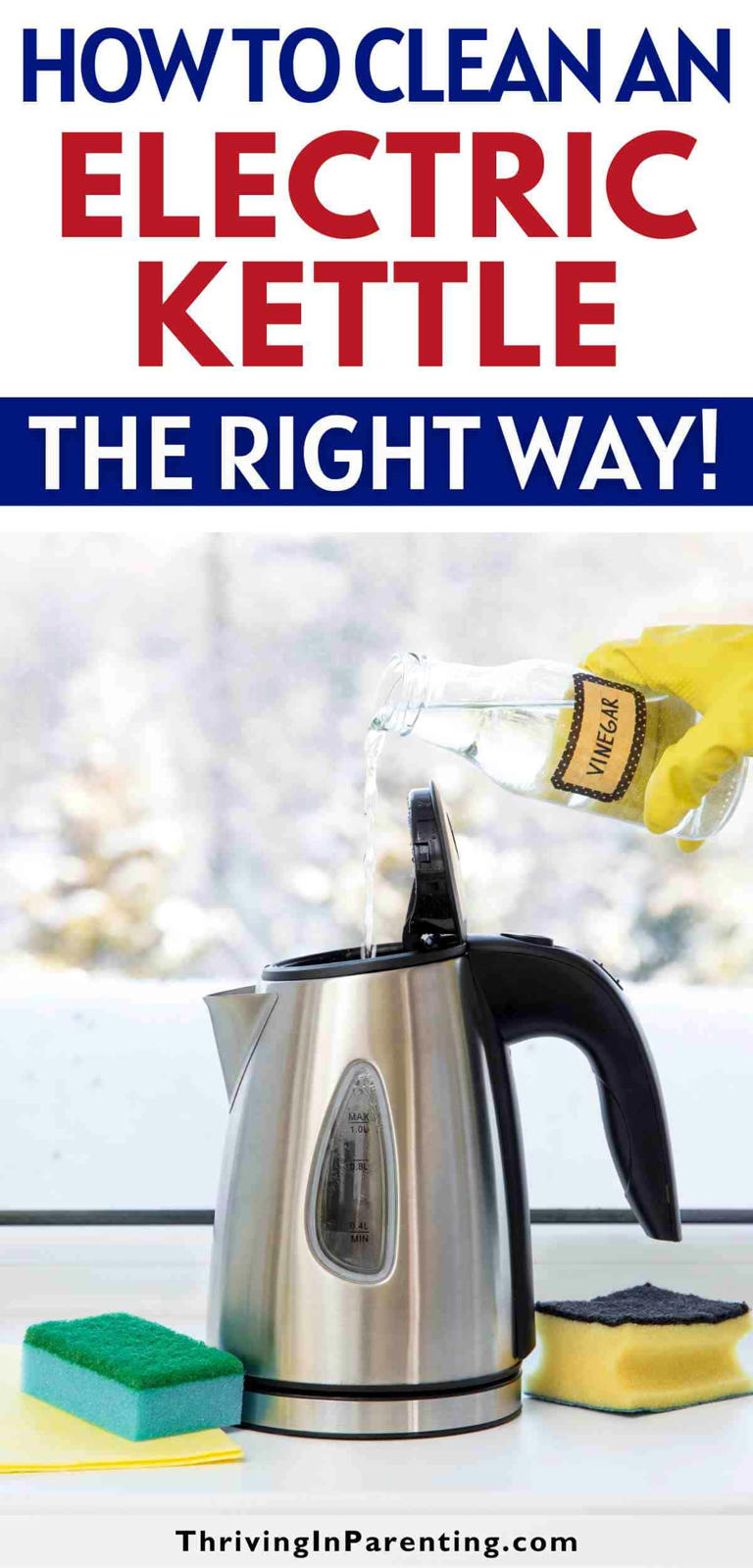
Vinegar is a powerful natural cleaner because its acidity dissolves limescale quickly. Add equal parts of water and white vinegar to your kettle, filling it halfway. Boil the mixture, then let it sit for 20-30 minutes before rinsing thoroughly.
Does the smell of vinegar put you off? Don’t worry, boiling helps reduce the odor, and multiple rinses will clear it completely. This simple trick has saved my kettle multiple times without any damage or residue.
Lemon Juice Solution
Lemon juice offers a fresh-smelling alternative to vinegar and works just as well. Squeeze fresh lemon juice or use bottled lemon juice and mix with water in a 1:1 ratio. Boil the solution in your kettle and let it sit for about an hour to break down the limescale.
Besides cleaning, lemon also leaves a pleasant citrus scent, making your kettle smell clean and inviting. Have you ever noticed how lemon juice can brighten other household items too? It’s a natural multitasker.
Baking Soda Technique
Baking soda is a gentle abrasive and mild alkali that helps remove mineral deposits. Mix 1-2 teaspoons of baking soda with water in your kettle and bring it to a boil. Let the solution cool down before scrubbing any remaining limescale with a soft brush or cloth.
This method is great if you prefer avoiding acids. Plus, baking soda is inexpensive and usually available in every kitchen. How often do you think your kettle needs this kind of deep clean? Regular maintenance keeps it running longer.
Commercial Descaling Products
Commercial descaling products offer a quick and effective way to remove limescale from electric kettles. These products are specially formulated to dissolve mineral deposits without damaging the appliance. Using them can restore your kettle’s heating efficiency and prolong its lifespan.
Most commercial descalers are easy to use and widely available. They often work faster than natural alternatives. Choosing the right product depends on your kettle type and personal preference.
Types Of Descalers
- Powder Descalers:Usually dissolved in water before use. They work well for heavy limescale.
- Liquid Descalers:Ready to use. Ideal for quick cleaning and light buildup.
- Tablet Descalers:Convenient and pre-measured. Often used in commercial settings.
How To Use Them Safely
- Read the instructions carefully on the product label.
- Use gloves to protect your hands from chemicals.
- Ensure good ventilation in the area while cleaning.
- Do not mix different descaling products together.
- Rinse the kettle thoroughly after descaling to remove residue.
Comparing Effectiveness
| Type | Speed | Ease of Use | Cost |
|---|---|---|---|
| Powder | Fast | Needs mixing | Affordable |
| Liquid | Very Fast | Ready to use | Moderate |
| Tablet | Fast | Very convenient | Higher |
Step-by-step Cleaning Process
Descale your electric kettle with vinegar and water. Fill halfway with equal parts vinegar and water, then boil. Let it sit for 20 minutes. Rinse thoroughly to remove any residue. Enjoy a limescale-free kettle, ensuring better-tasting hot drinks.
Cleaning an electric kettle from limescale is simple with a clear plan. With the right steps, your kettle will be spotless and efficient. Follow this easy guide to remove limescale effectively.
Preparing The Kettle
Start by unplugging the kettle from the power source. Ensure it is cool before beginning. Remove any excess water from the kettle. This helps you see the limescale buildup clearly. Have a clean workspace ready for the task.
Applying The Cleaning Solution
Fill the kettle halfway with equal parts water and white vinegar. Vinegar effectively breaks down limescale deposits. Turn on the kettle and let it boil the solution. Once boiled, let it sit for about 30 minutes. This helps dissolve stubborn limescale.
Rinsing And Drying
After soaking, pour out the vinegar solution. Rinse the kettle thoroughly with clean water. Ensure no vinegar smell remains. Wipe the interior with a soft cloth. Leave the lid open to air dry completely.

Credit: drwater.store
Preventing Future Limescale Build-up
Limescale build-up in your electric kettle can be frustrating, especially if you want to keep your appliance working efficiently and your drinks tasting great. Preventing future limescale means adopting a few simple habits that fit easily into your daily routine. These small changes not only extend the life of your kettle but also save you time and effort on cleaning.
Using Filtered Water
Tap water often contains minerals that cause limescale to form quickly. Using filtered water can significantly reduce these minerals, slowing down the build-up. If you don’t have a water filter, consider using bottled water or letting tap water sit for a few hours to allow some minerals to settle before boiling.
Think about the water you use every day—could switching to filtered water make a noticeable difference in your kettle’s cleanliness? Many people notice their kettles stay cleaner longer once they make this simple change.
Regular Maintenance Tips
Cleaning your kettle regularly is key to stopping limescale from piling up. Try wiping the inside after every few uses and descale it using vinegar or lemon juice every month. These natural cleaners are gentle but effective, removing mineral deposits before they become stubborn.
Set a reminder on your phone or calendar to keep up with this habit. You’ll find the kettle heats faster and your tea or coffee tastes better without that chalky residue. Have you ever waited too long and had to deal with a tough limescale layer? Avoid that hassle by acting early.
Proper Kettle Storage
How you store your kettle also affects limescale build-up. Always empty your kettle after use to prevent water from sitting inside and encouraging mineral deposits. Leaving the lid open when not in use allows moisture to evaporate, reducing dampness that can promote scale formation.
Try to keep your kettle in a dry place rather than near the sink or stove where steam and moisture are high. These small storage habits can make a big difference over time in keeping your kettle clean and limescale-free.
When To Replace Your Kettle
Knowing when to replace your electric kettle is just as important as keeping it clean. Limescale buildup can affect its performance, but there comes a point when cleaning isn't enough. Recognizing the signs that your kettle needs replacing can save you from inefficiency and potential hazards.
Signs Of Irreversible Damage
Check your kettle regularly for visible damage. If the heating element is heavily coated with limescale that won’t come off despite thorough cleaning, it may be time to replace it.
Other warning signs include:
- Strange noises during boiling, like popping or crackling sounds
- Water not heating evenly or taking much longer than usual
- Leaks or cracks in the kettle body
- Unpleasant odors or discoloration inside the kettle
If you notice any of these issues, continuing to use the kettle could be unsafe or inefficient. Don’t ignore these signals, as a failing kettle can affect your daily routine and even your health.
Choosing A Limescale-resistant Model
When it’s time to buy a new kettle, consider models designed to minimize limescale buildup. Some kettles come with built-in water filters or use materials less prone to scale, like stainless steel instead of plastic.
Look for features such as:
- Removable and washable limescale filters
- Flat heating elements, which are easier to clean
- Boil-dry protection and automatic shutoff to extend kettle life
Choosing the right model can reduce how often you need to descale and improve your kettle’s longevity. Have you checked the specs of your next kettle to see how it handles limescale?
Frequently Asked Questions
How Do I Remove Limescale From My Electric Kettle?
To remove limescale, fill the kettle with equal parts water and white vinegar. Boil, then let it sit for an hour. Rinse thoroughly to remove residue. Repeat if necessary for stubborn buildup.
Can Lemon Help Clean Limescale In Kettles?
Yes, lemon is a natural descaler. Boil water with lemon slices or lemon juice in the kettle. Let it cool, then rinse well. It removes limescale and leaves a fresh scent.
How Often Should I Descale My Electric Kettle?
Descale your kettle every 1-3 months depending on water hardness. Frequent descaling prevents buildup and maintains kettle efficiency. Regular cleaning prolongs the appliance’s life and ensures safe drinking water.
Is It Safe To Drink Water After Descaling?
Yes, after thorough rinsing, the water is safe to drink. Always boil fresh water once or twice to remove any residual cleaning agents or flavors before use.
Conclusion
Removing limescale from your electric kettle keeps it working well. Regular cleaning stops buildup and saves energy. Use common household items like vinegar or lemon juice. Rinse thoroughly after cleaning to avoid taste changes. Clean your kettle every few weeks for best results.
Clear water means better tea and coffee. Taking small steps makes a big difference. Keep your kettle fresh and enjoy hot drinks daily. Simple care leads to longer kettle life. Easy to do, and worth the effort.