Have you ever sliced onions on your wooden cutting board and noticed that stubborn smell just won’t go away? That lingering onion odor can make your kitchen feel less fresh and even affect the taste of other foods you prepare.
But don’t worry—getting rid of that smell is easier than you think. You’ll discover simple, effective ways to freshen up your wooden cutting board and keep it smelling clean. Keep reading, and you’ll never have to worry about onion smell ruining your cooking experience again!
Causes Of Onion Odor On Wood Boards
Onion odor on wood cutting boards is a common problem in many kitchens. The smell often lingers long after washing. Understanding why this happens helps remove the smell effectively.
Wood is porous, which means it has tiny holes and fibers. These pores absorb liquids and odors easily. When you cut onions, their strong juices soak into the wood. The sulfur compounds in onions cause the distinct sharp smell.
These compounds stick inside the wood fibers. Simple rinsing does not always get rid of them. The longer the onion juice stays on the board, the deeper it penetrates. This makes the odor harder to remove over time.
Porous Nature Of Wood
Wood's tiny pores trap onion juices and smells quickly. Unlike plastic, wood absorbs liquids deeply. This leads to odor retention.
Sulfur Compounds In Onions
Onions contain sulfur compounds that release strong smells. These compounds are oily and cling to wood fibers. They cause the familiar onion scent.
Inadequate Cleaning
Quick rinsing with water does not remove onion oils. Soap and water may not reach deep into the wood. This leaves odor-causing residue behind.
Moisture Retention
Wood holds moisture after washing. Damp wood creates a place for odors to stay. This also encourages bacteria growth, worsening the smell.
Immediate Cleaning Steps
Getting onion smell off your wood cutting board starts the moment you finish chopping. Acting quickly is key because the longer the odor sits, the harder it becomes to remove. Immediate cleaning steps can save your board from lingering smells and keep it fresh for your next use.
Rinsing With Cold Water
Right after you finish cutting onions, rinse your cutting board with cold water. Cold water helps wash away onion particles without opening the wood's pores further, which warm or hot water might do. This stops the smell from soaking deeper into the wood fibers.
Hold the board under a running tap or use a bowl to pour cold water over it. Avoid soaking it for too long, as wood can absorb water and warp. Quick and thorough rinsing gets rid of surface residue that holds the strong onion scent.
Using Mild Soap
After rinsing, apply a few drops of mild dish soap to the board. Use a soft sponge or cloth to scrub gently in circular motions. This breaks down oils and juices from the onion that stick to the wood and cause odor.
Make sure to clean both sides of the board, not just where you cut. Once scrubbed, rinse thoroughly with cold water to remove all soap. This simple step can make a big difference in reducing the smell immediately after use.
Natural Deodorizing Methods
Natural deodorizing methods work well to remove onion smells from wooden cutting boards. They use simple household items that are safe and effective. These methods clean the wood and absorb odors without harsh chemicals. Each technique helps freshen the board and keep it ready for your next meal.
Lemon Juice Application
Lemon juice has natural acidity that breaks down odor molecules. Cut a lemon in half and rub the cut side over the board. Let the juice sit for five to ten minutes. Rinse the board with warm water and dry it well. This freshens the wood and leaves a light citrus scent.
Baking Soda Scrub
Baking soda absorbs odors and lifts stains from the wood surface. Sprinkle baking soda evenly over the board. Use a damp cloth or sponge to scrub the board in small circles. Rinse thoroughly with warm water. Dry the board completely to prevent moisture damage.
Vinegar Rinse
White vinegar neutralizes strong smells and disinfects the board. Mix equal parts vinegar and water in a spray bottle. Spray the solution onto the board and let it sit for five minutes. Wipe with a clean cloth and rinse with water. Air dry the board before storing.

Credit: food52.com
Deep Cleaning Techniques
Removing onion smell from a wood cutting board often requires deep cleaning. Surface washing may not eliminate the odor completely. Deep cleaning helps remove trapped onion oils and bacteria inside the wood grain. It refreshes the board and keeps it safe for food use.
These deep cleaning techniques use natural and safe ingredients. They also help maintain the wood’s quality and prevent damage.
Salt And Lemon Scrub
Coarse salt works as a gentle abrasive to lift odors and stains. Lemon juice adds a natural disinfectant and fresh scent. Together, they break down onion oils embedded in the wood.
- Sprinkle a generous amount of coarse salt on the board.
- Cut a lemon in half and use it to scrub the salt into the surface.
- Apply firm pressure to reach deep into the wood grain.
- Let the mixture sit for 5 to 10 minutes to absorb odors.
- Rinse the board with warm water and dry it thoroughly.
This method brightens the wood and neutralizes strong smells effectively.
Hydrogen Peroxide Treatment
Hydrogen peroxide is a mild bleaching agent that kills bacteria and removes odors. It penetrates the wood to clean hidden residues causing the onion smell.
- Pour 3% hydrogen peroxide directly onto the board’s surface.
- Spread it evenly using a clean cloth or sponge.
- Allow it to sit for 10 to 15 minutes without rinsing.
- Wipe off excess peroxide with a damp cloth.
- Air dry the board completely before use.
This treatment refreshes the cutting board and helps keep it hygienic.
Preventing Future Odors
Rinse the board with lemon juice or vinegar after each use to neutralize odors. Dry it well to prevent moisture buildup. Regular oiling keeps the wood sealed and less likely to absorb smells.
Preventing lingering odors in your wood cutting board can save you from unwanted aroma surprises during your culinary adventures. A proactive approach not only keeps your board fresh but also extends its lifespan. Let's explore some practical steps to ensure your board stays odor-free.
Regular Maintenance Tips
Regular maintenance is key to preventing odors. After each use, wash your cutting board with warm, soapy water. This simple habit removes food particles and prevents odors from setting in. Consider using a mixture of vinegar and water for an extra layer of cleanliness. Vinegar acts as a natural disinfectant and helps neutralize odors. Remember to rinse thoroughly to avoid any vinegar scent lingering.
Proper Drying Practices
Proper drying is crucial in maintaining a fresh-smelling board. After washing, immediately towel-dry your cutting board. Leaving it wet can lead to mold growth, which contributes to unpleasant smells. Position your board upright or at an angle to ensure complete air circulation. This prevents moisture from getting trapped, which can cause odors to develop. How often do you check your drying habits? Incorporate these practices into your routine, and you'll notice a significant difference in how your cutting board smells. Maintaining a fresh board is easier than dealing with lingering odors.

Credit: food52.com
When To Replace Your Cutting Board
Knowing when to replace your wood cutting board is just as important as learning how to clean it. Over time, cutting boards can develop deep grooves and absorb strong odors, making them less safe and less pleasant to use. Ignoring these signs can lead to bacterial buildup and affect the taste of your food.
Signs Of Deep Cracks And Grooves
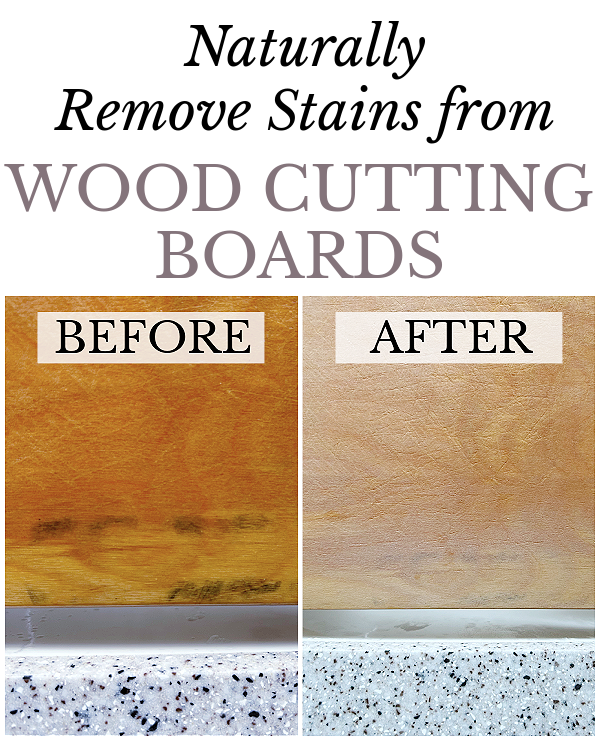
Small knife marks are normal, but deep cracks can trap bacteria and odors. If you notice your board has large grooves that don’t smooth out after sanding, it’s time to think about replacing it. These cracks can harbor onion smell and other strong odors that won’t go away no matter how much you clean.
Persistent Odors That Won't Fade
Have you tried all cleaning tricks and the onion smell still lingers? Wood is porous and can absorb strong scents over time. If your board smells like onions or other strong foods even after washing and deodorizing, it’s a clear sign that the odor has penetrated too deeply.
Warping And Splitting
Wood boards exposed to moisture often warp or split. A warped board won't sit flat on your countertop, making chopping unsafe. Splitting can expose raw wood surfaces that are difficult to clean, increasing the chance of bacteria growth.
When Hygiene Is At Risk
If your cutting board looks worn beyond cleaning or has visible mold spots, it’s time to replace it. Wood is natural but not invincible. Protect yourself and your family by prioritizing hygiene over saving an old board that might harbor harmful bacteria.
Credit: www.lemonslavenderandlaundry.com
Frequently Asked Questions
How To Remove Onion Smell From Wood Cutting Board?
Sprinkle coarse salt on the board, then rub with lemon halves. Let it sit for 5 minutes, rinse with warm water, and dry. This natural method neutralizes the onion odor effectively without damaging the wood.
Can Baking Soda Eliminate Onion Odor On Wood Boards?
Yes, baking soda absorbs and neutralizes strong smells. Make a paste with water, apply it to the board, leave for 15 minutes, then rinse and dry. This method is safe and helps maintain the board's freshness.
Why Does Wood Cutting Board Retain Onion Smell?
Wood is porous and absorbs odors from foods like onions. The smell gets trapped in tiny wood pores. Proper cleaning and deodorizing methods are necessary to remove these persistent odors.
Is Vinegar Effective For Removing Onion Smell On Wood Boards?
Yes, white vinegar is a natural deodorizer. Wipe the board with a vinegar-water solution, let it sit for 5 minutes, then rinse and dry. Vinegar helps eliminate odors and disinfects the surface safely.
Conclusion
Removing onion smell from a wood cutting board is simple. Use lemon, salt, or baking soda for best results. Clean the board right after use to stop odors. Let it dry well before storing to keep it fresh. Regular care keeps your board smelling clean and safe.
Try these easy steps and enjoy cooking without strong smells. Your kitchen will feel fresher every day. Give your cutting board the attention it needs. Small efforts bring big freshness.