You’ve just finished chopping onions, and now your cutting board smells like a strong onion punch that just won’t quit. It’s frustrating, right?
That lingering odor can ruin the freshness of your next meal and even make your kitchen feel less inviting. But don’t worry—you’re about to discover simple, effective ways to get that stubborn onion smell out of your cutting board quickly.
Keep reading, and you’ll learn easy tricks that anyone can use to keep your kitchen smelling clean and fresh every time.

Credit: www.express.co.uk
Why Onion Smell Lingers
Have you ever noticed that even after washing your cutting board, the smell of onions just won't go away? That stubborn onion odor can linger for days, making your kitchen feel less fresh. Understanding why this smell sticks around can help you tackle it more effectively.
Chemical Compounds In Onions
Onions contain sulfur-based compounds that release strong odors when cut. These compounds, like syn-propanethial-S-oxide, are responsible for the sharp smell and the tears you get while chopping.
When these chemicals come into contact with your cutting board, they cling tightly to the surface. Their volatile nature means they keep releasing odor molecules over time, which is why the smell lingers even after washing.
Porous Nature Of Cutting Boards
Most cutting boards, especially those made from wood or bamboo, have tiny pores and grooves. These little spaces trap onion juices and the smelly compounds deep inside the board.
Plastic boards can also have scratches that hold onto odors. Once trapped, the smell seeps out slowly, making regular washing less effective.
Have you checked if your board's surface is smooth or scratched? That might explain why the smell sticks around longer than expected.

Credit: www.yahoo.com
Quick Fixes To Remove Odor
Removing onion smell from a cutting board can be quick and simple. Fast actions stop the odor from settling deep. Use common kitchen ingredients to freshen your board instantly. These quick fixes save time and keep your kitchen smelling clean.
Rinse With Cold Water
Start by rinsing your cutting board with cold water. Cold water helps wash away onion oils that cause odor. Avoid hot water, as it can open the board's pores and trap smells. Rinse under running water for at least 30 seconds. This step reduces the strong onion smell effectively.
Use Lemon Juice
Lemon juice is a natural deodorizer and cleaner. Squeeze fresh lemon juice directly onto the board’s surface. Rub the juice in with a soft cloth or sponge. Let it sit for 5 to 10 minutes to neutralize odors. Rinse the board with cold water after. The lemon leaves a fresh, clean scent behind.
Deep Cleaning Methods
Onion smell can cling stubbornly to your cutting board, making your next meal a bit less enjoyable. Deep cleaning methods go beyond surface washing to remove odors trapped deep within the board’s pores. These techniques are simple, use common household ingredients, and can restore your cutting board’s freshness effectively.
Baking Soda Scrub
Baking soda is a powerful deodorizer and gentle abrasive all in one. Sprinkle a generous amount of baking soda over your cutting board, then add a little water to make a thick paste.
Use a scrub brush or sponge to rub the paste thoroughly into the board, focusing on areas that smell the strongest. Rinse well with warm water afterward.
This method not only neutralizes odors but also helps lift stains and residue, leaving your board looking cleaner and smelling fresh.
Vinegar Soak
White vinegar is known for its ability to kill bacteria and cut through strong odors. Pour enough vinegar over the surface of your cutting board to cover it completely.
Let it soak for 5 to 10 minutes, then rinse with warm water and dry thoroughly. The acetic acid in vinegar breaks down the onion oils that cause the smell.
Try this when your board needs a quick but deep refresh—vinegar also helps prevent mold and mildew growth.
Salt And Lime Rub
Coarse salt acts as a natural scrub, while lime juice works as a natural bleach and deodorizer. Sprinkle a thick layer of coarse salt onto your board.
Cut a lime in half and rub it vigorously over the salt-covered surface, squeezing the juice as you go. Let it sit for several minutes before rinsing off.
This method not only removes odors but also brightens your cutting board, making it look almost new. Have you noticed how natural ingredients often work better than chemical cleaners?
Natural Deodorizers
Lemon juice and baking soda work well to remove onion smells from cutting boards. Rubbing the board with vinegar also helps freshen it naturally. These simple ingredients neutralize odors without harsh chemicals.
Natural deodorizers can be your best friend when trying to eliminate persistent onion odors from your cutting board. These simple, everyday items can effectively neutralize strong smells without relying on harsh chemicals. Plus, they are often already available in your kitchen, making them a convenient and eco-friendly solution.
Coffee Grounds
Coffee grounds are not just for your morning brew. They are excellent at absorbing and neutralizing odors. Sprinkle a handful of used coffee grounds directly onto your cutting board. Gently rub them in using a damp cloth, covering every corner. After a few minutes, rinse with warm water, and you'll find the onion smell significantly reduced.
Activated Charcoal
Activated charcoal is another powerful natural deodorizer. Known for its ability to absorb toxins and odors, it's a fantastic choice for stubborn smells. Crush a small amount of activated charcoal and spread it over the board. Let it sit for about half an hour. Afterward, wipe it clean with a damp cloth and rinse thoroughly. This method can leave your cutting board smelling fresh without any chemical residues. Have you ever tried using these natural deodorizers? You might be surprised by their effectiveness and simplicity.
Preventing Onion Odor Build-up
Onion odor can linger on your cutting board long after you've finished cooking. Preventing this smell from building up saves you time and effort later. Taking a few simple steps regularly can keep your cutting board fresh and odor-free.
Regular Cleaning Tips
Clean your cutting board immediately after use to stop onion smells from settling in. Use hot, soapy water and scrub well, especially in any grooves or cuts. Rinse thoroughly and dry it completely to avoid bacteria growth that can worsen odors.
Try rubbing the surface with coarse salt and a lemon half before washing. This natural scrub helps lift onion oils and leaves a fresh scent. Have you noticed how a quick lemon rub can brighten your kitchen tools? It’s a simple trick that works wonders.
Choosing The Right Cutting Board Material
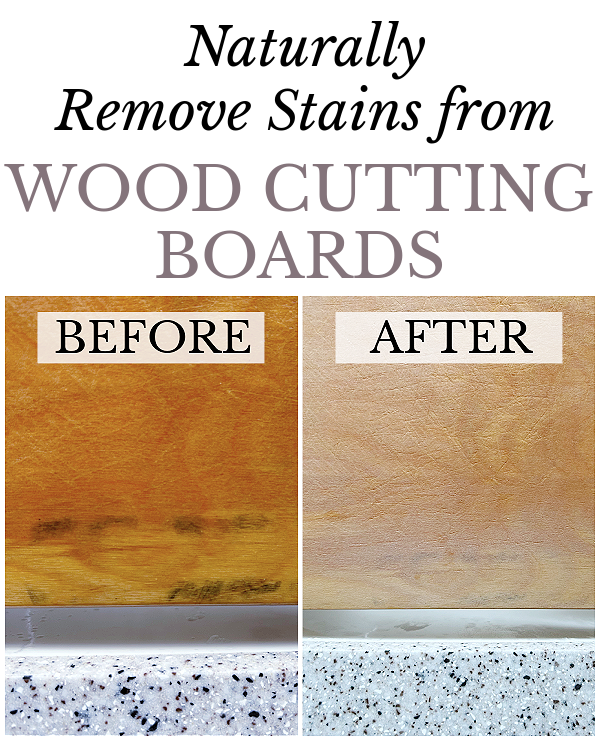
Not all cutting boards hold onto odors the same way. Plastic boards are easy to clean but can trap smells in knife marks. Wood boards, especially those made from hardwood like maple or walnut, naturally resist odors better.
Consider a bamboo cutting board if you want something eco-friendly and odor-resistant. These materials dry quickly and don’t absorb onion smells as much. What kind of cutting board do you reach for when prepping onions? Your choice can make a big difference in odor control.
Credit: www.lemonslavenderandlaundry.com
When To Replace Your Cutting Board
Knowing when to replace your cutting board is just as important as learning how to clean it. Over time, boards can develop deep grooves and stains that trap odors like onion smell. If your board has become a permanent source of unwanted smells, it might be time to consider a new one.
Signs Your Cutting Board Is Beyond Cleaning
Look closely at your board’s surface. If you see deep cuts or cracks, these are perfect hiding spots for bacteria and odors. Even thorough cleaning won’t always remove smells trapped deep inside.
Discoloration that won’t fade after cleaning is another warning sign. If your board still smells like onion after multiple washes and treatments, replacement is the safest option.
Material Matters: When To Replace Wooden Vs. Plastic Boards
Wooden boards last longer but require more care. If a wooden board starts to warp or splinter, it’s time to replace it. These issues not only hold odors but can also be unsafe.
Plastic boards are easier to clean and can go through the dishwasher, but they wear out faster. Once you notice deep scratches on a plastic board, odors will cling, and bacteria can grow, signaling you to get a new one.
Health And Safety Considerations
Are you noticing persistent odors despite cleaning? Your cutting board may be a breeding ground for harmful bacteria. Using a board that can’t be properly sanitized increases health risks.
Replacing your cutting board regularly ensures you keep your kitchen safe and your food tasting fresh. When was the last time you checked your board’s condition?
Frequently Asked Questions
How Can I Remove Onion Smell From Wooden Cutting Boards?
To remove onion smell from wooden boards, scrub with salt and lemon juice. Rinse with warm water and air dry. Repeat if needed to fully eliminate the odor.
Does Baking Soda Help Remove Onion Odor From Cutting Boards?
Yes, baking soda neutralizes onion odors effectively. Sprinkle it on the board, scrub gently, then rinse well with water. This method absorbs and removes lingering smells.
Can Vinegar Eliminate Onion Smell From Cutting Boards?
Vinegar is great for removing onion smell. Wipe the board with diluted white vinegar, let it sit for a few minutes, then rinse. It disinfects and deodorizes naturally.
How Long Does It Take For Onion Smell To Fade Naturally?
Onion smell can linger for days on boards. Proper cleaning with odor neutralizers speeds removal. Without treatment, the smell fades slowly over time.
Conclusion
Removing onion smell from your cutting board is simple and quick. Use lemon, baking soda, or vinegar to clean and freshen it. Regular cleaning stops odors from building up. Always dry the board well to keep it fresh longer. With these tips, your kitchen stays clean and smells good.
Try these easy steps after every use. No more strong onion smells. Your cutting board will look and smell great again.