
You’ve just noticed mold on your wood cutting board, and it’s making you worry about your kitchen’s safety. Mold on wood can seem scary, but don’t panic.
You can clean it and make your cutting board safe to use again. You’ll discover simple, effective steps to remove mold from your wood cutting board quickly and safely. Keep reading to protect your health and keep your kitchen fresh.
Causes Of Mold On Wood Boards
Mold on wood cutting boards is more common than you might think. Understanding what causes mold growth helps you prevent it and keep your cutting board safe and clean. Let’s look at the main reasons why mold appears on wood boards so you can tackle the problem at its source.
Moisture And Humidity
Wood is naturally porous, which means it soaks up moisture easily. If your cutting board stays damp for too long, mold can start growing quickly. High humidity in your kitchen also creates the perfect environment for mold spores to thrive.
Have you ever noticed mold forming after leaving your board near a sink or dishwasher? That’s because moisture lingers and doesn’t evaporate fast enough. Drying your board thoroughly after each use is crucial to stop mold from taking hold.
Improper Cleaning
Cleaning your cutting board with just water won’t always get rid of mold spores. If food particles and bacteria aren’t fully removed, they feed mold growth over time. Using harsh detergents or chemicals can damage the wood, making it easier for mold to settle in cracks.
Consider this: Do you scrub all parts of your board, including the edges and underside? Sometimes mold hides where you don’t expect it. A simple routine with mild soap, vinegar, or baking soda can kill spores without harming the wood.
Storage Conditions
Where and how you store your cutting board affects mold growth a lot. Storing it in a closed, dark, and damp cabinet or drawer creates an environment where mold loves to grow. Avoid stacking boards tightly together, as this traps moisture between them.
Think about your kitchen setup. Is your board getting enough air circulation? Standing your board upright or placing it in a well-ventilated spot helps it dry faster and stay mold-free. Small changes in storage can make a big difference in keeping your board clean.

Credit: www.reddit.com
Signs Of Mold Growth
Mold on a wood cutting board can cause health issues and damage the wood. Detecting mold early helps stop its spread and keeps your kitchen safe. Recognizing the signs of mold growth is essential for timely cleaning and care.
Visual Indicators
Mold often appears as dark or light spots on the wood surface. Look for patches that are green, black, white, or gray. These spots may look fuzzy or slimy. Check cracks and grooves where moisture can hide. Mold can spread quickly in damp areas.
Smell And Texture Changes
Mold gives off a musty or earthy smell. If your cutting board smells strange or stale, mold may be growing. The wood surface might feel slimy or sticky. Sometimes the texture changes, becoming rough or soft in spots. These signs mean it’s time to clean your board thoroughly.
Safety Precautions
Dealing with mold on your wood cutting board isn’t just about cleaning—it’s about protecting yourself first. Mold spores can irritate your skin and lungs, especially if you’re sensitive or allergic. Taking safety precautions helps you remove the mold effectively without risking your health.
Wearing Gloves And Masks
Always wear rubber gloves to shield your hands from mold and cleaning chemicals. Mold can cause skin irritation or even allergic reactions, so don’t skip this step. A mask is just as important—it stops you from inhaling tiny mold spores that float in the air while you scrub.
Think about the last time you cleaned mold without protection—did you notice coughing or itchy eyes afterward? That’s a clear sign your body was reacting. Using gloves and a mask keeps you safe and makes the cleanup process easier on your body.
Working In Ventilated Areas
Open windows and doors or work outside to ensure good airflow when cleaning mold. Ventilation helps carry away airborne spores and reduces the chance of breathing them in. Plus, strong air circulation speeds up drying, which stops mold from coming back.
If you’ve ever felt dizzy or lightheaded while cleaning, poor air quality was likely the culprit. A well-ventilated space protects your lungs and makes your work environment more comfortable. Can you think of a spot in your home that offers fresh air and enough space to tackle this task safely?
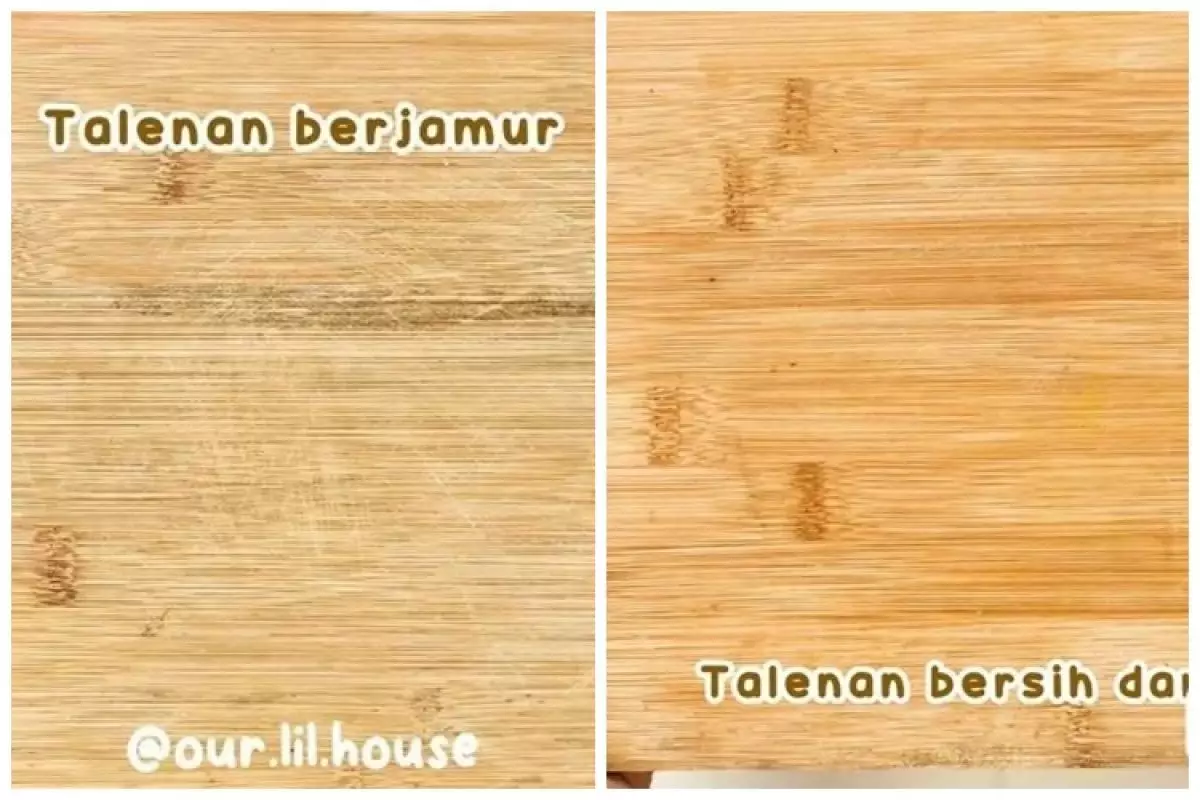
Credit: en.brilio.net
Cleaning Methods
Getting mold off your wood cutting board requires the right cleaning methods that are both effective and gentle on the wood. Harsh chemicals can damage the surface, so natural solutions often work best. Here are three reliable ways to clean mold from your cutting board and keep it safe for food preparation.
Vinegar And Baking Soda
Vinegar is a natural disinfectant that kills mold spores quickly. Start by spraying white vinegar directly onto the moldy areas of your cutting board.
Let it sit for about 10 minutes, then sprinkle baking soda over the surface. The baking soda adds scrubbing power and absorbs odors.
Use a soft brush or sponge to scrub the board gently, then rinse with warm water. This combo not only cleans but also refreshes your cutting board.
Lemon And Salt Scrub
Lemon’s acidity helps break down mold, while salt works as a natural abrasive to scrub it away. Cut a lemon in half and dip the cut side in coarse salt.
Rub the lemon over the mold spots in circular motions. The salt will lift stains and the lemon will leave a fresh scent.
After scrubbing, rinse with warm water and dry the board thoroughly. This method also brightens the wood and is great if you want to avoid vinegar.
Hydrogen Peroxide Treatment
Hydrogen peroxide is a strong oxidizer that kills mold and bacteria effectively. Pour 3% hydrogen peroxide onto the affected areas of your cutting board.
Allow it to bubble and work for 5 to 10 minutes. Then scrub lightly with a brush and rinse with water.
This treatment is particularly useful for deep mold, but remember to dry your board well afterward to prevent future growth.
Deep Cleaning And Disinfection
Removing mold from a wood cutting board involves thorough cleaning and disinfection. Start by scrubbing with a baking soda paste to lift mold. Rinse with vinegar to kill any spores. Dry completely to prevent further growth. Regular maintenance ensures a safe and mold-free cutting surface.
Deep cleaning and disinfecting your wood cutting board is crucial to maintaining its longevity and keeping your kitchen safe. Mold can easily find its way into the crevices and fibers of wood, making it a stubborn problem. But with the right approach, you can restore your cutting board to its former glory and ensure it's safe for food preparation.
Sanding The Surface
Start by sanding the surface of your cutting board to remove any mold residue. Use fine-grit sandpaper to gently sand the affected areas, ensuring you cover every crevice. This process not only removes mold but also smoothens out any rough patches, making your board more pleasant to use. Make sure to sand in the direction of the wood grain. This prevents unnecessary scratches and maintains the board's natural beauty. After sanding, wipe away the dust with a clean, damp cloth.
Applying Food-safe Mineral Oil
Once you've sanded the board, it's time to apply food-safe mineral oil. This step is crucial as it helps seal the wood and prevent future mold growth. Pour a small amount of mineral oil onto the surface and use a soft cloth to rub it in. Allow the oil to soak into the wood for several hours or overnight. This not only conditions the wood but also enhances its natural color and grain. Applying mineral oil regularly can extend the life of your cutting board and keep it looking new. Have you ever considered how a simple maintenance step like oiling can make a significant difference? It’s a small investment of time that pays off with a board that’s not only clean but also adds to the aesthetics of your kitchen.

Credit: qlycheecrafts.com
Preventing Mold Growth
Mold grows on wood cutting boards when moisture stays trapped for too long. Preventing mold is easier than removing it later. Keeping the board dry, clean, and stored well stops mold from starting. Follow these simple tips to keep your cutting board safe and fresh.
Proper Drying Techniques
Dry the cutting board completely after washing. Use a clean towel to wipe off water. Stand the board upright so air can reach all sides. Avoid laying it flat on a wet surface. Let it dry in a warm, well-ventilated area. Do not put wooden boards in the dishwasher. Heat and water can cause cracks and mold growth.
Regular Maintenance
Clean the board after every use with hot, soapy water. Rinse well and dry immediately. Occasionally, scrub with salt and lemon to remove stains and odors. Apply mineral oil or a wood conditioner once a month. This keeps the wood sealed and less likely to absorb moisture. Check the board for cracks or deep cuts. Sand and reseal if needed to prevent mold hiding spots.
Storage Tips
Store the cutting board in a dry place. Avoid crowded cabinets where air cannot circulate. Keep it away from sinks and dishwashers. Use a rack or stand to store boards vertically. This allows air to flow around the board. Avoid stacking heavy items on top. Proper storage reduces moisture build-up and mold risk.
When To Replace Your Cutting Board
Knowing when to replace your wood cutting board is important for safety and hygiene. Mold can hide deep in the wood grain and cause problems. Sometimes cleaning is not enough to make the board safe again. Recognizing the signs of irreversible damage helps protect your health. It also ensures your kitchen stays clean and safe for food preparation.
Signs Of Irreversible Damage
- Deep cracks and splits in the wood surface
- Large, dark mold stains that do not fade after cleaning
- Persistent musty or moldy smell even after washing
- Soft or rotting wood that feels weak to touch
- Warping or bending of the cutting board shape
- Loose or splintering wood pieces on the surface
These signs show the board can no longer be cleaned properly. The wood’s structure is compromised and mold can grow inside.
Health Risks
Mold on cutting boards can cause allergic reactions. Breathing mold spores may trigger coughing or sneezing. Some molds produce toxins harmful to health. Using a damaged board risks spreading bacteria to food. This can lead to food poisoning or infections. Children, elderly, and people with weak immune systems are at higher risk.
Replacing a moldy or damaged cutting board protects your family. It stops health problems before they start. Always choose a fresh board for safe food prep.
Frequently Asked Questions
How Do I Remove Mold From A Wooden Cutting Board?
To remove mold, scrub the board with white vinegar or lemon juice. Rinse with hot water and dry thoroughly. Repeat if mold persists. Avoid soaking wood to prevent damage.
Can Baking Soda Clean Mold On Wood Cutting Boards?
Yes, sprinkle baking soda on the board, scrub with a damp brush, then rinse and dry. Baking soda deodorizes and removes mold safely.
Is Bleach Safe For Mold On Wooden Cutting Boards?
Bleach is not recommended as it can damage wood fibers. Use natural cleaners like vinegar or lemon juice instead for safe mold removal.
How To Prevent Mold On Wooden Cutting Boards?
Always dry your board completely after washing. Store in a dry, well-ventilated area. Regularly oil the wood to maintain its condition and resist mold growth.
Conclusion
Mold on wood cutting boards can be removed safely with simple steps. Clean the board well and dry it completely to stop mold growth. Regular care helps keep your board fresh and safe. Always store the board in a dry place.
Remember, a clean cutting board protects your health and food. Stay consistent with cleaning to avoid mold return. You can enjoy using your wooden board for a long time. Keep your kitchen healthy with these easy tips.


