If you love the smoky, rich taste of charcoal grilling but prefer the convenience of a gas grill, you’re in the right place. Getting that authentic charcoal flavor with your gas grill might seem impossible, but it’s easier than you think.
Imagine biting into juicy, flavorful food that tastes like it was cooked over hot coals—without the hassle of charcoal. You’ll discover simple tips and tricks to bring that smoky magic to your gas grilling. Ready to impress your friends and family with mouthwatering, charcoal-flavored meals?
Let’s dive in!
Choosing The Right Gas Grill Setup
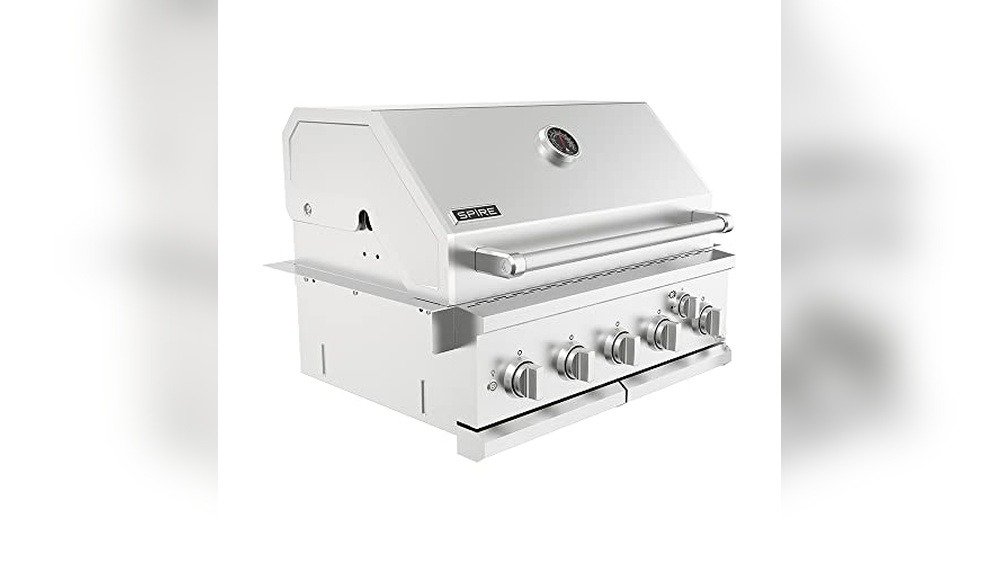
Choosing the right gas grill setup is key to capturing that rich charcoal flavor. Not all gas grills are built to deliver the smoky, seared taste you crave. By focusing on specific grill features and materials, you can bring your gas grilling experience closer to the authentic charcoal feel.
Selecting Grills With Flavor Enhancers
Look for gas grills that come with built-in flavor enhancers like heat tents, lava rocks, or ceramic briquettes. These components catch drippings from your food and vaporize them, creating smoky flavors that mimic charcoal grilling.
Some grills also have smoker boxes or dedicated wood chip trays designed to add real smoke to your cooking. Have you checked if your gas grill has these options? Adding wood chips to a smoker box can dramatically boost that charcoal aroma.
Using Cast Iron Grates For Better Searing
Cast iron grates hold and distribute heat more evenly than stainless steel, giving you those coveted grill marks and a deeper sear. This helps develop the Maillard reaction, which contributes to the flavor complexity you usually get from charcoal grilling.
Switching your gas grill’s grates to cast iron can make a noticeable difference in taste and texture. Are you ready to upgrade your grill grates to get that perfect sear and enhance the smoky flavor?
Incorporating Wood Chips And Chunks
Getting that rich charcoal flavor on a gas grill is easier than you think. Incorporating wood chips and chunks brings smoky notes that mimic charcoal grilling. These natural wood pieces release flavorful smoke that infuses your food with a delicious aroma.
Using wood chips and chunks adds depth to your grilled dishes. They create a smoky environment inside the grill, enhancing the taste without the mess of charcoal. This technique works well with a smoker box or foil packets.
Soaking Wood Chips For Smoker Boxes
Soaking wood chips is a common practice before grilling. It helps the chips burn slower and produce more smoke. Fill a bowl with water and soak the chips for 30 to 60 minutes.
Drain the chips before placing them in the smoker box or foil packet. Wet chips smolder and create steady smoke instead of burning quickly. This extends the smoky flavor throughout the cooking process.
Best Wood Types For Charcoal Flavor
Choosing the right wood type impacts the flavor intensity and profile. Some woods give strong, bold smoke, while others offer mild, sweet notes. Here are popular woods for charcoal flavor:
- Hickory:Strong, bacon-like smoke. Great for pork and beef.
- Mesquite:Intense and earthy. Best for quick grilling.
- Oak:Medium smoke, versatile for many meats.
- Apple:Light, fruity smoke. Ideal for poultry and fish.
- Cherry:Mild, sweet smoke with a hint of fruit.
Experiment with different wood types to find your favorite flavor. Mixing woods can also create unique smoky tastes.
Using Smoker Boxes And Foil Packets
Adding that rich charcoal flavor to your grilled meals doesn’t have to mean switching grills. Smoker boxes and foil packets are simple tools that help you infuse smoky goodness into your food right on a gas grill. These techniques let you control the intensity and type of smoke, making your grilling experience more versatile and delicious.
Placement Of Smoker Boxes On Gas Grills
Where you place the smoker box affects how much smoke your food absorbs. The best spot is directly over one of the burners. This way, the wood chips inside the box get hot enough to produce steady smoke without catching fire.
If your grill has multiple burners, use the one with medium heat. This prevents the wood from burning too quickly and keeps the smoke flowing for longer. Avoid placing the smoker box on the grill grates where food cooks; direct heat can cause the wood to burn too fast.
Have you noticed how different placements change smoke flavor? Try placing the box near the back burner for a more subtle smoke or closer to the center for stronger results. Adjusting the smoker box location can help you customize your grilling.
Creating Diy Foil Packets For Smoke
Foil packets are an easy way to add smoky flavor without buying special equipment. Start with a large piece of heavy-duty aluminum foil. Add a handful of soaked wood chips or chunks in the center.
Fold the foil tightly into a small packet, leaving tiny vents so smoke can escape. Place the packet directly on the grill grates over medium heat, or next to the burner. The chips will smolder inside, releasing smoke slowly.
You can add herbs or spices inside the packet for extra flavor twists. Ever tried mixing applewood chips with rosemary? It gives a unique aroma that pairs well with chicken and pork. Creating your own foil packets lets you experiment with different woods and flavors easily.

Credit: www.siuhaau.com
Temperature Control Techniques
Temperature control is key to getting that charcoal flavor on a gas grill. It helps create the right smoke and heat environment. Controlling heat zones allows food to cook evenly and absorb smoky notes. Managing consistent heat keeps the smoke steady and flavors balanced.
Setting Up Direct And Indirect Heat Zones
Direct heat is for searing and quick cooking. Place food directly over the burners for high heat. Indirect heat cooks food slower and absorbs smoke well. Turn off some burners and place food on the cooler side. This setup mimics charcoal grilling zones.
- Turn on half the burners for direct heat.
- Leave the other half off for indirect heat.
- Use a drip pan on the indirect side to catch fat.
- Close the lid to trap smoke and heat.
Maintaining Consistent Heat For Smoke
Keep the grill temperature steady for a smoky flavor. Avoid opening the lid too often; it causes heat loss. Use a grill thermometer to monitor the temperature. Adjust burners in small steps to keep the heat stable.
- Set burner temperature between 225°F and 275°F for smoking.
- Use wood chips in a smoker box for smoke flavor.
- Soak wood chips in water before placing them on the grill.
- Check fuel levels to avoid temperature drops.
Adding Charcoal Elements
Adding charcoal elements to your gas grill can enhance flavor. It combines the convenience of gas with the rich taste of charcoal. This method is cost-effective and easy. Many grill enthusiasts seek that smoky, authentic taste. By incorporating charcoal, you can transform your grilling experience.
Combining Charcoal With Gas Heat
Using both gas and charcoal heat can be effective. Preheat your grill using the gas burners. Place charcoal in a metal tray or foil pan. Position this tray directly over the burners. Light the charcoal using the gas flame. Once it glows, turn off the gas burners. This allows the charcoal to take over. This method provides a seamless transition from gas to charcoal. It infuses your food with that desired smoky flavor.
Using Charcoal Briquettes In A Heatproof Container
Charcoal briquettes can mimic a charcoal grill. First, acquire a heatproof container or box. This will hold the briquettes securely. Place it inside your gas grill. Load it with a few briquettes. Light them using a fire starter or lighter. Close the grill lid to trap heat. The briquettes will emit a smoky aroma. This technique enhances the taste of grilled foods. It’s simple yet effective.

Credit: journal.firsttuesday.us
Using Liquid Smoke And Marinades
Getting that rich charcoal flavor on a gas grill can be tricky. Using liquid smoke and marinades helps bring smoky depth to your grilled foods. These ingredients add taste without charcoal or wood chips. They work well with meats, vegetables, and even tofu.
Liquid smoke is a concentrated flavoring made by capturing smoke from burning wood. Marinades soak your food with flavor and tenderize it. Combining both enhances your grilling results.
Incorporating Liquid Smoke Into Recipes
Use liquid smoke sparingly; it is very strong. A few drops can mimic a smoky fire flavor. Add it to sauces, dressings, or marinades for easy use. Mix it well to spread the taste evenly.
Try these ideas:
- Blend liquid smoke into BBQ sauce before grilling.
- Mix a drop or two into ground meat for burgers.
- Stir it into vegetable marinades for a smoky twist.
Liquid smoke pairs well with garlic, onion, and paprika. Test small amounts first to avoid overpowering your dish.
Marinating Tips For Enhanced Flavor
Marinate foods for at least 30 minutes, or up to overnight. The longer the marinating, the deeper the flavor. Use acidic ingredients like vinegar or citrus juice to tenderize meat.
Include these in your marinade for charcoal-like taste:
- Liquid smoke drops
- Smoked paprika
- Worcestershire sauce
- Garlic and onion powder
Keep your marinade balanced. Too much acid can toughen the meat. Use oil to keep foods moist and help flavors stick.
After marinating, grill on medium heat to avoid burning the marinade. This preserves the smoky flavor and juicy texture.
Cleaning And Maintenance For Flavor
Cleaning and maintaining your gas grill is crucial to capturing that authentic charcoal flavor. Residue buildup can create off-flavors that mask the smoky taste you're aiming for. Keeping your grill clean and well-seasoned helps you get the best results every time you cook.
Removing Residue To Prevent Off-flavors
After each grilling session, scrape off any leftover food particles and grease from the grates. This prevents burnt residue from mixing with your food and ruining the flavor.
Use a stiff wire brush or a grill scraper while the grates are still warm. Warm grates make it easier to remove stubborn bits without damaging the surface.
Don't forget to clean the drip tray regularly. Excess grease can cause flare-ups that affect taste and create unwanted smoke.
Seasoning Grates For Better Smoke Absorption
Seasoning your grill grates is a simple trick that improves smoke absorption and enhances flavor. After cleaning, apply a thin layer of high-smoke point oil, like canola or grapeseed oil, to the grates.
Heat the grill on medium for about 15 minutes to let the oil bake into the surface. This creates a natural non-stick coating and helps the grates trap smoke particles better.
Seasoning also reduces rust and prolongs the life of your grill. How often you do this depends on how frequently you grill, but once a month is a good starting point to keep flavors consistent.

Credit: flavrq.com
Frequently Asked Questions
How Can I Add Charcoal Flavor To A Gas Grill?
Use charcoal smoke tubes or smoker boxes with wood chips on your gas grill. This adds smoky, charcoal-like flavor to your food effectively and safely.
What Wood Chips Work Best For Gas Grill Smoke Flavor?
Hickory, mesquite, apple, and cherry wood chips are ideal. They create rich, authentic charcoal smoke flavors that complement grilled meats and vegetables.
Can I Use A Charcoal Basket On A Gas Grill?
Yes, placing a charcoal basket beside gas burners adds real charcoal aroma. It combines gas convenience with smoky flavors from burning charcoal.
How Long Should I Smoke Food On A Gas Grill?
Smoke food for 20 to 30 minutes at low heat. This timing infuses charcoal flavor without overcooking or drying out your food.
Conclusion
Getting charcoal flavor on a gas grill is simple with the right steps. Use wood chips or smoker boxes to add smoky taste. Adjust grill heat to avoid burning the chips. Patience helps the smoke soak into your food. This way, you enjoy tasty, smoky meals without charcoal.
Try these tips on your next cookout and taste the difference. Charcoal flavor is possible, even with a gas grill. Enjoy grilling with added smoky goodness every time.