Have you ever grabbed your water bottle only to find an annoying dent messing up its shape? It might seem like a small problem, but that dent can make your bottle harder to hold or even leak.
The good news is, you don’t have to toss it out or buy a new one. You’ll discover simple and effective ways to get that dent out quickly. Keep reading, and you’ll have your water bottle looking and feeling as good as new in no time.
Common Causes of Water Bottle Dents
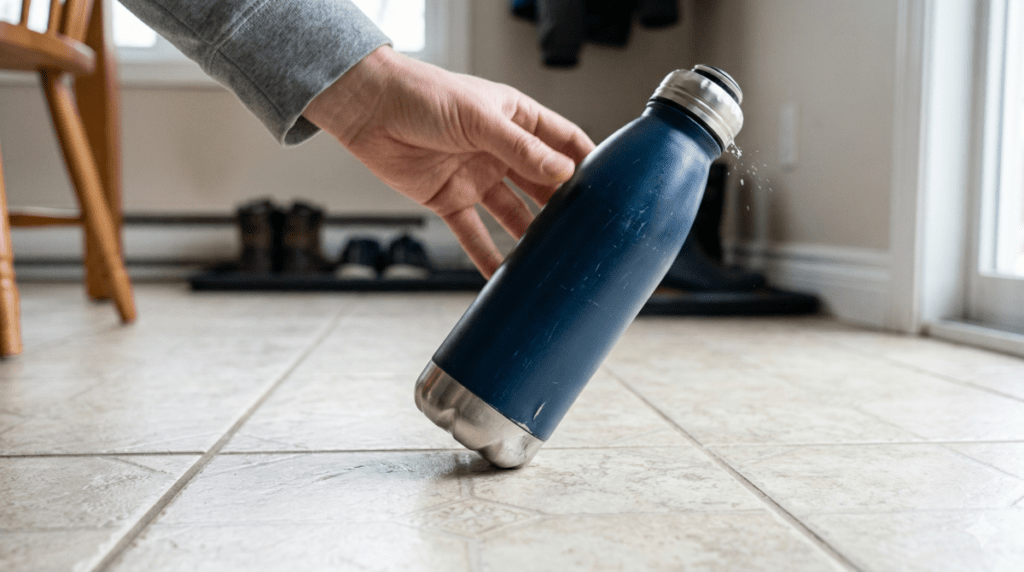
Dents in water bottles happen often and can be annoying. They affect the bottle’s look and sometimes its function. Knowing the common causes helps prevent dents and keeps bottles in good shape.
Many dents form from everyday use or accidents. Understanding these causes helps you handle your bottle with care. Here are the main reasons water bottles get dents.
Impact From Dropping Or Bumping
Dropping a water bottle on hard surfaces causes dents quickly. Even a light bump against furniture or walls can leave marks. Plastic and metal bottles both dent this way.
Pressure Changes
Sudden pressure changes inside the bottle can cause dents. For example, sealing a warm bottle and cooling it fast creates vacuum pressure. This pulls the walls inward and leaves dents.
Storage In Tight Spaces
Keeping water bottles in crowded bags or tight shelves leads to dents. Constant pressure from other items presses the bottle’s sides. Over time, this pressure causes visible dents.
Using Low-quality Materials
Bottles made from thin or cheap materials dent easily. These bottles lack strong walls to resist pressure or impact. Investing in sturdy bottles reduces the chance of dents.
Tools Needed For Diy Dent Removal
Fixing a dent in a water bottle at home needs just a few simple tools. These tools help you push or pull the dent out safely. Using the right items makes the job easier and protects your bottle from more damage.
Most tools are common and easy to find around the house. You don't need special skills to use them. Below are the key tools that make dent removal quick and effective.
Hair Dryer Or Heat Source
A hair dryer softens the plastic by warming it up. Warm plastic becomes more flexible and easier to reshape. Use low to medium heat to avoid melting the bottle.
Compressed Air Can
Compressed air cools the heated plastic fast. It helps the dent pop out as the plastic shrinks back. Spray the air upside down for best results.
Rubber Mallet Or Soft Hammer
A rubber mallet gently taps the dent from the inside. It avoids scratching or cracking the bottle. Use light, controlled taps to push the dent out.
Suction Cup Or Dent Puller
Suction cups or mini dent pullers pull dents out by creating a strong grip. They work best on shallow dents. Attach the cup firmly and pull slowly to lift the dent.
Warm Water And Towel
Warm water helps soften the plastic for gentle reshaping. Wrap the bottle in a towel to hold heat longer. This method is safe and prevents burns.
Using Hot Water To Remove Dents
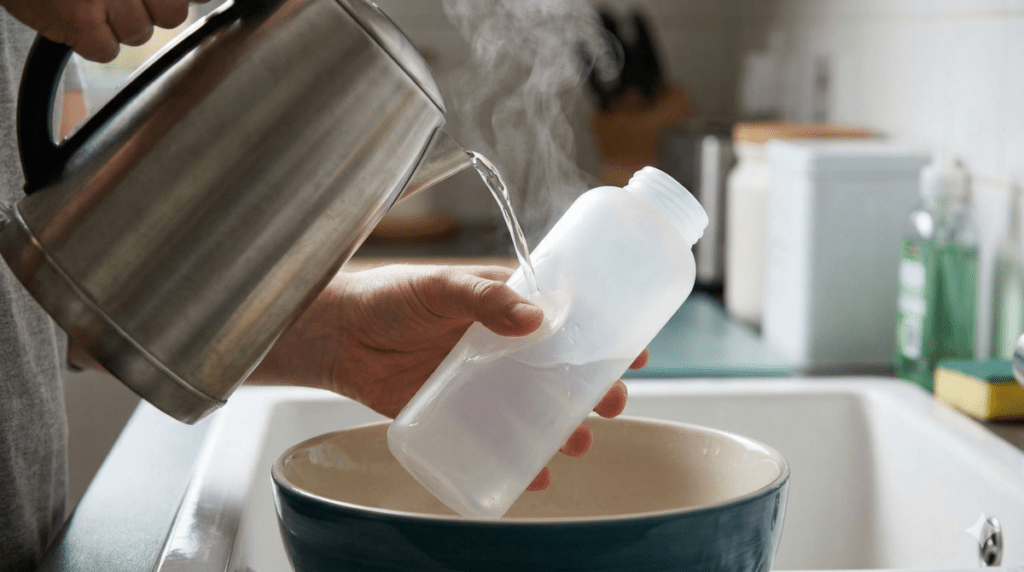
Using hot water to remove dents from your water bottle is a simple and effective trick you can try at home. The heat softens the plastic, allowing the dent to pop back into place more easily. This method works best on plastic bottles rather than metal ones, so it’s handy when you want to restore your favorite reusable bottle quickly.
Steps For Applying Hot Water
- Boil water and carefully pour it into a heat-safe container.
- Hold the dented area of your water bottle over the hot water steam or pour the hot water directly onto the dented surface.
- Let the heat sit on the dent for about 30 seconds to 1 minute to soften the plastic.
- Immediately after heating, try to push the dent out from the inside or gently squeeze the bottle to encourage the plastic to return to its original shape.
- Rinse the bottle with cold water to cool it down and help the plastic set in its new shape.
Precautions To Take
- Avoid using boiling water directly on your hand—use a cloth or gloves to protect your skin from burns.
- Don’t overheat the bottle, as excessive heat can warp or damage the plastic permanently.
- Make sure the bottle is empty before applying hot water to prevent pressure buildup inside.
- Test this method on a small, less visible part of the bottle first to ensure it won’t discolor or weaken the material.
Have you ever tried heating your bottle only to find the dent got worse? That’s often because the plastic wasn’t heated evenly. Try using steam instead of pouring water directly—it’s easier to control and safer for your hands.
Applying Compressed Air For Dent Fixes
Applying compressed air offers a quick way to fix dents in water bottles. It works by using sudden temperature changes to pop out dents. The process is simple and requires minimal tools. This method is effective for many types of bottles, but safety is important. Understanding how to use compressed air properly keeps you safe and protects the bottle.
How To Use Compressed Air Safely
Wear safety glasses to protect your eyes from flying debris. Hold the can of compressed air upright to avoid liquid spray. Keep the nozzle about 6 inches from the dented area. Spray short bursts rather than a long continuous spray. Avoid spraying near flames or heat sources. Work in a well-ventilated area to avoid inhaling fumes. Do not shake the can before use to prevent liquid release. Stop immediately if the bottle starts to feel too cold or if you hear cracking sounds.
Effectiveness On Different Bottle Materials
Plastic bottles respond best to compressed air dent fixes. The material softens slightly with cold air, allowing dents to pop out. Thin plastic bottles may crack if sprayed too long. Metal bottles need stronger bursts but respond well to this method. Aluminum bottles are ideal candidates for compressed air repair. Stainless steel bottles usually resist dent repair by this method. Glass bottles should never be treated with compressed air. The sudden temperature change can cause cracks or breaks.
Heat Gun Method For Stubborn Dents
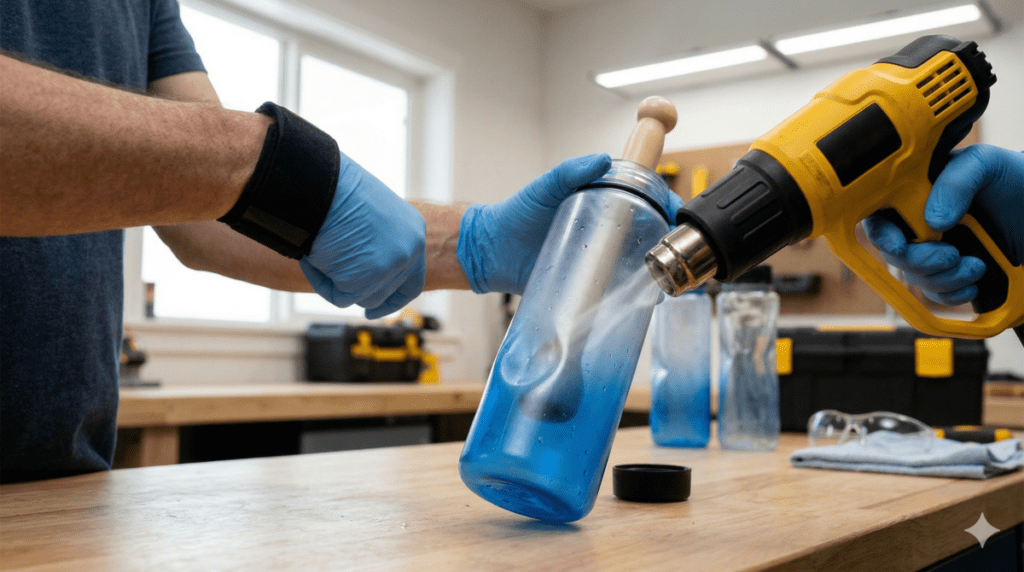
The heat gun method is effective for removing stubborn dents from water bottles. It uses hot air to soften the plastic, making dents easier to fix. This technique works best on hard-to-repair dents that don’t respond to gentle pressure. Proper use of a heat gun ensures the bottle regains its shape without damage. Follow the right steps and safety tips for the best results.
Proper Heat Gun Usage
Hold the heat gun about 6 to 8 inches from the dented area. Move the gun in slow, circular motions to heat the plastic evenly. Avoid focusing heat on one spot to prevent melting. Heat the dent for 20 to 30 seconds or until the plastic feels warm. After heating, press the dent gently from inside or tap it lightly from outside. Let the bottle cool down naturally to keep its shape.
Safety Tips
- Wear heat-resistant gloves to protect your hands.
- Use the heat gun in a well-ventilated area.
- Keep the heat gun moving to avoid overheating the plastic.
- Do not use the heat gun near flammable materials.
- Unplug the heat gun immediately after use.
Cold Water And Freezing Techniques
Cold water and freezing techniques offer simple ways to fix dented water bottles. These methods use basic science principles. Cold temperatures can contract materials, making dents pop out. Freezing techniques involve using ice or combining heat and cold. Let's explore these methods in detail.
Using Ice To Pop Dents
Fill the bottle with water. Leave a little space at the top. Put the cap back on tightly. Place the bottle in the freezer. Wait until the water freezes completely. As water freezes, it expands. This expansion can push the dent out. Remove the bottle once frozen. Run warm water over the bottle if needed. This helps release the ice block. to make ice in a water bottle, consider using filtered water for a clearer and nicer-looking ice block. You can also experiment by adding fruit or herbs to the water before freezing for a refreshing twist. Once you've successfully made ice in a water bottle, enjoy it in your favorite beverage or simply treat yourself to the satisfaction of a perfectly crafted ice block.
Combining Heat And Cold
Start by filling the bottle with hot water. Swirl the water around inside the bottle. This heats the plastic and makes it flexible. Pour out the hot water. Quickly place the bottle in the freezer. Wait for the bottle to cool down. The quick change in temperature can pop the dent. Check the bottle after some time. Repeat if necessary for stubborn dents.
Using Household Items For Dent Repair
Fixing a dent in a water bottle doesn't always require special tools or trips to the store. You can often use simple household items to bring your bottle back to shape. These methods are easy, quick, and use items you already have around the house.
Hair Dryer And Vacuum Cleaner Combo
Try heating the dented area with a hair dryer for about 30 seconds. The heat softens the plastic, making it more flexible. Immediately after heating, place the nozzle of your vacuum cleaner over the dent and turn it on.
The vacuum cleaner creates suction that can pull the dent out. You might need to repeat this a couple of times to see good results. Be careful not to overheat the bottle or use too strong a vacuum setting, as this can damage the plastic.
Plunger Method
Grab a small plunger—like the ones used for sinks. Wet both the plunger and the dented area to create a tight seal. Press the plunger firmly against the dent and pull gently but steadily.
This suction often pops the dent back into place. If the dent is stubborn, try repeating the process a few times. This method works best on larger, shallow dents rather than deep or sharp ones.
When To Replace Your Water Bottle
Even the sturdiest water bottles have a lifespan. Knowing when to replace your water bottle is essential for your health and safety. A new, durable stainless steel water bottle ensures you avoid potential risks and enjoy fresh water every day. It also gives you peace of mind knowing your hydration tool is reliable.
Signs Of Irreparable Damage
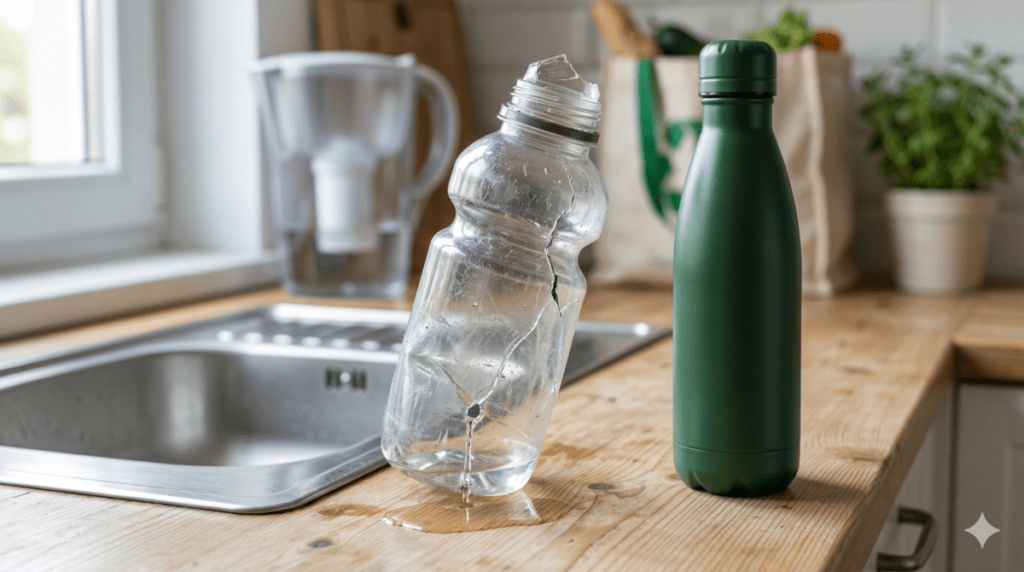
Look for cracks or holes that leak water. These are clear signs your bottle is beyond repair. A loose or broken cap can also indicate it's time for a new one. If the bottle’s shape is severely warped, replacement might be necessary.
Safety Concerns
Old bottles may harbor bacteria or mold. This poses health risks. If your bottle has a strange odor, it might not be safe anymore. A scratched interior can also trap bacteria, making cleaning difficult. Always prioritize safety to ensure your water is clean and safe to drink.
Frequently Asked Questions
How Can I Fix A Dent In A Plastic Water Bottle?
To fix a dent, apply warm water to soften the plastic. Then, gently push from inside to reshape the bottle. Avoid using sharp tools to prevent damage. This method helps restore the bottle’s original shape safely and effectively.
Is It Safe To Use Heat To Remove Bottle Dents?
Yes, using warm water is safe to remove dents. Avoid boiling water or direct heat sources, as they may warp the plastic. Warm water softens the bottle, making it easier to reshape without causing damage or releasing harmful chemicals.
Can I Use Household Items To Fix A Dented Water Bottle?
Yes, common items like warm water and your hands work well. Heating the bottle with warm water softens it, allowing you to push out dents. Avoid using sharp tools or excessive force to prevent punctures or cracks.
Will Fixing Dents Affect Water Bottle Safety?
Properly fixing dents with gentle heat and pressure does not compromise safety. Avoid harsh chemicals or extreme heat that may release toxins. Always ensure the bottle is clean and intact before reuse to maintain safety and hygiene.
Conclusion
Fixing a dent in a water bottle is easier than you think. Small dents do not ruin the bottle’s use. Using simple tools and careful steps can bring back its shape. Try these tips at home with items you already have.
Save money by avoiding new purchases. Keep your bottle looking good and working well. Practice makes perfect, so don’t give up. Your bottle will thank you for the care. Easy fixes help the environment by reducing waste. Give it a try and see the difference yourself!