Measuring ingredients accurately can make or break your recipe, especially when you need just a small amount like 1/4 tablespoon. But what if you don’t have the exact measuring tool?
Don’t worry—you’re about to learn simple, clever tricks to get the perfect 1/4 tablespoon every time. Whether you’re baking, cooking, or mixing drinks, these tips will save you time and frustration. Keep reading, and you’ll never guess how easy it can be to measure small amounts like a pro!
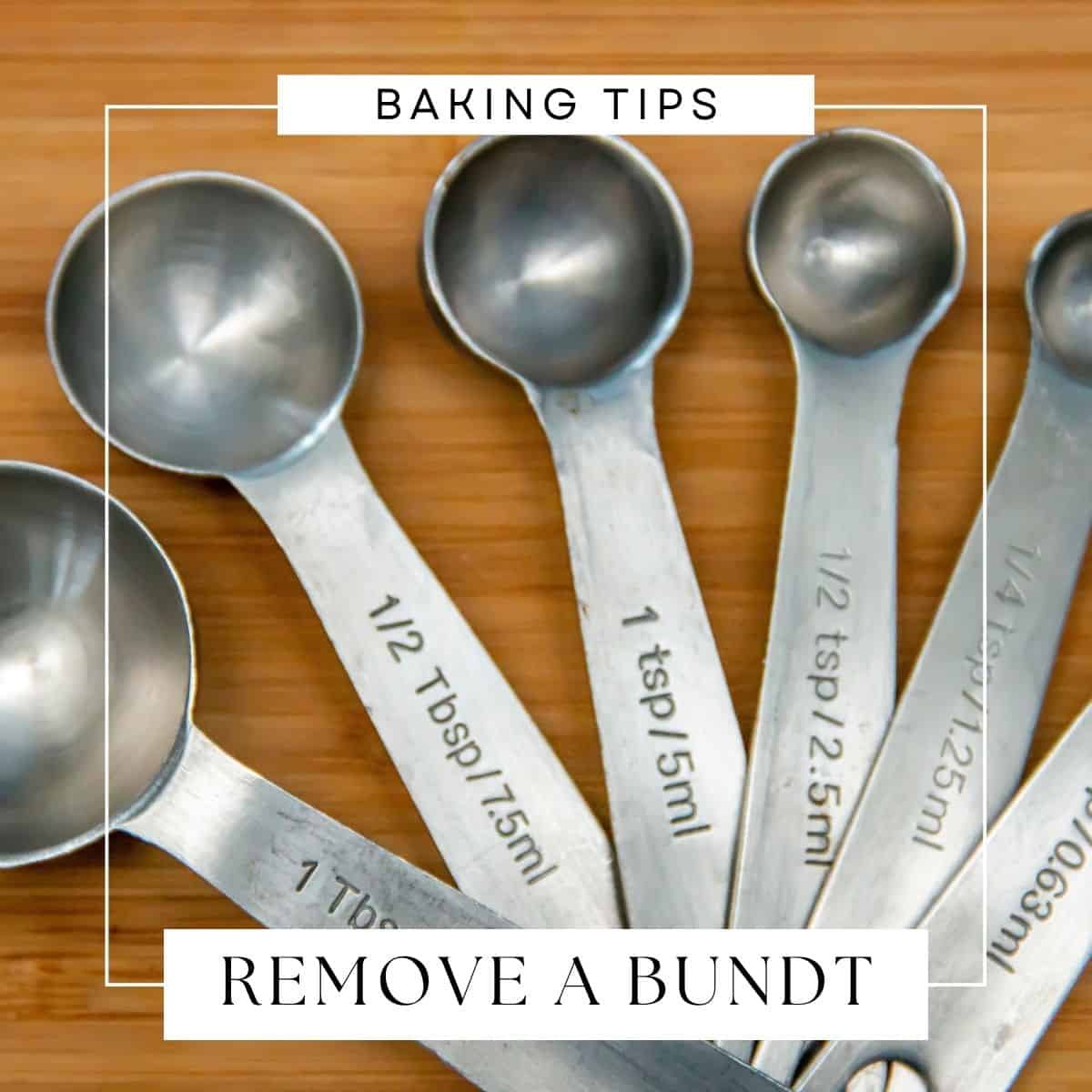
Credit: mysweetprecision.com
Measuring Basics
Measuring ingredients correctly is key to great cooking and baking. Even small differences can change the taste or texture of your dish. Understanding the basics helps you get the right amount every time. This section covers common tools and why precision matters.
Common Measuring Tools
Different tools serve different purposes in the kitchen. Here are the most common ones:
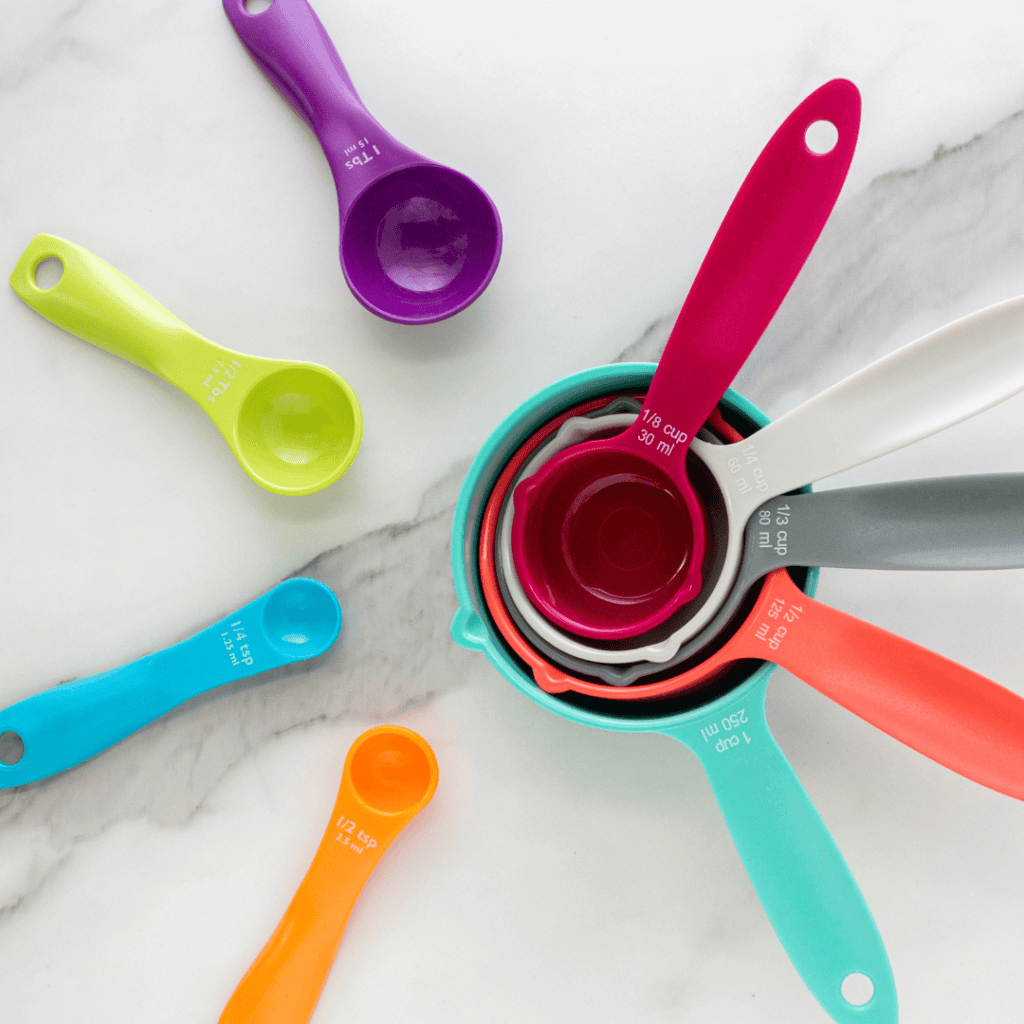
- Measuring spoons:Used for small amounts like 1/4 tablespoon. They come in sets with different sizes.
- Measuring cups:Ideal for larger amounts. They often measure in cups, ounces, or milliliters.
- Kitchen scale:Provides weight measurements. Useful for dry and wet ingredients.
- Liquid measuring cups:Designed for liquids. Usually made of glass or plastic with a spout.
Choosing the right tool depends on what you are measuring. Use spoons for small quantities and cups or scales for larger amounts.
Why Accuracy Matters
Using the exact amount affects your recipe’s outcome. Too much or too little can change flavor and texture. Baking is especially sensitive to measurements.
Precise measuring helps keep consistency. It makes your dishes turn out well every time you cook.
Accuracy also saves ingredients and reduces waste. Measuring carefully prevents mistakes and frustration in the kitchen.

Credit: us.amazon.com
Converting Measurements
Converting measurements can seem tricky, especially when you're trying to get precise amounts like 1/4 tablespoon. But understanding how to switch between different units can save you time and frustration in the kitchen. Let’s break down some simple ways to handle these conversions so your recipes turn out just right.
Tablespoons To Teaspoons
Did you know that 1 tablespoon equals 3 teaspoons? This is a handy conversion to remember because teaspoons are often easier to measure, especially for small amounts.
To get 1/4 tablespoon, you can convert it to teaspoons by dividing 3 teaspoons by 4. That means 1/4 tablespoon equals 3/4 teaspoon.
| Tablespoons | Teaspoons |
|---|---|
| 1 | 3 |
| 1/4 | 3/4 |
So, if you don’t have a 1/4 tablespoon measure, just use 3/4 teaspoon instead. It’s a simple trick that works every time.
Using Fractional Measurements
Fractional measurements can be a bit intimidating, but they’re really just parts of a whole. When you see 1/4 tablespoon, think of it as one part out of four equal parts of a tablespoon.
I once didn’t have a 1/4 tablespoon measure and thought I had to estimate. Instead, I used a 1 tablespoon spoon and filled it just one-quarter full. That small adjustment made all the difference in my recipe’s flavor.
- Use measuring spoons with fractions marked (like 1/2 or 1/4 teaspoon).
- If you have only whole spoons, fill them partially and visualize the fraction.
- Practice makes perfect—soon you’ll eyeball fractions with confidence.
Have you tried measuring fractions in your kitchen? How did it affect your cooking? Experiment with small amounts, and you might be surprised how precise you can get without special tools.
Techniques For Precise Measuring
Measuring exactly 1/4 tablespoon can be tricky, especially since most standard measuring spoon sets don't include this size. Precise measuring matters a lot when you're baking or cooking something that depends on exact proportions. Using the right technique can save you from guesswork and improve your results.
Leveling Off Excess
After scooping your ingredient with a tablespoon, use a flat edge like the back of a knife to level off any extra. This simple step makes sure you're not adding more than intended.
Think about the last time you eyeballed a spoonful and ended up with a slightly different amount. That little difference can change the texture or taste of your dish. Leveling off excess gives you more control.
Try this: scoop a tablespoon, then gently scrape the top with a straight edge until it’s perfectly flat. This technique works especially well for dry ingredients like flour or sugar.
Using Measuring Spoons Correctly
Using measuring spoons the right way means filling them properly. For dry ingredients, scoop into the spoon and then level it off. For liquids, fill the spoon to the brim without spilling.
Did you know that spoon size can vary slightly between brands? To get exactly 1/4 tablespoon, you might need to fill a 1 tablespoon measure only a quarter full or combine smaller measures like 3/4 teaspoon.
- Remember that 1 tablespoon equals 3 teaspoons.
- Therefore, 1/4 tablespoon equals 3/4 teaspoon.
- If you don’t have a 1/4 tablespoon spoon, use a 3/4 teaspoon measure instead.
Next time you reach for a measuring spoon, check if it’s clean and dry. Residue or moisture can cause inaccurate measurements. Getting this right helps your recipe turn out just as you expect.
Tips For Measuring Small Amounts
Measuring small amounts like 1/4 tablespoon can be tricky, especially if you don’t have the right tools. Accuracy matters when cooking or baking because even a tiny difference can change the taste or texture of your dish. Here are some practical tips to help you measure small quantities with confidence.
Using A Scale
A digital kitchen scale is one of the best ways to measure small amounts accurately. You can tare the container to zero and then add the ingredient until you reach the exact weight equivalent to 1/4 tablespoon. This method eliminates guessing and ensures precision every time.
Have you ever noticed how uneven measurements affect your recipes? Using a scale solves that problem by giving you consistent results. Even if your measuring spoons aren’t perfectly level, the scale won’t lie.
Alternative Tools For Precision
If you don’t have a scale, other tools can help you measure 1/4 tablespoon more precisely than regular spoons. For example:
- Measuring spoons with fractional sizes, such as 1/8 or 1/4 teaspoon, can be combined to reach 1/4 tablespoon.
- Use a syringe or dropper for liquid ingredients to add small amounts drop by drop.
- A set of nested measuring spoons often includes odd sizes; check if your set has a 1/4 tablespoon spoon.
Sometimes, improvising with tools around your kitchen works better than struggling with inaccurate spoons. What small kitchen tools do you already own that could help you be more precise?
Common Mistakes To Avoid
When it comes to measuring small quantities like 1/4 tablespoon, many people find themselves making common mistakes that can lead to cooking mishaps. Avoiding these pitfalls ensures your recipes turn out just as intended, preserving flavors and textures. Let’s dive into some frequent errors and how to steer clear of them.
Misreading Measurements
Misreading measurements is more common than you might think. A simple slip of the eye can turn 1/4 tablespoon into a whole tablespoon. Make sure to double-check your measurements—especially if you're in a rush.
Consider using measuring spoons that are clearly labeled. Accurate tools save you from second-guessing and potential recipe disasters. Have you ever wondered how a small error could alter a dish? It’s worth taking the extra second to ensure precision.
Ignoring Ingredient Variations
Ignoring ingredient variations can lead to unexpected results. Different ingredients can have different densities. For example, 1/4 tablespoon of salt weighs differently than 1/4 tablespoon of flour.
Understand the nature of what you're measuring. A packed tablespoon of brown sugar isn't the same as a loosely filled one. This knowledge helps you adjust your measurements for better accuracy.
Are you guilty of ignoring these variations? Next time, pay attention to the ingredient's characteristics to maintain the integrity of your dish.
Credit: www.recipesandplaces.com
Frequently Asked Questions
What Is 1/4 Tablespoon In Teaspoons?
1/4 tablespoon equals 3/4 teaspoon. This conversion helps when precise measurements are needed. Use it for cooking or baking.
How To Measure 1/4 Tablespoon Without A Special Spoon?
Use a 1/2 tablespoon and fill it halfway. Alternatively, measure 3/4 teaspoon for accuracy in recipes.
Can I Substitute 1/4 Tablespoon With Teaspoons?
Yes, substitute 1/4 tablespoon with 3/4 teaspoon. This is a common and easy conversion in cooking.
Why Is Measuring 1/4 Tablespoon Important?
Accurate measurement ensures recipe success. It affects flavor and texture, especially in baking or delicate dishes.
Conclusion
Measuring 1/4 tablespoon is simple with common kitchen tools. Use a 1-tablespoon measure and fill it one-quarter full. Or, combine smaller measures like teaspoons to reach the right amount. This helps keep recipes accurate and your cooking consistent. Practice a few times to feel confident.
Soon, measuring 1/4 tablespoon will be quick and easy. Enjoy cooking with the right amounts every time.