If you want to cook a ribeye steak that’s juicy, tender, and full of smoky flavor, mastering your gas grill is the key. You might think grilling a perfect steak is tricky, but with the right steps, you can impress yourself and anyone at your table.
Imagine biting into a steak with a mouthwatering crust and a warm, pink center—sounds amazing, right? In this guide, you’ll learn exactly how to gas grill ribeye steak like a pro, so you can enjoy restaurant-quality results right at home.
Ready to make your next meal unforgettable? Let’s get started!
Choosing The Right Ribeye
Choosing the right ribeye steak sets the foundation for a perfect gas-grilled meal. The quality of your cut influences flavor, tenderness, and overall satisfaction. Knowing what to look for helps you avoid common pitfalls and elevates your grilling experience.
Selecting Quality Cuts
Look for ribeye steaks labeled as "prime" or "choice" grade. These grades indicate a higher level of quality and better marbling, which means more flavor and juiciness. Avoid steaks with large patches of fat on the edges instead of throughout the meat.
Ask your butcher where the ribeye comes from and if it’s been aged. Dry-aged steaks often have a richer taste and tender texture. Don’t hesitate to request a fresh cut—sometimes the best steaks aren’t pre-packaged.
Thickness And Marbling Tips
Thickness plays a big role in how your steak cooks on the grill. Choose steaks that are at least 1 to 1.5 inches thick. Thinner cuts tend to cook too quickly and can dry out before getting that perfect sear.
Marbling refers to the small streaks of fat within the muscle. These fat lines melt during grilling, adding moisture and flavor. Look for evenly distributed marbling rather than large clumps; it’s a sign of a tender and juicy steak.
Have you noticed how a well-marbled ribeye stays juicy even if you slightly overcook it? That’s the magic of fat working in your favor. Keep this in mind as you shop—it’s your best insurance against a dry steak.

Credit: www.thekitchn.com
Preparing Your Gas Grill
Preparing your gas grill properly is essential to getting that perfect ribeye steak with a beautiful sear and juicy interior. Taking time to clean and preheat your grill ensures even cooking and prevents any unwanted flavors from sticking to your meat. Let’s break down the key steps to get your grill ready for steak grilling success.
Cleaning And Preheating
Before firing up your gas grill, make sure the grates are clean. Residue from previous grilling sessions can cause flare-ups and affect the taste of your ribeye. Use a grill brush to scrape off any stuck-on bits while the grates are still warm from a quick preheat.
After cleaning, preheat your grill by turning all burners on high for about 10-15 minutes. This step not only kills bacteria but also helps burn off any leftover grease. You’ll notice the grates glowing hot, which is a sign your grill is ready to create those perfect sear marks.
Setting The Correct Temperature
Getting the temperature right is crucial. Ribeye steaks need high, direct heat to sear the outside while locking in juices. Aim for a grill temperature between 450°F and 500°F.
If your grill has multiple burners, set one side to high heat and the other side to medium or low. This creates a two-zone cooking area, allowing you to sear the steak first and then move it to the cooler side to finish cooking without burning.
Have you ever noticed your steak burning on the outside but still raw inside? Adjusting the temperature zones on your grill can solve that problem and give you better control over the cooking process.
Seasoning The Steak
Seasoning your ribeye steak properly sets the foundation for an unforgettable grilling experience. The right seasoning highlights the steak’s natural flavors without overpowering them. You want to enhance the meat’s juiciness and texture while adding just the right amount of savory punch.
Simple Salt And Pepper Rub
Sometimes, less is more. A basic rub of kosher salt and freshly ground black pepper can bring out the best in your ribeye.
Salt draws out the steak’s moisture, creating a flavorful crust as it grills. Pepper adds a mild heat and depth that complements the beefy taste.
Sprinkle the salt and pepper evenly on both sides, pressing gently so it sticks. Don’t be shy—you want a good layer to form a delicious bark.
Enhancing With Herbs And Spices
If you want to take your seasoning up a notch, add herbs and spices that match your taste preferences. Garlic powder, smoked paprika, and dried thyme are excellent choices.
These additions create complexity and aroma that linger with every bite. Mix your herbs and spices with salt and pepper before rubbing it on the steak.
Have you tried adding a pinch of cayenne or chili powder? It gives a subtle heat that wakes up your palate without stealing the spotlight from the ribeye’s rich flavor.

Credit: girlscangrill.com
Grilling Techniques
Mastering grilling techniques is key to cooking a ribeye steak that’s juicy, flavorful, and visually appealing. How you use heat, handle the steak, and manage timing can dramatically change the outcome. Let’s dive into the essential skills that will help you grill like a pro.
Direct Vs Indirect Heat
Understanding the difference between direct and indirect heat is crucial for controlling your steak’s cooking process. Direct heat means placing the steak right over the flames or burners, which is perfect for searing and creating a crust.
Indirect heat involves cooking the steak beside, not over, the flame. This gentler heat lets the inside cook evenly without burning the outside.
Think about what your steak needs: a quick, hot sear or slow, even cooking. You can combine both by searing over direct heat first, then moving the steak to indirect heat to finish. Have you tried this two-zone method? It’s a game-changer for thick cuts like ribeye.
Achieving Perfect Grill Marks
Grill marks aren’t just for looks—they add texture and flavor through caramelization. To get those sharp lines, place your steak on a hot grate and leave it untouched for 2 to 3 minutes.
Then, rotate the steak 45 degrees and hold for another 2 minutes before flipping. This rotation creates the classic crosshatch pattern.
Be patient—moving the steak too soon smudges the marks. Have you noticed how those marks improve your presentation and make the steak more tempting? It’s a small step with big impact.
Flipping And Timing
Resist the urge to flip your ribeye constantly. One flip is usually enough. Let the steak cook undisturbed on one side until it naturally releases from the grill.
Use a timer and your sense of touch—press the steak gently to gauge doneness. A soft, squishy feel means rare; firmer means medium or well done.
Keep in mind that thicker steaks need more time, especially over indirect heat. How do you know when to pull your steak? Trust your instincts and the combination of timing and feel to avoid overcooking.
Checking For Doneness
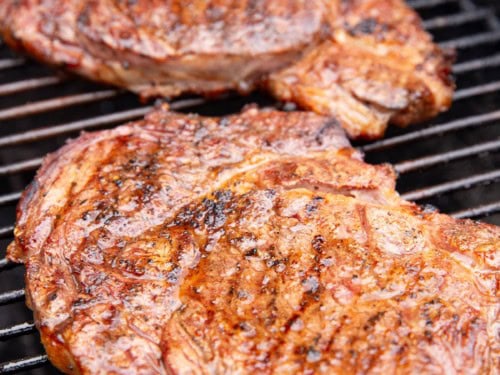
Check the steak’s firmness by pressing it gently; softer means rare, firmer means well done. Use a meat thermometer for accuracy, aiming for 130°F to 145°F depending on preference. Rest the steak before serving to keep juices inside.
Grilling a ribeye steak on a gas grill can be an art form. You want that perfect balance of a juicy interior with a beautifully seared exterior. But how do you know when your steak reaches that sweet spot of doneness? Checking for doneness is crucial, and it's a skill every grilling enthusiast should master. With a few simple techniques, you can confidently serve up the perfect ribeye every time. Let's explore the best ways to check for doneness.
Using A Meat Thermometer
A meat thermometer is your best friend for grilling. Insert it into the thickest part of the steak, away from bones or fat, to get an accurate reading. - Rare: 120°F to 130°F - Medium Rare: 130°F to 135°F - Medium: 135°F to 145°F - Medium Well: 145°F to 155°F - Well Done: 155°F and above Using a thermometer removes the guesswork. It also gives you confidence, especially when grilling for a crowd.
Touch Test Method
The touch test is a handy trick when you don't have a thermometer. Use the palm of your hand to gauge steak doneness. - Touch your thumb to your index finger and feel the fleshy part of your palm. That's the texture of a rare steak. - Touch your thumb to your middle finger for medium rare. - Your ring finger for medium, and your pinky for well done. This method requires practice but can be surprisingly accurate. It’s a great backup when you're caught without your trusty thermometer. How do you prefer to check your steak's doneness? Share your tips with fellow grill masters!
Credit: www.theroastedroot.net
Resting The Steak
Resting the ribeye steak after grilling is a key step for a juicy and tender result. This process lets the meat finish cooking evenly and keeps the juices inside. Skipping this step can cause the steak to lose flavor and become dry.
Why Resting Matters
When the steak cooks, its juices move toward the center. Resting allows these juices to redistribute throughout the meat. This makes each bite flavorful and moist. Cutting the steak too soon makes the juices spill out on the plate. The meat then turns tough and less tasty.
Ideal Resting Time
Rest the ribeye steak for about 5 to 10 minutes. The exact time depends on the steak’s thickness. Thicker steaks need closer to 10 minutes, thinner ones about 5. Cover the steak loosely with foil to keep it warm. Avoid wrapping it tightly, or the crust will soften.
Serving Suggestions
Serving your gas-grilled ribeye steak is just as important as cooking it perfectly. The right sides, sauces, and toppings can elevate your meal and bring out the best flavors in the steak. Think about what textures and tastes will balance the rich, juicy meat on your plate.
Complementary Sides
Choose sides that add contrast without overpowering the ribeye. Crisp, fresh vegetables like grilled asparagus or a simple arugula salad offer a refreshing bite. Creamy mashed potatoes or roasted garlic potatoes provide a comforting, hearty touch.
- Grilled corn on the cob with a hint of chili powder
- Roasted Brussels sprouts with a balsamic glaze
- Lightly seasoned sweet potato fries for a sweet and savory mix
- Classic Caesar salad with crunchy croutons and shaved Parmesan
Have you ever noticed how a bit of acidity can brighten a meal? A squeeze of lemon on your greens or a dash of vinegar in your slaw can make your ribeye shine even more.
Sauces And Toppings
Think about sauces that complement the natural beef flavor rather than mask it. A simple chimichurri with fresh herbs and garlic adds a zesty kick. Blue cheese butter melts beautifully over a hot steak, giving you a rich, creamy layer.
- Mushroom and shallot sauté for an earthy, umami boost
- Horseradish cream for a spicy, tangy punch
- Classic steak sauce for a familiar, bold flavor
- Caramelized onions to add a sweet and savory depth
Consider how each topping interacts with the steak’s charred crust and juicy interior. What combination will make your taste buds sit up and take notice?
Troubleshooting Common Issues
Common gas grill problems like uneven heat or flare-ups can spoil ribeye steak. Checking grill temperature and cleaning burners often solves these issues quickly. Adjusting flame height helps avoid burning or undercooking the meat.
Grilling a ribeye steak to perfection is an art, and like any art, it comes with its share of challenges. You might find yourself facing dryness, flare-ups, or uneven cooking. But don't worry—these common issues are easy to troubleshoot with a bit of knowledge and preparation. Let's dive into some practical solutions to keep your ribeye steak juicy and flavorful.
Preventing Dryness
No one likes a dry steak. To keep your ribeye moist, start by selecting a cut with good marbling. The fat within the marbling melts during grilling, keeping the steak juicy. Before grilling, let your steak come to room temperature. This helps it cook more evenly and retain moisture. Also, avoid piercing the steak with a fork, as this can release the juices. Use tongs to flip your steak instead. Timing is crucial. A digital meat thermometer can be your best friend. Aim for an internal temperature of 130°F for medium-rare. Pulling the steak off the grill a few degrees early allows it to reach the perfect temperature as it rests.
Avoiding Flare-ups
Flare-ups can char your steak and ruin its flavor. To prevent this, trim excess fat from the edges of the ribeye. Less fat means fewer drippings to ignite flames. Keep your grill clean. Old grease can cause unexpected flare-ups. A clean grill not only reduces this risk but also ensures a better-tasting steak. Have a water spray bottle handy. If flames get too high, a quick spray can tame them. But be gentle—too much water can lower the grill's temperature and disrupt cooking. What other tricks do you use to keep your grill sessions smooth and your steaks succulent?
Frequently Asked Questions
How Long To Gas Grill Ribeye Steak?
Grill ribeye steak for 4-6 minutes per side on high heat. Use a meat thermometer to check for desired doneness. Medium-rare is 130-135°F, medium is 140-145°F. Rest steak for 5 minutes before serving to retain juices.
What Gas Grill Temperature Is Best For Ribeye?
Preheat your gas grill to high heat, around 450-500°F. High heat sears the steak, locking in flavor and juices. After searing, reduce heat to medium to cook steak evenly without burning.
Should Ribeye Steak Be Marinated Before Grilling?
Ribeye steak doesn’t require marinating due to its natural marbling. Season with salt, pepper, and preferred spices before grilling. Marinating can enhance flavor but is optional for this tender cut.
How To Prevent Ribeye From Sticking To Grill?
Oil the grill grates and steak lightly before cooking. Preheat the grill to high heat for proper searing. Avoid moving the steak too soon; wait until it naturally releases from the grill.
Conclusion
Grilling a ribeye steak on a gas grill can be simple and fun. Start with good meat and a clean grill. Keep the heat high to get a nice sear. Cook the steak to your favorite doneness. Let it rest before cutting for juicy results.
With practice, your ribeye will taste great every time. Enjoy the process and the delicious meal. Try different seasonings to find your best flavor. Gas grilling makes steak nights easy and tasty.