Grilling chicken legs on a gas grill can be simple and delicious when you know the right steps. You want juicy, flavorful chicken with crispy skin every time, without the guesswork or frustration.
This guide will show you exactly how to get perfect chicken legs on your gas grill, whether you’re a beginner or just looking to improve your grilling game. Ready to impress your friends and family with mouthwatering grilled chicken? Keep reading, and you’ll learn tips that make your next cookout a hit.
Choosing The Right Chicken Legs
Choosing the right chicken legs can make or break your gas grilling experience. The flavor, texture, and cooking time all depend on the quality and type of chicken legs you select. Knowing what to look for saves you time and guarantees juicy, delicious results every time you fire up the grill.
Fresh Vs Frozen
Fresh chicken legs usually offer better flavor and texture. They tend to be juicier and cook more evenly on a gas grill. However, frozen chicken legs can be just as good if you thaw them properly—slow thawing in the fridge is key to preserving moisture.
Have you noticed a difference in taste between fresh and frozen chicken? Many people overlook the thawing process, but rushing it can lead to uneven cooking and dryness. Always plan ahead to let frozen legs defrost gradually for the best grilling experience.
Size And Quality Tips
The size of chicken legs affects cooking time and heat distribution. Larger legs take longer to cook but tend to stay moist inside. Smaller legs cook faster but can dry out if left on the grill too long.
Look for chicken legs with smooth, unblemished skin and firm flesh. Avoid any with discoloration or an unpleasant smell. If you can find organic or free-range options, they often have better flavor and texture due to their diet and living conditions.
- Choose evenly sized legs to ensure consistent cooking.
- Check the packaging date for freshness.
- Consider skin-on legs for extra flavor and moisture retention.
Have you ever grilled chicken legs that ended up dry or tough? The secret often lies in the initial choice you make at the store or market. Selecting the right legs sets you up for grilling success from the start.
Credit: lemonsandzest.com
Preparing Chicken Legs For Grilling
Getting your chicken legs ready for the grill is a crucial step that can make or break your meal. Proper preparation ensures the flavors soak in and the meat cooks evenly, leaving you with juicy, delicious results every time. Let’s dig into the essential steps to prep your chicken legs right.
Trimming And Cleaning
Start by rinsing the chicken legs under cold water to remove any residue or loose bits. Pat them dry with paper towels to help the skin crisp up during grilling.
Check for excess fat or leftover feathers and trim them off with a sharp knife. This helps avoid flare-ups on the grill and keeps the taste clean.
Marinades And Rubs
Marinades add moisture and flavor, but rubs bring an intense, concentrated taste to your chicken legs. You can use a simple mix of olive oil, garlic, paprika, salt, and pepper for a quick rub.
Think about how long you have before grilling: marinades work best when chicken soaks for at least 2 hours, while rubs can be applied right before cooking. What flavor profiles excite you most? Sweet, spicy, or smoky?
Try mixing lemon juice or vinegar in your marinade to tenderize the meat and add a tangy punch.
Brining Basics
Brining is a game changer for juicy chicken legs. Soaking your legs in a saltwater solution for a few hours helps the meat retain moisture during grilling.
A simple brine uses 1/4 cup of salt dissolved in 4 cups of water. You can add sugar, herbs, or spices to customize the taste.
Have you ever noticed how brined chicken stays tender even if you accidentally grill it a bit longer? That’s the magic of brining in action.
Setting Up Your Gas Grill
Setting up your gas grill properly is the first step to achieving perfectly cooked chicken legs. A well-prepared grill ensures even cooking and adds that smoky flavor everyone loves. Before you place your chicken on the grates, take the time to get your grill ready.
Preheating Tips
Preheat your gas grill for about 10 to 15 minutes with the lid closed. This helps the grill reach an even temperature, which is crucial for cooking chicken legs thoroughly without burning the skin.
Use a grill thermometer to check the heat. You want the grill to be around 350°F to 375°F for chicken legs. This temperature range allows the meat to cook through evenly while getting that crispy outside.
Direct Vs Indirect Heat Zones
Create two heat zones on your grill by turning on only one side. The hot side is your direct heat zone, perfect for searing chicken legs to get a golden crust.
The cooler side is your indirect heat zone, where you can move the chicken legs to finish cooking without burning. Do you usually rush to flip your chicken? Try using indirect heat and notice how it prevents flare-ups and keeps the meat juicy.
Cleaning And Oiling Grates
Before grilling, clean the grates with a wire brush to remove any leftover food or debris. This prevents sticking and helps you achieve those beautiful grill marks.
After cleaning, oil the grates lightly using a paper towel dipped in vegetable oil. Use tongs to rub the oil on the grates—this simple step stops the chicken skin from sticking and tearing when you flip.
Grilling Techniques For Perfect Chicken Legs
Grilling chicken legs on a gas grill is simple and rewarding. The right techniques make them juicy and flavorful. Focus on heat control and timing. These help avoid dry or burnt meat. Follow key steps to get perfect chicken legs every time.
Placing Chicken On The Grill
Start by preheating the grill to medium heat. Clean the grates well to prevent sticking. Place chicken legs on the cooler side of the grill first. This avoids flare-ups from dripping fat. Arrange legs with space between them. This ensures even cooking and good airflow.
Managing Heat Levels
Use two-zone cooking for better control. One side should be hotter for searing. The other side stays cooler for slow cooking. Start legs on the hot side for a crispy skin. Then move them to the cooler side to cook through. Keep the lid closed to keep heat steady.
Flipping And Rotating
Turn chicken legs every 5 to 7 minutes. Use tongs to avoid piercing the meat. Rotate legs for even browning and cooking. Watch for flare-ups and move legs if needed. Consistent flipping prevents burning and dries out less.
Using A Meat Thermometer
Check the internal temperature to ensure doneness. Insert the thermometer into the thickest part of the leg. Avoid touching the bone for accurate reading. Chicken legs are safe at 165°F (74°C). Remove from grill at this temperature for juicy meat.
Achieving Juicy And Tender Results
Achieving juicy and tender chicken legs on a gas grill requires careful attention to grilling time and temperature. Marinate the chicken for enhanced flavor, and grill over medium heat until fully cooked, turning occasionally. This approach ensures delicious and succulent results every time.
Achieving Juicy and Tender Results Grilling chicken legs to perfection is an art that can transform a simple meal into a delightful experience. The goal is to achieve juicy and tender results every time. This means balancing the heat, timing, and technique to ensure your chicken legs are mouthwateringly good.
Avoiding Overcooking
Overcooking is the enemy of juicy chicken legs. It's easy to get distracted and leave them on the grill for too long. Use a meat thermometer to check the internal temperature, aiming for 165°F (75°C) for perfectly cooked chicken. If you don't have a thermometer, look for clear juices and a firm texture. Remember, chicken continues to cook even after it's removed from the grill, so don't wait until it's dry.
Resting Time After Grilling
Resting your chicken legs after grilling is crucial for retaining moisture. Let them sit for about five minutes before serving. This resting period allows the juices to redistribute throughout the meat. Skipping this step can result in dry, less flavorful chicken. So, be patient and let the grill do its magic even after the heat is off.
Optional Basting And Saucing
Basting and saucing can add an extra layer of flavor to your chicken legs. Consider brushing on your favorite sauce during the last five minutes of grilling. This ensures the sauce caramelizes without burning. Experiment with different sauces to find your favorite combination. Whether it's a sweet BBQ or a spicy marinade, the choice is yours. Are you ready to impress your guests with perfectly grilled chicken legs? Follow these tips for juicy, tender results every time.
Troubleshooting Common Issues
Grilling chicken legs on a gas grill can sometimes lead to small problems. Knowing how to fix these issues helps make your chicken juicy and tasty every time. This section covers common problems and easy ways to solve them.
Dry Or Tough Chicken
Dry chicken often means it cooked too long or at too high heat. Chicken legs need moderate heat to stay juicy. Use a meat thermometer to check for an internal temperature of 165°F (74°C). Let the chicken rest after grilling; this keeps moisture inside.
Marinate the chicken before grilling to add moisture. Avoid flipping too often, which can break the skin and dry the meat.
Uneven Cooking
Uneven cooking happens when heat spreads unevenly on the grill. Use indirect heat by turning off one burner and placing chicken on that side. This cooks the chicken slowly and evenly.
Keep the grill lid closed to keep heat steady. Turn chicken legs regularly to avoid hot spots. Arrange chicken pieces with space between them for better air flow.
Flare-ups And Charring
Flare-ups occur when fat drips onto the flames, causing sudden bursts of fire. Keep a spray bottle of water nearby to control small flare-ups. Trim excess fat from chicken legs before grilling.
Move chicken away from flames if flare-ups happen. Use a two-zone grill to cook over indirect heat and avoid burning. Watch your chicken closely; charred skin tastes bitter and can be unhealthy.
Serving Suggestions
Serving your gas-grilled chicken legs is just as important as cooking them perfectly. The right sides and presentation can turn a simple meal into a memorable feast. Think about how you want your guests or family to enjoy the flavors and textures on their plates.
Side Dishes That Pair Well
Choose sides that balance the smoky, juicy flavor of grilled chicken legs. Fresh, crisp salads like a tangy coleslaw or cucumber salad add a refreshing crunch. Roasted vegetables, such as asparagus or sweet potatoes, bring warmth and earthiness to the table.
If you prefer something heartier, try garlic mashed potatoes or buttery corn on the cob. Beans baked in a tomato sauce or a light quinoa salad can also complement the chicken nicely. Don’t forget to add a dipping sauce or two—like a spicy barbecue or cool ranch—to enhance every bite.
Presentation Tips
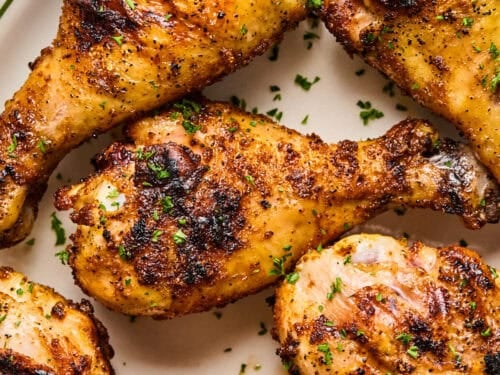
Arrange your chicken legs on a large platter with the sides around them for easy serving. Use fresh herbs like parsley or cilantro to sprinkle over the dish, adding color and a hint of aroma. Placing lemon wedges nearby invites your guests to add a zesty kick.
Consider the textures and colors on your plate—bright vegetables next to golden chicken create visual appeal. Use rustic wooden boards or simple white plates to keep the focus on your food. How can you make your meal look as delicious as it tastes?

Credit: ourzestylife.com

Credit: ourzestylife.com
Frequently Asked Questions
How Long To Gas Grill Chicken Legs?
Grill chicken legs for 25-30 minutes over medium heat. Turn every 5-7 minutes for even cooking. Ensure internal temperature reaches 165°F for safety.
What Temperature Is Best For Gas Grilling Chicken Legs?
Set your gas grill to medium heat, around 350°F. This temperature cooks chicken legs evenly without burning the skin. Use a grill thermometer to maintain consistent heat.
Should Chicken Legs Be Marinated Before Grilling?
Yes, marinating chicken legs adds flavor and keeps meat juicy. Marinate for at least 30 minutes or up to overnight. Use your favorite marinade with herbs, spices, and acid.
How To Prevent Chicken Legs From Sticking To Grill?
Oil the grill grates and chicken legs before cooking. Preheat the grill properly to reduce sticking. Avoid flipping too often; let the chicken sear for a few minutes first.
Conclusion
Grilling chicken legs on a gas grill is simple and fun. Start with clean, hot grill grates. Keep the heat medium to cook chicken evenly. Use a meat thermometer to check doneness. Let the legs rest a few minutes after cooking.
This helps keep the juices inside. Try different marinades for new flavors. Enjoy juicy, tasty chicken every time you grill. Practice makes perfect with this easy method. Ready for your next barbecue?