Are you looking for a simple way to save time on busy days? Freezing a casserole in a foil pan can be your secret weapon.
It lets you prepare meals ahead and have delicious dinners ready whenever you want. But how do you do it right, so your casserole stays fresh and tastes great? You’ll discover easy steps to freeze your casserole perfectly, avoid common mistakes, and enjoy hassle-free meals anytime.
Keep reading, and make mealtime easier than ever!
Choosing The Right Foil Pan
Choosing the right foil pan is key for freezing casseroles. The pan must fit your dish well and hold up during freezing and reheating. The wrong pan can cause spills or freezer burn. Knowing the differences in size, depth, and strength helps pick the best one for your meal.
Size And Depth Matters
Pick a foil pan that fits your casserole exactly. Too small, and the food may spill over. Too big, and the casserole will freeze unevenly. Depth also matters. A shallow pan works for thin casseroles. A deeper pan suits thick or layered dishes.
Choose pans that match your recipe’s size. This keeps the casserole fresh and easy to store. It also helps with even cooking when reheating.
Heavy-duty Vs. Standard Pans
Heavy-duty pans are thicker and stronger. They resist bending and leaks better than standard pans. This makes them ideal for heavy casseroles or multiple freezing and reheating cycles.
Standard pans are lighter and cheaper. They work well for simple, light casseroles eaten soon after freezing. Choose heavy-duty for meals that need extra protection in the freezer.
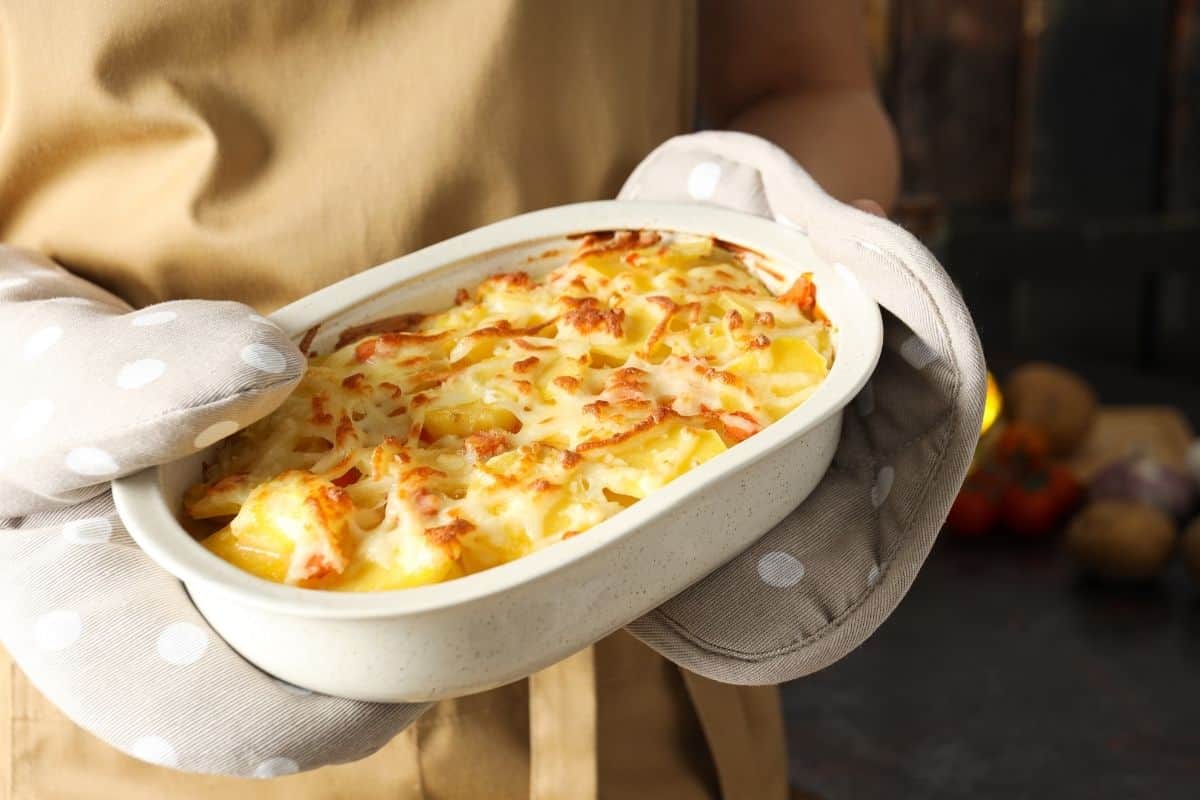
Credit: theyummybowl.com
Preparing The Casserole For Freezing
Preparing a casserole for freezing helps keep its taste and texture intact. Proper preparation stops ice crystals from forming. It also prevents sogginess and freezer burn. Follow these steps to prepare your casserole correctly before freezing it in a foil pan.
Cooling The Casserole Completely
Cooling the casserole completely is crucial. Hot food creates steam inside the pan. Steam causes sogginess and ice crystals during freezing. Let the casserole sit at room temperature until it reaches a cool state.
Avoid placing hot casseroles directly into the freezer. This raises the freezer's temperature and affects other foods. Cooling prevents bacteria growth and keeps food safe.
Portioning For Convenience
Portioning the casserole into smaller servings makes reheating easier. Divide the dish into individual or family-sized portions. Use separate foil pans or cover sections with foil to create portions.
Label each portion with the date and contents. This helps with meal planning and avoids food waste. Portioning saves time and makes meals ready to heat quickly.
Packing The Casserole Properly
Packing a casserole properly before freezing helps keep it fresh and tasty. It prevents freezer burn and keeps unwanted odors away. Proper packing also makes it easier to store and reheat later.
Using the right materials and sealing the casserole well protects its flavor and texture. Taking a little extra care now saves time and effort after thawing.
Using Plastic Wrap And Foil
Start by covering the casserole with a layer of plastic wrap. Press the wrap tightly against the surface to keep air out. Make sure no part of the casserole is exposed.
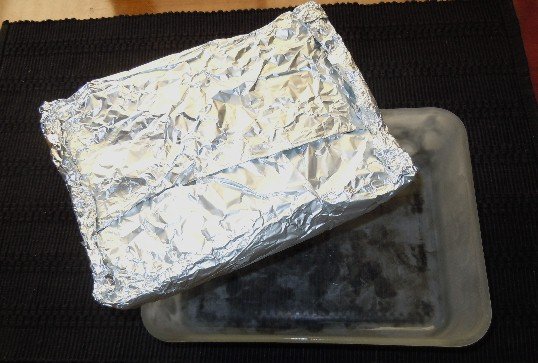
Next, cover the plastic-wrapped pan with a sheet of heavy-duty aluminum foil. Wrap the foil securely around the edges of the pan. This double layer stops moisture loss and freezer burn.
Check for any holes or gaps in the foil. If found, add extra foil or wrap to seal completely. Proper wrapping keeps the casserole fresh for weeks.
Labeling For Easy Identification
Label the foil pan clearly before freezing. Write the name of the casserole and the date you made it. Use a permanent marker that won’t fade in the freezer.
Place the label on the foil where it is easy to see. This helps you find the dish quickly without opening packages.
Include reheating instructions or special notes if needed. Clear labels reduce waste and keep your freezer organized.
Credit: kitchendance.com
Freezing Techniques
Freezing a casserole in a foil pan keeps it fresh and ready for future meals. Using the right techniques helps maintain the dish's taste and texture. Proper freezing methods prevent freezer burn and preserve quality.
Flat Freezing For Stability
Place the casserole pan on a flat surface inside the freezer. This prevents spills and uneven freezing. Keep the pan level until the casserole is fully frozen. Flat freezing keeps the layers intact and avoids messes.
Avoiding Temperature Fluctuations
Keep the freezer door closed as much as possible. Sudden temperature changes cause ice crystals and freezer burn. Store casseroles away from the freezer door to reduce exposure to warm air. Consistent cold keeps the casserole fresh longer.
Thawing And Reheating Tips
Freezing a casserole in a foil pan ensures easy storage and reheating. Cover it tightly with foil to prevent freezer burn. Label it with the date and contents for quick identification later.
When freezing casseroles in foil pans, knowing how to thaw and reheat is vital. Proper techniques ensure your casserole retains its flavors and texture. Here are some essential tips for thawing and reheating your casseroles effectively.
Safe Thawing Methods
Thawing casseroles in the fridge is the safest method. Place the casserole in the fridge for 24 hours. This slow method prevents bacteria growth. If short on time, use the cold-water method. Submerge the casserole in cold water, changing the water every 30 minutes. Ensure the foil pan is sealed tightly. Never thaw casseroles at room temperature.
Oven Reheating Instructions
Preheat your oven to 350°F (175°C). Remove any plastic wrap from the casserole. Cover the pan with foil to prevent drying. Place the casserole in the oven for 30 to 40 minutes. Check the internal temperature; it should reach 165°F (74°C). For a crispy top, uncover the casserole for the last 10 minutes. Allow it to cool slightly before serving.
Common Mistakes To Avoid
Freezing casseroles in foil pans is a fantastic way to save time and enjoy homemade meals later. However, a few common mistakes can turn your well-planned freezer meal into a soggy or freezer-burned disappointment. Avoiding these pitfalls will help keep your casserole fresh, tasty, and ready to heat whenever you need it.
Skipping The Cooling Step
Placing a hot casserole directly into the freezer might seem like a time-saver, but it actually causes problems. The heat can raise the freezer’s temperature, leading to partial thawing of other foods and uneven freezing of your casserole.
More importantly, the trapped heat creates condensation inside the foil pan, which turns into ice crystals. When you reheat, this moisture can make your casserole watery instead of deliciously creamy. Always let your casserole cool completely before sealing and freezing.
Using Thin Foil Pans
Thin foil pans may look convenient and cheap, but they often fail to protect your casserole properly. They can easily bend or leak, causing spills in your freezer and loss of flavor and texture in your food.
Thicker, sturdier foil pans provide better insulation and reduce the risk of freezer burn. Have you ever opened a frozen casserole only to find frost or freezer burn on the edges? That’s often the result of using flimsy pans that don’t seal well or protect against air exposure.
Extra Tips For Best Results
Freezing casseroles in foil pans works best with a few extra tips. These small steps help keep flavors fresh and textures just right. Follow these to enjoy your meals like they were just cooked.
Adding Moisture Before Reheating
Casseroles can dry out during freezing and reheating. Adding a little moisture helps keep them juicy and tender.
- Sprinkle a few tablespoons of broth or water over the casserole before reheating.
- Cover the pan tightly with foil to trap steam and moisture inside.
- Heat slowly at a low temperature for even warming and less drying.
Freezing Sauces Separately
Some sauces freeze better apart from the casserole. This keeps the sauce fresh and prevents soggy textures.
- Freeze thick or creamy sauces in airtight containers or freezer bags.
- Thaw sauces in the fridge before reheating with the casserole.
- Mix sauce into the casserole just before serving for best flavor.
Credit: veganinthefreezer.com
Frequently Asked Questions
How Long Can You Freeze A Casserole In Foil Pans?
You can freeze casseroles in foil pans for up to 3 months. Use airtight wrapping to prevent freezer burn and maintain flavor.
Should You Cover Foil Pans When Freezing Casseroles?
Yes, always cover foil pans tightly with plastic wrap or foil. This protects the casserole from freezer odors and moisture loss.
Can You Freeze Casseroles Without Cooking Them First?
Yes, you can freeze uncooked casseroles in foil pans. Just assemble, cover securely, and freeze. Cook directly from frozen or thaw first.
How To Reheat A Casserole Frozen In A Foil Pan?
Reheat frozen casseroles in the foil pan at 350°F (175°C). Cover with foil initially, then uncover to brown the top before serving.
Conclusion
Freezing a casserole in a foil pan saves time and effort later. Use proper wrapping to keep food fresh and avoid freezer burn. Label the pan with the date and contents for easy use. Thaw the casserole safely before reheating to enjoy the best taste.
This simple method helps you prepare meals ahead and reduces stress. Try it for your next big meal or busy day. You’ll find it convenient and practical every time.