Are busy mornings keeping you from enjoying a hearty breakfast? Imagine having a delicious, homemade breakfast ready to go whenever you want.
Freezing a breakfast casserole is the secret to saving time and stress without sacrificing flavor. You’ll learn simple, effective steps to freeze your casserole perfectly. Whether you’re prepping for a busy week or a special occasion, these tips will make your mornings easier and your meals tastier.
Keep reading to discover how you can enjoy a warm, satisfying breakfast anytime—without the hassle.

Choosing The Right Casserole
Choosing the right casserole is key to freezing success. Not every breakfast casserole holds up well in the freezer, so you need to think about the ingredients and how they react to freezing and thawing. Picking the right combination can save you from soggy textures and bland flavors later.
Best Ingredients For Freezing
Look for ingredients that keep their texture after freezing. Eggs, cheese, cooked meats like sausage or bacon, and sturdy vegetables such as bell peppers or spinach freeze well.
Potatoes work too, but shredded or diced potatoes hold up better than sliced ones. Using full-fat cheese helps maintain creaminess and flavor after thawing.
Try to avoid delicate greens like lettuce or raw tomatoes, as they become mushy. Think about what you’d want to eat cold or reheated — that’s usually a good guide.
Avoiding Watery Components
Watery ingredients cause your casserole to become soggy once thawed. Avoid or reduce high-moisture items like fresh mushrooms, zucchini, or watery vegetables.
If you want to include them, cook or sauté them first to remove excess water. Also, drain canned vegetables thoroughly before adding them.
Consider how much liquid you add to the egg mixture. Less milk or cream means less chance of watery leftovers. Have you ever bitten into a frozen casserole only to find it watery? Adjusting these details prevents that.
Preparing Your Casserole
Preparing your breakfast casserole correctly before freezing can make all the difference in taste and texture later. Taking a few extra minutes now ensures your casserole will reheat beautifully and stay delicious. Let’s look at how to get your casserole ready for the freezer with care and precision.
Cooking Before Freezing
Decide whether you want to freeze your casserole raw or partially cooked. Cooking it halfway can help maintain the texture of ingredients like eggs and vegetables. For example, lightly baking the casserole for 20-25 minutes before freezing sets the eggs without fully cooking them, which prevents sogginess later.
Be mindful not to overcook at this stage; the casserole will finish cooking when reheated. If you prefer freezing it raw, ensure all ingredients are fresh and evenly mixed. This method can save time but requires careful thawing to avoid uneven cooking.
Assembling With Care
Layer your ingredients thoughtfully to keep flavors balanced after freezing. Start with a base like bread or hash browns, then add cheese and meat, and finish with eggs and seasoning. Distribute ingredients evenly to prevent dense or watery spots.
Use a freezer-safe dish or wrap your casserole tightly with plastic wrap and foil to avoid freezer burn. Label it with the date and contents so you won’t forget what’s inside or how long it’s been stored. How often do you find forgotten meals lost in the freezer? Proper labeling can save you from that.
Freezing Techniques
Freezing your breakfast casserole is a smart way to save time and reduce morning stress. The key to preserving its flavor and texture lies in the freezing techniques you choose. Proper handling ensures that your casserole tastes just as good when reheated as it does fresh from the oven.
Portion Sizes And Containers
Think about how you want to serve your casserole later. Freezing in individual portions makes reheating faster and cuts down on waste. You can also freeze the entire casserole if you plan to use it all at once.
Choose containers that fit your needs. Glass baking dishes work well for whole casseroles and can go from freezer to oven. For smaller portions, use airtight plastic containers or heavy-duty freezer bags to save space.
Consider this: Have you ever struggled to find a container that fits your casserole perfectly? Using containers that match your meal plans simplifies your mornings and helps avoid freezer clutter.
Wrapping And Sealing Tips
Prevent freezer burn by wrapping your casserole tightly. Start with a layer of plastic wrap pressed directly on the surface, then add a layer of aluminum foil for extra protection. This double layer keeps moisture in and air out.
Label your casserole with the date and contents using a permanent marker. This small step saves you from mystery meals and keeps your freezer organized.
Don’t forget to remove as much air as possible from bags or containers before sealing. Air is the enemy of frozen food quality and can cause the casserole to dry out or develop off-flavors.
Labeling And Storing
Proper labeling and storing are key to keeping your breakfast casserole fresh and easy to find. Clear labels prevent confusion and help track how long the casserole stays good. Storing the casserole correctly in the freezer preserves its taste and texture.
Date And Contents
Use a permanent marker or freezer-safe labels to mark the casserole. Write the name of the dish clearly.
- Include the date you froze it.
- Note the main ingredients, especially if it has allergens.
- Keep the label visible on the container or bag.
This simple step helps you use the casserole before it loses quality. It also avoids wasting food.
Freezer Organization
Organize your freezer to find casseroles quickly and avoid overcrowding.
- Group similar meals together, like breakfast items in one section.
- Use clear containers or freezer bags for easy identification.
- Stack casseroles flat to save space and maintain shape.
- Place newer casseroles behind older ones to use the oldest first.
Good organization keeps your freezer tidy. It also helps keep your casseroles fresh longer.
Thawing Safely
Thaw breakfast casseroles in the fridge overnight to keep them safe and fresh. Avoid leaving them out at room temperature to prevent bacteria growth. For quick thawing, use the microwave but cook immediately after.
Thawing a breakfast casserole safely is crucial for preserving its taste and texture. Proper thawing ensures your casserole remains delicious and safe to eat. Here, we cover two main thawing methods. Each method provides flexibility based on your schedule and needs.
Overnight Thawing Methods
This is a simple and effective method. Transfer your frozen casserole to the refrigerator. Let it thaw slowly overnight. This gradual thawing maintains the casserole's flavor and consistency. It also reduces the risk of bacterial growth. Ensure your fridge is at a safe temperature. Below 40°F is ideal. This keeps your food safe and fresh.
Quick Thawing Options
Sometimes, you need a faster method. Use the microwave's defrost setting for a quick thaw. This method needs care to avoid partial cooking. Check the casserole frequently. Rotate and flip it during thawing for even results. For another quick option, use cold water. Place the sealed casserole in a sink of cold water. Change the water every 30 minutes. This speeds up the thawing while keeping it safe. Both methods ensure your breakfast casserole is ready to enjoy. Choose based on your timing and preference. Enjoy a warm, comforting meal with every bite.

Reheating For Best Results
Reheating your frozen breakfast casserole properly can make a huge difference in taste and texture. The goal is to warm it thoroughly without drying it out or making it soggy. Understanding the right reheating technique helps you enjoy your casserole as if it were freshly made.
Oven Reheating Instructions
Oven reheating is the best way to preserve the casserole’s crispy edges and creamy center. Preheat your oven to 350°F (175°C). Cover the casserole loosely with foil to keep moisture in and prevent burning on top.
Heat the casserole for about 25-30 minutes if thawed, or 45-60 minutes if frozen. Check the center with a knife or thermometer; it should reach 165°F (74°C) to be safe to eat. Removing the foil in the last 10 minutes helps restore that freshly-baked texture.
Have you noticed how reheating casseroles in the oven takes a bit longer but always tastes better? It’s worth the wait if you want that perfect balance of warmth and texture.
Microwave Tips
The microwave is the quickest way to reheat your breakfast casserole but requires a bit of care. Slice the casserole into individual portions for even heating. Place a microwave-safe cover or damp paper towel over the slice to trap steam and avoid drying out.
Heat on medium power for 2-3 minutes, then check the temperature. If it’s not hot enough, continue heating in 30-second bursts. Stir or rearrange the piece if possible to promote even warming.
Microwaving can sometimes make the casserole a little soggy or uneven, so try this method when you’re in a hurry. How do you balance speed and quality when reheating your favorite dishes?
Avoiding Common Mistakes
Freezing a breakfast casserole can save you time and effort on busy mornings, but it’s easy to make mistakes that affect the final result. Avoiding these pitfalls ensures your casserole tastes fresh and satisfying even after storage. Let’s look at key areas where many home cooks slip up and how you can prevent that.
Preventing Sogginess
Sogginess ruins the texture of a breakfast casserole faster than anything else. One common mistake is adding too many watery ingredients like tomatoes or fresh spinach without cooking them first. Drain excess moisture by sautéing or patting these ingredients dry before mixing.
Another tip is to avoid overloading the casserole with liquid. Use just enough milk or cream to bind ingredients, not soak them. After baking, let the casserole cool completely before freezing to prevent condensation inside the container.
Maintaining Flavor And Texture
Freezing can dull flavors if you don’t season the casserole properly before freezing. Don’t wait to add salt, pepper, and herbs until after thawing—season generously upfront. This helps the flavors meld during freezing and baking.
Texture changes can also happen if you freeze a casserole with too many soft ingredients like eggs and cheese mixed in. Try slightly undercooking the eggs or using firmer cheeses that hold up better after freezing. This small adjustment can make a big difference in how your casserole feels when reheated.
Frequently Asked Questions
How Long Can You Freeze A Breakfast Casserole?
You can freeze a breakfast casserole for up to 3 months. Wrap it tightly in foil or plastic wrap. Use an airtight container or freezer bag to prevent freezer burn. Label with the date for easy tracking.
Should I Freeze A Breakfast Casserole Before Or After Baking?
Freeze the casserole before baking for best texture and freshness. Prepare and assemble it, then cover tightly. When ready, bake from frozen or thaw overnight in the fridge first.
How Do I Thaw A Frozen Breakfast Casserole Safely?
Thaw your casserole in the refrigerator overnight. This keeps it at a safe temperature. Avoid thawing at room temperature to prevent bacteria growth. After thawing, bake as usual.
Can I Freeze A Breakfast Casserole With Dairy Or Eggs?
Yes, casseroles with dairy and eggs freeze well. Use fresh ingredients and avoid overcooking before freezing. This preserves texture and flavor when reheated.
Conclusion
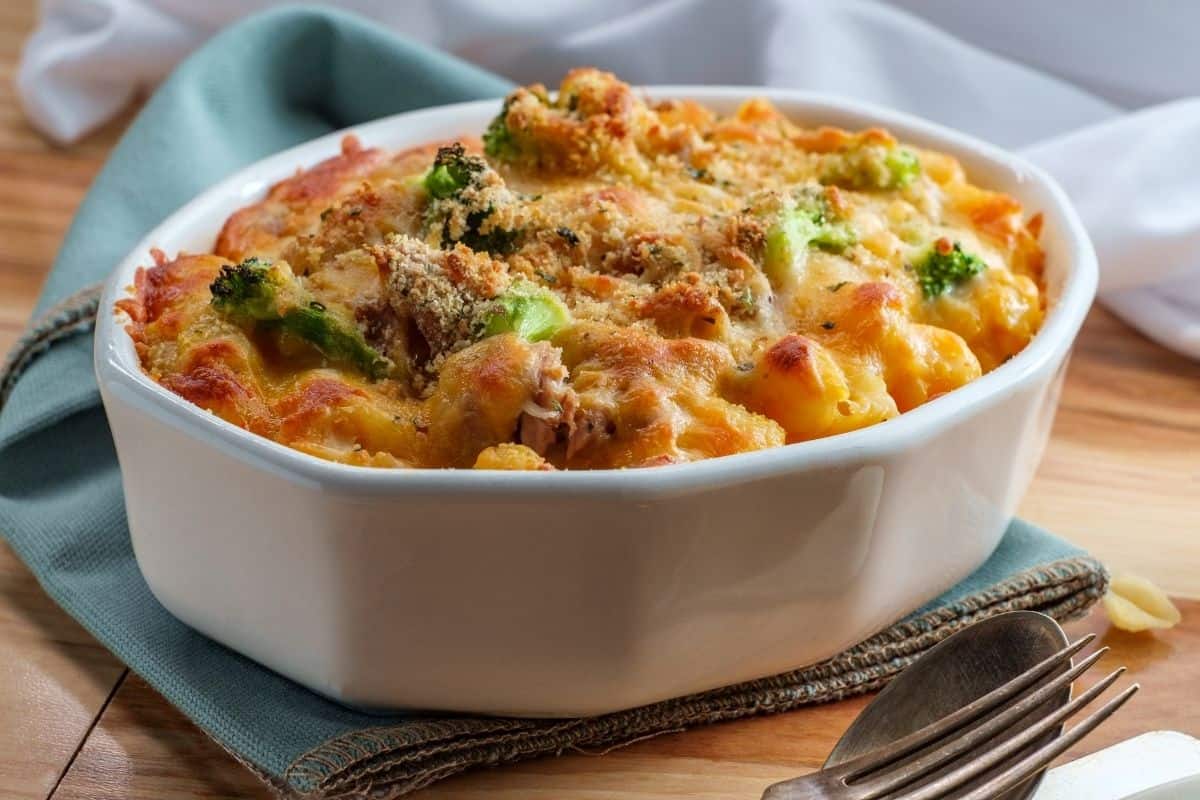
Freezing a breakfast casserole saves time and reduces morning stress. Prepare the casserole fully before freezing to keep flavors fresh. Wrap it tightly to avoid freezer burn and preserve taste. Label with the date for easy tracking. When ready, thaw overnight in the fridge for even cooking.
Reheat carefully to enjoy a warm, tasty meal. This simple step helps busy mornings run smoothly. Try freezing your casserole for quick, homemade breakfasts anytime. No need to skip a good meal on hectic days.