Is your refrigerator light not turning on when you open the door? It’s a small problem, but it can be really annoying.
You rely on that light to see inside clearly, especially when you’re in a hurry. Luckily, fixing the light in your refrigerator is easier than you might think. You’ll discover simple steps to get your fridge light shining bright again—no need to call a repair person right away.
Keep reading, and you’ll have your fridge working perfectly in no time.
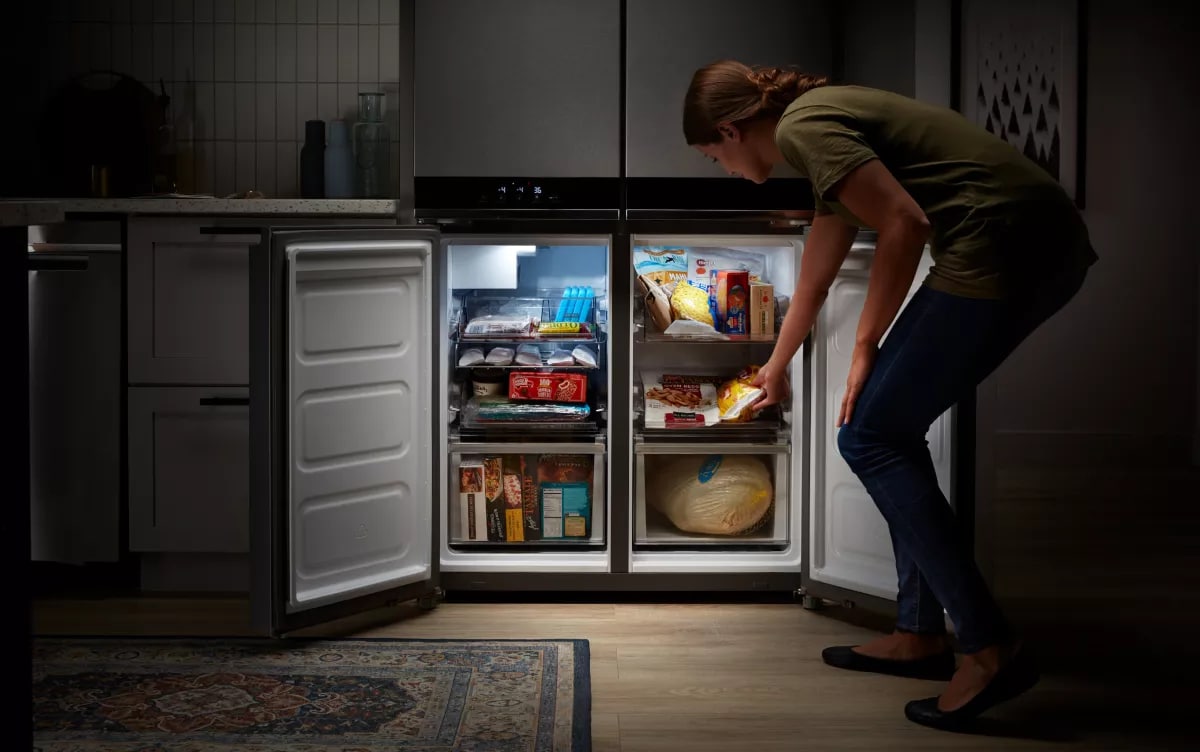
Credit: www.whirlpool.com
Common Causes Of Refrigerator Light Issues
Refrigerator light problems can be frustrating. The light inside your fridge helps you see your food clearly. When it stops working, it can cause inconvenience. Many factors cause these light issues. Understanding these common causes can help you fix the problem quickly.
Some causes are simple and easy to fix. Others may need a bit more attention. Knowing what to check first saves time and effort. This section explains the main reasons why your refrigerator light might not work.
Burnt Out Light Bulb
The most common cause is a burnt-out bulb. Like any light bulb, fridge bulbs have a limited life. Over time, they stop working and need replacement. Checking the bulb is the first step in fixing the light.
Faulty Light Switch
The light switch turns the fridge light on and off. It activates when you open or close the door. Sometimes, the switch gets stuck or breaks. A faulty switch can keep the light off or on all the time.
Loose Or Damaged Wiring
Wiring connects the light to the power source. Over time, wires can loosen or get damaged. This causes the light to flicker or not turn on at all. Inspecting the wiring can reveal hidden problems.
Power Supply Issues
The fridge needs a steady power supply for the light to work. Power surges or electrical faults can disrupt this supply. Checking the outlet and power cord ensures the fridge gets power properly.
Door Seal Problems
A faulty door seal can affect the light switch. If the door doesn’t close properly, the switch may not activate. This keeps the light off even when the door is open.
Credit: www.youtube.com
Safety Precautions Before Starting
Before you start fixing the light in your refrigerator, taking safety precautions is crucial. Working with electrical components can be risky if you overlook basic safety steps. A simple mistake might cause injury or damage your appliance.
Have you ever tried to fix something quickly and ended up making the problem worse? It’s easy to rush, but pausing to secure your safety saves time and trouble later.
Unplug The Refrigerator
Always unplug your refrigerator before working on its light. This cuts off the electricity and prevents shocks.
Even if the light seems off, the circuit may still carry current. Unplugging is the safest option.
Use Proper Tools
Make sure you have the right tools ready before you begin. Using improper tools increases the risk of slipping or damaging parts.
Tools like insulated screwdrivers and gloves give you better control and protect you from electrical hazards.
Work In A Dry Area
Check that the floor and your hands are dry before you start. Water conducts electricity and can cause serious accidents.
If your kitchen floor is wet or sticky, clean and dry it first. Safety means creating a secure workspace.
Handle Light Bulbs Carefully
Refrigerator bulbs can get hot or break easily. Always handle them gently and avoid applying too much force.
Wear gloves to protect your hands from cuts if a bulb breaks unexpectedly.
Check The Manufacturer’s Instructions
Look at your refrigerator’s manual before making repairs. It often includes safety warnings and specific guidance for your model.
Ignoring these instructions can lead to mistakes that are avoidable with a bit of reading.
Inspecting The Light Bulb
Inspecting the light bulb inside your refrigerator is the first step to fixing a lighting issue. Sometimes the problem is as simple as a burnt-out bulb, which you can identify and replace quickly. Other times, choosing the right replacement bulb can prevent future problems and ensure your fridge light stays bright.
Checking For Burnt Out Bulb
Start by unplugging your refrigerator for safety. Then, remove the bulb cover inside the fridge; this usually involves unscrewing or gently popping off a plastic cover.
Look closely at the bulb. Is the filament inside broken or blackened? If yes, the bulb is burnt out. Another way to test is to twist the bulb slightly; if it feels loose or flickers, it might be time to replace it.
Have you ever tried turning on the light only to find it’s completely dark? That’s a clear sign your bulb needs changing before you look deeper into wiring or switches.
Choosing The Right Replacement Bulb
Not all bulbs fit every refrigerator. Check your fridge’s manual or the bulb itself for specifications like wattage and size. Using a bulb with too high wattage can cause overheating.
LED bulbs are a smart choice because they last longer and use less energy. However, confirm that your fridge supports LED bulbs since some models require incandescent bulbs.
When buying a replacement, look for bulbs labeled specifically for refrigerator use. These are designed to handle cold temperatures and moisture better than regular bulbs.
Have you considered how a simple bulb choice can save you money and prevent frequent replacements? Making the right pick upfront can avoid frustration down the line.

Credit: www.youtube.com
Checking The Light Switch
Checking the light switch is a key step in fixing a refrigerator light. The switch controls the light turning on and off when the door opens or closes. Sometimes, the switch gets stuck or stops working. This can cause the light to stay off or on constantly. Testing the switch helps find if it needs replacement or simple cleaning.
Locating The Light Switch
The light switch is usually near the door frame inside the fridge. It looks like a small button or lever. This button presses in when the door closes, turning off the light. Open the fridge door and look around the edges. Check both sides of the door frame carefully. The switch might be hidden under a plastic cover.
Testing The Switch Functionality
Press the switch manually and listen for a clicking sound. The click means the switch moves freely. If there is no click, the switch might be stuck or broken.
Use a multimeter to test electrical continuity:
- Set the multimeter to the continuity or resistance mode.
- Disconnect power to the fridge for safety.
- Remove the switch from the fridge carefully.
- Touch the multimeter probes to the switch terminals.
- Press and release the switch button.
If the multimeter shows no change, the switch is faulty. Replace it with a new one to fix the light problem.
Examining The Door Switch
The door switch plays a key role in turning the refrigerator light on and off. It senses when the door opens or closes. A faulty door switch often causes the light to stop working. Examining this part helps find the problem fast. You can check its position and function with simple steps. Knowing how to test the door switch saves time and avoids extra repairs.
Identifying The Door Switch
The door switch is usually near the fridge door frame. It looks like a small button or a plastic lever. This switch presses in when the door closes. It releases when the door opens, triggering the light to turn on.
Common places to find the switch:
- On the fridge frame, where the door meets the body
- Inside the fridge, near the top or side
- Underneath the door gasket
Check your refrigerator manual for the exact location. You may need to remove a small cover to see the switch clearly.
Evaluating Switch Performance
Test the door switch by pressing and releasing it with your finger. Listen for a clicking sound. The click means the switch moves correctly.
Use a multimeter to check electrical continuity:
- Set the multimeter to the continuity test mode
- Remove the switch from the fridge carefully
- Place the multimeter probes on the switch terminals
- Press the switch; the multimeter should beep or show zero resistance
- No beep or high resistance means the switch is faulty
Replace the door switch if it fails the test. This simple fix often restores the fridge light’s function.
Reviewing The Wiring Connections
Reviewing the wiring connections is a key step in fixing a refrigerator light. The light may not work due to poor electrical contact. Checking the wires helps find loose or broken connections. This process ensures the light gets the power it needs. It also prevents electrical hazards and improves fridge safety.
Inspecting For Loose Wires
Start by unplugging the refrigerator for safety. Locate the light socket inside the fridge. Gently pull the cover or panel to access the wires. Look closely for any loose or disconnected wires. Wiggle the wires softly to check if they move freely. Loose wires can stop electricity from flowing to the light bulb. Also, check for signs of damage or frayed wiring. Damaged wires need to be replaced immediately.
Securing Connections
Use a screwdriver or pliers to tighten any loose wire connections. Push wires firmly into their terminals or connectors. Make sure no bare wire is exposed outside the connector. Cover exposed wires with electrical tape to prevent short circuits. Confirm all connections are secure and stable. After securing, plug the fridge back in and test the light. A properly secured connection often restores the fridge light’s function.
When To Call A Professional
Knowing when to call a professional to fix your refrigerator light can save you time, money, and frustration. Some issues might seem simple but can hide deeper electrical or mechanical problems. Recognizing these warning signs early helps you avoid worsening damage or safety risks.
Signs Of Electrical Problems
If your refrigerator light flickers, goes on and off randomly, or never turns on even after replacing the bulb, it could indicate an electrical issue. You might notice other appliances in your kitchen behaving oddly, which suggests a wiring problem.
Electrical faults can be dangerous to handle without proper tools and knowledge. Don't risk electric shock or causing a short circuit—calling a professional ensures the problem is diagnosed and fixed safely.
Issues Beyond The Light Bulb
When the light bulb is fine but the light still doesn't work, the problem might be with the socket, door switch, or wiring inside the fridge. These parts require specific skills and replacement components.
Have you checked the door switch yourself? If pressing it doesn’t turn the light on or off, that’s a clear sign a professional should step in. Trying to fix these parts without experience might lead to more damage.
Persistent Problems After Diy Attempts
Trying to fix the light yourself can be satisfying, but if the issue keeps coming back or you’re unsure about your repair, it’s time to get expert help. Continuous flickering or complete failure despite replacing bulbs suggests a deeper fault.
Imagine spending hours changing bulbs only to find the light dead again—wouldn’t you rather have it fixed right the first time? Professionals have the tools and knowledge to pinpoint hidden problems quickly.
Safety Concerns And Appliance Age
If your refrigerator is old or you notice burning smells, sparks, or unusual noises near the light area, stop what you’re doing immediately. These signs indicate electrical hazards that require urgent professional attention.
Older appliances often have worn-out wiring that can cause shorts or fires. Calling a technician protects your home and family from potential dangers.
Maintaining Refrigerator Lighting
Maintaining proper lighting inside a refrigerator helps keep food visible and fresh. Bright light makes it easy to find items quickly. Regular care of the light ensures it works without interruption. Simple steps can prevent common lighting problems.
Regular Inspections
Check the refrigerator light every few weeks. Open the door and see if the light turns on. Look for any flickering or dimness. Inspect the bulb for dust or damage. Clean the bulb cover gently to remove dirt. Ensure the door switch is not stuck or broken.
Timely Replacements
Replace the bulb as soon as it burns out. Use the correct bulb type for your refrigerator model. Avoid using bulbs with higher wattage than recommended. Turn off the fridge before changing the bulb to avoid shocks. Keep spare bulbs at home for quick replacements. Proper replacements keep the light bright and safe.
Frequently Asked Questions
Why Is My Refrigerator Light Not Turning On?
The light bulb may be burnt out or loose. Check the bulb and replace it if needed. Also, inspect the light switch and door switch for faults.
How Do I Replace A Refrigerator Light Bulb?
Unplug the refrigerator first. Remove the light cover carefully. Unscrew the old bulb and replace it with the correct wattage bulb. Reassemble and test the light.
Can A Faulty Door Switch Cause Light Issues?
Yes, a defective door switch can prevent the light from turning on. Test the switch with a multimeter and replace it if it is broken.
What Type Of Bulb Is Best For Refrigerator Lights?
LED bulbs are energy-efficient, long-lasting, and produce less heat. Make sure to select a bulb compatible with your refrigerator model.
Conclusion
Fixing the light in your refrigerator is simple and quick. Start by checking the bulb and its socket for damage. Replace the bulb with the correct type if needed. Clean the contacts to ensure a good connection. Test the light after each step to see if it works.
A working fridge light helps you find items easily. Small fixes save you time and money. Keep your fridge light bright and your food fresh. Don’t ignore a broken light; it’s easy to fix.