Have you ever been excited to enjoy homemade freezer jam, only to find it didn’t set properly? It’s frustrating when your hard work ends up with runny, sticky jam that just won’t thicken.
But don’t worry—you’re not alone, and the fix is simpler than you might think. You’ll discover easy steps to save your freezer jam and get it to the perfect consistency. Keep reading, and turn that disappointment into delicious success!
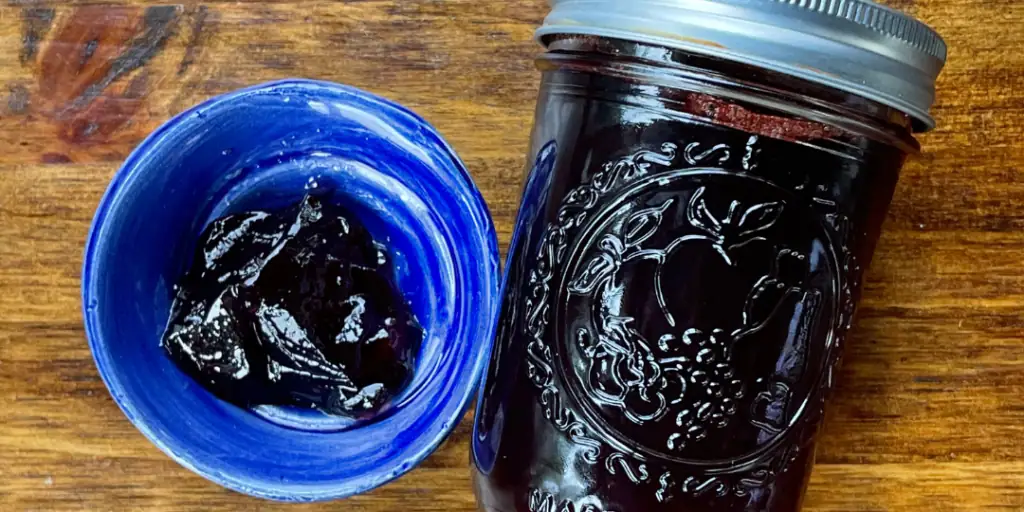
Credit: homelyhens.com
Causes Of Freezer Jam Issues
Freezer jam that fails to set can be frustrating. Understanding the common causes helps fix the problem quickly. Several factors can affect the jam’s texture and firmness. Identifying these issues improves your next batch.
Improper Setting Techniques
Setting jam requires precise steps. Skipping or rushing these steps can prevent proper gel formation. Stirring too little or too much affects the texture. Not boiling the mixture long enough keeps it runny. Cooling the jam incorrectly also stops it from setting.
Incorrect Ingredient Ratios
Using wrong amounts of fruit, sugar, or pectin changes the jam’s consistency. Too little sugar may stop the jam from thickening. Excess liquid dilutes the mixture, making it watery. The balance between ingredients is key for perfect gel. Always measure ingredients carefully before cooking.
Freezer Temperature Problems
Freezer temperature affects jam setting and storage. Temperatures that are too high cause the jam to soften. Freezer fluctuations can break the gel structure. Jam needs a steady, cold environment to set well. Check your freezer’s temperature and adjust if needed.

Credit: thecafesucrefarine.com
Checking Jam Consistency
Checking the consistency of your freezer jam is crucial to know if it has set properly or needs a fix. The texture and appearance often tell you more than a recipe ever could. By closely examining these clues, you can decide the next steps to get your jam perfect.
Visual And Texture Clues
Look at the surface of your jam first. Is it shiny and smooth, or does it look watery and loose? A properly set freezer jam should appear thick and slightly glossy, without liquid pooling on top.
Touch the jam gently with a clean spoon or your finger. Does it hold its shape or spread like syrup? If it feels runny or doesn't cling together, it likely hasn’t set.
Think about the fruit pieces too. Are they suspended evenly or sinking to the bottom? Uneven distribution can signal problems with the pectin or sugar balance.
Jelly Sheet Test
Here’s a quick way to test consistency: take a small spoonful of jam and place it on a cold plate or tray. Put it in the freezer for a few minutes to chill.
Once cold, press the jam gently with your finger. If it forms a jelly-like sheet that wrinkles when pushed, your jam has set well. If it remains sticky or liquid, it needs more time or adjustments.
This test helped me avoid wasting an entire batch. Catching the problem early means you can add more pectin or sugar before storing your jam.
Quick Fixes For Soft Jam
Soft jam can be frustrating, especially when you expect that perfect spreadable texture. Luckily, you don’t have to toss your batch just because it didn’t set right. There are simple, effective fixes that can turn your runny jam into a delightful treat without much hassle.
Re-cooking With Pectin
If your jam is too soft, re-cooking it with pectin can help it firm up. Pectin is a natural substance found in fruits that helps jams set properly. You can buy powdered or liquid pectin at most grocery stores.
To fix your jam, gently heat it again and stir in the pectin according to the package instructions. Keep stirring and bring it to a boil for a minute or two. This extra cooking helps the pectin activate and thicken your jam.
Have you ever noticed how some fruits naturally set jam better? Adding pectin mimics that effect and saves your batch from ending up as a syrupy mess.
Adding Natural Thickeners
Natural thickeners like chia seeds or ground flaxseeds can be a quick and healthy fix for soft jam. These ingredients absorb liquid and create a gel-like texture without changing the flavor much.
- Add about 1 tablespoon of chia seeds per cup of jam.
- Stir them in well and let the jam sit for 15-20 minutes.
- The seeds swell and thicken the jam naturally.
This method is great if you prefer a no-cook fix or want to add a nutritional boost. Have you tried adding something unexpected like chia seeds to your jam before?
Using Gelatin Or Agar
If you want a firmer set without relying on pectin, gelatin or agar can be your go-to agents. Gelatin is animal-based, while agar is a plant-based alternative derived from seaweed.
To use gelatin, sprinkle it over a small amount of cold water and let it bloom for a few minutes. Then, warm the jam slightly and stir in the gelatin until it dissolves completely.
Agar works similarly but needs to be boiled with the jam to activate its gelling properties. This option is perfect if you want a clear, jelly-like finish. Would you try agar as a vegan-friendly thickener for your next batch?

Credit: thecafesucrefarine.com
Preventing Future Jam Failures
Store freezer jam in small, airtight containers to prevent freezing issues. Avoid overfilling jars and leave room for expansion during freezing. Regularly check freezer temperature to keep it steady and cold.
Preventing future jam failures ensures your freezer jam sets perfectly every time. Successful jam-making starts with understanding key elements like fruit choice, precise measurements, and maintaining freezer conditions. By mastering these aspects, you can enjoy consistent results and delicious jams.
Choosing The Right Fruit
Selecting ripe and fresh fruit is essential for perfect jam. Overripe or unripe fruits can affect the set. Choose fruits that are in season and at their peak ripeness. This ensures the best flavor and natural pectin levels. Berries, peaches, and plums are great options for freezer jam.
Measuring Ingredients Accurately
Accurate measurement of ingredients is crucial for jam setting. Use a digital scale for precise sugar and fruit ratios. Follow the recipe's instructions carefully to avoid any mishaps. Too much or too little sugar can impact the jam's ability to set.
Maintaining Freezer Conditions
Consistent freezer conditions help maintain jam texture. Ensure your freezer is set at the right temperature, typically 0°F (-18°C). Avoid frequent opening of the freezer door. This can cause temperature fluctuations, affecting the jam's setting process.
Alternative Uses For Soft Jam
Soft jam that didn’t set properly can still bring plenty of value to your kitchen. Instead of tossing it out, think about how you can use its texture and flavor in other creative ways. These alternatives not only reduce waste but also add a delicious twist to your meals and snacks.
Dessert Toppings
Soft jam works wonderfully as a topping for desserts. Spoon it over ice cream, pancakes, or cheesecake for a burst of fruity sweetness. It melts slightly, creating a natural sauce that enhances your dessert’s flavor without extra effort.
Have you tried drizzling soft jam over yogurt or oatmeal? It adds color and a fresh taste that makes your breakfast more exciting. Plus, it’s a quick way to upgrade simple dishes.
Smoothie Add-ins
Adding soft jam to your smoothies is an easy way to boost flavor and sweetness naturally. Blend it with fruits, yogurt, and a bit of ice for a creamy, flavorful drink. The jam’s smooth texture blends well without leaving chunks.
Wondering if your smoothie needs more zing? Stirring in a spoonful of soft jam can brighten the flavor profile and add a touch of natural sugar without processed syrups. It’s a simple trick to keep your smoothies vibrant and tasty.
Sauce Base
Use soft jam as a base for sauces to accompany meats or vegetables. Mix it with mustard, vinegar, or soy sauce to create a tangy glaze or dipping sauce. This works especially well with chicken, pork, or roasted veggies.
Have you experimented with combining soft jam into savory dishes? It can balance spicy or salty flavors and add depth to your sauces. This approach turns a kitchen mishap into a culinary advantage.
Frequently Asked Questions
Why Didn’t My Freezer Jam Set Properly?
Freezer jam may not set due to insufficient pectin or improper cooking time. Use fresh fruit and follow pectin instructions closely. Avoid overcooking or undercooking. Ensure the mixture reaches the right temperature to activate the pectin.
How Can I Fix Freezer Jam That’s Too Runny?
To fix runny freezer jam, add more pectin and cook briefly again. Alternatively, refrigerate it longer to allow natural thickening. Avoid excessive stirring, which can break down fruit and reduce gel formation.
What Fruits Work Best For Freezer Jam Setting?
High-pectin fruits like strawberries, blackberries, and raspberries set best for freezer jam. Low-pectin fruits may require added commercial pectin. Always choose ripe, fresh fruit for optimal gel formation and flavor.
Can Freezer Jam Be Saved After Failed Setting?
Yes, you can save failed freezer jam by reheating it with added pectin. Follow the pectin package instructions carefully. After reprocessing, cool and freeze the jam promptly to ensure proper setting.
Conclusion
Fixing freezer jam that didn’t set is simple with the right steps. Always check your fruit and sugar balance. Stir the mixture well and give it enough time to cool. Using proper jars helps the jam set better. Keep notes of what works for you next time.
Enjoy your homemade jam on toast or desserts. Patience and care bring the best results. Try again and don’t give up!