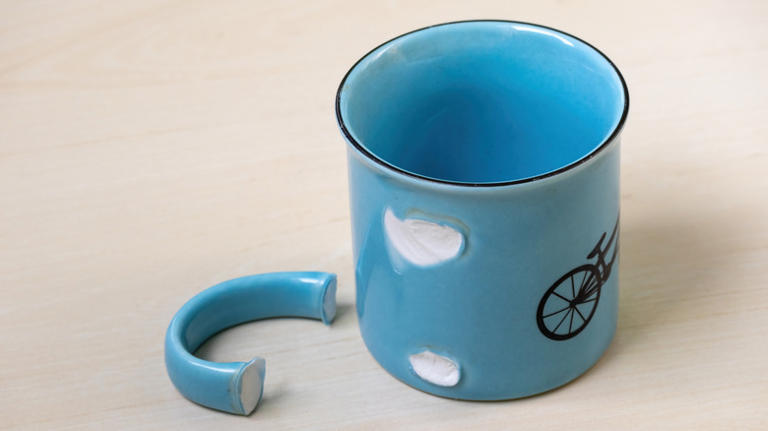
Have you ever grabbed your favorite ceramic mug, only to find the handle cracked or broken? It’s frustrating, right?
You might think the mug is ruined, but what if you could fix it yourself quickly and easily? You’ll discover simple, effective ways to repair your ceramic mug handle so you can keep enjoying your drinks without worry. Keep reading—you’ll be surprised how straightforward it is to bring your mug back to life.

Credit: www.reddit.com
Common Causes Of Handle Damage
Understanding why your ceramic mug handle got damaged helps you fix it better—and avoid future breaks. Handles often fail due to a few common reasons that put extra stress on the ceramic material. Recognizing these causes lets you handle your favorite mugs with more care and make smarter repairs.
Accidental Drops And Impacts
One of the most obvious causes of handle damage is accidental drops or bumps. Ceramic is fragile, and even a small fall can create cracks or break the handle completely. Have you ever felt that sudden panic when your mug slips from your hand? That sharp impact transfers force directly to the handle, which is the weakest point on most mugs.
Sometimes, the damage isn’t visible immediately. Tiny fractures can grow over time, making the handle more likely to snap later. Handling your mugs gently, especially when washing or storing, can prevent these hidden cracks from worsening.
Thermal Stress And Cracks
Have you noticed your mug handle cracking after pouring very hot or cold drinks? Ceramic expands and contracts with temperature changes. When the handle heats up or cools down faster than the rest of the mug, stress builds up in the material. This uneven expansion causes thermal cracks.
Pouring boiling water into a cold mug or placing a hot mug into a cold sink can trigger this kind of damage. If you want your mug handle to last, try warming your mug gradually or avoid sudden temperature changes. It’s a simple habit that can save you from frequent repairs.
Wear And Tear Over Time
Even if you treat your mugs carefully, repeated use can weaken the handle over months or years. Constant gripping, washing, and stacking cause microscopic wear that adds up. Eventually, this can lead to chips or breaks.
Think about the mugs you use daily—do you notice any small chips or rough spots on the handle? These signs show that the ceramic is losing strength. Regularly inspect your mugs and give extra attention to the handles to catch early damage before it becomes a bigger problem.
Materials Needed For Repair
Fixing a ceramic mug handle needs the right materials. Using proper supplies ensures a strong, lasting repair. Gather everything before starting for smooth work.
Types Of Adhesives
- Epoxy glue: Strong and durable for ceramics.
- Super glue (cyanoacrylate): Quick drying and easy to use.
- Two-part adhesive: Mix before applying for a firm bond.
- Food-safe glue: Important if the mug touches drinks or food.
Cleaning Supplies
- Rubbing alcohol: Removes dirt and oils from surfaces.
- Soap and water: Cleans the broken parts well.
- Lint-free cloth: Dries and wipes the mug without leaving fibers.
- Sanding paper (fine grit): Smooths rough edges before gluing.
Tools For Application
- Toothpick or small brush: Applies glue precisely.
- Clamps or rubber bands: Holds pieces tightly during drying.
- Disposable gloves: Protects hands from glue.
- Paper towels: Cleans any glue spills quickly.
Preparing The Mug For Repair
Before you start fixing your ceramic mug handle, it’s important to prepare the broken pieces properly. Taking the right steps at this stage can make the repair stronger and longer-lasting. Let’s look at how to get your mug ready for a successful fix.
Cleaning The Broken Surfaces
Remove any dirt, grease, or leftover residue from the broken edges. Use warm water and mild soap to clean the surfaces gently. Avoid harsh scrubbing that might cause further damage.
After washing, rinse the pieces thoroughly to get rid of all soap traces. Sometimes, old glue or stains can interfere with the new adhesive, so cleaning is key. Have you noticed how a clean surface can make glue stick better? That’s why this step matters.
Drying And Inspecting The Pieces
Let the mug pieces dry completely before you try to glue them together. Moisture can weaken the bond and cause the repair to fail. Air drying is best, but you can pat the edges dry with a soft cloth for faster results.
Once dry, examine the pieces closely. Look for any tiny cracks or missing chips that might affect the repair. Knowing exactly what you’re dealing with helps you decide if extra reinforcement is needed. Have you checked all the edges carefully enough to avoid surprises later?

Credit: www.reddit.com
Step-by-step Handle Repair
Fixing a ceramic mug handle requires patience and care. Follow each step carefully to restore your mug. This guide breaks down the process into simple actions. You will learn how to apply adhesive, align the handle, and let it cure properly. These steps help make the repair strong and lasting.
Applying Adhesive Correctly
Choose a strong, waterproof adhesive made for ceramics. Clean both broken surfaces to remove dust and grease. Use a small brush or toothpick to apply a thin, even layer of glue. Avoid using too much adhesive to prevent messy overflow. Press the adhesive firmly on the broken parts for good contact.
Aligning And Clamping The Handle
Carefully place the handle back on the mug. Check the alignment to match the original shape perfectly. Use clamps, rubber bands, or tape to hold the handle in place. Ensure even pressure without squeezing the ceramic too hard. Keep the handle steady during the entire drying process.
Curing Time And Conditions
Let the mug sit undisturbed in a dry, warm area. Follow the adhesive instructions for exact curing time. Avoid moving or using the mug until the glue fully hardens. Usually, curing takes 24 to 48 hours. Proper curing ensures a strong and lasting repair.
Finishing Touches
Finishing touches make a big difference in fixing a ceramic mug handle. After repairs, your mug might need some extra care. These steps ensure a smooth and polished finish.
Sanding Rough Edges
Start by smoothing out any rough edges. Use fine-grit sandpaper for this task. Gently rub the sandpaper on the repaired area. This step helps blend the new and old surfaces. Wipe away dust with a damp cloth.
Touching Up With Paint Or Glaze
Match the mug’s color with paint or glaze. Use a small brush for precision. Apply the paint in thin layers. Let each layer dry before adding more. This ensures an even coat. For a glossy finish, choose a compatible glaze. Follow the manufacturer's instructions for application and drying.
Safety Tips During Repair
Repairing a ceramic mug handle can be satisfying, but safety should always come first. Handling broken ceramics and adhesives requires care to avoid injury or making the damage worse. Let’s look at how to protect yourself and your mug during the repair process.
Handling Adhesives Safely
Many adhesives contain chemicals that can irritate your skin or eyes. Always work in a well-ventilated area to avoid inhaling fumes. Wearing disposable gloves protects your hands from sticky residue and harmful substances.
Keep adhesive containers tightly closed when not in use to prevent spills. Use only the recommended amount—excess glue can be messy and harder to clean. Have a damp cloth or paper towel nearby to quickly wipe any accidental drips.
Avoiding Further Damage
Broken ceramic pieces are fragile and can break more if handled roughly. Place the mug on a soft surface, like a towel or foam pad, while working to cushion it. Avoid applying too much pressure when aligning the handle; a gentle touch works best.
Think about the angles at which you join pieces. If they don’t fit smoothly, forcing them can cause cracks. If you feel resistance, stop and reassess rather than pushing through.
When To Consider Replacement
Knowing when to replace your ceramic mug handle can save you time, money, and frustration. Not every crack or chip means you should toss your favorite mug. However, some damages make repair impractical or unsafe, and recognizing these moments helps you decide wisely.
Severe Damage Beyond Repair
If the handle is shattered into multiple pieces or has deep cracks running through its base, fixing it might not hold up. Glue or epoxy can only do so much before the handle becomes unstable.
Imagine trying to hold a mug with a handle that breaks again while you’re sipping hot coffee—dangerous, right? If the mug risks breaking further and causing spills or burns, it's safer to replace it.
Also, damage that affects the mug’s overall structure, like cracks extending from the handle to the body, means the entire mug may be compromised. Trying to repair such damage is often a short-term fix that won’t last.
Cost Vs. Value Of Repair
Think about the price of repair materials and your time compared to the cost of a new mug. Sometimes, buying a replacement is more cost-effective, especially if the mug wasn’t expensive to begin with.
For example, if epoxy and tools cost nearly as much as a new ceramic mug, investing in repair might not make sense. Your time and effort are valuable, too.
Ask yourself: Is this mug special enough to justify repair costs? If it has sentimental value, the answer might be yes. Otherwise, consider whether a new mug would give you better durability and peace of mind.
Credit: www.msn.com
Frequently Asked Questions
How Can I Fix A Broken Ceramic Mug Handle At Home?
You can fix a broken ceramic mug handle using strong adhesive like epoxy glue. Clean surfaces, apply glue, and hold tightly until set. Let it cure fully before use to ensure a strong bond and avoid further damage.
What Type Of Glue Works Best For Ceramic Mug Handles?
Epoxy glue or super glue designed for ceramics works best. These adhesives provide a durable, heat-resistant bond. Avoid regular glue as it may not hold under heat or washing conditions.
Can I Use A Repaired Ceramic Mug For Hot Beverages?
Yes, if the repair is done with heat-resistant epoxy. Allow full curing time. However, handle with care and avoid dishwasher use to maintain the repair integrity.
How Long Does It Take For Ceramic Glue To Dry?
Ceramic glue usually takes 24 hours to fully cure. Initial drying may be faster, but complete bonding needs more time for maximum strength.
Conclusion
Fixing a ceramic mug handle can save your favorite cup. Small cracks or breaks need quick attention. Use strong glue made for ceramics for best results. Let the glue dry fully before use. Handle repairs help avoid waste and save money.
Careful repair keeps your mug useful and safe. Try simple steps to bring your mug back. You can enjoy your drinks without worry again. A little effort goes a long way in fixing. Keep your mugs longer with easy handle fixes.