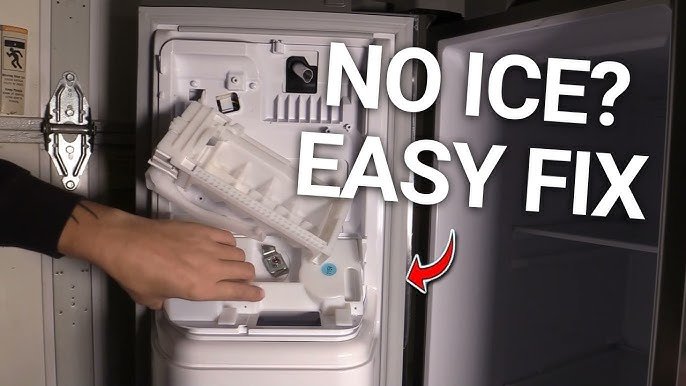
Is your Samsung refrigerator’s ice maker not working like it used to? You rely on it daily for cold drinks and chilling your food, so a broken ice maker can be a real hassle.
But don’t worry—fixing it might be easier than you think. In this guide, you’ll learn simple, step-by-step solutions to get your ice maker back up and running quickly. Keep reading, and you’ll save time, avoid costly repairs, and enjoy fresh ice again in no time.

Credit: www.espares.co.uk
Identifying Common Issues
Before fixing your Samsung refrigerator’s ice maker, pinpointing the exact problem saves you time and effort. Ice maker issues can seem similar but often have different causes. Understanding common problems helps you avoid unnecessary repairs or part replacements.
No Ice Production
If your ice maker stops producing ice, check if the water supply is connected and turned on. A blocked or frozen water line can also cause this issue. Sometimes, the ice maker’s control arm might be stuck in the “off” position, preventing ice production.
Have you ever found your ice tray empty despite the machine running? This usually means water isn’t reaching the ice maker. Test the water inlet valve and replace it if you find any damage or blockage.
Ice Maker Not Turning On
Your ice maker might not turn on due to electrical problems or a faulty switch. Inspect the power connection and ensure the ice maker is properly plugged in. A tripped circuit breaker or blown fuse could also cut power to the unit.
Sometimes, the ice maker’s motor or thermostat fails, stopping it from working. If you notice no movement or sounds during the ice-making cycle, these parts may need replacement. Checking these early can prevent bigger issues later.
Ice Jamming Problems
Ice jams occur when ice cubes get stuck in the chute or dispenser. This can happen if the ice cubes are too large or misshapen, often caused by temperature fluctuations inside the freezer. Regularly clearing out old ice can prevent jams.
Have you tried gently removing stuck ice cubes? Avoid using sharp tools that can damage the ice maker. Adjusting the freezer temperature to the manufacturer’s recommendation usually keeps ice cubes uniform and reduces jams.
Preparing For Troubleshooting
Before you dive into fixing your Samsung refrigerator’s ice maker, setting up properly can save you time and frustration. Preparing for troubleshooting means having everything ready so you don’t have to stop midway. It also helps prevent mistakes that might damage your appliance or cause injury.
Gather Necessary Tools
Start by collecting all the tools you might need to check and repair the ice maker. Common tools include a screwdriver set, a flashlight, a multimeter to test electrical parts, and a towel or cloth for spills.
Having these items at hand keeps the process smooth. Imagine reaching for a tool and realizing it’s missing—that’s a quick way to lose focus and patience.
Also, keep the user manual nearby. It often contains specific information about your model’s ice maker that can guide you through the troubleshooting.
Safety Precautions
Before touching anything inside your refrigerator, remember to unplug the unit. This simple step protects you from electric shock and avoids accidental damage to the appliance.
Wear gloves if you plan to handle sharp components or if you’re dealing with frozen water. Cold parts can cause frostbite or cuts, and gloves add a layer of protection.
Think about your workspace too. Is it well-lit and free from clutter? Good lighting helps you spot issues faster, and a tidy area prevents accidents like slipping or knocking over tools.
Checking Power And Water Supply
Checking the power and water supply is the first step to fix a Samsung refrigerator ice maker. Without power or water, the ice maker cannot work properly. This section explains how to check these two key elements quickly and safely.
Inspecting Power Connections
Start by ensuring the refrigerator is plugged into a working outlet. Sometimes, the plug might be loose or disconnected. Look for any visible damage to the power cord. A damaged cord can stop the ice maker from getting power.
Next, check the circuit breaker. A tripped breaker can cut power to the fridge. Flip the breaker off and on to reset it. Listen for any unusual sounds from the fridge, which might suggest electrical issues. Confirm the refrigerator’s power switch is turned on, if it has one.
Verifying Water Line Functionality
The ice maker needs a steady water supply. First, locate the water line connected to the back of the fridge. Check for any kinks or bends that block water flow. Look for leaks or frozen sections that might clog the line.
Turn off the water supply valve, then turn it back on to ensure it works. You can disconnect the water line and test water flow into a container. No water or low water flow means a problem with the line or valve. Replace or repair any damaged parts to restore water flow.

Credit: www.espares.co.uk
Resetting The Ice Maker
Resetting the ice maker can solve many common issues with Samsung refrigerators. It helps clear minor glitches and restores normal function. This process is simple and does not require special tools. Follow the steps below to reset your ice maker and get it working again quickly.
Locating The Reset Button
The reset button is usually inside the freezer compartment. Look near the ice maker unit or on the front panel. It may be small and round or rectangular. Sometimes it is hidden behind a cover or ice bucket. Use a flashlight if needed to spot the button clearly.
Performing A Manual Reset
Press and hold the reset button for about 10 seconds. You might hear a click or see the ice maker lights blink. This signals the reset process has started. Release the button and wait for a few minutes. The ice maker will cycle through a restart and begin making ice again.
Cleaning The Ice Maker
Cleaning the ice maker in your Samsung refrigerator is key to keeping it running smoothly and ensuring your ice tastes fresh. Over time, mineral deposits, ice buildup, and clogged filters can reduce ice production and affect quality. Taking the time to clean these parts can save you from costly repairs and give you crystal-clear ice every time.
Removing Ice Buildup
Ice buildup can block the ice maker’s mechanisms, causing jams or stopping ice production entirely. To fix this, first unplug your refrigerator to avoid any electrical issues. Then, gently remove the ice bin and inspect the ice maker for any thick ice clumps.
Use a hairdryer on a low setting or let the ice melt naturally by leaving the freezer door open for a few minutes. Avoid using sharp objects to chip away the ice, as this can damage the ice maker. Once the ice has melted, wipe the area with a soft cloth to remove any leftover moisture.
Cleaning The Water Filter
The water filter plays a vital role in providing clean water for ice production. Over time, it can become clogged with impurities, reducing water flow and ice quality. Locate the water filter, usually inside the refrigerator compartment or near the base, and remove it carefully.
Rinse the filter under cold water to remove loose particles. If the filter is too old or heavily clogged, replace it with a new one to maintain optimal performance. Remember to reset the filter indicator on your refrigerator to keep track of the next replacement.
Replacing Faulty Components
Replacing faulty components in your Samsung refrigerator's ice maker can often solve the issue of no ice production or poor ice quality. Identifying the exact part that needs replacement is crucial to avoid unnecessary expenses and effort. By focusing on key components like the ice maker assembly and the water inlet valve, you can restore your ice maker to full function efficiently.
Ice Maker Assembly Replacement
The ice maker assembly is the heart of your ice-making system. If your ice maker stops producing ice or jams frequently, this assembly might be damaged or worn out.
Start by unplugging the refrigerator to ensure safety. Remove the ice bin and locate the mounting screws securing the ice maker assembly. Carefully disconnect the wiring harness and any water lines attached to the unit.
When installing the new assembly, make sure all connections are tight and secure. Test the ice maker by turning the power back on and initiating a cycle to check if it produces ice properly.
Water Inlet Valve Replacement
The water inlet valve controls the flow of water into the ice maker. A faulty valve can cause no ice production or leaks.
To replace it, first shut off the water supply and unplug the refrigerator. Locate the valve, usually found at the back near the bottom, and disconnect the water line and electrical connectors.
Swap the old valve with a new one, ensuring the water line and connectors are firmly attached. Turn the water supply back on and check for leaks before powering the fridge. Have you checked if your ice maker is getting water properly? That’s often the root of the problem.
Testing The Ice Maker
Testing the ice maker is a key step in fixing it. This process helps find the exact issue. Knowing the problem makes repair easier and faster.
Start by checking the system through built-in tools. Then, watch how the ice maker works over time. These actions give clear signs about its condition.
Running A Diagnostic Test
Most Samsung refrigerators have a diagnostic mode for ice makers. This test checks electrical parts and sensors. It can spot problems without opening the unit.
To run the test, press specific buttons on the control panel. The fridge will start a self-check and show results. Look for error codes or unusual sounds.
Write down any codes you see. Use the Samsung manual or website to understand them. These codes guide your next repair steps.
Monitoring Ice Production
Watch the ice maker for several hours after the test. Check the size, shape, and amount of ice cubes made. Healthy ice makers produce full, solid cubes regularly.
Note if ice sticks together or if the tray stays empty. These signs point to issues with water flow or freezing. Also, listen for the motor or valve sounds during production.
Keep the freezer door closed to maintain the right temperature. Frequent opening can affect ice production and confuse diagnosis. Track changes over a day or two for clear results.
Seeking Professional Help
Sometimes, fixing a Samsung refrigerator's ice maker needs more than basic troubleshooting. Certain problems require expert skills and tools. Calling a professional ensures the repair is safe and effective. It helps prevent further damage and saves time. Knowing when to seek help and how to find the right technician is key to solving ice maker issues.
When To Call A Technician
Call a technician if the ice maker:
- Does not produce ice despite resetting
- Leaks water inside or outside the fridge
- Has unusual noises or smells
- Shows error codes on the display
- Has frozen or jammed ice trays
Complex electrical or mechanical faults need professional attention. Avoid DIY fixes beyond simple cleaning or resetting. Incorrect repairs can void warranties or cause hazards.
Finding Reliable Repair Services
Choose repair services with these qualities:
- Certified Samsung appliance technicians
- Positive customer reviews and ratings
- Clear pricing and service guarantees
- Fast response and flexible scheduling
- Availability of genuine replacement parts
Contact local authorized service centers for trustworthy help. Ask friends or check online directories for recommendations. Reliable experts restore ice makers efficiently and safely.

Credit: paradiseapplianceservice.com
Frequently Asked Questions
How Do I Reset The Ice Maker On A Samsung Fridge?
To reset, locate the ice maker's reset button inside the freezer. Press and hold it for 10 seconds. The ice maker will cycle and restart automatically, resolving common glitches.
Why Is My Samsung Ice Maker Not Making Ice?
Common causes include frozen water lines, low water pressure, or a faulty water inlet valve. Check these parts and ensure the freezer is at the correct temperature.
How Can I Fix A Jammed Ice Maker In Samsung Fridge?
Remove any ice blockages in the ice maker tray or chute. Defrost the area if needed, then test by cycling the ice maker to clear jams.
When Should I Replace The Ice Maker Assembly?
Replace the assembly if resetting and cleaning don’t restore ice production. Persistent leaks, mechanical failures, or broken parts indicate replacement is needed.
Conclusion
Fixing a Samsung refrigerator ice maker can save time and money. Start by checking water supply and cleaning the ice maker parts. Small problems like clogs or frozen lines often cause issues. Regular maintenance helps keep the ice maker working well.
Follow simple steps carefully for the best results. You can enjoy fresh ice without calling a repair service. Taking action early prevents bigger problems later. Keep your fridge running smoothly and your ice cold.