Is your GE refrigerator’s ice maker not working like it used to? You rely on it every day for cold drinks and refreshing ice cubes, so when it stops making ice, it can be really frustrating.
But don’t worry—fixing your ice maker might be easier than you think. In this guide, you’ll discover simple, step-by-step solutions that you can try yourself, saving you time and the hassle of calling a repair service. Keep reading, and you’ll be back to enjoying ice-cold refreshment in no time.

Credit: www.reddit.com
Common Ice Maker Issues
Ice makers in GE refrigerators usually work well but sometimes have problems. These issues can cause inconvenience and stop the ice maker from working correctly. Knowing common problems helps find fixes fast. This section covers frequent ice maker issues and ways to recognize them.
Ice Maker Not Making Ice
One common problem is the ice maker not producing ice. This can happen due to a power issue or the water supply being off. Check if the ice maker is turned on and the water line is connected. Sometimes, a frozen water line or a clogged filter blocks water flow. The thermostat or motor might also fail, stopping ice production.
Ice Cube Size Problems
Ice cubes might be too small, too large, or misshaped. This often happens when the water supply pressure is low or the fill tube is blocked. A dirty or old water filter can reduce water flow and affect cube size. Temperature settings that are too high can cause cubes to be soft or misshaped. Adjusting water pressure and replacing filters usually helps.
Leaking Water
Water leaks inside or outside the fridge are a common problem. Leaks may come from a loose water line or a broken valve. The ice maker's fill tube might be cracked or frozen, causing water to drip. Check connections and look for cracks or ice buildup. Sometimes, the drain pan is full or misplaced, causing leaks. Fixing leaks prevents water damage and keeps the fridge dry.
Ice Maker Not Ejecting Cubes
Sometimes, ice cubes stay inside the tray and do not drop into the bin. This can happen if the ejector arm is stuck or broken. Ice cubes may be stuck together due to high humidity or freezer temperature. The motor that turns the ejector may fail. Clearing stuck ice and checking the motor helps the ice eject properly.
Tools And Materials Needed
Before you start fixing the ice maker on your GE refrigerator, gathering the right tools and materials is crucial. Having everything at hand saves time and avoids frustration during the repair process. It also ensures you handle the task safely and effectively.
Basic Repair Tools
- Screwdrivers:Both Phillips and flathead screwdrivers are essential for removing panels and screws.
- Multimeter:Helps you check electrical connections and test components for continuity.
- Pliers:Needle-nose pliers are great for gripping small parts and wires.
- Nut driver set:Useful for loosening and tightening nuts holding the ice maker in place.
- Flashlight:Good lighting can reveal hidden screws and wiring issues.
Replacement Parts
Identifying the exact part that needs replacement is key. Common parts include:
- Ice maker assembly:If the entire unit is faulty, a full replacement might be necessary.
- Water inlet valve:Controls water flow into the ice maker; a frequent culprit for ice production problems.
- Thermostat or sensor:Regulates temperature and triggers ice production cycles.
- Ice mold heater:Helps release ice cubes; if broken, ice may stick and not drop properly.
Check your refrigerator model number before buying parts to ensure compatibility.
Safety Gear
Working with electrical appliances requires attention to safety. Here’s what you should have:
- Insulated gloves:Protect your hands from electric shock and sharp edges.
- Safety goggles:Guard your eyes from debris and unexpected splashes.
- Non-slip shoes:Keep your footing steady, especially on potentially wet floors.
Have a plan to unplug the refrigerator before starting any repairs. Safety is not optional—it’s your first priority.
Preparing The Refrigerator
Preparing your GE refrigerator before fixing the ice maker is important for safety and ease. It helps prevent electric shocks and keeps the area clean. Taking a few simple steps makes the repair process smoother and faster.
Unplugging The Unit
Always unplug the refrigerator from the power source first. This step stops electricity from flowing to the ice maker. It protects you from electric shock while working on the appliance. Locate the power cord behind the refrigerator and pull it out carefully.
Emptying The Ice Bin
Remove all ice cubes from the ice bin. Emptying the bin stops old or stuck ice from blocking your work. It also prevents water spills during repair. Take out the bin gently and place the ice in a bowl or sink.
Locating The Ice Maker
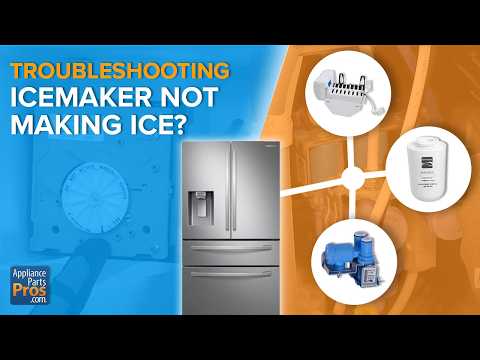
Find the ice maker inside the freezer compartment. It usually sits on the side wall or near the top. Look for a rectangular box with a metal arm or sensor. Knowing the exact location helps you reach the parts you need to fix quickly.
Credit: www.appliancerepairfortlauderdalefl.net
Step-by-step Repair Process
Fixing an ice maker on your GE refrigerator can seem tricky, but breaking the process down makes it manageable. You’ll want to start by pinpointing the problem through simple checks. Each step can help you narrow down the issue and decide if you can fix it yourself or need professional help.
Resetting The Ice Maker
Sometimes, your ice maker just needs a quick reset to start working again. Locate the reset button, usually on the ice maker module itself or in the control panel. Press and hold it for about 10 seconds until you hear a chime or see the indicator light blink.
After resetting, wait a few hours to see if ice production resumes. Have you ever tried this quick fix only to find the ice maker back in action? It’s often the fastest solution.
Checking The Water Supply
Your ice maker needs a steady flow of water to work properly. Check the water line connected to the back of the fridge for any kinks or leaks. Make sure the water valve is fully open.
If water doesn’t flow freely, your ice maker won’t fill. Try disconnecting the water line and running water through it to confirm the flow is strong. What if a simple twist or straightening of the hose could solve your problem?
Inspecting And Replacing The Water Filter
A clogged or old water filter can block water flow and affect ice quality. Locate your GE refrigerator’s water filter, usually inside the fridge compartment or at the base.
Check the filter’s replacement date and swap it out if it looks dirty or hasn’t been changed in six months. This quick step often improves both water and ice quality immediately.
Testing The Ice Maker Motor
The motor drives the ice ejector and needs to function smoothly. To test it, remove the ice maker assembly and manually turn the motor shaft or use a multimeter to check for electrical continuity.
If the motor doesn’t respond or shows no continuity, it might be faulty. Have you ever considered that a silent motor failure could be why your ice maker stays silent?
Replacing Faulty Components
If you identify broken parts like the motor, thermostat, or water inlet valve, replacement is the next step. Order genuine GE parts to ensure compatibility and durability.
Follow your refrigerator’s manual for installation instructions or watch reliable online tutorials. Sometimes, replacing one small component can bring your ice maker back to life without the cost of a full repair.
Preventive Maintenance Tips
Regularly clean the ice maker and check the water supply for blockages. Inspect the ice maker’s motor and sensors to ensure proper function. Keep the freezer at the right temperature to avoid ice buildup and improve performance.
Maintaining your GE refrigerator's ice maker can prevent unexpected breakdowns and ensure a steady supply of ice. Regular preventive care can extend the lifespan of your appliance and keep it running efficiently. Here are some essential tips to keep your ice maker in top shape.
Regular Cleaning
Keeping your ice maker clean is crucial for its longevity and performance. Regularly wipe down the interior with a soft cloth and mild detergent to remove any build-up. Don't forget to clean the ice bin and remove any debris that might obstruct the ice-making process. Mold and bacteria can thrive in moist environments, so ensure the ice maker is thoroughly dried after cleaning. You might be surprised at how much a simple cleaning routine can prevent future issues. Remember, a clean ice maker not only functions better but also produces better-tasting ice.
Checking Water Pressure
Adequate water pressure is essential for your ice maker to function properly. If the water pressure is too low, it may not fill the ice tray completely, resulting in smaller or misshaped ice cubes. You can check the water pressure by inspecting the water line connected to your refrigerator. Is your ice maker producing less ice than usual? It might be time to check the water inlet valve for any blockages or kinks in the water line. Ensuring the water pressure is optimal can significantly enhance the ice production process.
Timely Filter Replacement
Replacing your refrigerator's water filter regularly is vital to maintain ice quality and system efficiency. A clogged filter can impede water flow, affecting ice production and taste. Check your refrigerator's manual for the recommended filter replacement schedule. Consider setting a reminder to change the filter every six months. This simple step can prevent many common ice maker problems. Investing a few minutes in changing the filter can save you from potential headaches down the line. Implementing these preventive maintenance tips can keep your ice maker running smoothly and save you from costly repairs. How do you ensure your appliances stay in top condition? Share your thoughts in the comments below!

Credit: www.reddit.com
When To Call A Professional
Knowing when to call a professional for your GE refrigerator’s ice maker can save you time, money, and frustration. Some issues are simple fixes you can handle, but others require specialized skills and tools. Recognizing these signs early helps prevent further damage and keeps your appliance running smoothly.
Complex Electrical Issues
If your ice maker isn’t powering on or behaves unpredictably, it might be due to electrical problems. These can include faulty wiring, damaged control boards, or problems with the power supply. Attempting to fix electrical components without proper knowledge can be dangerous, so it’s best to call an expert who can safely diagnose and repair these issues.
Persistent Water Leaks
Water leaks around your ice maker can indicate clogged or frozen water lines, faulty valves, or damaged seals. If you’ve checked these parts and the leak continues, it’s time to get professional help. Persistent leaks can cause water damage to your floor and damage other parts of the refrigerator, so don’t ignore ongoing drips or puddles.
Repeated Ice Maker Failures
Have you tried resetting or cleaning your ice maker multiple times without success? Constant breakdowns might point to deeper mechanical or sensor problems. A technician can pinpoint the root cause and recommend whether to repair or replace parts, saving you from wasting time and effort on temporary fixes.
Frequently Asked Questions
How Do I Reset The Ice Maker On A Ge Refrigerator?
To reset, locate the ice maker’s power switch or button. Turn it off, wait 30 seconds, then turn it back on. This often clears minor errors and restarts the ice-making process effectively.
Why Is My Ge Ice Maker Not Producing Ice?
Common causes include a clogged water filter, frozen water line, or faulty motor. Check water supply and filter first. Replace or repair parts as needed to restore ice production.
How Do I Fix A Ge Ice Maker That Won’t Eject Ice?
Check for ice jams inside the ejector arm or tray. Clear any blockages gently. Also, ensure the ejector motor is working properly and replace it if faulty.
What Causes Ge Ice Makers To Leak Water Inside?
Leaks often result from a cracked water line or improper door seal. Inspect and tighten connections, or replace damaged hoses. Ensure the door gasket is clean and seals tightly.
Conclusion
Fixing your GE refrigerator’s ice maker can save time and money. Follow each step carefully to avoid mistakes. Check water supply, clean parts, and replace faulty components. Small problems often cause common issues. Regular maintenance helps keep the ice maker working well.
Don’t ignore warning signs like slow ice production or leaks. Stay patient and work methodically. Soon, you will enjoy fresh ice again without hassle. Simple fixes often restore full function quickly. Keep this guide handy for future reference. Your fridge will thank you with cold, clear ice every day.