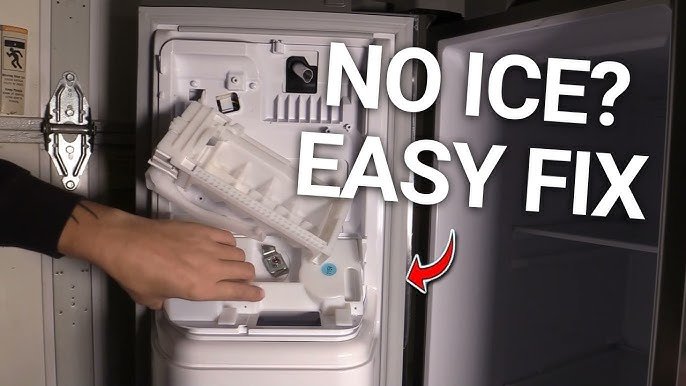
Have you noticed a dent in your refrigerator door that’s ruining the look of your kitchen? It’s frustrating when your appliance doesn’t look its best, especially since the fridge is such a central part of your home.
The good news is, fixing that dent is easier than you might think. You’ll discover simple, effective ways to restore your fridge door to its smooth, clean appearance—without spending a fortune or calling in a pro. Keep reading, and you’ll have your refrigerator looking like new in no time.
Credit: www.amazon.com
Tools Needed
Fixing a dent in your refrigerator door doesn’t always require expensive tools or a professional. Often, you can handle it yourself with items already lying around your home or with a simple repair kit. Knowing what tools you need upfront saves time and frustration, making the process smoother and more effective.
Common Household Items
You might be surprised how everyday objects can help remove dents from your fridge door. A hairdryer and a can of compressed air are two simple tools that create temperature changes, which can make dents pop out.
- Hairdryer:Heating the metal expands it slightly, which helps in reshaping the dent.
- Compressed Air:Spraying this cold air right after heating creates a quick contraction that can push the dent outward.
- Plunger:A small cup plunger (not the toilet kind) can pull out shallow dents effectively.
- Boiling Water:Pouring hot water over the dent softens the plastic or metal, making it easier to push from behind.
Have you ever thought that something as simple as your hairdryer could fix a dent? It’s worth trying before spending on special tools.
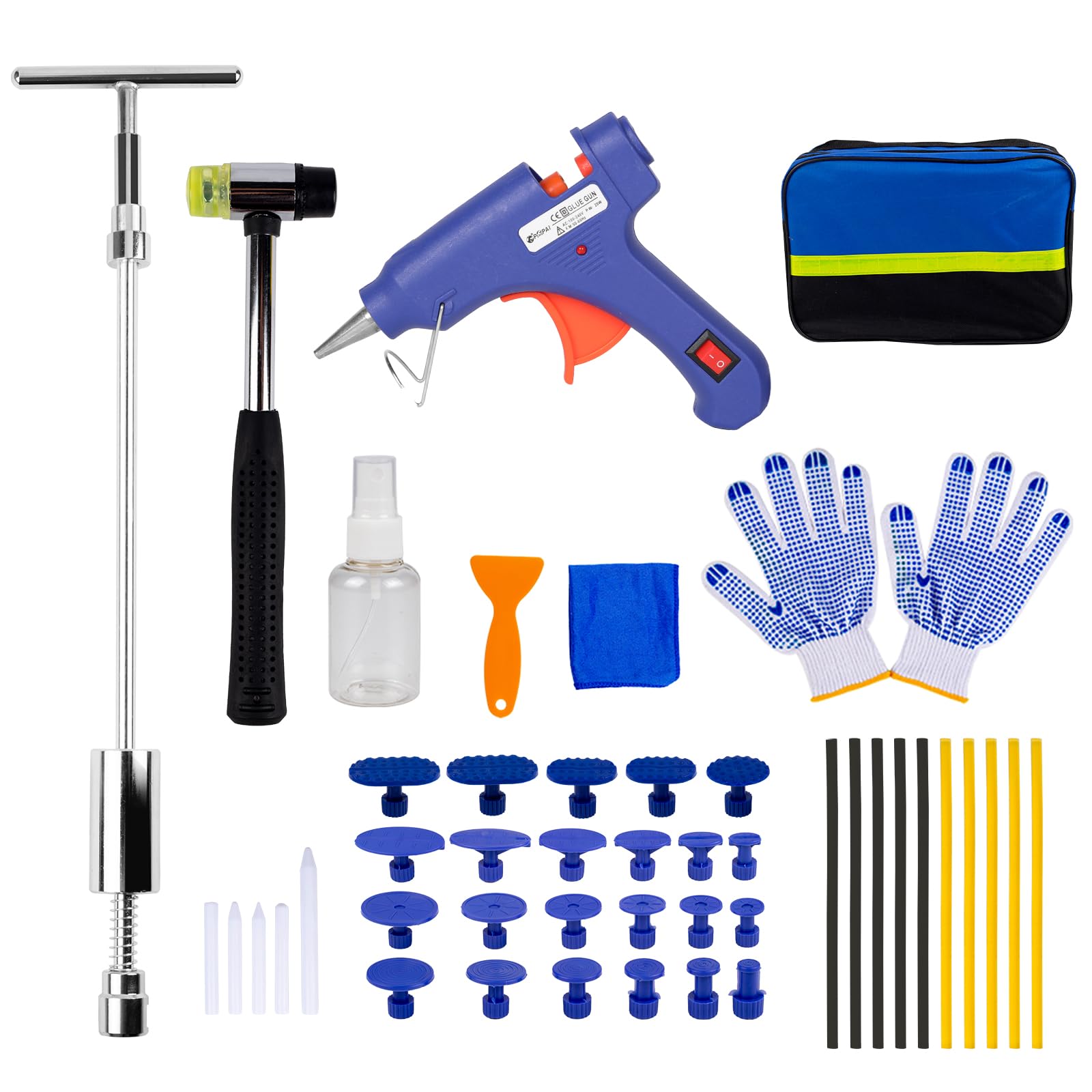
Specialized Repair Kits
If household items don’t do the trick, specialized kits designed for appliance dents are a smart next step. These kits often include a combination of glue tabs, pulling tools, and detailed instructions tailored for fridge doors.
- Glue Puller Kits:Use adhesive tabs to attach a pulling tool that gently lifts the dent.
- Dent Removal Tools:Tools like mini suction cups or T-bar pullers give you more control and precision.
- Heat Guns:More powerful than hairdryers, these tools provide consistent heat to soften the dented area.
These kits are designed for beginners and often come with everything you need. Would you rather try a hands-on approach or invest in a kit that guides you step-by-step?

Credit: www.amazon.com
Assessing The Dent
Before fixing a dent in your refrigerator door, it’s important to carefully assess the damage. Understanding the size, depth, and material of the dent will help you choose the right repair method. Taking time at this stage can save you frustration and ensure a smoother repair process.
Size And Depth Check
Start by measuring the dent’s size using a ruler or tape measure. Is it a small ding or a large, noticeable dent? The depth matters too—shallow dents can often be popped out easily, while deep ones might need more effort or professional help.
Try running your finger over the dent. Does it feel sharp or rounded? Sharp dents often mean the metal is more damaged and might crack if you push too hard. Ask yourself: can this dent be fixed with simple tools, or will it require more advanced techniques?
Material Type Consideration
Check what material your refrigerator door is made of. Most doors are metal, but some have plastic or composite panels. Metal reacts differently to dent repair methods compared to plastic.
If your door is metal, you can often use suction tools or gentle heat to pop the dent out. Plastic panels might need special adhesives or fillers to look right again. Knowing the material helps avoid damage and choose the safest repair approach.
Diy Dent Removal Methods
Fixing a dent in a refrigerator door can seem tough. Many dents are small and shallow. They can be fixed at home without tools or special skills. DIY dent removal methods save money and time. These methods use common household items. They work by changing the metal’s shape gently. Try one of these simple ways to restore your fridge door’s look.
Using Hot Water And Plunger
Pour hot water over the dent to soften the metal. The heat makes the metal easier to move. Take a clean plunger and press it firmly against the dent. Pull the plunger out quickly to pop the dent out. Repeat a few times if needed. Be careful not to damage the paint.
Applying Hair Dryer And Compressed Air
Heat the dented area with a hair dryer for about 30 seconds. The metal expands from the heat. Quickly spray the area with compressed air, holding the can upside down. The cold air contracts the metal. This sudden change can cause the dent to pop out. Do this several times for better results.
Utilizing Dry Ice
Put on protective gloves to handle dry ice safely. Rub the dry ice directly on the dent for a few minutes. The cold shrinks the metal quickly. The shrinking can lift the dent out. Move the dry ice around the dent to cover it evenly. Avoid long contact to protect the paint.
Suction Cup Technique
Use a small suction cup designed for dent removal. Wet the suction cup and the dent area slightly. Press the suction cup firmly onto the dent. Pull the suction cup slowly to lift the dent. Repeat as needed until the dent improves. This method works best on shallow dents.
Fixing Small Scratches And Paint Chips
Small scratches and paint chips on your refrigerator door can be annoying, but they don’t have to stay that way. These minor flaws can make your appliance look old and worn out, even if it’s still working perfectly. Fortunately, fixing these blemishes is straightforward and can restore your fridge’s sleek appearance without needing a full repaint or replacement.
Touch-up Paint Options
Choosing the right touch-up paint is key to blending repairs seamlessly. Look for appliance touch-up kits specifically designed for refrigerator finishes—they usually come with paint that matches common colors and finishes like stainless steel or white gloss.
You can find these kits online or at hardware stores. Some brands even offer custom color matching if your fridge has a unique shade.
- Clean the scratched area with mild soap and water, then dry completely before applying paint.
- Use a fine brush or applicator provided in the kit to gently dab paint onto the scratch or chip.
- Allow the paint to dry fully and apply a second coat if necessary for better coverage.
Have you ever tried to repair a chip only to have the new paint stand out more than the damage? Take your time with thin layers. This approach helps the repair blend naturally.
Polishing And Buffing Tips
After the paint has dried, polishing the repaired spot can make a big difference. Polishing removes any rough edges and helps the new paint blend with the original finish.
Use a soft microfiber cloth and a non-abrasive polish designed for appliances or automotive finishes. Apply the polish in small, circular motions to avoid scratching the surface further.
- Test the polish on a hidden area first to ensure it won’t dull your fridge’s finish.
- Buff gently around the repaired area to create a smooth transition.
- If the scratch is shallow, sometimes polishing alone can minimize its appearance.
Have you noticed how a little buffing can transform a dull spot into something barely noticeable? Polishing doesn’t just improve looks—it can extend the life of your fridge’s finish by protecting it from further wear.
Preventing Future Dents
Preventing dents on your refrigerator door saves time and keeps your kitchen looking neat. Taking simple steps can protect the door from damage. Small actions make a big difference in avoiding dents.
Protective Door Covers
Using a protective cover on the fridge door reduces impact damage. These covers act as a cushion against bumps and knocks. They come in different materials like silicone or soft fabric.
Choose a cover that fits your refrigerator model perfectly. Easy to clean covers help maintain hygiene. Some covers also add a decorative touch to your kitchen.
Safe Handling Practices
Handle items near the fridge with care to avoid hitting the door. Avoid placing heavy objects on the door or leaning against it. Teach family members to open and close the door gently.
Keep sharp and hard objects away from the refrigerator surface. Use the handle properly and avoid pulling or pushing the door with excessive force. Regularly check the area around the fridge for potential hazards.
When To Call A Professional
Fixing a dent in a refrigerator door might seem like a straightforward task, but sometimes it's best to call in a professional. When the dent is deep or if there are underlying issues, expert help can save you time and ensure your fridge stays in top condition. But how do you know when to set down your DIY tools and pick up the phone?
Severe Damage Cases
If the dent on your refrigerator door is more than just a minor cosmetic issue, it might indicate more severe damage. A deep dent can affect the door's seal, compromising the fridge's efficiency and leading to higher energy bills. If you notice unusual noises or if the door doesn't close properly, these are clear signs to call a professional. Ignoring these symptoms could lead to more costly repairs down the line.
Warranty And Repair Costs
Before attempting any DIY repair, it's crucial to check if your refrigerator is still under warranty. Many manufacturers cover specific types of damage, and attempting a fix yourself might void this coverage. Understanding your warranty terms can save you money. Additionally, consider the potential repair costs. While DIY might seem cheaper initially, professional repairs often come with guarantees that can provide peace of mind and longer-term savings.
Have you ever attempted a fridge repair only to find the problem worsening? Knowing when to call in an expert can prevent that scenario. Plus, a professional touch often ensures a seamless finish that matches the rest of your appliance.

Credit: www.youtube.com
Frequently Asked Questions
How Can I Fix A Small Dent In A Refrigerator Door?
You can fix small dents using a plunger or hot water. Press the dent with a plunger or pour hot water to soften the metal. Then, gently push the dent out from the inside for best results. Always avoid harsh tools to prevent damage.
What Household Items Help Remove Dents In Fridge Doors?
Common items like a hairdryer, plunger, or compressed air help remove fridge door dents. Heat the dent area with a hairdryer, then quickly cool it with compressed air. This sudden temperature change can pop the dent out effectively and safely.
Is Diy Dent Repair Safe For Stainless Steel Fridge Doors?
Yes, DIY dent repair is safe for stainless steel doors if done carefully. Use gentle methods like warm water or a suction cup. Avoid sharp or heavy tools that may scratch or damage the surface. Proper care ensures a smooth, dent-free finish.
Can Cold Air Or Heat Remove Dents From Refrigerator Doors?
Yes, using heat and cold air can remove dents by expanding and contracting metal. Heat the dent with a hairdryer, then spray cold compressed air. This causes the metal to contract and often pops the dent out naturally without damage.
Conclusion
Fixing a dent in your refrigerator door is easier than it seems. Small dents can be smoothed with basic tools at home. Taking time and care helps avoid further damage. This simple repair saves money and keeps your fridge looking nice.
Try these steps and see the difference yourself. A neat, dent-free door makes your kitchen feel fresh. Keep your appliance in good shape with easy fixes. Don’t let a dent spoil your fridge’s look.