
Have you noticed a crack in your favorite coffee mug and wondered if it’s time to toss it out? Before you say goodbye to that trusty cup, what if you could fix it yourself?
A simple crack doesn’t have to mean the end of your mug’s life. Imagine saving money and holding onto the comfort of your go-to coffee companion. You’ll learn easy and effective ways to repair that crack, so you can enjoy your coffee without worry.
Keep reading, and discover how a little fix can make a big difference.

Credit: www.joyye.com
Identify The Crack Type
Identifying the type of crack in your coffee mug is the first step to fix it properly. Different cracks need different approaches. Some cracks are small and less serious. Others are deep and may cause leaks. Knowing the crack type helps decide the best repair method. Take a close look at the crack before starting the repair.
Hairline Vs Deep Cracks
Hairline cracks are thin and surface-level. They often look like fine lines on the mug's surface. These cracks usually don’t go all the way through the mug. They may not cause leaks but can grow bigger over time.
Deep cracks cut through the mug’s wall. These cracks are visible and sometimes feel rough. They can cause leaks and make the mug unsafe to use. Deep cracks need stronger repair or replacement.
Checking For Leaks
Fill the mug with water to check for leaks. Hold the mug over a sink and watch carefully. Look for any water dripping from the crack. If water leaks, the crack is deep and needs urgent repair.
If no water leaks, the crack is likely hairline. Still, repair it soon to prevent worsening. Testing for leaks helps decide how to fix the mug safely.
Gather Repair Materials
Before you start fixing that crack in your favorite coffee mug, it’s important to gather the right materials. Having everything ready ensures a smoother repair process and better results. Choosing the right adhesive and tools can make a big difference in how strong and safe your mug will be after the fix.
Food-safe Epoxy Options
Since your coffee mug holds hot drinks, using a food-safe epoxy is crucial. Look for epoxies labeled as non-toxic and safe for items that come into contact with food and drinks. Brands like J-B Weld Food Safe or Loctite Epoxy Food Safe are popular choices that offer strong, durable bonds.
These epoxies typically come in two parts—a resin and a hardener—that you mix before applying. They cure to a waterproof and heat-resistant finish, which means your mug will be ready for use once fully dried. Have you checked the packaging to confirm the epoxy’s safety standards for everyday use?
Alternative Adhesives
If you don’t have food-safe epoxy, some other adhesives might work temporarily but come with risks. Super glue (cyanoacrylate) bonds quickly but isn’t always safe for items that touch hot liquids. Silicone adhesives can be flexible and heat-resistant but may not provide a strong enough bond for a crack that sees frequent use.
Consider how often you use the mug and what liquids you put inside before choosing an alternative. Is the mug more decorative, or will it hold your morning coffee every day? Your choice of adhesive should reflect that.
Tools You’ll Need
Besides the adhesive, a few simple tools will help you get the job done cleanly and effectively. Prepare:
- Fine-grit sandpaper to smooth the crack edges
- Isopropyl alcohol and a cloth for cleaning the mug surface
- A toothpick or small brush for precise glue application
- Clamps or rubber bands to hold pieces together while drying
- Gloves to protect your hands from chemicals
Having these tools ready saves time and prevents messes. Do you have a quiet spot to work where you can leave the mug undisturbed during drying? That’s just as important as the right materials.
Prepare The Mug Surface
Preparing the mug surface is key before fixing a crack. Proper preparation ensures the repair material sticks well. It also helps the fix last longer and look neat. This step involves cleaning and sanding the mug carefully. Follow these simple actions to get the best results.
Cleaning And Drying
Start by washing the mug with warm water and mild soap. Remove all dirt, grease, and stains from the cracked area. Use a soft cloth or sponge to avoid making the crack worse. Rinse the mug well to clear away soap residue.
Dry the mug completely using a clean towel. Let it air dry for a few minutes to ensure no moisture remains. A dry surface helps the glue or filler bond stronger with the ceramic.
Sanding The Area
Use fine-grit sandpaper to gently roughen the cracked area. This creates a better surface for the adhesive to grip. Sand just enough to dull the shiny finish near the crack.
Be careful not to press too hard or widen the crack. Wipe away any dust with a dry cloth after sanding. Now the mug is ready for the next repair step.
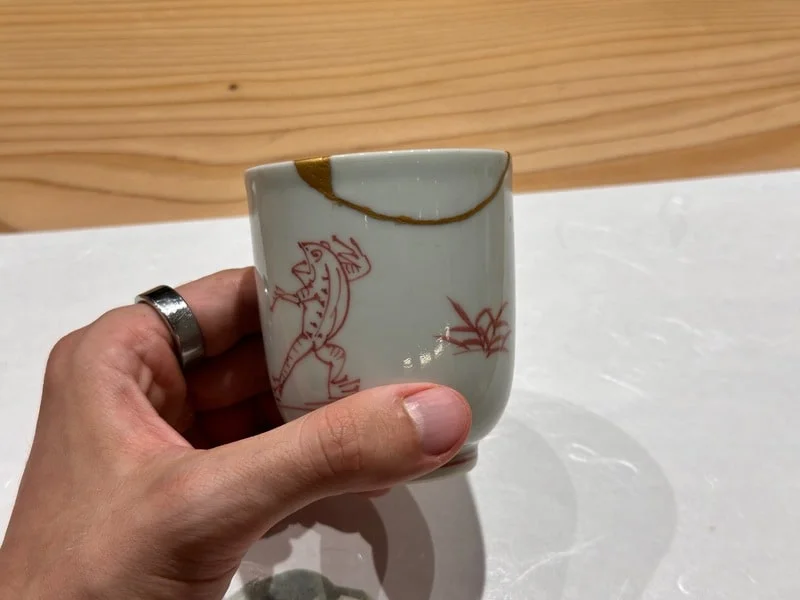
Credit: yavajapan.com
Apply The Repair Adhesive
Applying the repair adhesive is a crucial step to fix the crack in your coffee mug effectively. It’s where the mug starts to regain its strength and usability. Handling the adhesive carefully can make the difference between a temporary patch and a lasting repair.
Mixing Epoxy Correctly
Mixing epoxy properly is key for a strong bond. Use equal parts of resin and hardener, following the instructions on the packaging exactly.
Mix them thoroughly but avoid whipping air into the mixture. Air bubbles can weaken the adhesive and cause the repair to fail.
Try mixing on a clean, disposable surface like a plastic lid or cardboard. This way, you can discard it easily and avoid contamination.
Sealing The Crack
Apply the mixed epoxy carefully along the crack using a small brush or a toothpick.
Don’t rush this step—make sure the adhesive seeps into the crack completely. You want to fill every gap for a solid seal.
Wipe away any excess epoxy immediately with a damp cloth before it starts to set. Leaving extra adhesive can make the repair look messy and affect how the mug feels in your hand.
Curing Time Tips
Patience is essential after applying the adhesive. Allow the mug to sit undisturbed for at least 24 hours for the epoxy to cure fully.
Place the mug in a warm, dry area to speed up curing. Avoid moving or using the mug during this time.
Have you ever tried to use a mug too soon and ended up with a sticky mess? Waiting might feel long, but it’s worth it for a durable fix.
Finishing Touches
After repairing the crack in your coffee mug, the finishing touches make all the difference. This final step ensures your mug not only looks good but feels smooth to the touch and lasts longer. Paying attention to these details will help you enjoy your favorite cup without worrying about rough edges or visible repairs.
Smoothing The Surface
Once the adhesive or filler has dried, the surface may feel uneven or rough. Use fine-grit sandpaper to gently smooth out the repaired area. Move the sandpaper in small circular motions to blend the repair seamlessly with the rest of the mug.
Be careful not to over-sand, as this can damage the surrounding glaze. After sanding, wipe the area with a damp cloth to remove any dust. How smooth your mug feels can affect your drinking experience more than you might expect.
Painting Or Touch-up
If the crack repair is visible or the color doesn’t match perfectly, consider applying a touch-up paint designed for ceramics. Choose a paint that is heat-resistant and safe for items that hold food or drinks. Using a small brush, carefully apply paint only to the repaired area.
Let the paint dry completely before using the mug again. This small step can make your mug look brand new and restore its charm. Have you ever noticed how a tiny paint touch-up can change the whole look of your favorite item?

Credit: thegreenmadhouse.com
Test For Safety
Check if the crack affects the mug’s safety before fixing it. Avoid using damaged mugs with deep or wide cracks to prevent leaks or injury. Test by filling the mug with water and watching for drips.
Testing the safety of your repaired coffee mug is crucial. You wouldn't want a sudden spill of your morning coffee, right? Ensuring your mug is leak-proof and heat resistant will give you peace of mind and keep your coffee moments enjoyable.
Leak Check
Begin by filling your mug with water. Place it on a dry paper towel and let it sit for a few minutes. Check if the towel remains dry. If it does, your mug passes the leak test. If you notice dampness, re-evaluate the repair and apply more adhesive if needed. Consider a simple overnight test as well. Fill the mug again and leave it on the towel. This will confirm if it's truly leak-free for longer durations.
Heat Resistance
Microwave safety is a priority for those quick reheats. Fill your mug halfway with water and heat it in the microwave for 30 seconds. Carefully touch the mug to assess its temperature. If the mug feels overly hot, it might not be suitable for microwave use. A successful test means the mug remains moderately warm. Another test is to fill the mug with hot water from a kettle. Let it sit for a minute. If no cracks worsen or new ones appear, the mug is ready for use. Testing for safety ensures you can enjoy your favorite brew without worry. Have you ever checked a repaired mug's safety before? Share your experiences!
Prevent Future Cracks
Preventing future cracks in your coffee mug is simple with the right care. Small actions can keep your mug strong and lasting. Handle it gently and store it properly to avoid damage.
Proper Handling
- Hold your mug with both hands when full.
- Avoid sudden temperature changes, like pouring boiling water into a cold mug.
- Do not use your mug in the microwave or dishwasher unless it is labeled safe.
- Clean your mug with soft sponges, not abrasive scrubbers.
- Place your mug down gently on hard surfaces to prevent impact.
Storage Tips
- Store mugs separately to avoid them knocking against each other.
- Use padded shelves or liners to soften the surface where mugs rest.
- Keep mugs in a dry place to prevent moisture damage.
- Stack mugs carefully, placing heavier ones at the bottom.
- Check storage areas regularly for any signs of damage or wear.
Frequently Asked Questions
How Can I Safely Repair A Cracked Coffee Mug?
Use food-safe epoxy or ceramic adhesive to fill the crack. Clean and dry the mug first. Follow product instructions carefully for a strong, safe bond.
Is It Safe To Drink From A Repaired Mug?
A properly repaired mug with food-safe adhesive is generally safe. Avoid using mugs with large cracks or damage that could harbor bacteria.
What Household Items Fix Cracks In Coffee Mugs?
Super glue or clear epoxy can temporarily fix small cracks. However, use food-safe products for long-term repairs and avoid toxic glues.
Can A Cracked Mug Be Microwaved After Repair?
Only microwave if the adhesive is microwave-safe. Check product details before heating. Otherwise, avoid microwaving to prevent damage or toxic fumes.
Conclusion
Fixing a crack in your coffee mug saves money and reduces waste. Small cracks can be repaired with simple tools and glue. Take care to follow safety tips for a lasting fix. Avoid using damaged mugs for hot drinks to stay safe.
With patience, your mug can look almost new again. Try fixing it yourself before throwing it away. A little effort goes a long way. Keep enjoying your favorite coffee without worry.


