
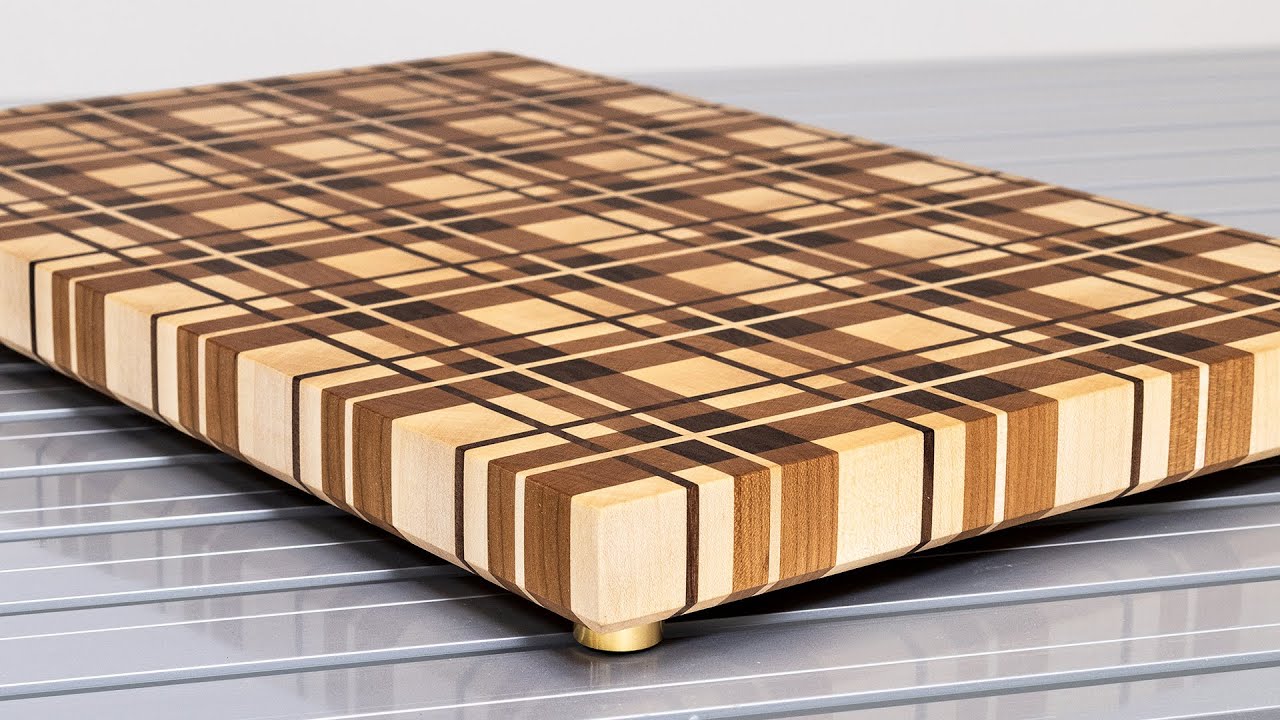
Your wood cutting board is almost ready, but how do you give it that perfect finish? Finishing your cutting board right not only makes it look stunning but also protects it from moisture, stains, and damage.
If you want your board to last longer and stay safe for food prep, this step is crucial. In this guide, you’ll discover simple, effective techniques to finish your wood cutting board like a pro. Keep reading, and you’ll learn how to transform your board into a beautiful, durable kitchen essential you’ll be proud to use every day.

Credit: food52.com
Choosing The Right Sandpaper
Choosing the right sandpaper is key to finishing a wood cutting board. It affects how smooth and safe the surface will feel. The right sandpaper helps remove rough spots without damaging the wood. It prepares the board for oil or finish to soak in well. Knowing which grit and sanding method to use makes a big difference.
Grit Progression For Smooth Finish
Start sanding with a coarse grit to remove deep scratches and marks. Use grits between 80 and 120 for this step. Then, move to medium grit like 150 or 180 to smooth the surface. Finish with fine grit sandpaper, such as 220 or 320, for a silky touch. This gradual change in grit helps avoid scratches and creates a polished look.
- 80-120 grit: Remove rough patches and shape the board
- 150-180 grit: Smooth the surface further
- 220-320 grit: Final polish for a soft finish
Wet Vs Dry Sanding Techniques
Dry sanding is faster and easier for most wood cutting boards. It removes surface roughness quickly. Use a sanding block or electric sander for even pressure. Wet sanding uses water or oil to reduce dust and heat. It helps reveal scratches more clearly on the wood. Wet sanding gives a very smooth finish but takes more time and care. Choose the method based on your comfort and the wood type.

Credit: food52.com
Sanding Tips And Techniques
Sanding is a crucial step in finishing a wood cutting board. It smooths the surface and removes rough spots or splinters. Proper sanding prepares the wood for oil or finish, ensuring a clean, even look. Using the right techniques saves time and gives better results.
Sanding With The Grain
Sanding with the grain follows the natural lines of the wood. This method prevents scratches that go against the wood fibers. Start with coarse grit sandpaper to remove rough patches. Then use finer grits to smooth the surface gradually.
- Always move the sandpaper along the wood grain.
- Use even pressure to avoid gouging the wood.
- Keep the sandpaper clean to maintain effectiveness.
Sanding with the grain helps keep the wood’s natural beauty intact. It also helps the finish stick better and last longer.
Avoiding Common Sanding Mistakes
Common mistakes can ruin your cutting board’s finish. Avoid sanding too hard or staying too long in one spot. This can create uneven areas and dents.
- Do not sand against the grain; it leaves scratches.
- Avoid skipping grit sizes; jump gradually from coarse to fine.
- Never use worn-out sandpaper; it reduces sanding quality.
Rushing through sanding can leave rough patches or blotchy finish. Take your time for a smooth, professional result. Proper sanding enhances both the look and durability of the board.
Applying Oil To Wood
Applying oil to a wood cutting board protects the surface and enhances its natural beauty. Oil prevents the wood from drying out and cracking. It also creates a barrier against water and stains. Regular oiling keeps the board smooth and safe for food preparation. The right oil and proper application are key to a lasting finish.
Best Oils For Cutting Boards
- Mineral Oil: Food-safe and easy to find. It soaks in quickly and protects well.
- Walnut Oil: Natural and non-toxic. It offers a rich finish but may cause allergies.
- Beeswax Blend: Often mixed with mineral oil. Adds a thicker, protective layer.
- Pure Tung Oil: Penetrates deeply and hardens over time. Use 100% pure for safety.
- Fractionated Coconut Oil: Does not go rancid. A good alternative to mineral oil.
Proper Oil Application Methods
Start with a clean, dry cutting board. Use a soft cloth or paper towel to apply the oil. Pour a small amount on the wood and spread it evenly. Cover all surfaces, including edges and ends. Let the oil soak into the wood for at least 20 minutes.
Wipe off any excess oil with a clean cloth. Avoid leaving a sticky residue on the surface. For best results, repeat the process 2-3 times on a new board. Reapply oil regularly to maintain protection and appearance.
Using Food-safe Finishes
Choose food-safe finishes like mineral oil or beeswax to protect your cutting board. These finishes keep wood safe and prevent damage from moisture. Regular application helps maintain a smooth, clean surface for food preparation.
Using food-safe finishes is crucial for wood cutting boards. These finishes protect the wood and keep it safe for food contact. Choosing the right finish enhances the board's durability and appearance. Let's explore the types of finishes and how to apply them.
Types Of Food-safe Finishes
Different finishes suit various preferences and needs. Here are some popular options:
- Mineral Oil:It’s odorless and colorless. A common choice for cutting boards.
- Beeswax:Natural and adds a protective layer. Often combined with oil.
- Tung Oil:Derived from nuts, it penetrates deeply. Provides a hard, water-resistant finish.
- Walnut Oil:Nut-based, it cures into a durable finish. Ideal for frequent use.
- Carnauba Wax:Hard and glossy. It’s often mixed with beeswax.
How To Apply And Cure
Applying food-safe finishes is simple. Follow these steps for the best results: 1. Clean the Board: Ensure the surface is clean and dry. Remove any food residues. 2. Apply the Finish: Use a clean cloth or brush. Spread a thin, even layer over the board. 3. Let it Soak: Allow the finish to penetrate the wood. Leave it for at least 20 minutes. 4. Wipe Off Excess: Use a clean cloth to remove any remaining finish. 5. Cure the Finish: Let the board sit for 24 hours. This ensures the finish sets properly. Repeat this process monthly for optimal protection. Keep your cutting board safe and beautiful.
Buffing For Extra Shine
Buffing adds a smooth, glossy finish to your wood cutting board. It removes fine scratches left by sanding and enhances the wood’s natural beauty. A well-buffed board looks shiny and feels silky to the touch. This step is essential for a professional and durable finish.
Tools For Buffing
- Soft cloths: Use microfiber or cotton for gentle buffing.
- Buffing pads: Foam or wool pads work well with polish or oil.
- Electric buffer: Speeds up the process and gives even pressure.
- Fine steel wool: Helps smooth the surface before final buffing.
- Wood polish or mineral oil: Adds shine and protects the wood.
Techniques To Enhance Gloss
Apply a small amount of polish or oil to the board’s surface. Use a soft cloth or buffing pad to rub in circular motions. Keep pressure even but gentle to avoid damage.
Buff the entire surface until it feels smooth and shines. Use an electric buffer for larger boards to save time and effort. Wipe off excess oil or polish with a clean cloth after buffing.
Repeat the buffing process if needed for a deeper shine. Let the board dry completely before use or storage. This technique improves protection and gives the board a beautiful glow.
Maintaining Your Cutting Board
Maintaining your wood cutting board keeps it safe and beautiful. Proper care extends its life and prevents damage. Simple habits protect the wood and keep it clean. Follow easy steps to maintain the finish and avoid cracks or stains.
Regular Cleaning Tips
Clean the board after each use. Use warm water and mild soap. Avoid soaking the board in water. Dry it immediately with a clean cloth. Never put the board in a dishwasher. Use a scrub brush for tough spots. Sanitize with a vinegar solution to kill germs. Let the board air dry completely before storing.
Reapplying Finish Over Time
Apply a food-safe oil to the board monthly. Use mineral oil or beeswax-based finish. Spread the oil evenly with a soft cloth. Let the oil soak in for several hours. Wipe off any extra oil before use. Reapply finish more often if the board looks dry. Regular oiling prevents cracking and warping. This keeps the wood smooth and water-resistant.
Credit: www.youtube.com
Frequently Asked Questions
How Do I Seal A Wood Cutting Board?
To seal a wood cutting board, apply food-safe mineral oil evenly. Let it soak for several hours. Reapply oil until wood no longer absorbs it. This protects the board from moisture and prevents cracking or warping.
What Finish Is Best For Wood Cutting Boards?
Food-safe mineral oil and beeswax are best finishes. They protect wood while being safe for food contact. Avoid varnishes or polyurethane, which can be toxic. Regular oiling keeps the board durable and hygienic.
How Often Should I Finish My Cutting Board?
Finish your cutting board every 1 to 3 months. Frequency depends on use and washing frequency. Reapply oil when the wood looks dry or dull. Proper finishing maintains the board’s longevity and appearance.
Can I Use Olive Oil To Finish A Cutting Board?
Avoid olive oil; it can go rancid and smell bad. Use food-grade mineral oil instead. Mineral oil is odorless, tasteless, and safe. It also penetrates the wood better for lasting protection.
Conclusion
Finishing a wood cutting board protects it and keeps it lasting longer. Choose the right oil or finish for safety and beauty. Apply the finish evenly, allowing time to dry between coats. Sand lightly for a smooth surface before the last coat.
Regular care helps your board stay strong and clean. Enjoy using your well-finished cutting board every day. Simple steps make a big difference in wood care. Keep your board safe for cooking and looking great.


