Are you ready to enjoy a tender, juicy roast beef without spending hours in the kitchen? Cooking a roast beef in a slow cooker is one of the easiest ways to get mouthwatering results with minimal effort.
Imagine coming home to the rich aroma of perfectly cooked beef, ready to be served with your favorite sides. In this guide, you’ll discover simple steps and tips to make your slow cooker roast beef delicious every time. Keep reading, and you’ll learn how to turn a basic cut of meat into a flavorful meal that will impress your family and friends.
Credit: www.everydayfamilycooking.com
Choosing The Right Cut
Choosing the right cut of beef is crucial for a tender and flavorful roast in your slow cooker. Not all cuts handle slow cooking well, so picking the right one sets you up for success.
Best Cuts For Slow Cooking
Look for cuts with good marbling and connective tissue. These break down during slow cooking, making the meat juicy and tender. Some top choices include:
- Chuck Roast:Rich in fat and collagen, it becomes melt-in-your-mouth tender.
- Brisket:A bit leaner but still perfect for slow cooking; it soaks up flavors beautifully.
- Round Roast:Leaner and less fatty, but can still work well with longer cooking times and extra moisture.
- Bottom Round:Affordable and flavorful when cooked low and slow.
Have you ever tried a cut that ended up dry or tough? Choosing one of these will help avoid that disappointment.
Size And Weight Tips
Your slow cooker has limits on how much meat it can handle at once. A roast that’s too large won’t cook evenly.
Ideally, select a roast between 2 to 4 pounds. This size fits comfortably and allows heat to circulate properly.
If your roast is bigger, consider cutting it into smaller pieces or adjusting cooking times. You want every bite to be cooked just right, not rushed or underdone.
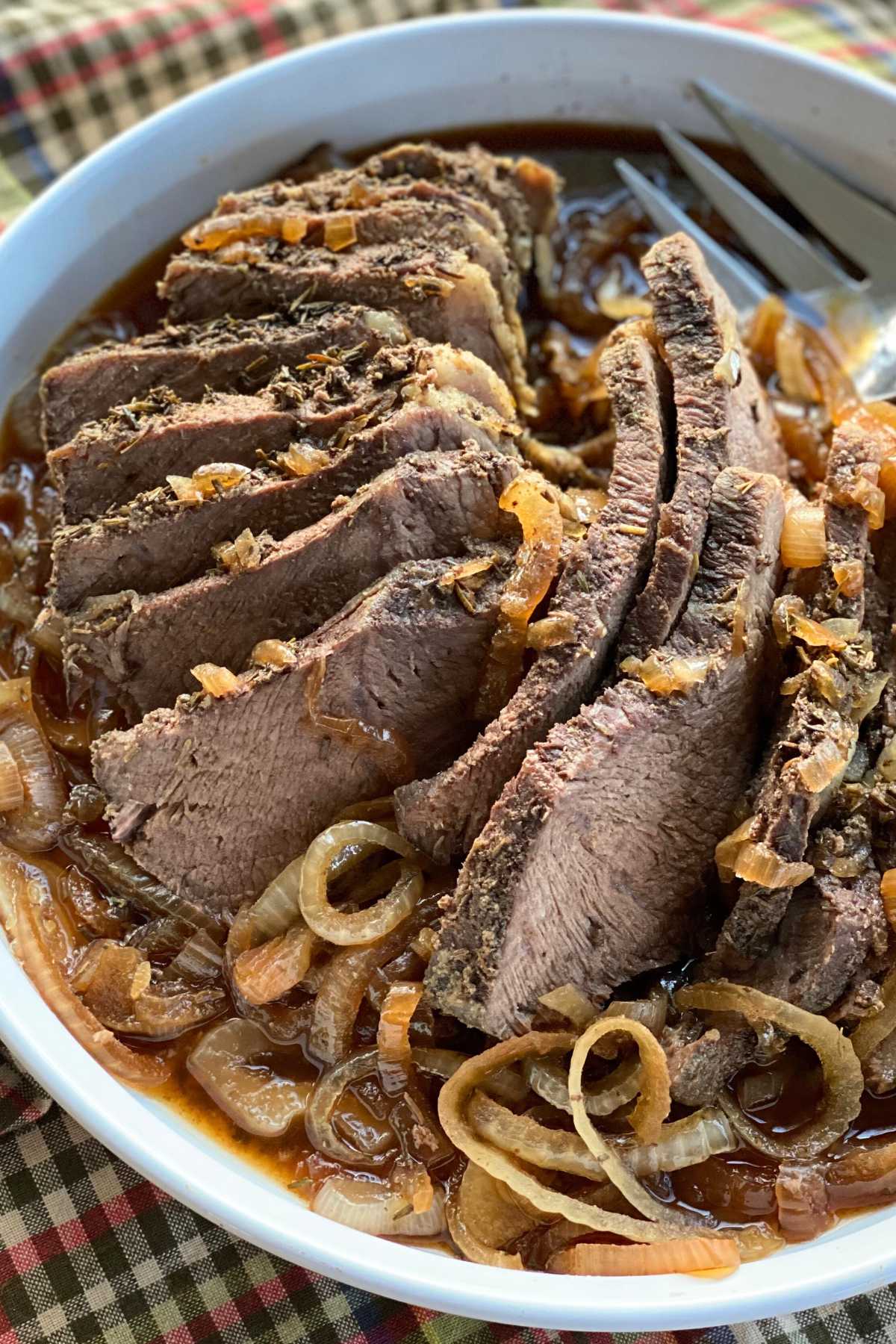
Credit: www.dinner-mom.com
Preparing The Roast
Preparing the roast is the first and most important step for a tasty slow cooker roast beef. Taking time to season and prepare the meat well will bring out deep flavors. This step sets the foundation for a juicy, tender roast that melts in your mouth.
Proper preparation also helps the beef cook evenly in the slow cooker. Let’s explore how to add flavor and texture before the slow cooking begins.
Seasoning And Marinades
Start by patting the roast dry with paper towels. This helps the seasoning stick better.
Use a simple mix of salt, pepper, and garlic powder. Rub this all over the meat, covering every side.
Marinades add extra taste and tenderness. Use a mix of olive oil, soy sauce, and a splash of vinegar or lemon juice.
Let the roast sit in the marinade for at least 30 minutes or overnight in the fridge for stronger flavor.
This step lets the meat soak up spices and become more flavorful inside and out.
Searing For Extra Flavor
Searing the roast before slow cooking locks in juices and adds a rich crust.
Heat a skillet over medium-high heat with a little oil. Brown the roast on all sides for 2 to 3 minutes each.
This quick browning creates a tasty caramelized surface. It also boosts the overall aroma.
Make sure not to crowd the pan. Sear the roast in batches if needed.
After searing, transfer the roast directly to the slow cooker. The crust will soften but still add great flavor.
Setting Up The Slow Cooker
Setting up your slow cooker correctly is key to making tender, flavorful roast beef. Preparing the ingredients and choosing the right settings ensures even cooking. A well-arranged slow cooker helps the meat absorb all the spices and juices. This section guides you through layering ingredients and selecting cooking settings for the best results.
Layering Ingredients
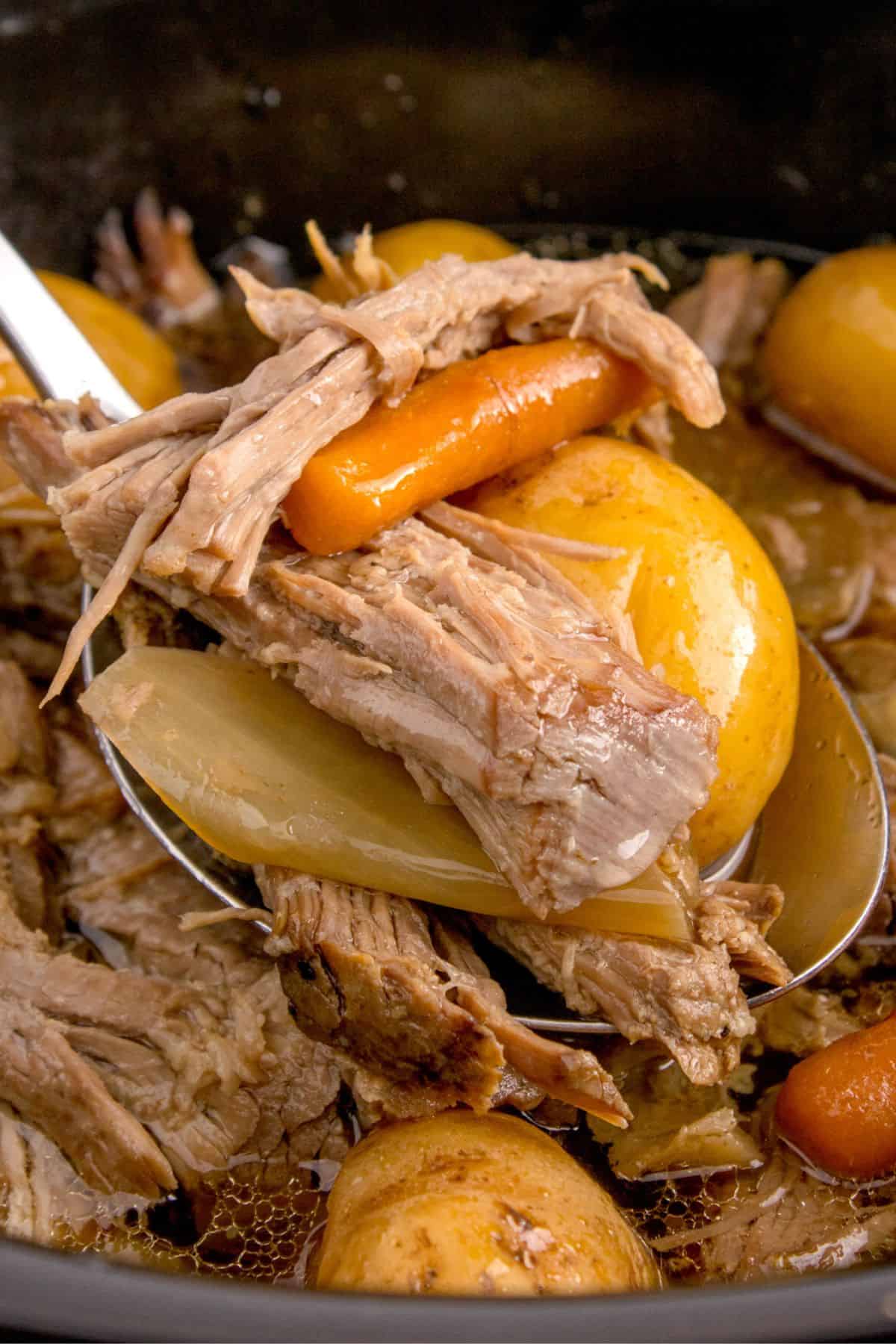
Place vegetables at the bottom of the slow cooker. They act as a base and keep the roast from sticking. Common choices include carrots, onions, and potatoes. Next, add the roast beef on top of the vegetables. Season the meat with salt, pepper, and herbs. Pour broth or water around the roast to keep it moist. Avoid covering the meat completely to allow proper heat circulation.
Choosing Cooking Settings
Use the low setting for tender, juicy roast beef. Cooking on low takes 6 to 8 hours but gives the best texture. The high setting cooks faster, about 3 to 4 hours. Use high only if short on time. Avoid lifting the lid during cooking to keep heat inside. Let the slow cooker do the work for a perfect roast.
Cooking Time And Temperature
Roast beef in a slow cooker creates tender, flavorful meat. Set the temperature to low for six to eight hours. This slow cooking method ensures the beef is juicy and perfect for any meal.
Cooking roast beef in a slow cooker is a simple process. Understanding the right cooking time and temperature is crucial. These factors affect the tenderness and flavor of your roast beef. Slow cookers offer two heat settings: low and high. Each setting influences the cooking time and final taste.
Low Vs High Heat
Low heat cooks the beef gently over a long period. It usually takes 8-10 hours. This method allows the flavors to develop fully. It results in juicy and tender meat. High heat is quicker, cooking the beef in 4-6 hours. It is suitable for those with less time. Although faster, the meat might be less tender.
Checking For Doneness
Use a meat thermometer to check doneness. Insert it into the thickest part of the roast. The internal temperature should reach 145°F for medium-rare. For medium doneness, aim for 160°F. Let the beef rest for a few minutes before slicing. This step ensures the juices redistribute evenly.
Adding Vegetables And Sides
Adding vegetables and sides to your slow cooker roast beef not only enhances the flavor but also creates a complete meal with minimal effort. Choosing the right vegetables and timing their addition can make a big difference in texture and taste. Let’s talk about which veggies work best and when to add them for perfect results every time.
Best Vegetables For Roasts
Root vegetables are a natural match for slow-cooked roast beef. Carrots, potatoes, and parsnips absorb the meat’s juices and become tender without turning mushy. On the other hand, softer vegetables like zucchini or bell peppers might break down too much during the long cooking process.
Here’s a quick list of vegetables that hold up well:
- Carrots
- Potatoes (Yukon Gold or red potatoes work great)
- Parsnips
- Onions
- Celery
- Turnips
If you want a bit more color and freshness, consider adding green beans or peas near the end of cooking. They won’t last well in slow cookers for hours but can add a nice contrast if timed right.
Timing For Adding Sides
When you add your vegetables can change the entire dish. Harder vegetables like carrots and potatoes should go in at the start so they have enough time to cook through. Adding them too late can leave them undercooked and tough.
For more delicate sides such as green beans or mushrooms, wait until the last 30 to 60 minutes of cooking. This approach keeps them from turning soggy or losing their flavor.
Have you ever ruined a meal by adding all veggies too early? Adjusting timing based on the vegetable type can save you from that. Think about how you like your vegetables—firm or soft—and add them accordingly.

Credit: www.youtube.com
Finishing Touches
After slow cooking your roast beef, the finishing touches are what bring everything together. These final steps ensure your meat is juicy and flavorful, and your meal feels complete. Taking a bit of extra time here will make a noticeable difference in taste and presentation.
Resting The Meat
Once your roast beef is out of the slow cooker, let it rest for at least 15 minutes. This allows the juices to redistribute throughout the meat, making every bite tender and moist. Cutting into the beef too soon can cause the juices to spill out, leaving your roast dry.
Cover the meat loosely with foil while it rests to keep it warm. You might wonder if resting really makes that much of a difference—try it once and you’ll notice the contrast immediately. Patience here rewards you with a better texture and flavor.
Making Gravy From Drippings
The drippings left in your slow cooker hold the key to a rich, savory gravy. Start by removing any large pieces of fat or herbs from the liquid. Pour the drippings into a saucepan and heat over medium.
To thicken the gravy, mix a tablespoon of flour or cornstarch with cold water to make a smooth slurry. Slowly whisk this into the hot drippings until the gravy reaches your desired thickness. Taste and adjust seasoning with salt and pepper.
Have you ever thought about how much flavor you might be missing if you skip the gravy? It’s an easy way to elevate your roast beef dinner without extra effort. Plus, it’s a great excuse to savor every bite with a luscious sauce.
Serving Suggestions
Serving a slow cooker roast beef offers a chance to create a warm, inviting meal. Thoughtful serving ideas can make your dish stand out. Pairing the roast with the right sides and presenting it well enhances every bite.
Best Side Dishes
- Mashed potatoes with a touch of garlic and butter
- Steamed green beans or roasted asparagus for a fresh crunch
- Caramelized carrots or glazed baby carrots for sweetness
- Buttery dinner rolls or crusty bread to soak up juices
- Classic Yorkshire pudding for a traditional touch
- Simple garden salad with a light vinaigrette dressing
Presentation Tips
- Slice the roast beef thin against the grain for tenderness
- Arrange slices neatly on a warm serving platter
- Pour the slow cooker juices or gravy over the beef
- Garnish with fresh herbs like rosemary or parsley
- Serve sides in separate bowls or plates for easy sharing
- Use warm plates to keep the meal hot longer
Troubleshooting Tips
Troubleshooting your slow cooker roast beef can make the difference between a meal that’s just okay and one that’s truly memorable. Even experienced cooks encounter challenges like dry meat or flat flavors. Understanding how to fix these issues will boost your confidence and improve every roast you make.
Avoiding Dry Meat
Dry roast beef often happens when the cooking time is too long or the temperature is too high. Slow cookers vary, so check your roast an hour before the expected finish time. If it feels dry, add a splash of beef broth or water and cover it tightly to lock in moisture.
Another trick is to choose the right cut. Chuck roast or brisket holds moisture better than lean cuts like round roast. Have you ever noticed how adding a layer of fat or marbling changes the texture? It’s not just taste—fat helps keep the meat juicy during long cooking.
Adjusting Flavor
If your roast tastes bland, don’t panic. You can brighten it up by adding fresh herbs like rosemary or thyme during the last hour of cooking. A squeeze of lemon juice or a splash of Worcestershire sauce can also lift the flavors dramatically.
Salt is your friend, but timing matters. Adding salt at the beginning can dry the meat, so try seasoning closer to the end. Want a richer taste? Mix in sautéed onions or garlic before cooking. These small changes can turn a simple roast into a flavor-packed meal you’ll want to repeat.
Frequently Asked Questions
How Long Should I Cook Roast Beef In A Slow Cooker?
Cook roast beef on low for 8-10 hours or on high for 4-6 hours. Use a meat thermometer to ensure it reaches 145°F for medium-rare.
What Cut Of Beef Is Best For Slow Cooking?
Chuck roast is ideal for slow cooking. It becomes tender and flavorful after long, slow cooking due to its marbling and connective tissue.
Should I Sear The Roast Before Slow Cooking?
Yes, searing the roast enhances flavor and locks in juices. Brown it on all sides in a hot pan before slow cooking.
Can I Add Vegetables To The Slow Cooker With Roast Beef?
Absolutely. Add carrots, potatoes, and onions to cook alongside the beef. They absorb flavors and make a complete meal.
Conclusion
Cooking roast beef in a slow cooker makes dinner easy and tasty. You just add the ingredients, set the time, and wait. The meat turns soft and juicy, perfect for any meal. This method saves time and effort in the kitchen.
Serve with your favorite sides for a full meal. Try this simple recipe and enjoy a warm, comforting dish. Slow cooking brings out rich flavors without much work. A great choice for busy days or special occasions. Give it a try and enjoy delicious roast beef at home.