You’ve probably used freezer packs more times than you can count to keep your food fresh and cool. But what do you do when they’re no longer working or you simply want to get rid of them?
Throwing them in the trash might seem like the easiest option, but did you know there are smarter and safer ways to dispose of freezer packs? You’ll discover simple steps to handle your freezer packs responsibly, protect the environment, and maybe even save a little money along the way.
Keep reading—you’ll be surprised how easy it is to make the right choice.
Types Of Freezer Packs
Freezer packs come in various types, each designed for specific cooling needs. Knowing the types helps in choosing the right pack and disposing of it properly. Understanding these can also reduce environmental impact and keep your home safe.
Gel Packs
Gel packs contain a thick, gel-like substance inside a plastic pouch. They stay cold longer than ice and are flexible when frozen. Many gel packs are reusable, but some contain chemicals that require special disposal.
Ice Packs
Ice packs are simple containers filled with water or ice. They freeze solid and provide strong cooling power. These packs often come as single-use or reusable options. Water-based ice packs are usually safe to dispose of in regular trash after use.
Reusable Vs. Single-use Packs
Reusable freezer packs can be frozen and used many times. They are better for the environment and cost-effective. Single-use packs are designed for one-time use and then discarded. Proper disposal depends on the pack’s material and contents.
Why Proper Disposal Matters
Proper disposal of freezer packs is more than just tidying up your kitchen. It directly affects the environment and your health. Ignoring how to throw them away can lead to problems you might not expect.
Environmental Impact
Freezer packs often contain gels or liquids that are not safe for the environment. If these substances leak into the soil or water, they can harm plants and animals. Some gels take a long time to break down, causing lasting damage.
Think about the plastic casing too. When tossed in regular trash, it usually ends up in landfills or oceans. This plastic can take hundreds of years to decompose and may release harmful chemicals.
Have you ever wondered where your garbage really goes? Proper disposal helps reduce pollution and protects nature. It’s a small step that has a big impact on the world around you.
Health And Safety Concerns
Improperly discarded freezer packs can pose health risks. If the gel leaks, it can irritate your skin or eyes. It might also be harmful if accidentally swallowed by children or pets.
Some freezer packs use chemicals that need special handling. Throwing them in the trash can expose sanitation workers to these dangers. It’s safer for everyone if you dispose of them correctly.
Have you ever considered what could happen if a freezer pack bursts in your trash bin? Protect yourself and your family by learning the right way to dispose of these items.
Safe Disposal Methods
Disposing of freezer packs safely is important to protect the environment and comply with local rules. These packs often contain gel or liquid that could be harmful if not handled correctly. Knowing the right way to get rid of them helps you avoid pollution and potential fines.
Checking Local Regulations
Your town or city might have specific rules about throwing away freezer packs. Some places treat them like regular trash, while others consider them hazardous waste. Checking your local government’s website or calling the waste management department can save you from making a costly mistake.
Have you ever thrown something away only to find out later it belonged somewhere else? Avoid that by confirming the right disposal method first.
Household Waste Guidelines
Many freezer packs can be disposed of with your regular household waste if they don’t contain harmful chemicals. Look for instructions on the packaging or product website about safe disposal. If the pack is made of plastic and the gel inside is non-toxic, you might be able to puncture it and throw it in the trash.
However, never pour the gel down your sink or toilet. It can damage pipes and pollute water sources.
Hazardous Waste Facilities
If your freezer pack contains toxic substances or you’re unsure about its contents, hazardous waste facilities are the safest option. These centers specialize in handling materials that can harm people or the environment. You can find these facilities through local government resources or community waste programs.
Think about how much safer it feels knowing your waste won’t end up harming wildlife or contaminating soil. Wouldn’t you want to protect your neighborhood this way?
Credit: support.cookunity.com
Eco-friendly Alternatives
Freezer packs can be reused or recycled to reduce waste. Choose eco-friendly options and check local recycling rules before disposal. Proper handling helps protect the environment and keeps plastics out of landfills.
Disposing of freezer packs can often feel like a tricky task, especially if you're aiming to minimize your environmental footprint. The good news is that there are eco-friendly alternatives that allow you to handle this responsibly. Whether it's recycling, repurposing, or composting, each option offers a unique way to give your freezer packs a second life.
Recycling Options
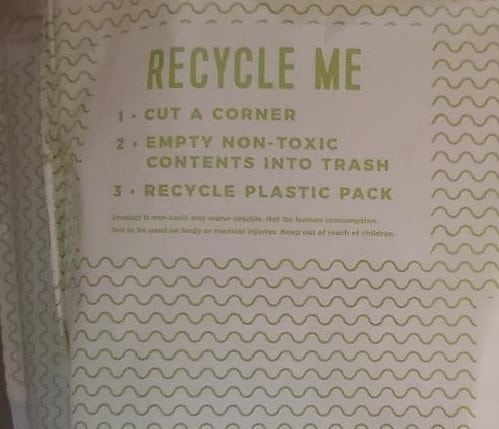
Many freezer packs are made from materials that can be recycled, such as plastics and gels. Check the packaging to see if there's a recycling symbol. If your local recycling center accepts these materials, simply drop them off during your next visit. Some companies offer take-back programs where you can return used freezer packs for proper recycling. This is a great way to ensure they are handled correctly.
Repurposing Freezer Packs
Why not get creative and repurpose your freezer packs? Use them to keep groceries cool during transit or as a makeshift ice pack for injuries. If you're into crafts, incorporate them into DIY projects. They can be an unexpected but useful addition to your toolkit.
Composting Possibilities
While not all freezer packs are compostable, some contain biodegradable materials. Check the label for composting information. If suitable, cut open the pack and add the biodegradable contents to your compost bin. This can enrich your compost with additional nutrients. Are there other ways you've found to dispose of freezer packs responsibly? Share your ideas and let's inspire each other to make eco-friendly choices.
Diy Ideas For Reusing Packs
Freezer packs do not have to be thrown away after one use. They can serve many practical purposes around the house. Reusing these packs helps reduce waste and saves money. Their ability to stay cold for a long time makes them useful in various everyday tasks.
Cooling Injuries
Freezer packs are great for soothing minor injuries. Keep them in the freezer for quick access. Use them to reduce swelling from sprains or bruises. Wrap the pack in a cloth before placing it on the skin. This prevents frostbite and adds comfort during treatment.
Keeping Food Fresh
Use freezer packs to keep food fresh during transport. Place them in lunch boxes or coolers to maintain low temperatures. They help prevent food from spoiling on hot days. These packs are perfect for picnics, road trips, and grocery runs.
Gardening Uses
Freezer packs can help protect plants from heat stress. Place cold packs near delicate flowers or seedlings on hot days. They keep the soil cooler and reduce plant wilting. Also, use packs to keep gardening gloves cool after working outside.

Credit: www.yahoo.com
Tips For Buying Sustainable Packs
Choosing sustainable freezer packs can make a real difference in reducing waste and environmental harm. You don’t have to sacrifice convenience or cooling power to be eco-friendly. Let’s look at some practical tips to help you pick freezer packs that last longer and minimize their impact on the planet.
Materials To Look For
Focus on freezer packs made from non-toxic, biodegradable materials or reusable gels. Avoid packs filled with chemical-based gels that can leak and pollute if damaged.
Packs with natural ingredients like water and cellulose offer a safer alternative. Some brands use recycled plastics for the outer casing, which helps reduce plastic waste.
Brands With Eco Initiatives
Supporting brands with strong environmental policies helps push the market toward sustainability. Look for companies that use recycled materials, offer recycling programs, or donate a portion of profits to conservation efforts.
For example, some brands provide mail-back recycling for used packs, so you don’t have to throw them in the trash. Checking a brand’s website for transparency about their materials and practices can save you from greenwashing.
Longevity And Durability
Buying freezer packs that last longer means fewer replacements and less waste. Packs with tough, puncture-resistant shells hold up better over time, even with frequent use.
Think about how often you’ll use the packs and choose ones designed for repeated freezing cycles. Investing in durable packs may cost more initially but pays off by reducing waste and saving money in the long run.
Credit: stlcityrecycles.com
Frequently Asked Questions
How Do I Safely Dispose Of Freezer Packs?
To dispose of freezer packs safely, first check the packaging for disposal instructions. If reusable, donate or reuse them. For single-use packs, puncture and empty the gel into the trash. Then recycle or throw away the plastic casing according to local guidelines.
Can Freezer Packs Be Recycled With Plastic Waste?
Most freezer packs contain mixed materials, making recycling difficult. Check local recycling rules before discarding. Some areas accept the plastic casing if cleaned, but the gel inside should be disposed of in the trash.
Are Freezer Packs Harmful To The Environment?
Freezer pack gel is usually non-toxic but can harm the environment if leaked. Proper disposal prevents contamination. Avoid puncturing packs unnecessarily and follow local disposal regulations to minimize environmental impact.
Can I Reuse Freezer Packs For Other Purposes?
Yes, freezer packs can be reused for cooling food, soothing injuries, or keeping plants fresh. Clean them thoroughly before reuse. Proper care extends their lifespan and reduces waste.
Conclusion
Proper disposal of freezer packs protects the environment. Always check local recycling rules first. Empty packs can often be recycled with plastic waste. Damaged or leaking packs need special handling. Avoid throwing them in regular trash to prevent harm. Reuse old packs for cooling or first aid when possible.
Small steps help reduce waste and keep nature safe. Careful disposal is simple and makes a big difference. Keep your home and planet clean by following these tips.