You’re staring at a freezer packed with rotten meat, and the smell alone is enough to make you want to run. But how do you get rid of it safely without turning your kitchen into a disaster zone?
Dealing with spoiled meat can be overwhelming, and if not handled right, it can be a health hazard. You’ll learn simple, effective steps to dispose of that freezer full of rotten meat quickly and safely. Keep reading—you’ll thank yourself for knowing exactly what to do next.
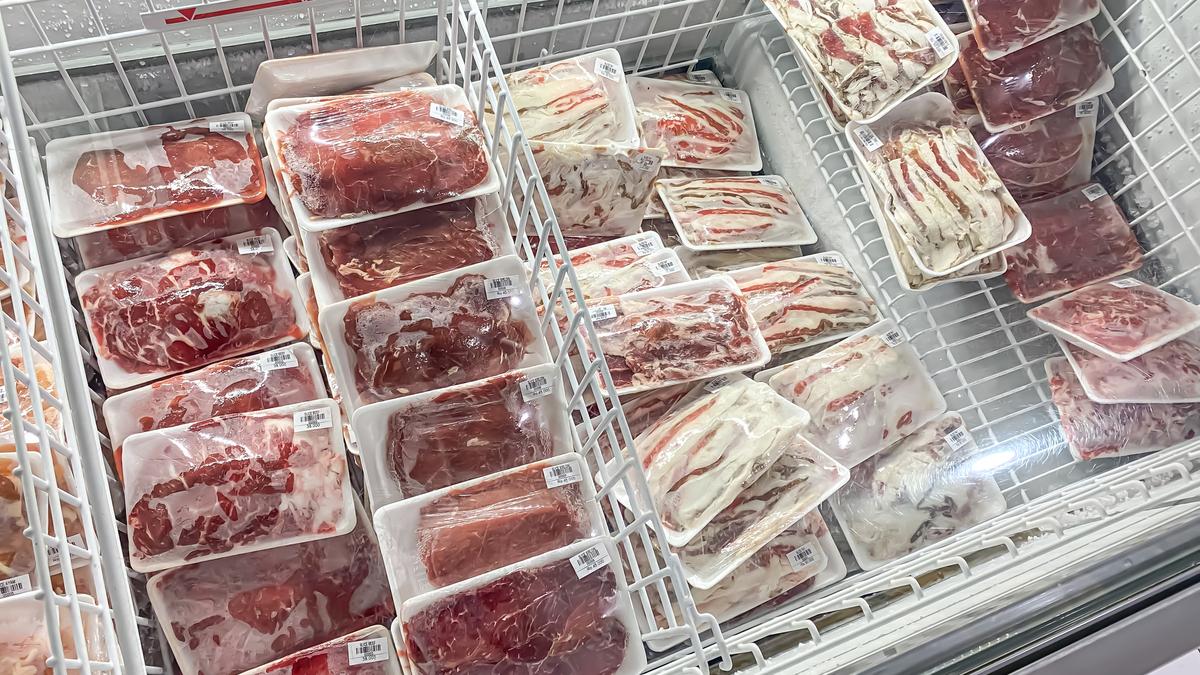
Credit: www.thehindu.com
Assess The Situation
Before diving into the tough task of disposing of a freezer full of rotten meat, take a moment to assess the situation carefully. Understanding the full scope of the problem helps you plan the safest and most efficient way to handle the mess. This initial evaluation can save you from unexpected hazards and make the disposal process less overwhelming.
Check Freezer Condition
Start by examining the freezer itself. Is it still running, or has it completely stopped working? A non-functional freezer means the meat has been spoiled for a while, and you might face stronger odors and potential leaks.
Look for any visible damage inside, like broken shelves or pooling liquid. These details tell you how messy the cleanup might be and whether you need special tools or protective gear. Have you noticed any unusual smells or signs of mold around the freezer?
Identify Types Of Meat
Next, identify the kinds of meat inside. Is it mostly poultry, beef, pork, or a mix? Different meats may require different disposal methods, especially if local regulations have specific rules about certain types.
Knowing what you’re dealing with can also help you decide if any meat might still be salvageable or if everything needs to go. Ask yourself: Are there any packages that look less spoiled or unopened?
Estimate Quantity
Finally, estimate how much rotten meat you need to dispose of. Is it a few packages or an entire freezer full? This affects how you’ll transport the waste and whether you need to arrange special pickup or drop-off services.
Try to visualize the volume in terms of bags or bins. This helps you prepare the right-sized containers and avoid multiple trips. Have you thought about the best way to seal and carry this amount without spreading contamination?
Credit: onecleardrop.com
Prepare For Disposal
Before you dive into disposing of a freezer full of rotten meat, preparing properly can save you a lot of hassle and health risks. Handling spoiled meat needs careful steps to protect yourself and your home from contamination and odors. Taking time to prepare ensures a smoother cleanup process and less stress.
Gather Protective Gear
Rotten meat carries harmful bacteria and strong smells that can irritate your skin and respiratory system. Make sure to wear thick gloves, preferably rubber or disposable latex, to avoid direct contact with the meat and juices. A face mask can help reduce exposure to unpleasant odors and airborne germs.
Don’t forget old clothes or a disposable apron that you can throw away after the job. Safety glasses or goggles are also useful if you expect splashes while removing the meat. Have hand sanitizer or soap nearby to clean up immediately after handling.
Choose Disposal Containers
Select sturdy, sealable containers or heavy-duty garbage bags to prevent leaks and contain the smell. Double bagging is a smart move when dealing with rotten meat, so you reduce the risk of spills during transport. Clear labeling on the bags or containers can help if you need to notify waste collectors.
Think about how you’ll carry these containers out—using bins with handles or wheeled trash cans can save your back. Avoid using thin plastic bags that can tear easily; instead, opt for contractor-grade bags designed for heavy waste.
Ventilate The Area
Rotten meat produces strong, unpleasant odors that can linger and make the space unbearable. Open windows and doors to create airflow before you start removing the meat. Using fans can help push the stale air out and bring fresh air in quickly.
Consider ventilating the freezer itself by keeping its door open for a while, but be ready for the smell to spread temporarily. If you have an exhaust fan or air purifier, turn it on to help clear the air faster. Have you noticed how much better a well-ventilated space feels during tough cleaning jobs?
Remove Rotten Meat Safely
Removing rotten meat from a freezer needs care and caution. Handling spoiled meat wrong can cause bad smells and germs. Follow safe steps to protect yourself and keep your home clean.
Avoid Direct Contact
Wear thick gloves before touching the meat. Use long sleeves and closed shoes for extra protection. Avoid touching your face or eyes while handling the meat. Use tools like tongs or scoops to pick up the meat safely.
Seal Meat In Bags
Place rotten meat in heavy-duty plastic bags. Do not overfill the bags to prevent tearing. Seal the bags tightly to stop leaks and odors. Double bagging is best to keep smells inside and prevent spills.
Handle Leakage Carefully
Check the freezer for any dripping or spills. Use paper towels or disposable cloths to clean leaks immediately. Discard any cleaning materials in sealed bags. Wash your hands and tools with soap and hot water after cleaning.

Credit: www.reddit.com
Dispose Of Meat Responsibly
Disposing of a freezer full of rotten meat requires careful attention to avoid health risks and environmental harm. You must handle the waste responsibly to protect your community and local wildlife. Taking the right steps ensures that you’re not just getting rid of the smell but also doing your part in proper waste management.
Local Disposal Regulations
Every area has specific rules about disposing of spoiled meat. Check with your city or county’s waste management department to learn about any restrictions or special procedures. Some places might require you to double-bag the meat or take it to a designated disposal site.
Ignoring these rules can lead to fines or contamination issues. Have you contacted your local authorities before? It’s a simple step that saves you trouble later.
Use Of Trash Services
Most residential trash services allow disposal of spoiled meat if it’s properly sealed. Use heavy-duty garbage bags and double-wrap the meat to prevent leaks and odors. Adding absorbent materials like old newspapers can help contain moisture and reduce smell.
Place the bags in a sturdy bin with a tight lid to keep animals away. If your regular trash pickup doesn’t accept meat waste, ask about special bulk pickup days or hazardous waste collection events.
Consider Composting Or Rendering
Composting meat isn’t common, but some advanced composting facilities accept it safely. Check if there’s a local compost or rendering service that processes animal products. Rendering turns the meat into useful byproducts like animal feed or biofuel.
This option reduces landfill waste and supports sustainable practices. Could your community benefit from a rendering service? It’s worth exploring to dispose of meat in an eco-friendly way.
Clean And Sanitize Freezer
Empty the freezer completely, discarding all rotten meat safely in sealed bags. Clean the interior with warm soapy water, then sanitize using a mixture of water and vinegar. Leave the door open to air dry and prevent odors.
Cleaning and sanitizing your freezer after dealing with a freezer full of rotten meat is essential to prevent future problems. The foul smell can linger, and bacteria can spread if not properly addressed. Taking the right steps will ensure your freezer is safe and ready for use again.
Remove Remaining Debris
Start by unplugging the freezer and allowing it to defrost if needed. Use gloves to protect your hands while removing any remaining pieces of meat or packaging. A plastic scraper can help with stubborn debris, but be careful not to damage the interior walls of the freezer.
Use Effective Cleaners
Mix a solution of warm water and mild dish soap for initial cleaning. Gently scrub the surfaces with a sponge or soft cloth to remove grime and stains. For deeper sanitation, a mixture of baking soda and water can be applied to eliminate bacteria.
Eliminate Odors
Persistent odors can be tackled with household items you might already have. Place an open box of baking soda inside the freezer to absorb smells. Alternatively, you can use activated charcoal or coffee grounds for a similar effect. Cleaning a freezer might not be your idea of fun, but think about the peace of mind knowing your food storage is safe. What other household cleaning tricks have you found surprisingly effective? Share your thoughts and keep your freezer fresh and ready!
Prevent Future Issues
Dealing with a freezer full of rotten meat is frustrating and smelly. To avoid this hassle in the future, you need to take simple but consistent steps. Preventing spoilage saves you money, reduces waste, and keeps your kitchen healthier.
Regular Freezer Maintenance
Check your freezer at least once a month. Remove any expired or forgotten items before they turn bad. A quick wipe down with a mild cleaner keeps odors at bay and prevents bacteria buildup.
Defrost your freezer when ice builds up more than a quarter-inch thick. Thick ice reduces efficiency and can cause uneven freezing, leading to spoiled food. Have you ever noticed frost making your freezer work harder? That’s a sign it’s time to defrost.
Proper Food Storage Tips
Use airtight containers or heavy-duty freezer bags to protect your food. Label everything with the date you froze it. This small habit helps you use older items first and keeps track of freshness.
Divide large portions into smaller packages before freezing. Smaller packages freeze faster and thaw more evenly. This reduces the chance of bacteria growth during thawing.
- Wrap meat tightly to avoid freezer burn.
- Keep raw meat separate from ready-to-eat foods.
- Store items in the coldest part of the freezer, usually the back.
Monitor Freezer Temperature
Keep your freezer at or below 0°F (-18°C). This temperature stops bacterial growth and keeps food safe for longer. Use an appliance thermometer to check the temperature regularly.
If you notice temperature fluctuations, inspect the door seal for cracks or gaps. A damaged seal lets warm air in, causing spoilage. Have you ever caught your freezer door ajar without realizing it? That small lapse can ruin a whole batch of food.
Frequently Asked Questions
How Do I Safely Dispose Of Rotten Meat From A Freezer?
To safely dispose of rotten meat, seal it in heavy-duty plastic bags. Avoid leaks by double-bagging. Place it in outdoor trash bins for pickup or take it to a local waste disposal facility. Never dispose of it in compost or down drains.
Can I Recycle Or Compost Spoiled Freezer Meat?
No, spoiled meat should never be composted or recycled. It can attract pests and spread harmful bacteria. Always discard rotten meat in sealed trash bags. Follow local waste guidelines for meat disposal to ensure safety and hygiene.
What Cleaning Steps Follow Freezer Meat Disposal?
After disposal, clean the freezer with warm water and baking soda. Use a mild disinfectant to remove bacteria and odors. Dry the freezer thoroughly before restocking. Regular cleaning prevents future contamination and maintains freezer hygiene.
How To Prevent Freezer Meat From Rotting?
Prevent meat spoilage by maintaining freezer temperature below 0°F (-18°C). Use airtight containers or freezer bags to avoid freezer burn. Label and date meat packages to use them before expiration. Regularly check and organize freezer contents.
Conclusion
Cleaning out a freezer full of rotten meat takes care and planning. Start by wearing gloves to protect your hands. Use strong trash bags to hold the waste tightly. Take the bags outside quickly to avoid bad smells inside. Clean the freezer well with soap and water to remove germs.
Keep your home fresh by airing it out. Proper disposal helps protect your health and the environment. Taking these simple steps makes the task easier and safer. You can handle this job calmly and with confidence.