Got an old freezer taking up space in your home? You’re probably wondering how to get rid of it safely and responsibly.
Tossing it out isn’t as simple as just leaving it on the curb. If you don’t handle it right, you could face fines or harm the environment. But don’t worry—this guide will walk you through the easiest and smartest ways to dispose of your freezer.
By the end, you’ll know exactly what steps to take so your freezer is gone for good, without any hassle or risk. Keep reading to discover the best options for you and your home.
Credit: www.appliancesdirect.co.uk
Assessing The Condition
Assessing the condition of your freezer is important before disposing of it. This helps decide the right disposal method and prevents harm to the environment. Careful checking ensures safe handling and proper recycling or reuse.
Determining Reusability
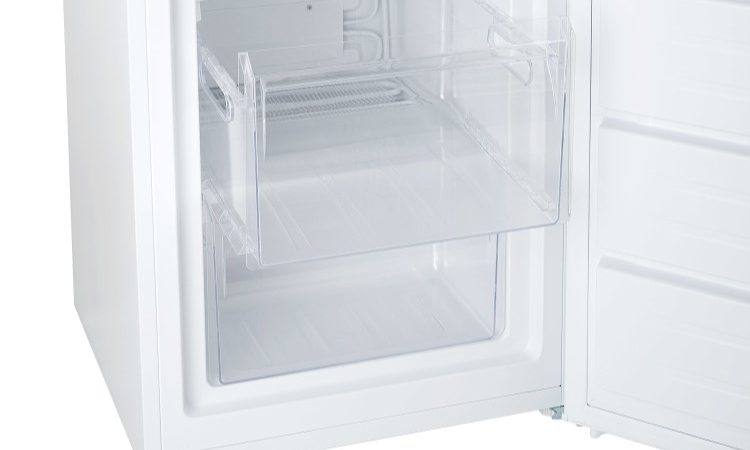
Check if the freezer still works well. Listen for unusual noises or vibrations. Look for leaks or frost build-up inside. Inspect the door seal for cracks or gaps. A freezer in good shape can be donated or sold. Broken parts might be fixable too. Reusing reduces waste and saves money.
Identifying Hazardous Components
Freezers contain parts that can be dangerous. These include refrigerants, oils, and electrical components. Refrigerants can harm the ozone layer if released. Oils inside compressors can be toxic. Check the labels or manual for chemical info. Only trained professionals should remove these parts. Proper disposal prevents pollution and health risks.
Credit: www.appliancesdirect.co.uk
Preparing For Disposal
Preparing a freezer for disposal takes a few important steps. Proper preparation helps avoid mess and ensures safety. It also makes the process easier and cleaner for you and others.
Start by removing all food and personal items. Then, clean and defrost the freezer completely. These actions prevent odors and damage during disposal.
Defrosting And Cleaning
Unplug the freezer and leave the door open. Let the ice melt naturally to avoid damage. Use towels to soak up water as ice melts.
Clean the inside with warm, soapy water. Wipe all surfaces to remove stains and smells. Dry the freezer fully to stop mold and mildew.
Removing Personal Items
Take out all food and containers from the freezer. Check shelves, drawers, and door compartments carefully. Dispose of expired or unwanted items properly.
Remove magnets, notes, or decorations on the freezer. Make sure nothing personal is left behind. This protects your privacy and keeps the freezer empty.
Exploring Disposal Options
Disposing of a freezer responsibly is important for the environment. Several options exist to handle old or broken freezers safely. Choosing the right disposal method helps reduce waste and supports recycling efforts.
Recycling Centers
Recycling centers accept old freezers for proper disposal. They remove harmful chemicals like refrigerants safely. Metal and plastic parts get recycled to create new products. Check local centers for specific rules and drop-off locations. Some centers may even offer small fees for appliances.
Donation Possibilities
Freezers in working condition can help others in need. Charities and community groups often accept donations. Ensure the appliance is clean and runs well. Donated freezers extend their life and reduce landfill waste. Contact local organizations to learn about their donation process.
Professional Removal Services
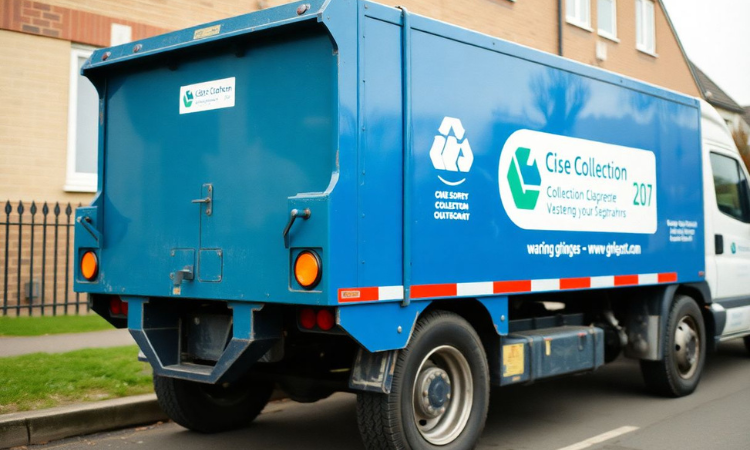
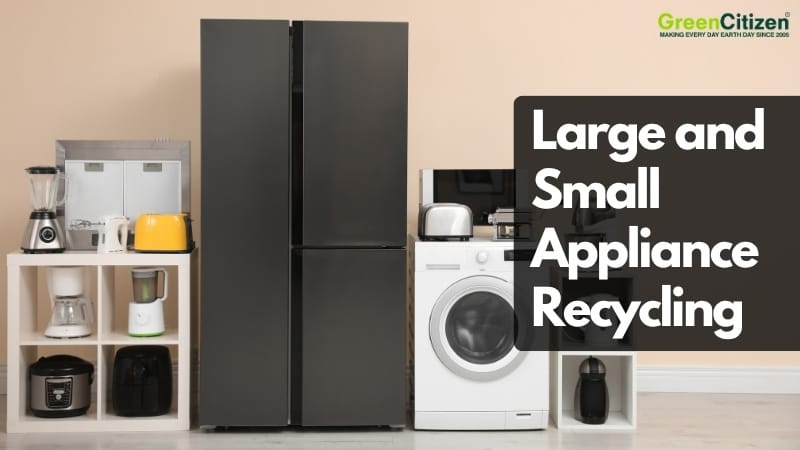
Professional removal services handle freezer disposal with care. They have tools to safely transport and recycle appliances. This option saves time and effort for busy individuals. Many services follow environmental laws strictly. Look for licensed providers with good reviews for best results.
Credit: greencitizen.com
Safety Precautions
Disposing of a freezer involves more than just dragging it out to the curb. Safety should be your top priority to avoid harm to yourself and the environment. Understanding the right precautions can save you from serious accidents and legal trouble.
Handling Refrigerants
Freezers contain refrigerants that can be harmful if released improperly. These chemicals can damage the ozone layer and pose health risks.
You should never try to remove refrigerants yourself unless you have the proper certification. Instead, contact a professional technician who can safely extract and recycle these substances.
Ask your local waste disposal facility if they offer refrigerant recovery services. Proper handling helps protect the environment and complies with legal standards.
Avoiding Electrical Hazards
Before moving your freezer, always unplug it from the power source. Even if it’s not running, residual electricity can cause shocks.
Check the power cord for any signs of damage or exposed wires. If you spot any, avoid touching the cord and call a professional to handle the disposal.
Do you know where your circuit breaker is? Turning off the breaker can add an extra layer of safety when disconnecting large appliances.
Legal Considerations
Disposing of a freezer involves more than just hauling it away. Legal considerations play a crucial role in ensuring you do it the right way. Ignoring these rules can lead to fines or environmental harm, so understanding the legal side is key.
Understanding Local Regulations
Every city or county has its own rules about disposing of large appliances like freezers. You should check with your local waste management or municipal office before you act. They often provide specific guidelines or designated drop-off locations.
Sometimes, you might need a permit to transport or dispose of your freezer. Other times, special pickup days are arranged for bulky items. Have you checked if your area offers these services?
Compliance With Environmental Laws
Freezers contain refrigerants that can harm the environment if released improperly. Laws require these substances to be removed and disposed of by licensed professionals. You cannot just throw a freezer in the trash or leave it on the curb without following these rules.
Proper disposal protects the ozone layer and prevents toxic leaks. Many disposal centers or appliance retailers offer eco-friendly recycling programs. Are you ready to make sure your old freezer doesn’t become an environmental hazard?
Eco-friendly Alternatives
Disposing of a freezer doesn’t have to harm the environment. There are smart, eco-friendly alternatives that let you give your old appliance a second life or make sure it’s recycled properly. These options not only reduce waste but also help conserve resources and energy.
Upcycling Ideas
Instead of throwing your freezer away, think about turning it into something useful around your home. You could convert it into a storage cabinet for tools or garden supplies. Some people even transform old freezers into coolers for parties or insulated planters for growing herbs.
Upcycling saves money and reduces landfill waste. Plus, it’s a fun project that lets you get creative. Have you ever considered how many new uses your old freezer could have with just a few simple modifications?
Participating In Community Programs
Many communities offer special programs to help you dispose of large appliances responsibly. These programs often include free pickup services or drop-off locations where your freezer can be recycled safely.
By joining these programs, you ensure hazardous materials like refrigerants don’t leak into the environment. You also help recover valuable metals and parts that can be reused. Check with your local waste management or environmental office to find out what options are available near you.
Final Steps
Completing the disposal of a freezer requires careful attention to the final steps. These steps ensure safety, compliance, and proper documentation. Taking time for these actions helps avoid future issues and supports environmental care.
Documenting The Process
Keep a record of how you disposed of the freezer. Note the date and location of disposal. Save any receipts from recycling centers or pickup services. Take photos of the freezer before and after removal. This information helps prove proper disposal. It also helps if any questions arise later.
Feedback And Improvement
Share your experience with the disposal service. Give honest feedback on their professionalism and efficiency. Suggest any improvements to make the process smoother. Learning from each disposal helps you next time. It also supports better services for others.
Frequently Asked Questions
How Do I Safely Unplug And Clean A Freezer Before Disposal?
First, unplug the freezer and let it defrost completely. Clean it using mild soap and water. Dry thoroughly to prevent mold and odors before moving it.
Can I Donate Or Sell An Old Working Freezer?
Yes, you can donate or sell a working freezer. Check with local charities, shelters, or online marketplaces. Ensure it’s clean and functional for the next user.
What Are The Environmental Rules For Freezer Disposal?
Freezers contain refrigerants harmful to the environment. Always use certified recycling centers or services. They safely remove refrigerants and recycle parts according to regulations.
Is Curbside Pickup Available For Old Freezers?
Some areas offer curbside pickup for appliances. Contact your local waste management to confirm. Schedule a pickup and follow their preparation guidelines.
Conclusion
Disposing of a freezer safely protects the environment and your home. Always check local rules before you throw it away. Removing harmful parts like refrigerants keeps nature safe. Donate or recycle parts when possible to reduce waste. Taking these steps makes disposal easier and responsible.
Keep safety and care in mind throughout the process. A small effort helps the planet in a big way.