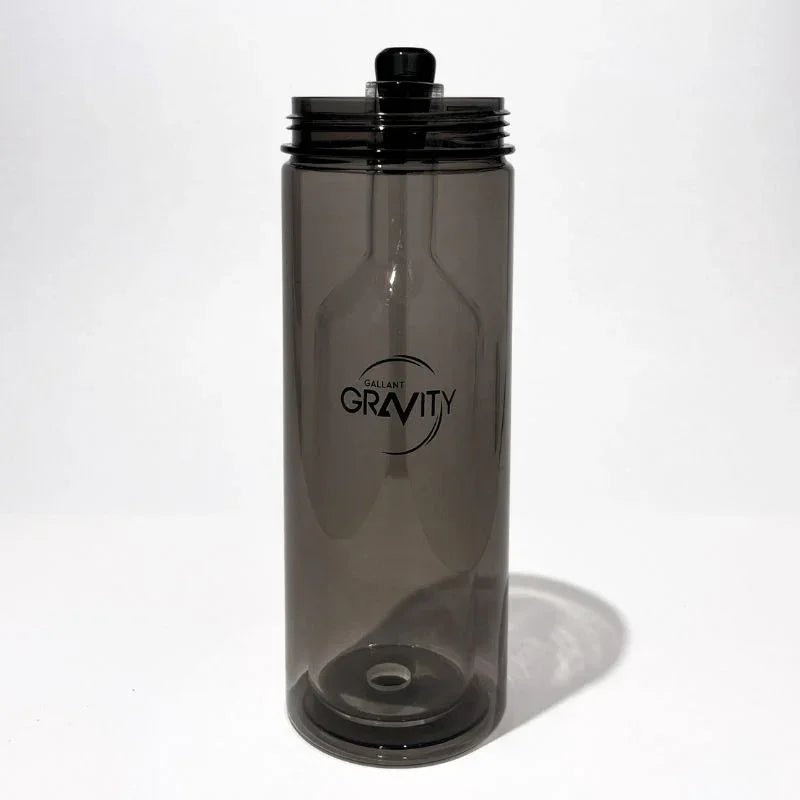
You use your stainless steel water bottle every day, but when was the last time you gave it a deep clean? If you want to keep your bottle fresh, safe, and free from harmful bacteria, disinfecting it regularly is a must.
The good news is, you don’t need expensive cleaners or harsh chemicals. Vinegar, a natural and effective disinfectant, can do the job perfectly. You’ll discover simple, step-by-step tips on how to disinfect your stainless steel water bottle with vinegar—quickly, easily, and safely.
Keep reading to learn how to protect your health and enjoy clean water every time you take a sip.
Benefits Of Using Vinegar
Using vinegar to disinfect your stainless steel water bottle offers several advantages that go beyond just cleaning. It’s a simple, effective choice that fits well with a healthy lifestyle and a mindful approach to the environment. Let’s look at why vinegar might be the best option for keeping your bottle fresh and safe.
Natural Antibacterial Properties
Vinegar contains acetic acid, which naturally kills many types of bacteria. This makes it a powerful disinfectant without the need for harsh chemicals. When you clean your water bottle with vinegar, you reduce the risk of harmful germs lingering inside.
Have you noticed how some cleaning products leave a strong chemical smell? Vinegar leaves a clean, neutral scent that fades quickly, making your bottle more pleasant to use every day.
Eco-friendly And Safe
Unlike many commercial disinfectants, vinegar is biodegradable and safe for the environment. Using vinegar means you avoid adding toxic chemicals to your water bottle and to the planet. This makes it a responsible choice for anyone who cares about sustainability.
Vinegar is also safe to handle and won’t irritate your skin or respiratory system. This is especially important if you have sensitive skin or allergies, making vinegar a gentle yet effective cleaning agent.
Cost-effective Solution
Vinegar is inexpensive and widely available, which means you can disinfect your bottle regularly without worrying about cost. This makes it easy to maintain a clean water bottle without breaking your budget.
Many people overlook how much money they spend on specialized cleaning products. Switching to vinegar can save you money while still giving you a reliable way to keep your bottle hygienic.

Credit: pexpo.in
Preparing Your Water Bottle
Preparing your stainless steel water bottle is key before disinfecting it with vinegar. Proper preparation ensures vinegar reaches every part, killing germs effectively. Start with cleaning the bottle well. This removes loose dirt and residue for better disinfection.
Empty And Rinse Thoroughly
First, pour out any remaining liquid from the bottle. Avoid leaving old drinks inside. Next, rinse the bottle with warm water. This helps wash away leftover particles. Make sure to swirl water around the inside. Rinse until water runs clear and fresh.
Remove Bottle Lid And Parts
Unscrew the lid carefully from the bottle. Take off any rubber seals or straws if your bottle has them. These parts trap dirt and bacteria. Clean them separately to reach all hidden spots. Use warm water to rinse each piece well. This step prepares everything for deep cleaning with vinegar.
Step-by-step Vinegar Cleaning
Cleaning a stainless steel water bottle with vinegar is simple and effective. This natural cleaner removes odors, stains, and bacteria safely. Follow these easy steps for a fresh bottle ready to use again.
Mixing Vinegar Solution
Start by mixing a solution of white vinegar and water. Use equal parts of vinegar and warm water. This balance cleans well without leaving a strong smell.
Filling The Bottle
Pour the vinegar solution into the bottle. Fill it up to the top to cover all inner surfaces. Make sure the cap is open to allow the solution to reach the neck.
Soaking Duration
Let the bottle soak for at least 15 minutes. For deeper cleaning, leave it for up to an hour. This soaking time helps break down grime and kills germs inside the bottle.
Rinsing And Drying
Rinse the bottle thoroughly with clean water to remove vinegar and loosen dirt. Let it air dry completely before use to prevent moisture buildup.
Rinsing and drying your stainless steel water bottle is vital. This ensures no vinegar residue remains. Proper drying prevents bacterial growth. Let's explore effective rinsing and drying methods.
Thorough Rinse Process
Rinse the bottle with warm water. Make sure you reach all areas. Shake the bottle gently to dislodge any residue. Repeat the rinse process until you no longer smell vinegar. Use a bottle brush for stubborn spots inside. Pay extra attention to the cap and mouthpiece.
Air Drying Tips
Place the bottle upside down on a drying rack. Allow air circulation inside and outside. Keep the cap off during drying. This prevents moisture from getting trapped. Choose a well-ventilated area for quicker drying. Ensure the bottle is completely dry before storing.
Additional Tips For Maintenance
Keeping your stainless steel water bottle clean goes beyond just disinfecting it with vinegar. Proper maintenance ensures your bottle stays safe and fresh for everyday use. Here are some additional tips to help you extend its life and enjoy every sip.
Regular Cleaning Schedule
Set a routine to clean your bottle thoroughly at least once a week. Rinsing it with warm soapy water daily helps prevent buildup, but deep cleaning with vinegar or baking soda removes hidden germs and stains.
Ask yourself: Are you cleaning your bottle often enough? A regular schedule stops bacteria before it starts growing.
Avoiding Odors
Stainless steel can trap smells if not cleaned well. To keep your bottle smelling fresh, leave it open to air dry completely after washing.
You can also add a teaspoon of baking soda with vinegar and let it sit overnight to neutralize stubborn odors. Have you noticed any lingering smells despite rinsing? This trick can be a game-changer.
When To Replace Your Bottle
Even with great care, bottles wear out. Check for dents, cracks, or rust spots that vinegar cleaning can’t fix. These issues can harbor bacteria and make your bottle unsafe.
If your bottle starts leaking or the cap no longer seals tightly, it’s time to invest in a new one. Could a replacement improve your daily hydration experience?

Credit: ecococoon.com.au
Common Mistakes To Avoid
Disinfecting a stainless steel water bottle with vinegar is simple and effective. Avoid common mistakes that reduce cleaning power or damage the bottle. These errors can lead to bad smells, stains, or less clean bottles. Keep these tips in mind for the best results.
Using Harsh Chemicals
Avoid using bleach or strong detergents alongside vinegar. Harsh chemicals can harm the stainless steel surface. They may cause discoloration or corrosion. Vinegar alone is enough to disinfect and clean your bottle safely. Stick to natural, mild cleaning agents to protect your bottle.
Ignoring Bottle Components
Many forget to clean all parts of the bottle. Caps, lids, and seals also hold bacteria. Remove these parts before disinfecting. Soak them in vinegar solution separately. Use a small brush to reach tight spots. This prevents buildup and keeps the whole bottle fresh.
Incomplete Drying
Leaving moisture inside invites mold and odors. After rinsing, dry the bottle completely. Use a clean cloth or air dry upside down. Make sure caps and seals are dry too. Proper drying stops bacteria growth and keeps the bottle safe to use.

Credit: www.justbottle.co
Frequently Asked Questions
How Effective Is Vinegar In Disinfecting Water Bottles?
Vinegar is a natural disinfectant that kills most bacteria and mold. It removes odors and residue safely. Use white distilled vinegar for best results.
Can Vinegar Damage Stainless Steel Water Bottles?
No, vinegar does not harm stainless steel if used properly. Avoid soaking for more than an hour. Rinse thoroughly to prevent any vinegar smell.
How Long Should Vinegar Sit In The Bottle?
Let vinegar sit inside the bottle for 10 to 15 minutes. This duration allows proper disinfection without damaging the bottle’s surface.
Can I Use Vinegar Instead Of Bleach For Cleaning?
Yes, vinegar is a safer alternative to bleach. It disinfects without harsh chemicals and is eco-friendly. However, bleach kills some germs vinegar may not.
Conclusion
Cleaning your stainless steel water bottle with vinegar is simple and safe. Vinegar kills germs and removes odors without harsh chemicals. Just soak, scrub, rinse, and dry well. Regular cleaning keeps your bottle fresh and healthy. This easy method saves money and helps the environment too.
Use vinegar often to enjoy clean water every day. Your bottle will stay shiny and last longer. Try this natural way and see the difference yourself.