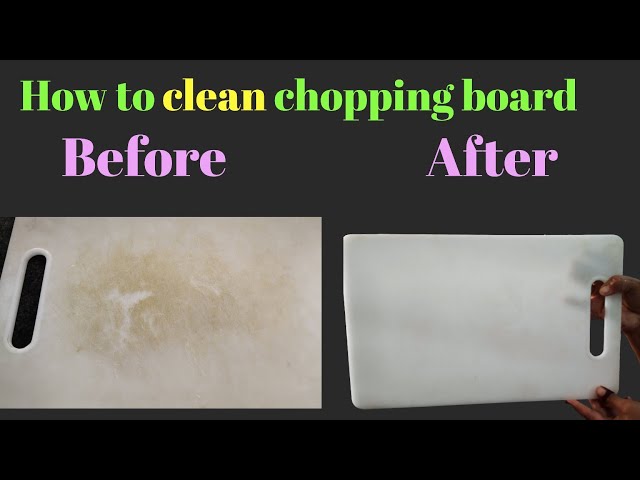
Your plastic cutting board is one of the busiest tools in your kitchen, but do you know how to properly disinfect it? Every time you cut meat, vegetables, or fruits, tiny bacteria can hide in the grooves and cracks.
If not cleaned right, these germs can make your food unsafe. You’ll discover simple and effective ways to disinfect your plastic cutting board. By following these easy steps, you’ll protect your health and keep your kitchen safe. Keep reading to learn how to make your cutting board spotless and germ-free!
Credit: www.youtube.com
Choosing The Right Cutting Board
Choosing the right cutting board is essential for both food safety and ease of cleaning. The material and size of your cutting board can affect how well it resists bacteria and how simple it is to disinfect. Let’s dive into the key factors you should consider before making your choice.
Plastic Vs. Other Materials
Plastic cutting boards are popular because they are lightweight, affordable, and dishwasher safe. They don’t absorb liquids, which helps prevent bacterial buildup. However, plastic boards can develop deep grooves from knives, making them harder to clean over time.
Wooden cutting boards, on the other hand, have natural antimicrobial properties. Many chefs prefer them for cutting vegetables and bread because they are gentle on knives. But wood can absorb juices and stains, requiring more careful maintenance to stay hygienic.
Glass and bamboo boards are less common but offer different benefits. Glass is easy to clean but can dull knives quickly. Bamboo is durable and eco-friendly but may crack if not properly cared for.
Ask yourself: Do you want something easy to sanitize or a board that’s more gentle on your knives? Your answer will guide your choice.
Size And Thickness Considerations
The size of your cutting board matters for both convenience and safety. A larger board gives you more workspace and reduces the chance of food falling off during cutting. But if the board is too big, it might be difficult to clean properly or store.
Thickness impacts durability and stability. Thicker boards tend to stay put on your countertop, which helps prevent accidents. However, they are heavier and can be harder to move around or wash.
Consider your kitchen space and how often you prepare large meals. A medium-sized, moderately thick plastic board often strikes the best balance for everyday use.

Credit: www.lysol.com
Common Contaminants On Cutting Boards
Plastic cutting boards often carry invisible contaminants that can harm health. These contaminants come from various foods and kitchen activities. Understanding these common contaminants helps keep your cutting board safe and clean.
Bacteria And Germs
Bacteria and germs grow quickly on cutting boards. Raw meat, poultry, and fish leave behind harmful bacteria like Salmonella and E. coli. These germs can cause food poisoning. Even small cuts on the board hold bacteria, making cleaning harder. Regular disinfection stops bacteria from spreading.
Cross-contamination Risks
Cross-contamination happens when germs transfer from one food to another. Using the same board for raw meat and vegetables spreads bacteria. This risk grows if the board is not cleaned well. Cutting boards must be disinfected to prevent cross-contamination. Separate boards for meat and vegetables reduce this danger.
Daily Cleaning Techniques
Keeping your plastic cutting board clean every day helps stop germs from growing. Simple cleaning routines remove food bits and bacteria fast. Daily care also keeps the board fresh and safe for your next meal prep.
Soap And Water Method
Start by rinsing the cutting board with warm water. Use a sponge or cloth with dish soap to scrub all surfaces well. Pay close attention to grooves where food can hide. Rinse the board thoroughly to remove soap. Dry it with a clean towel or let it air dry. This easy routine removes most germs and food particles.
Using Dishwashers Safely
Many plastic cutting boards are dishwasher safe. Check the label before placing it inside. Put the board on the top rack to avoid warping. Use a hot water cycle for better cleaning. After the cycle, remove the board and dry it completely. This method kills bacteria without extra effort.
Effective Disinfection Methods
Disinfecting your plastic cutting board is essential to keep your kitchen safe and prevent cross-contamination. There are several reliable ways to do this using common household items or commercial products. Knowing how to prepare and use these disinfectants correctly makes all the difference in maintaining hygiene.
Bleach Solution Preparation
Bleach is a powerful disinfectant that can kill most bacteria and viruses on your cutting board. To make a safe bleach solution, mix 1 tablespoon of unscented liquid bleach with 1 gallon of water. Soak the cutting board in this solution for about 1 to 2 minutes.
After soaking, rinse the board thoroughly with clean water and let it air dry. Avoid using a stronger bleach concentration, as it can damage the plastic and leave harmful residues. Have you ever tried this and noticed a lingering bleach smell? Proper rinsing helps eliminate that.
Vinegar And Hydrogen Peroxide Use
Vinegar and hydrogen peroxide are a great natural alternative for disinfecting. Spray your cutting board first with white vinegar and let it sit for a few minutes. Then, spray hydrogen peroxide over the vinegar and wait again for a few minutes.
This combination creates a safe yet effective disinfecting action without harsh chemicals. Rinse the board afterward and dry it well. It’s a simple process that I’ve found works wonders after chopping raw meat or fish.
Commercial Disinfectants
There are many commercial disinfectants designed specifically for kitchen surfaces, including cutting boards. Look for products labeled safe for food contact surfaces and follow the manufacturer's instructions carefully.
These disinfectants often come in spray or wipe form, making them convenient for quick cleanup. Have you checked the label for contact time? Leaving the disinfectant on the surface for the recommended time ensures it kills germs effectively.
Deep Cleaning And Maintenance
Deep cleaning and maintenance keep your plastic cutting board safe and long-lasting. Dirt, stains, and knife marks can hide germs and damage the board. Regular care prevents these problems and keeps your kitchen hygienic.
Proper cleaning removes bacteria and food smells. Maintaining the surface stops scratches and grooves where germs grow. Follow simple steps to keep your cutting board fresh and strong.
Removing Stains And Odors
Use lemon juice or white vinegar to fight stains and smells. Rub the board with lemon halves or soak it in vinegar for 5-10 minutes. Rinse well with hot water afterward.
Baking soda works well for tough stains. Make a thick paste with water, spread it on the board, and scrub gently. Let it sit for a few minutes before rinsing.
Sunlight helps remove odors and dries the board naturally. Place your board outside for a few hours after cleaning to freshen it up.
Preventing Knife Marks And Damage
Use sharp knives to reduce pressure and avoid deep cuts. Dull knives can cause more damage to the board's surface.
Cut on both sides of the board. This spreads out wear and tear evenly.
Store the board upright to avoid warping and moisture buildup. Keep it dry to prevent cracking and bacteria growth.
Replace your cutting board if deep grooves form. These cracks trap bacteria and are hard to clean.
Safety Tips For Handling Cutting Boards
Handling cutting boards safely is key to keeping your kitchen hygienic and preventing foodborne illnesses. Knowing how to properly manage your cutting boards can make a huge difference in reducing cross-contamination. Here are some essential safety tips that you can apply every time you prepare food.
Separate Boards For Different Foods
Using different cutting boards for various types of food is one of the simplest ways to avoid cross-contamination. For example, keep one board exclusively for raw meat and another for vegetables or fruits. This habit helps prevent harmful bacteria from raw meat transferring to foods that won’t be cooked.
Think about your own kitchen setup: do you have designated boards, or do you often use the same one for everything? If you don’t already separate them, try it for a week and notice how it changes your approach to food safety.
Proper Storage Practices
Where and how you store your cutting boards matters just as much as how you clean them. Store boards in a dry, upright position to allow air circulation and prevent moisture buildup, which can lead to mold or bacteria growth.
A cluttered drawer or a damp stack can harbor germs and damage your boards faster. Give your cutting boards space to breathe after washing, and avoid stacking them directly on top of one another while still wet.
When To Replace Your Cutting Board
Plastic cutting boards are a staple in many kitchens. They are durable and easy to clean. But, they don't last forever. Knowing when to replace them is important for kitchen safety.
Signs Of Wear And Tear
Look for deep grooves or cuts in your cutting board. These are signs of wear. They can trap bacteria and make cleaning difficult. If your board has warped or bent, it's time to replace it. A warped board won't sit flat on the counter. This can lead to accidents during chopping.
Health Risks Of Old Boards
Old boards can harbor harmful bacteria. These can transfer to your food. This increases the risk of foodborne illness. Deep grooves are hard to sanitize. They become breeding grounds for germs. Replacing old boards helps maintain a healthy kitchen environment.
Credit: www.homedepot.com
Frequently Asked Questions
How Often Should I Disinfect A Plastic Cutting Board?
You should disinfect your plastic cutting board after every use, especially after cutting raw meat. Regular cleaning prevents bacteria buildup and keeps your kitchen safe.
What Household Items Can Disinfect Plastic Cutting Boards?
Common items like white vinegar, hydrogen peroxide, and bleach solutions effectively disinfect plastic cutting boards. They kill germs and remove odors safely when used properly.
Can I Use A Dishwasher To Disinfect Cutting Boards?
Yes, most plastic cutting boards are dishwasher safe. The high heat and detergent sanitize boards effectively, but check manufacturer guidelines first to avoid damage.
Is Bleach Safe For Cleaning Plastic Cutting Boards?
Bleach is safe when diluted properly (1 tablespoon bleach per gallon of water). It kills bacteria but must be rinsed thoroughly to avoid chemical residue.
Conclusion
Keeping your plastic cutting board clean is important for health. Use soap, hot water, and a scrub brush to wash it well. Then, disinfect with a safe solution like diluted bleach or vinegar. Let the board dry completely before using it again.
Regular cleaning stops germs and bacteria from spreading. Small steps make a big difference in your kitchen safety. Stay careful and keep your cutting board fresh every day. Clean boards mean safer meals and peace of mind.