Is your fridge freezer building up ice, but you’re worried about turning it off and losing all your food? You’re not alone.
Defrosting your freezer without switching it off might sound tricky, but it’s easier than you think. Imagine saving time, avoiding a mess, and keeping your food safe—all at once. Keep reading, and you’ll discover simple, effective ways to clear that ice without the hassle or stress.
Your freezer—and your peace of mind—will thank you.
Credit: dengarden.com
Reasons To Defrost Without Powering Off
Defrosting a fridge freezer without turning it off offers several benefits. It keeps food safe and fresh while saving time. This method avoids the cold loss that happens when the freezer is off. It also helps maintain the right environment for your stored items.
Maintaining Food Temperature
Keeping the freezer powered prevents food from warming up. This stops ice crystals from melting quickly. Frozen items stay solid longer, reducing the risk of partial thawing. It helps keep a steady cold temperature during defrosting.
Avoiding Food Spoilage
Food stays fresh without sudden temperature changes. Avoiding power-off limits bacteria growth on thawed food. It reduces the chance of spoilage and waste. Maintaining cold conditions protects sensitive items like meat and dairy.
Convenience And Time-saving
Defrosting without switching off saves extra steps. No need to move food to another freezer. It cuts down waiting time for the freezer to cool again. The process becomes quicker and less disruptive to daily routines.

Credit: www.aosom.ca
Tools Needed For Defrosting
Defrosting your fridge freezer without turning it off can be a bit tricky, but having the right tools makes the process smoother and safer. You want to avoid damaging your appliance while effectively removing the ice build-up. The right tools help you work efficiently, control water mess, and protect the surfaces inside your freezer.
Soft Cloths And Towels
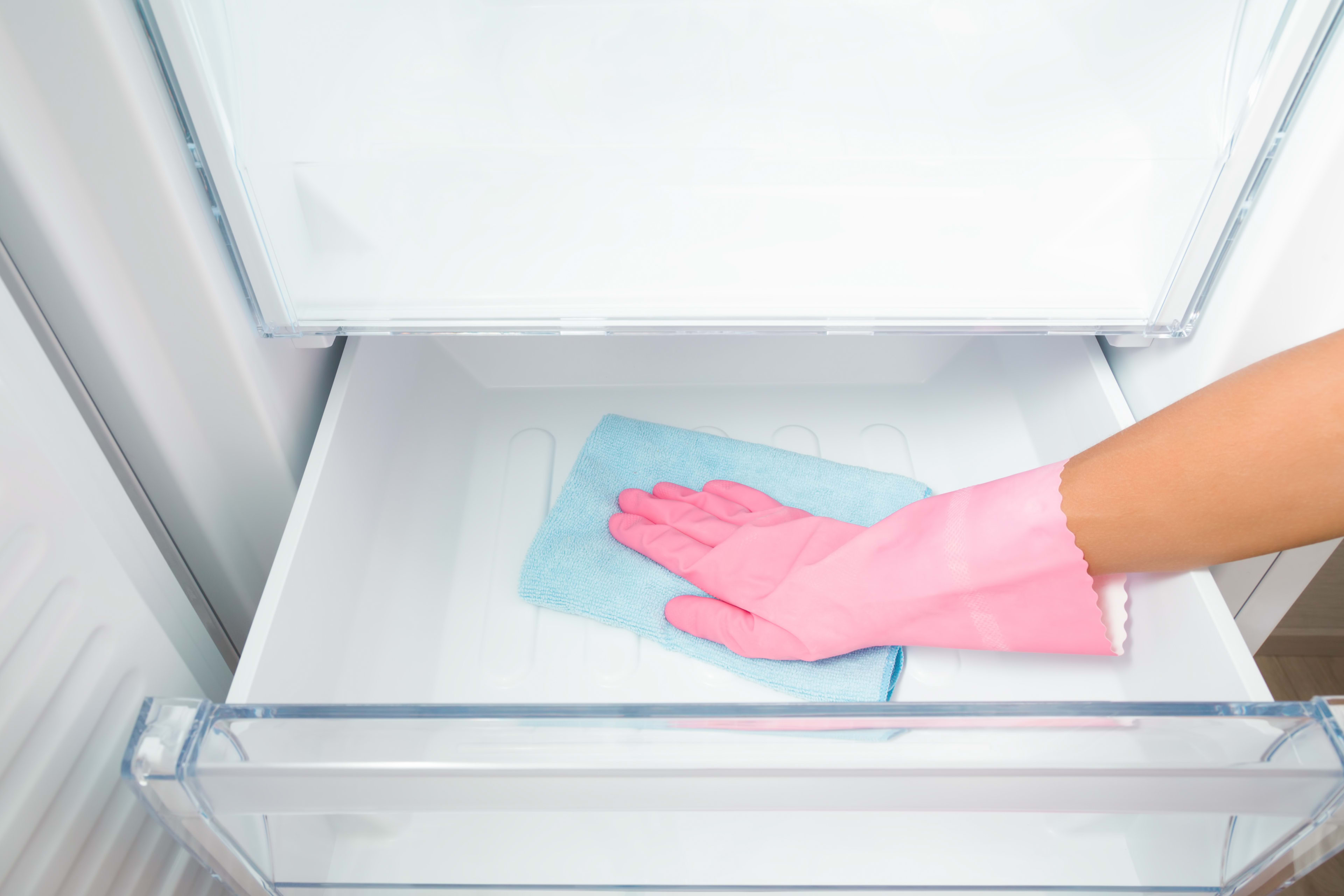
Soft cloths and towels are essential for soaking up water as the ice melts. Using absorbent materials prevents water from pooling inside your fridge, which could cause damage or create slippery floors. Keep several cloths handy so you can quickly swap out wet ones and maintain a dry workspace.
Plastic Scrapers
Plastic scrapers are your best friend when you need to chip away at stubborn ice without scratching the interior. Avoid metal tools that can damage the freezer walls or cooling elements. A sturdy plastic scraper lets you carefully loosen ice chunks, speeding up the defrosting process.
Bowls For Water Collection
Place bowls or shallow containers beneath the freezer to catch dripping water. This simple step keeps your kitchen floor dry and prevents the mess from spreading. Using bowls also makes it easier to monitor how much water is melting and when to empty them.
Step-by-step Defrosting Process
Defrosting a fridge freezer without switching it off keeps your food fresh and safe. Follow simple steps to clear ice build-up efficiently. This process uses natural melting and careful cleaning to avoid temperature drops.
Removing Food Safely
Take out all the food from the freezer compartment. Place perishables in a cooler or insulated bag. Keep them safe from warming while defrosting continues. Organize the food on a clean surface nearby.
Using Hot Water Bowls
Fill heatproof bowls with hot water. Place them inside the freezer on different shelves. Close the door to trap steam and melt the ice. Replace the water when it cools down for faster melting.
Wiping Away Melted Ice
Use a soft cloth or sponge to wipe water and ice pieces. Remove moisture to prevent refreezing or water damage. Work gently to avoid damage to freezer walls and seals. Dispose of melted ice safely in a sink or drain.
Repeating The Process
Check the freezer regularly for remaining ice patches. Repeat hot water bowls and wiping if needed. Continue until all ice is gone and freezer walls feel dry. Return food only after the freezer regains proper cold temperature.
Tips To Speed Up Defrosting
Speeding up the defrosting process helps keep your fridge freezer efficient. It prevents ice build-up that can reduce cooling power. Using simple tricks can melt the ice faster while keeping the appliance running.
Using Fans For Air Circulation
Place a fan near the freezer door to move warm air inside. Air circulation helps the ice melt quicker. A small desk fan works well for this task.
Make sure the fan does not blow directly on food items. Keep the airflow steady but gentle for best results.
Applying Warm Towels
Use clean towels soaked in warm water to soften the ice layers. Place the towels on the icy spots inside the freezer. Replace them as they cool down to maintain heat.
This method speeds up melting without harming the freezer parts. Warm towels are safe and easy to use.
Avoiding Sharp Objects
Never use knives or sharp tools to chip away ice. These can damage the freezer’s interior and cause leaks. Scraping ice with hard objects risks puncturing cooling tubes.
Stick to gentle methods like warm towels and fans. Patience protects your appliance and speeds defrosting safely.
Preventing Future Ice Build-up
Keep fridge doors closed tightly to stop warm air and moisture inside. Regularly clean door seals and remove food that blocks air vents. Maintain a stable temperature to reduce ice build-up over time.
Preventing future ice build-up in your fridge freezer is not just a matter of convenience; it's essential for maintaining efficiency and prolonging the appliance's life. The trick is to adopt some simple, yet effective habits that can save you both time and energy. Let's delve into some practical strategies to keep that ice at bay.
Regular Cleaning Schedule
A consistent cleaning routine is vital. Aim to clean your fridge freezer every month. This prevents ice from accumulating and ensures your appliance runs smoothly. Consider using a mixture of warm water and baking soda to wipe down the surfaces. This not only cleans but also neutralizes odors. Don't forget to check and clean the drain hole, as blockages can contribute to ice build-up.
Keeping Door Seals Tight
Door seals play a crucial role in maintaining your freezer's temperature. If they're not tight, warm air can seep in, leading to more ice. Inspect the seals regularly. A simple test is to close the door on a piece of paper. If you can pull it out easily, it’s time to replace the seals. You might be surprised how much energy you can save with well-maintained seals.
Managing Humidity Inside
Humidity is a silent contributor to ice build-up. Keep an eye on the humidity levels inside your fridge freezer. Store food in airtight containers to prevent moisture from escaping. You can also place a box of baking soda inside to absorb excess moisture. Are you frequently opening the freezer? This can let in humid air, causing more ice. Make a habit of checking and organizing your items so you can find what you need quickly. By adopting these practices, you can keep your fridge freezer in top condition and avoid the hassle of dealing with ice. Who wouldn’t want a hassle-free kitchen appliance?

Credit: www.cookist.com
Frequently Asked Questions
How Can I Defrost My Freezer Without Unplugging It?
You can defrost by placing a bowl of hot water inside and closing the door. The steam softens the ice, which can then be wiped away. This method avoids turning off the fridge and helps melt frost safely and quickly.
Is It Safe To Defrost Freezer Without Turning It Off?
Yes, defrosting without turning off the freezer is safe if done carefully. Use hot water or a hairdryer on low heat to melt ice. Avoid sharp tools to prevent damage or leaks inside the appliance.
How Long Does Defrosting Freezer Without Power Off Take?
Defrosting without turning off the freezer usually takes 30 to 60 minutes. The exact time depends on the ice thickness and method used. Using warm water or a fan speeds up the process effectively.
Can I Speed Up Defrosting Without Unplugging The Fridge?
Yes, speeding up defrosting is possible by placing hot water bowls or using a hairdryer on low. These increase warmth inside, melting ice faster without switching off the appliance.
Conclusion
Defrosting your fridge freezer without turning it off saves time and keeps food cold. Small steps like using warm water or a hairdryer help melt ice quickly. Keep a towel handy to catch dripping water. Regular defrosting stops ice buildup and keeps your freezer efficient.
These easy tips protect your food and save energy. Try them to maintain your freezer without hassle. Simple care leads to better fridge performance and longer appliance life.