Is your freezer packed with stubborn ice, and you’re dreading the mess that comes with defrosting it? You’re not alone.
Defrosting a freezer often feels like a race against a rising tide of water, leaving you frustrated and your kitchen floor soaked. But what if you could melt away all that ice without turning your space into a small lake?
In this guide, you’ll discover simple, practical steps to defrost your freezer cleanly and efficiently—saving you time, effort, and a big cleanup. Keep reading, because mastering this easy trick will change the way you handle freezer maintenance forever.
Prepare The Freezer
Preparing your freezer before defrosting is key to avoiding a watery mess. Taking a few simple steps will make the process smoother and cleaner. Let’s focus on setting up your freezer properly before the actual defrosting begins.
Turn Off And Unplug
First, switch off your freezer and unplug it from the power outlet. This stops the cooling process and prevents any electrical hazards while you work. Have you ever tried to defrost a freezer while it’s still running? It only makes things harder and messier.
Remove Food Items
Next, take out all the food and store it in a cooler or another freezer. Use insulated bags or ice packs to keep perishable items cold. Leaving food inside during defrosting can cause spoilage and create extra water as it thaws.
Gather Necessary Tools
Before you start defrosting, collect everything you’ll need close by. This includes towels or absorbent cloths, a shallow pan or tray to catch dripping water, and a plastic or wooden spatula for gently scraping off ice. Having these ready saves you from running around and helps you stay organized.
Contain The Water
Containing the water during freezer defrosting is crucial. It keeps your kitchen clean and prevents slippery floors. Preparing the area properly saves time and effort later. Use simple tools around your home to catch melting ice efficiently. Protect surfaces and floors from water damage with easy setup steps.
Place Towels And Trays
Lay thick towels around the base of the freezer. They absorb water and stop puddles from forming. Use trays or shallow pans under the freezer door. These catch dripping water before it reaches the floor. Change towels if they become too wet. This prevents water from spreading and keeps the area dry.
Use A Plastic Sheet Or Liner
Cover the floor near the freezer with a plastic sheet. It acts as a waterproof barrier for any water that escapes. Secure the edges with tape or heavy objects. This stops the sheet from slipping and water from leaking. After defrosting, fold the sheet carefully to avoid spills. This method protects your floor and makes cleanup faster.
Speed Up The Defrosting
Defrosting a freezer can feel like a slow chore, especially when you’re eager to get it back to working order. Speeding up the process doesn’t just save time—it helps prevent water from pooling everywhere. By using a few smart techniques, you can melt ice faster and keep your kitchen dry.
Use Hot Water Bowls
Place bowls of hot water inside the freezer compartment. The steam helps soften the ice quickly without harsh scraping. You’ll notice the ice loosening in minutes, making it easier to wipe away.
Make sure to replace the water as it cools to maintain steady steam. This trick works well because it uses heat gently, reducing the risk of damage to your freezer’s surfaces.
Employ A Fan
Position a fan to blow warm air into the freezer. This speeds up melting by circulating heat and preventing cold air from settling. It’s a great hands-free way to speed things up.
Try combining the fan with hot water bowls for even faster results. Have you tried this combo before? It’s surprisingly effective and keeps your hands free for other tasks.
Avoid Sharp Tools
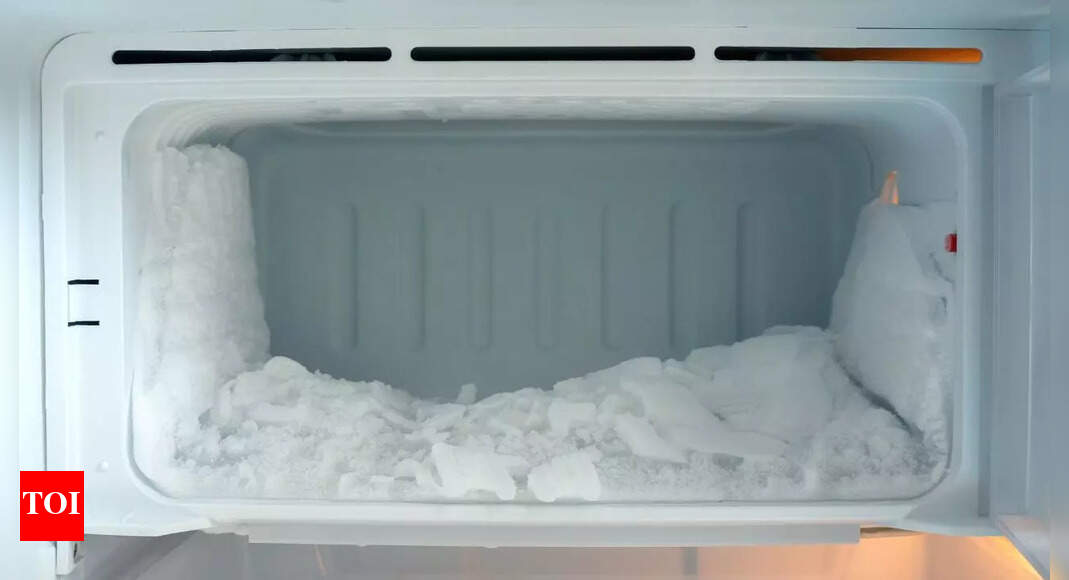
Resist the urge to chip away ice with knives or metal tools. Sharp objects can puncture the freezer lining, leading to costly repairs. Instead, let heat and steam do the work gently.
Use plastic scrapers if needed, but always with care. Protecting your freezer’s interior saves money and hassle in the long run, so patience pays off here.
Credit: timesofindia.indiatimes.com
Remove Ice Safely
Removing ice safely prevents damage to your freezer and avoids water mess. Take your time and handle ice with care. Sharp tools can harm the freezer’s interior or cause injury. Use gentle methods to protect the appliance and yourself.
Gently Chip Away Ice
Use a plastic or wooden spatula to chip ice carefully. Avoid metal tools that scratch or puncture the surface. Work slowly to loosen ice without forcing. Small, soft taps help break ice into manageable pieces. Keep your hands steady and watch for cracks or weak spots.
Collect Ice Chunks
Place a towel or tray under the ice to catch falling pieces. Pick up chunks regularly to stop them from melting and creating water pools. Use a bowl or bucket nearby to hold ice safely. This keeps the area clean and dry. Dispose of ice properly to avoid slipping hazards.
Clean And Dry
Place towels around the freezer to catch melting ice and use a shallow pan to collect water. Wipe surfaces regularly to keep the area dry and prevent slips.
Defrosting your freezer can be a messy task. Water everywhere is a common problem. But with the right steps, you can avoid it. After defrosting, the next important step is to clean and dry the freezer. This ensures it runs efficiently. It also prevents unpleasant odors.
Wipe Down Surfaces
Use a clean, soft cloth for wiping. Warm soapy water works well. Avoid harsh chemicals. They can damage the interior. Focus on all surfaces. Shelves, walls, and the door seal. Pay extra attention to corners. They often hide debris and moisture.
Dry Completely Before Restart
After wiping, ensure the freezer is completely dry. Use a dry towel to absorb moisture. Leave the door open for a while. This helps air circulation. It speeds up the drying process. Moisture can lead to ice build-up. So, drying is crucial. Once dry, you can safely restart the freezer.

Credit: www.reddit.com
Prevent Future Ice Build-up
Preventing future ice build-up in your freezer is key to saving time and avoiding messy defrosting sessions. Small changes in how you use and maintain your freezer can make a big difference. Let’s look at practical steps you can take to keep ice from piling up again.
Check Door Seals
Your freezer’s door seals play a crucial role in keeping cold air in and warm, moist air out. If the seals are damaged or dirty, they won’t close properly, letting moisture sneak in and cause ice build-up.
Run your hand around the seal to feel for any gaps or cracks. Clean the seals regularly with warm, soapy water to remove food residue or dirt that might prevent a tight seal.
If the seal looks worn out, consider replacing it. A good seal means your freezer stays at the right temperature and moisture stays out.
Avoid Frequent Door Opening
Every time you open the freezer door, warm air rushes in and moisture settles inside, increasing ice build-up. Try to plan ahead and open the freezer only when necessary.
Keep a list of what’s inside or organize your freezer so you can quickly grab what you need. This reduces the time the door stays open.
Have you noticed how much ice forms after a party or big grocery trip? That’s because the door probably opened more often than usual.
Maintain Proper Temperature
Setting your freezer to the right temperature helps prevent ice formation. Too cold, and frost builds up faster; too warm, and your food might spoil.
Keep your freezer at around 0°F (-18°C). Use a freezer thermometer to check if your built-in display isn’t accurate.
Regularly check the temperature, especially during hot weather or after a power outage. A steady temperature keeps moisture at bay and your food fresh longer.

Credit: www.reddit.com
Frequently Asked Questions
How Long Does It Take To Defrost A Freezer Safely?
Defrosting a freezer usually takes 2 to 4 hours. The exact time depends on ice buildup and freezer size. Removing food and unplugging the freezer speeds up the process. Using a fan or warm water can reduce defrosting time.
What’s The Best Way To Catch Water While Defrosting?
Place towels or a shallow tray under the freezer door. This absorbs melting ice and prevents water from spreading. Using old towels around the base also helps contain spills. Regularly wring out towels to avoid overflow during defrosting.
Can I Speed Up Defrosting Without Damaging The Freezer?
Yes, use a bowl of hot water inside the freezer. Close the door to trap steam and loosen ice. Never use sharp tools to chip ice, as this can damage the freezer. Patience and gentle methods ensure safe defrosting.
Should I Unplug My Freezer Before Defrosting It?
Yes, always unplug the freezer before defrosting. This prevents electrical hazards and saves energy. Unplugging also stops the compressor, allowing ice to melt naturally. Keep the door open for better airflow during defrosting.
Conclusion
Defrosting your freezer can be simple and neat. Take your time and prepare with towels or trays. Remove food carefully to avoid spills. Use a gentle method to melt the ice safely. Clean up any water quickly to keep the area dry.
Regular defrosting helps your freezer work better. Follow these tips to keep your kitchen tidy and your freezer running smoothly. Easy steps, less mess, and good results.