Is your freezer looking like a block of ice? A thick layer of frost can make your fridge freezer work harder, waste energy, and take up valuable space.
But don’t worry—you can fix this quickly and easily. In this guide, you’ll learn how to defrost your freezer step-by-step, saving you time and hassle. Keep reading to discover simple tips that will keep your fridge freezer running smoothly and your food fresh.

Credit: www.cookist.com
Signs Your Freezer Needs Defrosting
Knowing when to defrost your freezer saves energy and keeps food fresh. Freezers build up frost over time. This frost reduces space and blocks cold air. Early signs help avoid bigger problems later.
Visible Frost Or Ice Buildup
Check the freezer walls and shelves often. Frost looks like a white, powdery layer. Ice buildup is thicker and hard. If frost covers more than 1/4 inch, it’s time to defrost.
Longer Cooling Times
Food takes longer to freeze or stay cold. The freezer works harder to keep a low temperature. You might notice soft spots in frozen food. This means frost is blocking cold air flow.
Higher Energy Bills
A frost-covered freezer uses more electricity. The compressor runs more to keep things cold. Watch your electricity bill for unexpected increases. Frost buildup causes the freezer to be less efficient.
Strange Noises From The Freezer
Frost can make the freezer noisy. Listen for buzzing or humming sounds. These noises may mean the freezer is struggling to cool. It’s a hint frost needs to be removed.
Difficulty Closing The Freezer Door
Frost can stop the door from sealing well. You may feel resistance or see gaps. A poor seal lets warm air in. This causes frost to build up faster.

Credit: www.youtube.com
Gathering Necessary Supplies
Before you start defrosting your fridge freezer, getting all the right supplies ready can make the process smoother and less stressful. Having everything at hand means you won’t have to pause midway, which helps prevent water damage and speeds up the defrosting.
Think about what you’ll need to collect. Some items might seem obvious, but others can really save you time and effort once you get started.
Essential Tools For Defrosting
- Towels or Absorbent Cloths:These soak up melting ice and water, preventing puddles on your floor.
- Plastic or Silicone Scraper:Avoid metal tools that can damage the freezer walls. A scraper helps gently remove chunks of ice.
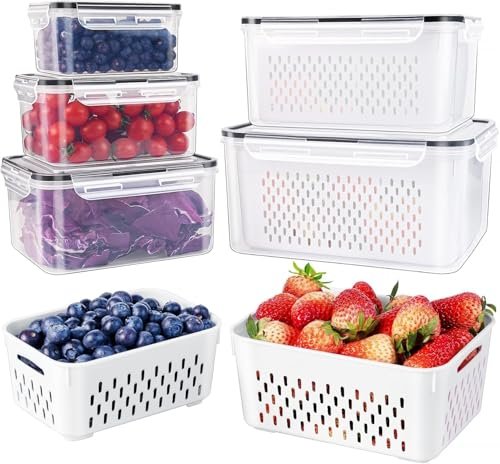
- Large Containers or Bowls:Use these to catch dripping water or to hold any food you need to temporarily remove.
- Fan or Hairdryer:Speeds up melting ice if you want to save time, but use carefully to avoid heat damage.
Food Storage Solutions
Where will you put your frozen food during defrosting? This is a crucial question.
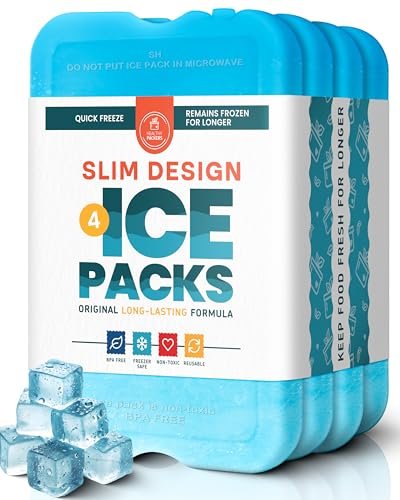
Consider using coolers or insulated bags with ice packs to keep items cold. If you don’t have those, a simple box lined with towels and packed tightly can work in a pinch.
Cleaning Supplies To Have Ready
- Mild Detergent or Baking Soda:Ideal for wiping down the freezer interior once the ice is gone.
- Sponges or Soft Cloths:For gentle cleaning without scratching surfaces.
- Trash Bags:To easily dispose of melted ice water or any debris you remove.
Have you ever started defrosting only to realize halfway through that you’re missing something? Gathering these supplies beforehand saves you that hassle and keeps your kitchen clean and dry.
Preparing The Freezer For Defrosting
Preparing the freezer for defrosting is a key part of the process. This stage helps avoid mess and keeps food safe. Taking the right steps makes defrosting simple and effective. Follow these tips to get your freezer ready.
Emptying The Freezer
Remove all food items from the freezer. Use coolers or insulated bags to keep food cold. Check expiry dates and discard any spoiled items. Clean the shelves and drawers if needed before defrosting.
Unplugging The Appliance
Always unplug the fridge freezer before defrosting. This stops the compressor and prevents electrical hazards. Leave the door open to speed up ice melting. Keep children and pets away from the appliance during this time.
Protecting Surrounding Areas
Place towels or old cloths around the freezer base. This soaks up water from melting ice and prevents floor damage. Use a shallow tray inside to catch drips. Clear the area around the freezer to avoid slips and water damage.
Methods To Speed Up Defrosting
Defrosting a freezer can be a slow task. Speeding up this process saves time and helps keep your food fresh. Several simple methods can melt the ice faster without harm to your fridge.
Using Hot Water Bowls
Place bowls filled with hot water inside the freezer. The steam helps loosen the ice quickly. Close the freezer door to trap the heat and moisture. Replace the water when it cools to keep the process active. This method avoids using electrical devices and is safe for all freezers.
Applying A Hairdryer Safely
Use a hairdryer on low heat to melt the ice gently. Keep the dryer moving to prevent heat damage to the freezer walls. Maintain a safe distance to avoid water contact and electric shock. Unplug the dryer immediately if it gets too hot or wet. This method works fast but needs careful handling.
Using A Fan For Air Circulation
Place a fan near the freezer door to blow warm air inside. This increases air circulation and speeds up melting. Keep the door open just enough for the air to flow without losing all cold air. This method is energy-efficient and safe to use with any freezer.
Removing Ice And Water
Allow the ice to melt naturally or use a bowl of hot water to speed up the process. Wipe away the melted water carefully to keep the freezer dry and clean.
Removing ice and water from your freezer is crucial. It ensures optimal performance and energy efficiency. Over time, ice buildup can affect your freezer's functionality. This section guides you through removing ice and water effectively.
Scraping Ice Gently
Use a plastic scraper to gently remove ice. Avoid metal tools to prevent damage. Start from the top and work downwards. Be patient and scrape small sections at a time. This method helps in reducing ice build-up safely.
Mopping Up Melted Water
As ice melts, water accumulates at the bottom. Use absorbent towels to mop up the water. Place towels on the floor around the freezer. This prevents water from spreading. Regularly wring out towels as they become soaked. Keep a mop handy for any excess water.
Cleaning And Drying The Freezer
Cleaning and drying the freezer is a key part of defrosting your fridge freezer. It keeps the appliance fresh and working well. Dirt and moisture can cause bad smells and damage the freezer over time. A clean freezer helps keep your food safe and fresh.
After the ice has melted, remove all loose debris. Wipe down all surfaces with a mild cleaner. Use a cloth or sponge that won’t scratch the interior. Pay special attention to corners and seals where dirt can hide.
Dry the freezer completely before switching it back on. Moisture left inside can cause new ice to form quickly. Use a dry towel or let the freezer air dry with the door open. Make sure no water pools remain.
Gathering Cleaning Supplies
- Mild dish soap or specialized freezer cleaner
- Soft cloths or sponges
- Dry towels
- Small brush for corners and seals
- Bucket of warm water
Wiping Down Surfaces
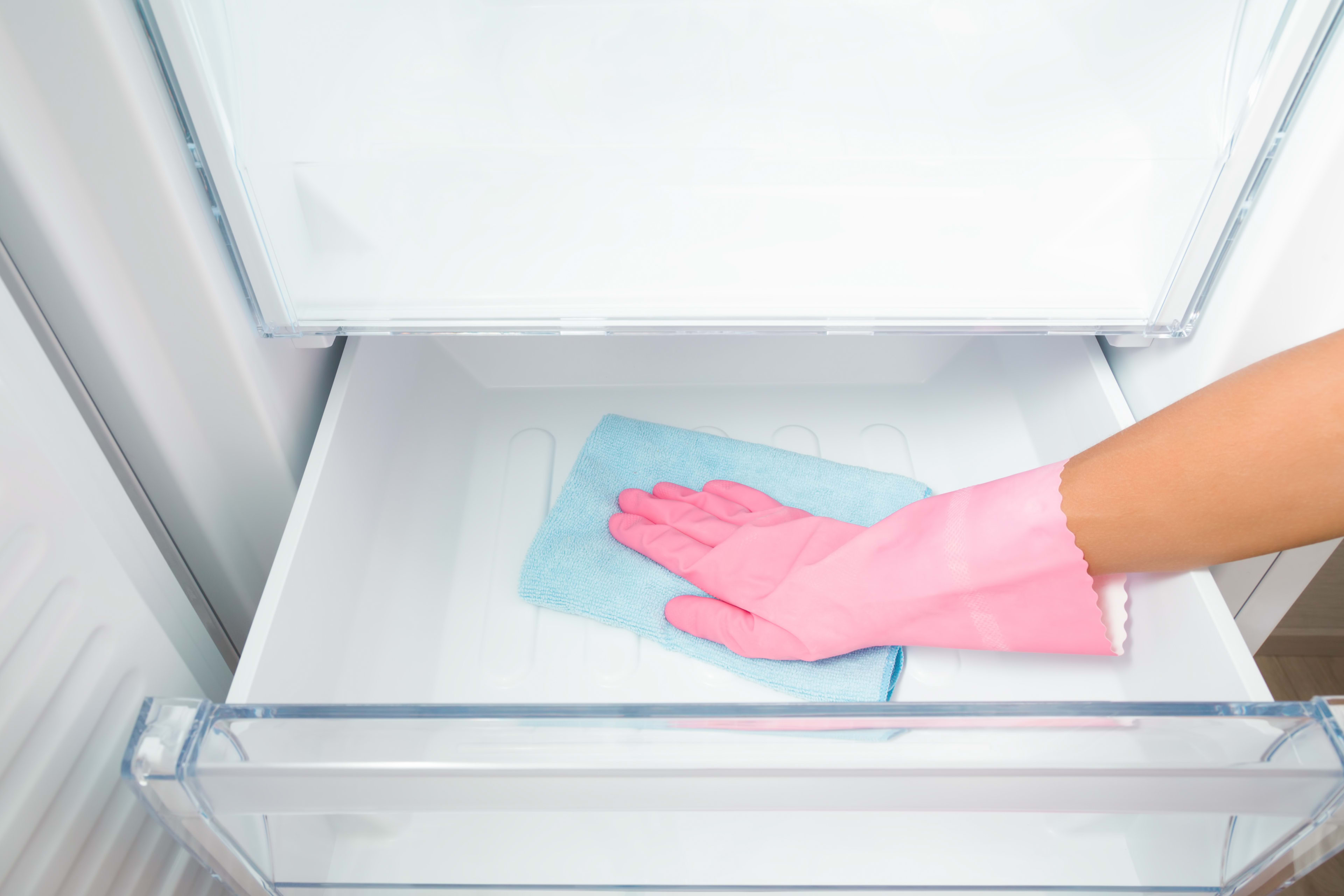
Dip the cloth in warm, soapy water and wring it out. Wipe all walls, shelves, and door seals gently. Use the brush for tight spots to remove dirt. Rinse the cloth often and change the water if it gets dirty.
Drying Thoroughly
- Use dry towels to soak up all moisture
- Leave the freezer door open for a few hours
- Check for any damp spots and dry again if needed
Restarting And Organizing The Freezer
Once your freezer is fully defrosted and cleaned, it’s time to restart and organize it. This step is crucial for keeping your food fresh and making the most of your freezer space. Taking a little extra time here can save you from wasted food and frustration later.
Plugging In And Setting Temperature
First, plug your freezer back in and let it cool down before adding any food. Most freezers perform best at around 0°F (-18°C). Setting the right temperature helps keep your food safe and maintains the appliance’s efficiency.
Don’t rush to fill the freezer immediately. Allow it to reach the correct temperature, which usually takes a few hours. This prevents sudden temperature changes that can affect your stored items.
Restocking Items Efficiently
Organizing your food properly saves space and helps you find items quickly. Group similar foods together, such as meats, vegetables, and leftovers. Use clear containers or labeled bags to keep everything visible and easy to grab.
- Place items you use often near the front.
- Freeze flat portions to save space and speed up thawing later.
- Keep an inventory list on the freezer door to track what you have.
Have you ever lost track of food in the freezer? A simple system can prevent that and cut down on waste. Think about how you shop and use your freezer—tailor your organization to suit your habits.
Tips For Preventing Ice Build-up
Keep the freezer door closed as much as possible to stop warm air from entering. Regularly check seals to ensure they are tight and clean. Avoid placing hot food inside to reduce moisture that causes ice build-up.
Defrosting your freezer is important, but preventing ice build-up is even better. You can save time and effort by following some simple tips. Keeping your freezer frost-free ensures it works efficiently. Here are some helpful tips to minimize ice formation.
Check The Door Seals Regularly
Ensure the door seals are tight and in good condition. Damaged seals allow warm air to enter. This causes ice to form quickly. Replace any faulty seals immediately.
Avoid Storing Hot Food
Let food cool before placing it in the freezer. Hot food raises the temperature inside. This encourages ice build-up. Use shallow containers to cool food faster.
Keep The Freezer Full
A full freezer maintains a stable temperature. It prevents warm air from entering. Use water bottles to fill empty spaces. This keeps the freezer efficient.
Organize The Items Properly
Arrange items to allow air circulation. Do not overcrowd the freezer. Proper organization prevents ice from forming. Keep frequently used items at the front.
Set The Correct Temperature
Check the freezer's temperature settings. A temperature of -18°C (0°F) is ideal. This prevents excessive frost formation. Use a thermometer to ensure accuracy.
Open The Door Only When Necessary
Limit the number of times you open the freezer. Each opening allows warm air in. This accelerates ice build-up. Plan ahead to minimize door openings.
Regular Maintenance And Cleaning
Clean the freezer regularly to prevent ice. Remove expired items to keep space organized. A well-maintained freezer functions better. It reduces ice formation risk. By following these tips, you can keep your freezer running smoothly. Say goodbye to frequent defrosting. Enjoy a more efficient kitchen with less hassle.
Credit: dengarden.com
Frequently Asked Questions
How Long Does It Take To Defrost A Fridge Freezer?
Defrosting a fridge freezer usually takes 2 to 4 hours. Time varies based on ice buildup and freezer size. Removing food and leaving the door open speeds up the process. Using a bowl of hot water can help melt the ice faster and more evenly.
Can I Speed Up Defrosting With A Hairdryer?
Yes, a hairdryer can speed up defrosting but use it cautiously. Keep it at a safe distance to avoid damaging plastic parts. Avoid electrical hazards by not letting water contact the hairdryer. This method melts ice faster than natural defrosting.
Should I Unplug The Fridge Before Defrosting?
Always unplug the fridge before defrosting to ensure safety. Disconnecting power prevents electrical shocks and stops the compressor from running. It also helps the ice melt faster since the freezer won’t stay cold. Remember to keep food in a cool place during this time.
How Do I Prevent Ice Buildup In My Freezer?
To prevent ice buildup, avoid leaving the freezer door open for long. Regularly check and replace door seals if damaged. Keep food covered and dry to reduce moisture. Defrost your freezer at least once or twice a year to maintain efficiency.
Conclusion
Defrosting your fridge freezer keeps it working well and saves energy. Take your time and follow simple steps carefully. Remove food, unplug the fridge, and let ice melt naturally. Clean the inside to stop odors and frost buildup. Dry everything before plugging the freezer back in.
Regular defrosting makes your freezer last longer. A little care goes a long way. Keep your freezer clean and frost-free for best results. Easy and quick to do. Try it soon to enjoy a fresh, efficient freezer.