Are you struggling to keep your charcoal grill at the right temperature while cooking? You know how quickly the heat can spike, turning your perfectly planned meal into a burnt disaster.
Cooling down your grill doesn’t have to be a guessing game or a stressful challenge. You’ll discover simple, effective ways to lower your grill’s temperature without ruining your food or losing your patience. Keep reading to learn the secrets that will help you take full control of your charcoal grill and make every cookout a success.
Adjusting Air Vents
Adjusting the air vents on a charcoal grill is a simple way to control the temperature. Air vents regulate oxygen flow. Less oxygen means lower heat. More oxygen means higher heat.
Knowing how to use the vents helps you keep the grill cool. It also prevents your food from burning. Small changes in vent positions can make a big difference.
Importance Of Vent Control
Air vents control the fire’s oxygen supply. Oxygen fuels the charcoal’s burning. Open vents allow more air in. The fire burns hotter and faster.
Closing vents slows the fire down. It reduces heat and keeps the grill cooler. Controlling vents lets you cook food evenly. It also saves charcoal by preventing waste.
How To Close Vents Safely
Use a tool or heat-resistant gloves to touch vents. Metal parts get very hot during cooking. Avoid direct hand contact to prevent burns.
- Turn vents slowly to close them.
- Watch the fire’s reaction to vent changes.
- Close vents only enough to lower heat.
- Do not shut vents completely; fire needs some oxygen.
- Adjust vents step by step for precise control.
Closing vents too fast can create smoke. Gradual adjustments keep the fire steady. This method cools the grill safely while cooking.
Using A Water Spray
Using a water spray is a quick way to cool down a charcoal grill while cooking. It helps control the heat without stopping the cooking process. This method is useful when the grill becomes too hot and food starts to burn.
Benefits Of Water Spraying
- Reduces flare-ups caused by dripping fat.
- Controls grill temperature fast and safely.
- Prevents food from burning or drying out.
- Helps keep the coals from overheating.
- Maintains even cooking heat for better results.
Proper Technique For Spraying
Use a spray bottle filled with water for better control. Spray lightly and evenly over the hot coals or grill surface. Avoid soaking the charcoal; a gentle mist works best.
Spray in short bursts to cool the grill step-by-step. Wait a few seconds between sprays to check the temperature drop. Too much water at once can cause steam and ash to rise.
Always keep a safe distance to avoid burns from hot steam. Use this method only when needed to maintain cooking temperature. Combine spraying with adjusting air vents for better heat control.
Rearranging Charcoal
Rearranging charcoal is a simple yet effective way to control the temperature of your grill while cooking. Moving the coals around allows you to create different heat zones, helping you cool down the grill without losing the fire. This technique gives you better control over your cooking process and lets you adjust the grill’s heat on the fly.
Tools For Safe Rearranging
Handling hot charcoal requires the right tools to keep you safe and your cooking smooth. Long-handled tongs are essential—they let you move the coals without getting too close to the heat. A sturdy metal spatula or a grill rake can help you spread or pile the charcoal evenly.
Never use plastic or short-handled tools because they can melt or cause burns. It’s also smart to wear heat-resistant gloves for extra protection when rearranging the hot coals. Have these tools ready before you start cooking to avoid any rushed, unsafe moves.
Creating Cooler Zones
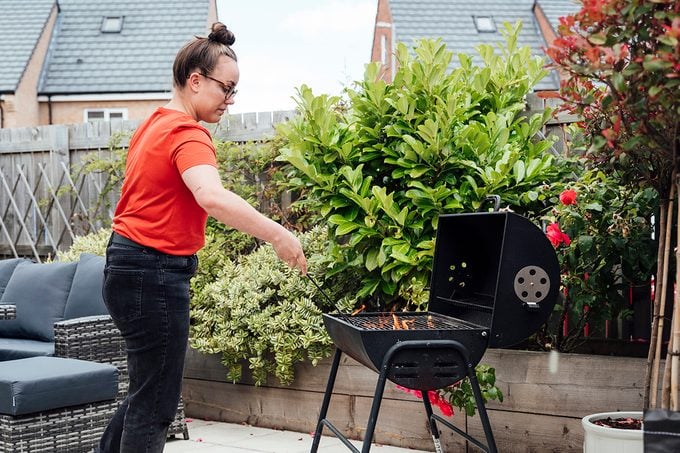
One of the best ways to cool down your grill is by arranging the charcoal to form cooler zones. Push some of the hot coals to one side of the grill to create a high-heat area, and leave the other side with fewer or no coals for indirect cooking.
This setup allows you to move food between the hot and cooler zones depending on how much heat it needs. When the grill gets too hot, shifting your food to the cooler zone prevents burning and gives you more control over cooking times.
Have you tried adjusting your charcoal this way? It can turn a frustrating, overheated grill session into a flexible, enjoyable cooking experience. Next time you feel the grill is too hot, rearrange the coals instead of just opening the lid or adding water.
Credit: www.tasteofhome.com
Adding Cooler Coals
Adding cooler coals is a smart way to bring down the temperature of your charcoal grill without completely killing the fire. It lets you maintain a steady cooking environment, especially when you need to slow down the cooking process. If you’ve ever had your food burn too quickly, you know how important this trick can be.
Choosing The Right Coals
Not all coals are created equal when it comes to cooling your grill. You want to use coals that are partially burned or cooler than the ones already in the grill. Freshly lit coals can spike the temperature, which is the opposite of what you want.
Look for coals that are grayish with some red embers but not glowing bright orange. These coals will add heat gently and avoid sudden flare-ups. You can even prepare these coals in advance by letting a batch burn down for 20-30 minutes before adding them.
Steps To Add Coals Safely
Safety is key when handling hot coals. Here’s a simple way to add cooler coals without risking burns or accidents:
- Wear heat-resistant gloves.Protect your hands before handling any coals.
- Use long-handled tongs or a metal scoop.This keeps you at a safe distance from the heat.
- Add coals gradually.Place them on the edges of the grill instead of dumping them in the center to avoid sudden temperature spikes.
- Keep the grill lid open briefly.This lets excess heat escape while you add the coals.
- Close the lid slowly.This helps stabilize the temperature after adding the cooler coals.
Have you tried adding cooler coals mid-cook? It can change how you control your grill’s heat and improve your cooking results dramatically.
Using A Grill Lid
Using a grill lid is one of the simplest yet most effective ways to control the temperature of your charcoal grill while cooking. The lid acts as a barrier that manages airflow and heat retention, helping you cool down or maintain the ideal cooking temperature without constantly adjusting the charcoal. Understanding how to use the lid correctly can save you from flare-ups and overcooked food.
Role Of The Lid In Temperature Control
The grill lid controls oxygen flow, which directly affects how hot your coals burn. Closing the lid limits oxygen, slowing down the burn rate and lowering the temperature inside the grill.
It also traps heat and smoke, creating an even cooking environment. This helps food cook through without burning the outside.
Have you noticed how opening the lid suddenly makes the flames flare up? That’s because more oxygen rushes in, feeding the fire and increasing the heat quickly.
Tips For Effective Lid Use
- Start with the Lid Closed:After lighting your coals, close the lid to let the grill heat up evenly before adding food.
- Adjust the Vents:Use the top and bottom vents to control airflow. Opening vents increases heat, closing them lowers it.
- Lift the Lid Sparingly:Each time you lift the lid, heat escapes and oxygen rushes in, causing temperature spikes.
- Use the Lid Thermometer:Keep an eye on the built-in thermometer to monitor changes without lifting the lid.
- Position the Lid Properly:Place it securely so it seals well but allows vent adjustments for better temperature control.

Credit: prolinerangehoods.com
Monitoring Grill Temperature
Keeping an eye on your grill’s temperature is key to controlling heat and preventing flare-ups. If you don’t monitor it closely, your charcoal grill can quickly become too hot, burning your food or making it difficult to cook evenly. Learning how to read your grill’s temperature will help you adjust vents, add charcoal, or move food to cooler spots.
Using A Grill Thermometer
A grill thermometer is a simple tool that gives you an instant temperature reading inside your grill. Many grills come with built-in thermometers, but handheld ones can be more accurate and flexible.
Place the thermometer near the cooking area, not directly above the coals, to get the best reading. Check it frequently during cooking—this helps you catch rising temperatures before they get out of control. If you see the temperature climbing above your target, try closing vents slightly or spreading out the coals to reduce heat.
Signs Of Overheating
Sometimes, you don’t need a thermometer to know your grill is too hot. Watch for these clear signs:
- Flare-ups:Sudden bursts of flame that can char your food.
- Excess smoke:Thick, black smoke often means the coals are burning too hot or the grill is overloaded with fuel.
- Warped grill grates:Metal that starts to bend or change shape indicates extreme heat.
If you spot these signs, act fast. Open the lid to release some heat or move your food to a cooler part of the grill. Have you ever had a steak turn into a burnt mess because you missed these signals?
Managing Cooking Time
Managing cooking time is key to keeping your charcoal grill at the right temperature without overheating. If you cook too long without adjusting, the grill can become too hot, making it hard to control the heat and risking burnt food. By learning to manage your cooking stages and adjusting times for different foods, you can cool down your grill while still cooking perfectly.
Planning Cooking Stages
Break your cooking into stages to better control the grill’s heat. Start with high heat for searing, then move to lower heat for slow cooking. This approach allows you to manage the charcoal’s burn rate and prevent the grill from getting too hot.
Try arranging your food in zones: one side with direct heat and the other with indirect heat. This setup gives you control over cooking speed and temperature. You can move food around as needed to avoid flare-ups and cool the grill down naturally.
Have you noticed how much easier it is to manage the grill when you give each stage a specific time frame? Use a timer or watch the clock closely to keep each phase short enough to avoid overheating.
Adjusting For Different Foods
Different foods need different cooking times and heat levels. Thin cuts like burgers or vegetables cook fast and can quickly raise the grill temperature if left unattended. Thicker cuts or tougher meats take longer and benefit from slower cooking at lower heat.
Pay attention to how your grill reacts to each food type. If something cooks faster than expected, remove it promptly to prevent the charcoal from flaring up. Meanwhile, use the extra time to let the grill cool by closing vents partially or moving food to indirect heat.
Think about your last cookout. Did you keep all food on the same heat level? Adjusting cooking times for each food can help you avoid overheating and keep your grill manageable. It also ensures everything finishes at the right temperature and texture.

Credit: food52.com
Frequently Asked Questions
How To Reduce Charcoal Grill Temperature Quickly?
To cool down a charcoal grill fast, close the vents partially to limit oxygen flow. Remove some hot coals safely and spread out the remaining ones. Avoid adding lighter fluid, as it increases heat. Use a spray bottle with water for minor temperature control.
Can I Add Water To Cool A Charcoal Grill?
Yes, lightly spraying water on hot coals can lower temperature slightly. Avoid soaking coals, as excess water affects cooking and smoke flavor. Use water sparingly and combine with vent adjustments for effective cooling without ruining your meal.
What Are Safe Ways To Cool Charcoal While Cooking?
Adjust the grill’s air vents to reduce oxygen supply, which lowers heat safely. Remove or spread out hot coals to decrease intensity. Avoid using water in large amounts, and never add lighter fluid mid-cook to cool the grill.
How Does Vent Control Affect Charcoal Grill Temperature?
Vents regulate airflow; opening them increases oxygen, raising heat. Closing vents limits oxygen, cooling the fire. Proper vent adjustment controls temperature without disturbing the charcoal. For cooling, partially close vents and monitor grill temperature carefully.
Conclusion
Cooling down a charcoal grill takes patience and simple steps. Control the air vents to slow the fire. Spread out the coals to lower the heat. Use water carefully to avoid steam burns. Keep a close eye on the grill while cooking.
These tips help you cook safely and enjoy your meal. Practice makes it easier to manage grill temperatures. Stay calm and enjoy the process of grilling.