Cooking a turkey in a convection oven can be a game-changer for your holiday meals. If you want your turkey to come out juicy on the inside and crispy on the outside, knowing the right steps is key.
You might wonder how long to cook it, what temperature to set, or how to prepare it for the best results. This guide will walk you through everything you need to know to master cooking turkey in your convection oven.
By the end, you’ll feel confident and ready to impress your family and friends with a perfectly cooked bird. Keep reading—your delicious turkey awaits!
Choosing The Right Turkey
Choosing the right turkey is key to a delicious meal. The type and size of the bird affect cooking time and taste. Knowing how to prepare the turkey helps keep it moist and flavorful. This section guides you through picking a great turkey for your convection oven.
Fresh Vs Frozen
Fresh turkeys often taste better and cook evenly. They require less thawing time and can be juicier. Frozen turkeys need to be fully thawed before cooking. Thawing can take several days in the fridge. Choose fresh for convenience or frozen if you plan ahead.
Size Matters
Turkeys come in many sizes, from 8 to 24 pounds. Smaller turkeys cook faster and fit better in smaller ovens. Larger turkeys serve more people but take longer to cook. Measure your oven space and estimate guest count before buying. A good rule: 1 to 1.5 pounds per person.
Preparing The Bird
Remove giblets and neck from the cavity before cooking. Pat the turkey dry with paper towels to help the skin crisp. Season the turkey inside and out for better flavor. Let the turkey rest at room temperature for 30 minutes before roasting. This helps it cook evenly in the convection oven.
Setting Up Your Convection Oven
Setting up your convection oven properly is key to cooking a juicy and evenly roasted turkey. The oven’s fan circulates hot air to cook food faster and more evenly than a traditional oven. Proper settings help you avoid dry spots or undercooked parts. Follow these tips to prepare your convection oven for the perfect turkey.
Optimal Temperature Settings
Set your convection oven to 325°F (163°C) for roasting turkey. This temperature is lower than regular ovens because the fan speeds up cooking. A lower temperature keeps the turkey tender and juicy. Avoid higher temperatures to prevent the outside from burning before the inside cooks fully.
Rack Placement
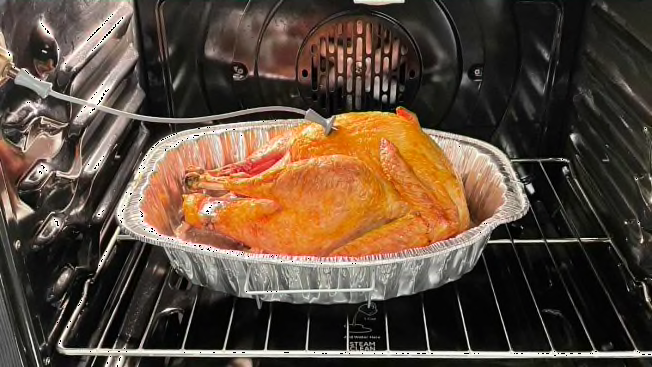
Place the oven rack in the center of the oven. This position allows hot air to flow evenly around the turkey. Avoid placing the turkey too close to the top or bottom heating elements. Give enough space around the bird for air circulation. This helps the skin crisp up evenly.
Using A Roasting Pan
Choose a shallow roasting pan with a rack inside. The rack lifts the turkey and lets air circulate beneath it. This prevents the bottom from becoming soggy. Use a pan large enough so the turkey fits comfortably without touching the sides. A drip pan underneath catches fat and juices for easy cleanup.
Seasoning And Stuffing Tips
Seasoning and stuffing your turkey properly brings out the best flavors. It makes the meat juicy and aromatic. Simple tips can improve your cooking results in a convection oven.
Dry Rubs And Marinades
Dry rubs add a crispy, flavorful crust to the turkey skin. Use a mix of salt, pepper, paprika, garlic powder, and herbs. Pat the rub evenly over the entire bird before cooking.
Marinades keep the meat tender and moist. Mix olive oil, lemon juice, garlic, and herbs. Soak the turkey for several hours or overnight in the fridge. This infuses deep flavors and helps the turkey cook evenly.
Stuffing Safety
Stuffing inside the turkey must be cooked fully to avoid health risks. Use a food thermometer to check the center of the stuffing. It should reach at least 165°F (74°C).
Prepare stuffing with moist ingredients to prevent drying out. Avoid overpacking the cavity to allow heat circulation. Stuff the turkey just before roasting to keep it fresh and safe.
Herbs And Aromatics
Herbs and aromatics add natural fragrance and flavor to the turkey. Place fresh herbs like rosemary, thyme, and sage under the skin and inside the cavity.
Add aromatics such as onions, garlic cloves, and lemon halves. These release steam and keep the meat juicy during roasting. This simple step boosts taste without extra salt or fat.
Cooking Techniques For Juicy Turkey
Cooking turkey in a convection oven can be simple and rewarding. The key is to maintain moisture while achieving a crispy exterior. Here are some effective techniques to ensure your turkey remains juicy.
Adjusting Cooking Times
Convection ovens cook faster than conventional ones. Reduce cooking time by 25%. This prevents drying out. Use a meat thermometer to check doneness. The turkey is ready when it reaches 165°F in the thickest part.
Basting Methods
Basting keeps the turkey moist. Use a mixture of melted butter and herbs. Baste every 30 minutes for best results. This adds flavor and locks in juices. Avoid opening the oven too often, as it cools down the oven.
Using Foil For Moisture
Cover the turkey with foil to trap moisture. Remove the foil during the last 30 minutes. This allows the skin to crisp up. You can also tent the turkey with foil if it browns too quickly.
Checking For Doneness
Checking for doneness is crucial when cooking turkey in a convection oven. It ensures your bird is safe to eat and perfectly juicy, avoiding that dreaded dry texture. Knowing exactly when your turkey is cooked can save you from guesswork and disappointing results.
Using A Meat Thermometer
A meat thermometer is your most reliable tool to check if the turkey is done. Insert it into the thickest part of the thigh, avoiding the bone, to get an accurate reading.
The turkey is safe to eat when the internal temperature reaches 165°F (74°C). If you find the temperature is below that, keep cooking and check every 10-15 minutes.
Have you ever cut into a turkey only to find it undercooked? Using a thermometer prevents that and gives you confidence in serving a perfectly cooked bird.
Resting The Turkey
Once your turkey reaches the right temperature, resist the urge to carve it immediately. Let it rest for at least 20-30 minutes.
Resting allows the juices to redistribute, making the meat moist and tender. Cover the turkey loosely with foil to keep it warm during this time.
Skipping this step often results in dry slices and wasted flavorful juices. Isn't it worth waiting a little longer for a better eating experience?
Carving Tips
Start carving by removing the legs and thighs first, then slice the breast meat against the grain. This helps keep the meat tender and easy to chew.
Use a sharp knife and steady your cutting board to avoid accidents. Slice in smooth, even strokes instead of sawing back and forth.
How you carve impacts presentation and texture. Taking your time here can turn your turkey from just good to memorable.
Common Mistakes To Avoid
Cooking turkey in a convection oven can be simple and quick. Avoiding common mistakes helps keep the turkey juicy and tender. Many cooks make easy errors that affect taste and texture. Knowing these pitfalls leads to better results every time.
Overcooking
Overcooking dries out the turkey and makes it tough. Convection ovens cook faster due to hot air circulation. Check the turkey’s temperature often to prevent overcooking. Remove the bird from the oven once it hits 165°F inside.
Undercooking
Undercooked turkey is unsafe and unpleasant to eat. The center and thick parts need to reach the right temperature. Use a meat thermometer to check the thickest part. Do not rely on cooking time alone.
Ignoring Oven Calibration
Oven temperature can be off by several degrees. An inaccurate oven means the turkey cooks unevenly. Test your oven with an oven thermometer before cooking. Adjust your cooking time or temperature based on the reading.
Enhancing Flavor And Presentation
Enhancing the flavor and presentation of your turkey cooked in a convection oven makes the meal memorable. Small touches can bring out the turkey's natural taste and make it look inviting. A well-prepared turkey pleases both the eyes and the palate.
Glazing your turkey adds a shiny, tasty layer that keeps the meat moist. Presentation involves arranging the turkey and sides neatly for a beautiful table display. Leftover ideas help reduce waste and keep the turkey enjoyable days after.
Glazing Options
- Honey and mustard glaze offers sweetness with a tangy kick.
- Maple syrup mixed with butter creates a rich, caramelized coating.
- Herb and garlic butter glaze adds a savory, aromatic touch.
- Orange juice and brown sugar glaze gives a citrusy, sweet flavor.
- Balsamic vinegar with rosemary creates a deep, earthy glaze.
Serving Suggestions
- Slice the turkey thinly to keep it tender and easy to eat.
- Arrange slices on a platter garnished with fresh herbs and citrus.
- Serve alongside classic sides like mashed potatoes and green beans.
- Add colorful vegetables for a vibrant, appealing plate.
- Include a variety of sauces such as cranberry or gravy for choice.
Leftover Ideas
- Make turkey sandwiches with fresh bread and your favorite toppings.
- Add chopped turkey to salads for extra protein and flavor.
- Prepare turkey soup with vegetables and broth for a warm meal.
- Create turkey casseroles by mixing with pasta and cheese.
- Use turkey in wraps or tacos for quick, tasty snacks.


Frequently Asked Questions
How Long To Cook Turkey In A Convection Oven?
Cook turkey 25% faster in a convection oven. For a 12-pound bird, roast at 325°F for about 2. 5 to 3 hours. Always check internal temperature; it should reach 165°F to ensure safety and juiciness.
Should I Cover Turkey When Roasting Convection?
Covering turkey is optional in convection roasting. Use foil tent if skin browns too quickly. Otherwise, leave uncovered for crisp, evenly browned skin. Monitor closely to prevent drying out.
What Temperature To Set Convection Oven For Turkey?
Set convection oven to 325°F for roasting turkey. This temperature cooks evenly and crisps skin without drying meat. Lower temperatures can extend cooking time and may result in less crispy skin.
How To Check Turkey Doneness In Convection Oven?
Use a meat thermometer to check doneness. Insert into thickest thigh without touching bone. Turkey is done when internal temperature reaches 165°F. Rest turkey 15-20 minutes before carving for juicy meat.
Conclusion
Cooking turkey in a convection oven saves time and cooks evenly. Set the right temperature and use a meat thermometer for best results. Let the turkey rest before carving to keep it juicy. Simple steps make your meal delicious and stress-free.
Try this method for your next holiday or family dinner. Enjoy tender, flavorful turkey every time you cook.