If you love sushi but don’t have a rice cooker, don’t worry—you can still make perfect sushi rice right at home. Getting the texture just right might seem tricky, but with the right steps, you’ll be able to create that sticky, flavorful rice that makes sushi so special.
Imagine impressing your friends or family with homemade sushi, made from scratch without any fancy gadgets. Keep reading, and you’ll learn simple, easy-to-follow tips that will make your sushi rice delicious every time.
Choosing The Right Rice
Choosing the right rice is the first step to cooking perfect sushi rice without a rice cooker. The type of rice affects texture, taste, and how well the rice holds together. Sushi rice needs to be sticky but not mushy. Using the proper rice helps create that ideal balance.
Types Of Sushi Rice
Sushi rice is usually a short-grain or medium-grain variety. These grains are rounder and stickier than long-grain rice. Here are common types:
- Japanese Short-Grain Rice:The best choice for sushi. It becomes sticky and glossy after cooking.
- Calrose Rice:A medium-grain rice from California. It’s sticky enough for sushi and more affordable.
- Other Short-Grain Varieties:Some Korean or Chinese short-grain rices work but check for stickiness.
Avoid long-grain or basmati rice. They are dry and separate easily, not suitable for sushi.
Where To Buy Quality Rice
High-quality sushi rice makes a big difference in taste. Look for rice labeled “sushi rice” or “short-grain rice.”
Stores to consider:
- Asian Markets:Best source for authentic Japanese rice.
- Online Retailers:Many sellers offer premium sushi rice with delivery.
- Supermarkets:Check the international or rice section for sushi rice brands.
Check packaging dates to ensure freshness. Fresher rice cooks better and tastes sweeter.
Credit: www.yukiskitchen.com
Preparing The Rice
Preparing sushi rice without a rice cooker requires attention to detail. The process starts with rinsing the rice properly. This step removes excess starch and prevents the rice from becoming too sticky or mushy. Proper rinsing helps achieve the ideal texture for sushi.
Soaking the rice before cooking also plays a key role. It allows the grains to absorb water evenly. This ensures the rice cooks uniformly and results in a perfect, tender bite. Both rinsing and soaking are essential for making great sushi rice.
Rinsing The Rice Properly
Use cold water to rinse the rice. Place the rice in a large bowl and cover it with water. Gently swirl the rice with your hand. The water will turn cloudy. Drain the water carefully. Repeat this process 3 to 4 times until the water is mostly clear. Clear water means most starch is washed away.
Soaking Time For Perfect Texture
After rinsing, soak the rice in fresh water. The water should cover the rice by about one inch. Let the rice soak for 20 to 30 minutes. This step helps the grains absorb water evenly. Soaking improves the rice’s texture and cooking quality. Drain the rice well before cooking.
Cooking Sushi Rice On The Stove
Cooking sushi rice on the stove is a skill that opens up fresh possibilities in your kitchen. It allows you to create perfectly sticky, flavorful rice without relying on a rice cooker. With just a few simple tools and attention to detail, you can master this technique and impress your family or guests with authentic sushi rice.
Selecting The Right Pot
Choose a heavy-bottomed pot with a tight-fitting lid. This helps distribute heat evenly and prevents the rice from burning or sticking to the bottom. A pot that's too large can cause uneven cooking, so pick one that snugly fits the amount of rice you’re preparing.
Have you noticed how some pots cause rice to cook unevenly? Investing in the right one saves you from frustration and ensures consistent results every time.
Cooking Method Step-by-step
- Rinse the sushi rice thoroughly under cold water until the water runs clear. This removes excess starch and prevents the rice from becoming gummy.
- Add the rinsed rice and measured water to your pot. The typical ratio is 1 cup of rice to 1.2 cups of water, but this can vary slightly depending on rice type.
- Let the rice soak in the water for 20-30 minutes. This soaking step helps the grains absorb water evenly for better texture.
- Place the pot on the stove and bring the water to a gentle boil over medium heat with the lid slightly ajar.
- Once boiling, reduce the heat to low and cover the pot completely. Let it simmer for 15 minutes without lifting the lid.
- Turn off the heat and let the rice steam for another 10 minutes, still covered. This final steam is crucial for that perfect sushi rice consistency.
Adjusting Heat And Timing
Stove heat can vary greatly, so watch the rice closely during cooking. If the water evaporates too quickly, lower the heat to avoid burning. Conversely, if it’s barely simmering, slightly increase the heat but never let it boil over.
Have you tried lifting the lid too often? It disrupts the steam and can cause uneven cooking. Patience here pays off with fluffier, better-textured rice.
Try noting your stove’s quirks: does it run hot or cool? Adjusting your timing and heat based on experience will make your sushi rice consistently reliable.

Credit: www.marisabaggett.com
Seasoning The Rice
Seasoning sushi rice is key to its unique taste and texture. The right balance of sweetness, saltiness, and acidity brings out the rice's natural flavor. This process creates the perfect base for any sushi roll or nigiri.
Making Sushi Vinegar Mix
Sushi vinegar mix is a simple blend of rice vinegar, sugar, and salt. Use rice vinegar for its mild and slightly sweet taste. Combine these ingredients in a small bowl:
- 4 tablespoons rice vinegar
- 2 tablespoons sugar
- 1 teaspoon salt
Stir gently until the sugar and salt dissolve completely. Warm the mixture slightly to help dissolve the sugar faster. Avoid boiling to keep the vinegar’s flavor fresh.
Mixing Rice And Vinegar
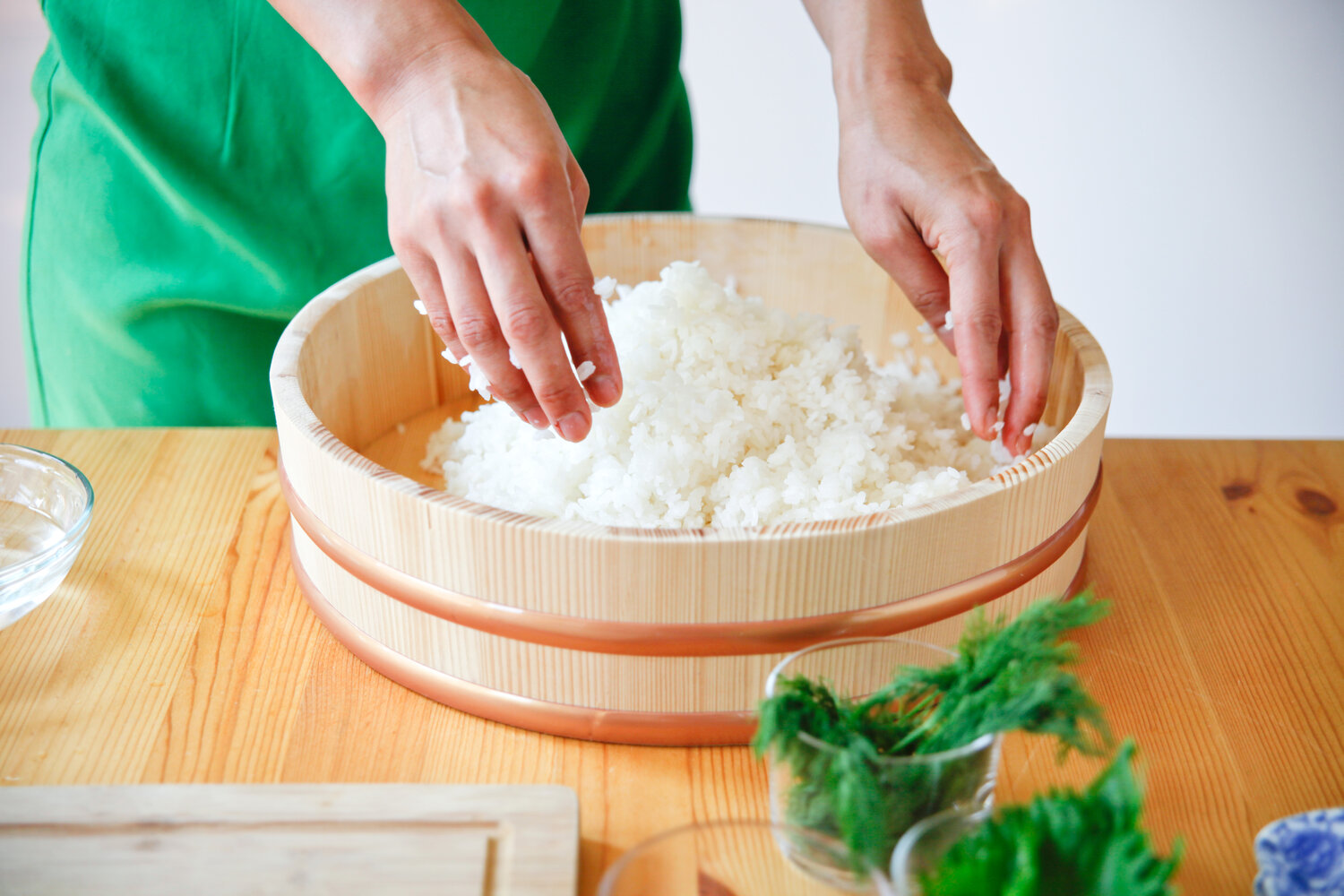
Transfer the cooked rice to a large wooden or plastic bowl. Avoid metal bowls because they react with vinegar. Pour the sushi vinegar mix evenly over the hot rice.
Use a wooden spatula or rice paddle to fold the rice carefully. Cut and lift the rice rather than stirring vigorously. This keeps the grains firm and prevents mushiness.
At the same time, fan the rice to cool it quickly. Cooling helps the rice develop a shiny texture. Taste the rice and adjust seasoning if needed by adding more vinegar mix in small amounts.
Cooling And Storing Sushi Rice
Cooking sushi rice without a rice cooker requires some extra effort but yields perfect results. Cooking sushi rice on the stovetop involves rinsing the rice thoroughly to remove excess starch, then combining it with the right amount of water and salt.
Cooking sushi rice without a rice cooker can be easy and rewarding. Once cooked, cooling and storing sushi rice correctly is crucial. This ensures your sushi rice remains fresh and flavorful. Proper cooling techniques and storage tips can make a big difference.
Proper Cooling Techniques
Spread the cooked rice onto a wide, shallow dish. This helps the rice cool faster. Use a fan to speed up the process. Gently fold the rice with a wooden spatula. This prevents the rice from becoming sticky. Avoid pressing down on the rice.
Storage Tips For Freshness
Store sushi rice in an airtight container. Place a damp cloth over the rice. This helps maintain moisture. Keep the container at room temperature for up to 6 hours. If storing longer, refrigerate the rice. Always consume within 24 hours for best taste.
Common Mistakes To Avoid
Cooking sushi rice without a rice cooker can be tricky. Many make simple errors that affect taste and texture. Avoiding these common mistakes helps achieve perfect sushi rice every time. Focus on key details to get the best results.
Overcooking Or Undercooking
Cooking sushi rice too long makes it mushy and sticky. Too short, and the rice stays hard and crunchy. Both ruin the texture needed for sushi. Use a pot with a tight lid to keep steam inside. Check rice near the end of cooking to avoid overcooking. Let the rice rest off heat for 10 minutes to finish steaming evenly.
Incorrect Vinegar Balance
Sushi rice needs the right vinegar mix for flavor and shine. Too much vinegar makes the rice sour and wet. Too little leaves it bland and dry. Measure vinegar, sugar, and salt carefully. Mix them gently into hot rice for even coating. Taste the rice before serving and adjust seasoning if needed.
Tips For Perfect Sushi Rice Every Time
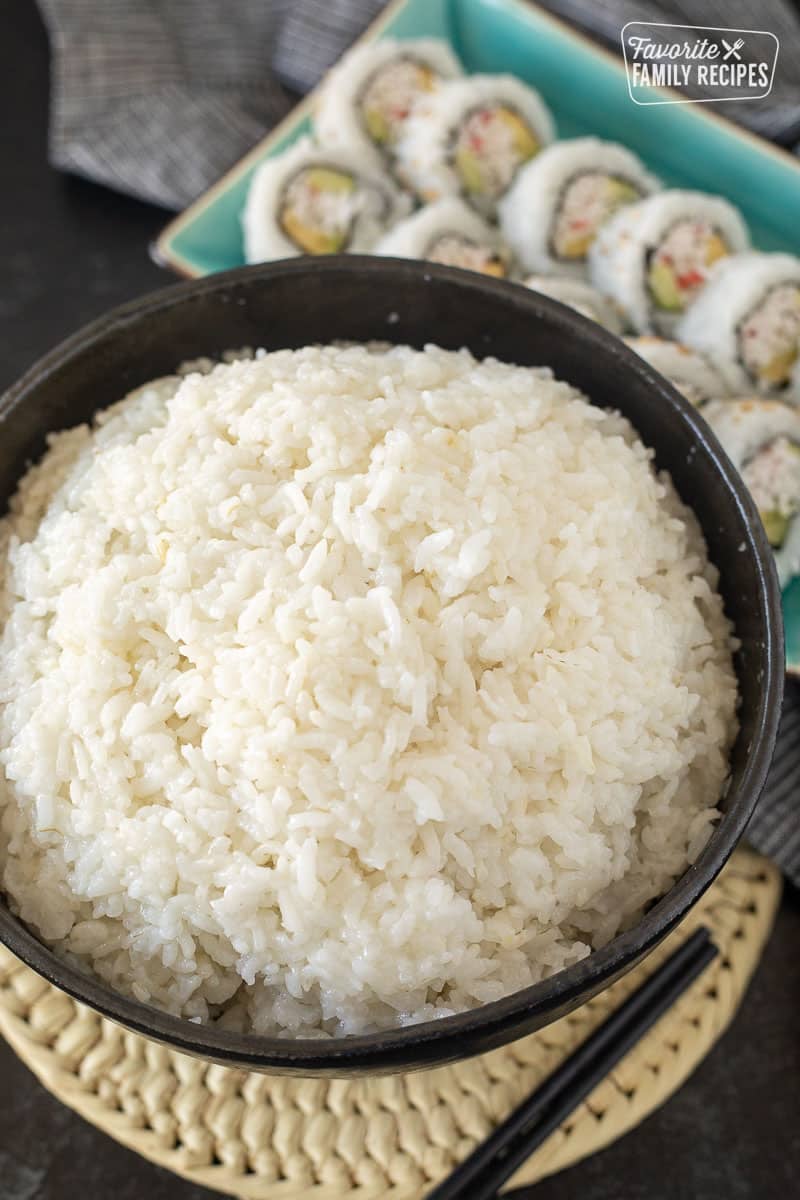
Perfect sushi rice is the base of any great sushi roll. It needs to be sticky but not mushy. The texture and temperature matter a lot. Small details make a big difference. Follow these tips to get perfect sushi rice every time.
Using A Fan To Cool Rice
After cooking, spread the rice in a large bowl or wooden tub. Use a fan to cool it down gently. This helps the rice dry slightly and become shiny. Stir the rice with a wooden spatula while fanning. Avoid using a metal spoon; it can damage the rice grains.
Maintaining Rice Moisture
Keep the rice covered with a damp cloth while cooling. This stops the rice from drying out too fast. The right moisture keeps the rice sticky and soft. Do not let the rice sit uncovered for long. Too much drying makes it hard and crumbly.
Credit: www.favfamilyrecipes.com
Frequently Asked Questions
How Do I Wash Sushi Rice Properly?
Rinse sushi rice under cold water until water runs clear. This removes excess starch, preventing clumping and ensures fluffy texture.
Can I Cook Sushi Rice Without A Rice Cooker?
Yes, use a pot with a tight lid. Boil rice with water, then simmer low for 15 minutes.
What Is The Perfect Water-to-rice Ratio For Sushi?
Use 1. 2 cups of water per 1 cup of sushi rice. This ratio ensures the rice is tender and sticky.
How Do I Season Sushi Rice Without A Rice Cooker?
Mix rice vinegar, sugar, and salt separately. Fold gently into hot cooked rice for even flavor distribution.
Conclusion
Cooking sushi rice without a rice cooker is simple and fun. Use the right amount of water and rinse the rice well. Stir gently and cook on low heat to avoid burning. Let the rice rest before seasoning for best texture.
This method saves money and space in your kitchen. Enjoy making sushi anytime, even without special tools. Practice a few times to get perfect rice every time. Now, you can serve fresh sushi rice with your favorite toppings. Give it a try and taste the difference!