You want a steak that’s juicy, tender, and packed with flavor. Cooking it perfectly on a cast iron grill pan might seem tricky, but it’s easier than you think.
With the right steps, you can achieve that beautiful sear and mouth-watering taste right in your own kitchen. Keep reading, and you’ll learn exactly how to cook steak in a cast iron grill pan that will impress your taste buds every time.
Choosing The Right Steak
Choosing the right steak is the foundation of a great meal when using your cast iron grill pan. The cut and quality of the meat affect how it cooks and tastes. Picking the best steak will make your cooking experience more rewarding and your dinner more delicious.
Best Cuts For Cast Iron
Not all steaks perform the same on a cast iron grill pan. You want cuts that develop a nice crust but stay tender inside.
- Ribeye:Richly marbled and flavorful, it sears beautifully and stays juicy.
- New York Strip:Leaner than ribeye but still tender with a robust flavor.
- Filet Mignon:Very tender, though less fatty; best if you like a buttery texture.
- Sirloin:Affordable and versatile, it grills well but watch the cooking time to avoid toughness.
Choosing steaks with good marbling ensures flavor and moisture retention during high-heat cooking. Have you noticed how a well-marbled steak tastes richer and stays juicy?
Thickness And Quality Tips
Thickness affects cooking time and the ability to get a perfect crust without overcooking inside. Aim for steaks about 1 to 1.5 inches thick to balance sear and doneness.
Thinner steaks cook too fast and can dry out, while thicker ones need more attention to avoid raw centers.
- Look for bright red color:Indicates freshness and good quality.
- Check marbling:Thin white streaks of fat improve flavor and tenderness.
- Ask your butcher:They can recommend cuts suited for grilling and share tips on aging or sourcing.
Have you ever picked a steak just by eye and been surprised by the taste? Taking time to select quality cuts pays off every time you cook.

Credit: www.today.com
Preparing The Steak
Preparing the steak is a key step to get a perfect sear and juicy inside. Proper preparation enhances flavor and texture. It starts with selecting the right seasoning and ensuring the steak is at the right temperature.
Seasoning Essentials
Use simple seasonings to highlight the steak's natural taste. Salt and pepper are the best choices. Sprinkle salt evenly on both sides. Add black pepper to taste. Avoid heavy spices that mask the beef flavor. Pat the seasoning gently into the meat.
Bringing Steak To Room Temperature
Take the steak out of the fridge 30 to 60 minutes before cooking. Let it sit covered on the counter. This step helps the steak cook evenly. Cold meat cooks slower and can become tough. Room temperature steak sears better and stays juicy inside.
Setting Up Your Cast Iron Grill Pan
Setting up your cast iron grill pan correctly is essential for a perfect steak. Preparation ensures even cooking and great flavor. The pan needs to be clean, hot, and lightly oiled. This helps prevent sticking and creates those classic grill marks. Follow these steps to get your pan ready.
Cleaning And Preheating
Start with a clean pan. Remove any leftover food or rust using a stiff brush and hot water. Avoid soap to keep the pan’s seasoning intact. Dry the pan completely with a towel or by heating it on low heat.
Place the pan on the stove over medium-high heat. Let it warm up slowly for about 5 minutes. The pan should be very hot but not smoking. A hot pan sears the steak nicely and locks in juices.
Oiling The Pan Properly
Use an oil with a high smoke point, like canola, vegetable, or grapeseed oil. Avoid butter or olive oil at this stage because they burn easily.
- Pour a small amount of oil into the pan.
- Use a paper towel to spread the oil evenly over the surface.
- Wipe off any excess oil to prevent smoking and burning.
This thin layer of oil creates a non-stick surface and helps form a crisp crust on the steak.
Cooking Techniques For Juicy Steak
Getting a juicy steak with a perfect crust isn’t just about the cut or seasoning—it’s all about how you cook it. Using a cast iron grill pan gives you control and precision, but mastering the technique will really make your steak stand out. Let’s dive into the key approaches that help lock in juices and build that mouthwatering crust you crave.
Searing For Perfect Crust
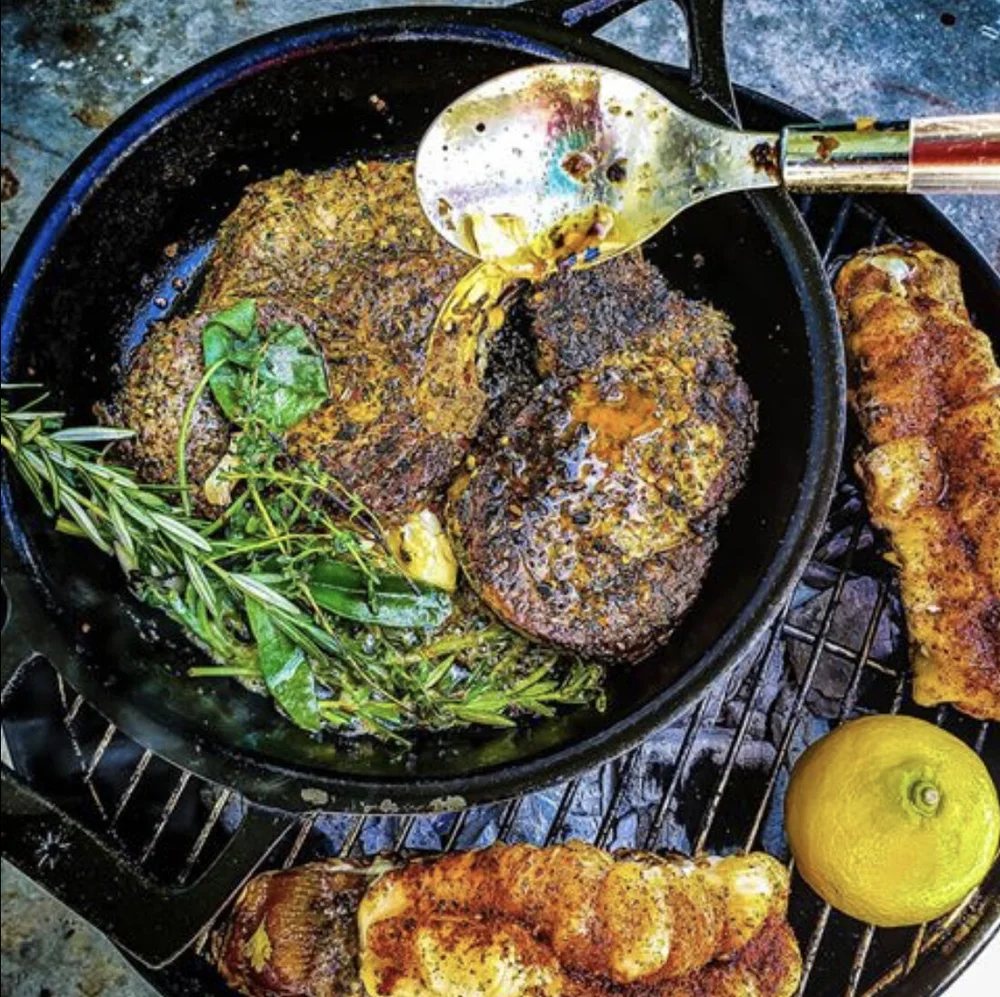
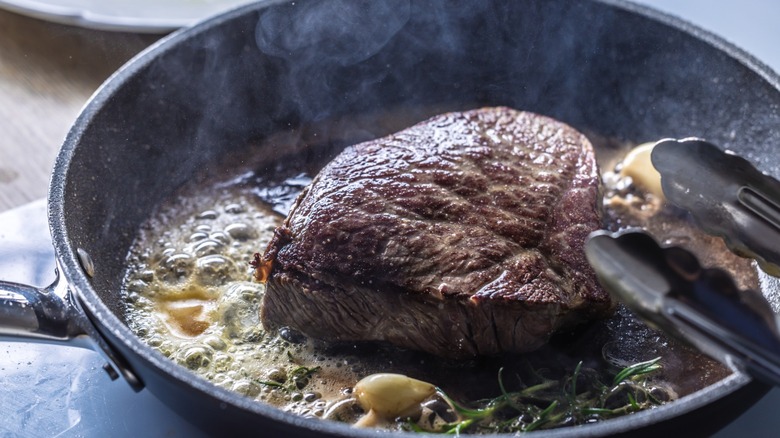
Searing is the magic that creates a flavorful, caramelized crust on your steak. Make sure your cast iron grill pan is smoking hot before you place the steak down—that initial contact is what triggers the Maillard reaction, giving you that rich brown color and deep flavor.
Don’t move the steak around too much. Let it sit for a few minutes to develop a crust before flipping. You’ll know it’s ready when the steak releases easily from the pan without sticking.
Controlling Heat Levels
Heat control is crucial. Too high, and the outside burns before the inside cooks; too low, and you’ll miss out on the sear and risk drying out your steak. Start with high heat to sear, then reduce to medium or medium-low to finish cooking through.
Cast iron retains heat well, so adjusting the burner rather than moving the steak is usually your best bet. Have you noticed how quickly your pan cools down when you add the steak? Keeping an eye on this helps you avoid flare-ups and uneven cooking.
Timing And Flipping Tips
Timing depends on steak thickness and desired doneness, but a good rule is to cook without flipping for at least 3-4 minutes on one side. Flipping too often can prevent that crust from forming and cause uneven cooking.
Use a timer or count quietly in your head to resist the urge to check too soon. Flip once and cook the other side, then check internal temperature with a meat thermometer. Remember, resting the steak after cooking allows the juices to redistribute, making every bite juicy and tender.
Checking Doneness
Checking the doneness of your steak is key to a perfect meal. It ensures the meat is cooked just right—tender, juicy, and safe to eat. Different levels of doneness suit different tastes. Knowing how to test the steak helps avoid guesswork and overcooking. Two common ways to check doneness are using a meat thermometer and the touch test method.
Using A Meat Thermometer
A meat thermometer gives an accurate reading of the steak’s internal temperature. Insert it into the thickest part of the steak, avoiding bone or fat. The temperature tells you if the steak is rare, medium, or well done.
| Doneness | Internal Temperature (°F) | Description |
|---|---|---|
| Rare | 120-130 | Cool, red center |
| Medium Rare | 130-135 | Warm, red center |
| Medium | 135-145 | Pink and firm |
| Medium Well | 145-155 | Slightly pink center |
| Well Done | 155+ | Little or no pink |
Always clean the thermometer before and after use. This method is the most reliable way to check steak doneness.
Touch Test Method
The touch test uses the feel of the steak to estimate doneness. It compares the steak’s firmness to different parts of your hand.
- Touch your thumb to your index finger. Press the fleshy area under the thumb. This feels like a rare steak.
- Touch your thumb to your middle finger. The same spot feels firmer, like medium-rare.
- Touch your thumb to your ring finger. It feels firmer still, like medium doneness.
- Touch your thumb to your pinky finger. The area feels very firm, like well-done steak.
This method takes practice but works well without tools. Always compare the steak's feel to your hand before cutting.
Credit: www.eatingwithcheferic.com
Resting And Serving Steak
After searing your steak to perfection in a cast iron grill pan, the next steps—resting and serving—are just as crucial. These stages ensure you get the juiciest, most flavorful bite every time. Skipping resting or serving it wrong can waste all your hard work at the stove.
Why Resting Matters
Resting lets the steak's juices redistribute evenly inside the meat. If you cut into your steak right away, all those flavorful juices will spill out onto the plate.
Try resting your steak on a warm plate or cutting board for about 5 to 10 minutes. Tent it loosely with foil to keep it warm but avoid steaming it.
Have you ever noticed how a rested steak feels tender and juicy? That’s because the muscle fibers relax and reabsorb the juices. It’s a simple step that transforms your meal.
Serving Suggestions
How you serve your steak can elevate your dining experience. Think beyond just putting the steak on a plate.
- Slice against the grain:This makes the steak easier to chew and intensifies the tenderness.
- Add a finishing touch:A small pat of herb butter, a sprinkle of flaky sea salt, or a drizzle of balsamic glaze can add layers of flavor.
- Pair smartly:Roasted vegetables, a fresh salad, or garlic mashed potatoes complement the rich taste of the steak perfectly.
Serving your steak thoughtfully shows you care about every bite your guests take. What’s your favorite way to serve steak after resting it?
Troubleshooting Common Issues
Troubleshooting common issues when cooking steak in a cast iron grill pan involves managing heat and timing. Ensure the pan is hot enough before adding the steak to avoid sticking. If the steak cooks unevenly, adjust the heat and turn the steak more frequently for even cooking.
Cooking steak in a cast iron grill pan can be challenging. Many home cooks face common issues during the process. Whether it's overcooking, sticking, or handling smoke, these challenges can affect the final dish. Understanding how to troubleshoot these issues ensures a delicious steak every time.
Avoiding Overcooking
Overcooked steak loses its juicy texture. To avoid this, use a meat thermometer. Check the steak’s internal temperature for accuracy. Remove the steak from the pan when it’s 5 degrees below your desired temperature. The steak will continue to cook after removal.
Preventing Sticking
A sticking steak can ruin its presentation. Preheat the grill pan before adding the steak. Ensure the pan is hot enough by sprinkling a few water drops. They should sizzle and evaporate. Also, lightly oil the steak, not the pan. This minimizes sticking and enhances sear marks.
Handling Smoke And Splatter
Smoke and splatter can be bothersome. To manage smoke, use oils with high smoke points like canola or grapeseed. Reduce splatter by patting the steak dry before cooking. Use a splatter guard to contain any mess. Ensure proper ventilation by using an exhaust fan or opening windows.
Credit: www.thetakeout.com
Frequently Asked Questions
How Do I Preheat A Cast Iron Grill Pan?
Preheat the pan on medium-high heat for 5 to 7 minutes. This ensures even cooking and perfect grill marks on your steak.
What Steak Cuts Work Best In A Grill Pan?
Ribeye, sirloin, and filet mignon are ideal. These cuts cook evenly and develop great flavor with cast iron grilling.
How Long Should I Cook Steak In A Grill Pan?
Cook steak 3-5 minutes per side for medium-rare. Adjust time based on steak thickness and desired doneness.
Should I Season Steak Before Grilling In Cast Iron?
Yes, season steak with salt and pepper just before cooking. This enhances flavor without drawing out moisture early.
Conclusion
Cooking steak in a cast iron grill pan is simple and rewarding. You get a nice sear and juicy inside every time. Remember to preheat the pan and season the steak well. Use medium-high heat and avoid flipping too often.
Let the steak rest before cutting to keep it tender. Practice makes perfect. Enjoy your delicious steak cooked right at home!