If you love tender, juicy spare ribs with that perfect smoky flavor, cooking them on a gas grill is a game-changer. But getting the ribs just right can be tricky.
You want ribs that are cooked evenly, full of flavor, and fall-off-the-bone tender. This guide will show you exactly how to cook spare ribs on your gas grill step-by-step. By the end, you’ll know how to create mouthwatering ribs that will impress your family and friends every time.
Ready to master the art of grilling spare ribs? Let’s get started!
Choosing The Right Spare Ribs
Choosing the right spare ribs sets the foundation for a great grilling experience. The type and quality of ribs you pick will shape the flavor, texture, and overall success of your cookout. Taking a little extra time to select the best ribs ensures you get tender, juicy results every time.
Types Of Spare Ribs
Spare ribs come in several varieties, and knowing the difference helps you decide what suits your taste and cooking style.
- St. Louis Style Ribs:These are spare ribs trimmed into a neat rectangular shape. They have less cartilage and fat, making them easier to cook evenly on a gas grill.
- Baby Back Ribs:Smaller and leaner, these ribs come from the upper part of the rib cage. They cook faster but can dry out if not watched closely.
- Country-Style Ribs:These aren't actually ribs but cut from the shoulder. They have more meat and are great if you want a meaty, juicy bite.
Which type fits your cooking plan? If you want ribs that handle a longer, slower grill, St. Louis style might be your best bet.
Selecting Quality Meat
Quality meat makes all the difference. Look for ribs with a good amount of meat between the bones and a bright, fresh color.
- Check for firm texture and avoid any ribs that feel slimy or smell off.
- A bit of marbling (fat running through the meat) helps keep ribs juicy during grilling.
- Ask your butcher about the source; ribs from well-raised pigs tend to have better flavor and tenderness.
I once grabbed ribs that looked good but were thin and dry. The grill couldn't fix that. Since then, I always pick ribs that feel substantial and fresh, which saves frustration later.
What qualities do you look for when buying ribs? Paying attention to these details helps you grill ribs that impress every time.

Credit: www.yahoo.com
Preparing The Ribs
Preparing spare ribs properly sets the stage for juicy, flavorful results. The process involves cleaning, trimming, and seasoning the ribs to enhance taste and texture. Each step helps the ribs cook evenly and absorb spices well.
Removing The Membrane
The membrane is a thin, silver skin on the back of ribs. Removing it helps the ribs cook tender and lets flavors soak in better. Use a knife to lift one edge, then grab with a paper towel and pull it off gently.
Trimming Excess Fat
Trim large fat pieces from the ribs for even cooking. Leave some fat to keep the meat moist. Use a sharp knife and cut away fat that looks thick or tough. This step prevents flare-ups on the grill.
Applying A Dry Rub
A dry rub adds flavor and forms a tasty crust. Mix spices like paprika, brown sugar, salt, and pepper. Rub the mixture evenly over both sides of the ribs. Let the ribs rest with the rub for at least 30 minutes before grilling.
Setting Up The Gas Grill
Setting up your gas grill correctly is key to cooking tender, juicy spare ribs. The goal is to cook ribs slowly with consistent heat. Proper setup helps avoid burning or undercooking. Take time to prepare your grill for the best results.
Preheating And Temperature Control
Start by preheating your gas grill for 10-15 minutes. Set the burners to medium heat to reach about 225°F to 250°F. Use a grill thermometer to check the temperature. Keep the lid closed during cooking to hold heat. Adjust the burners as needed to maintain steady heat.
Creating Indirect Heat Zones
Indirect heat is crucial for slow-cooking spare ribs. Turn on only one side of the burners, leaving the other side off. Place the ribs on the cooler side of the grill. This setup cooks ribs evenly without direct flames. Add a drip pan under the ribs to catch fat and prevent flare-ups.
Credit: www.cbc.ca
Cooking Spare Ribs On The Grill
Cooking spare ribs on a gas grill is a rewarding experience that combines precise temperature control with smoky flavors. It’s not just about throwing ribs on the grill; it’s about managing heat and technique to achieve tender, juicy results. Let’s break down how to handle your ribs on the grill for the best outcome.
Placing The Ribs
Start by positioning the ribs bone-side down, away from direct flames. This indirect grilling method prevents flare-ups that can burn the meat’s surface. I usually place the ribs on the cooler side of the grill, allowing them to cook slowly without drying out.
Make sure there’s enough space between the ribs and the grill grates for air to circulate. This helps maintain an even cooking temperature and lets smoke infuse the meat evenly.
Maintaining Consistent Heat
Gas grills can be tricky with fluctuating temperatures, so keeping your grill at a steady 225-250°F is key. Use the grill’s built-in thermometer or invest in a reliable grill thermometer for accuracy. Adjust the burners as needed to avoid hot spots or cold zones.
Have you noticed how small temperature swings can ruin ribs? I’ve learned that checking the grill every 20 minutes and tweaking the heat keeps the ribs cooking perfectly without rushing the process.
Using Foil Wraps For Tenderness
Wrapping your ribs in foil partway through cooking locks in moisture and tenderizes the meat. After 2-3 hours on the grill, wrap the ribs tightly in foil with a splash of apple juice or your favorite marinade. This steams the ribs, making them fall-off-the-bone tender.
Don’t leave them wrapped too long, though. About 45 minutes in foil strikes the perfect balance between tenderness and maintaining a nice bark on the outside. Have you tried the foil wrap trick? It’s a game-changer in achieving juicy ribs every time.
Adding Flavor With Sauces
Adding flavor to spare ribs with sauces can elevate your grilling experience. The right sauce can turn good ribs into great ones. It's all about selecting and applying the right one.
Choosing The Right Bbq Sauce
The choice of BBQ sauce greatly impacts the taste. Sweet, tangy, spicy, or smoky sauces are popular options. Think about your taste preferences. Do you enjoy a hint of sweetness? Or maybe a spicy kick? Consider the flavors that complement your ribs. A classic tomato-based sauce is versatile. It pairs well with most rib recipes. For a different taste, try a mustard-based or vinegar-based sauce. These offer unique flavors that stand out.
When And How To Apply Sauce
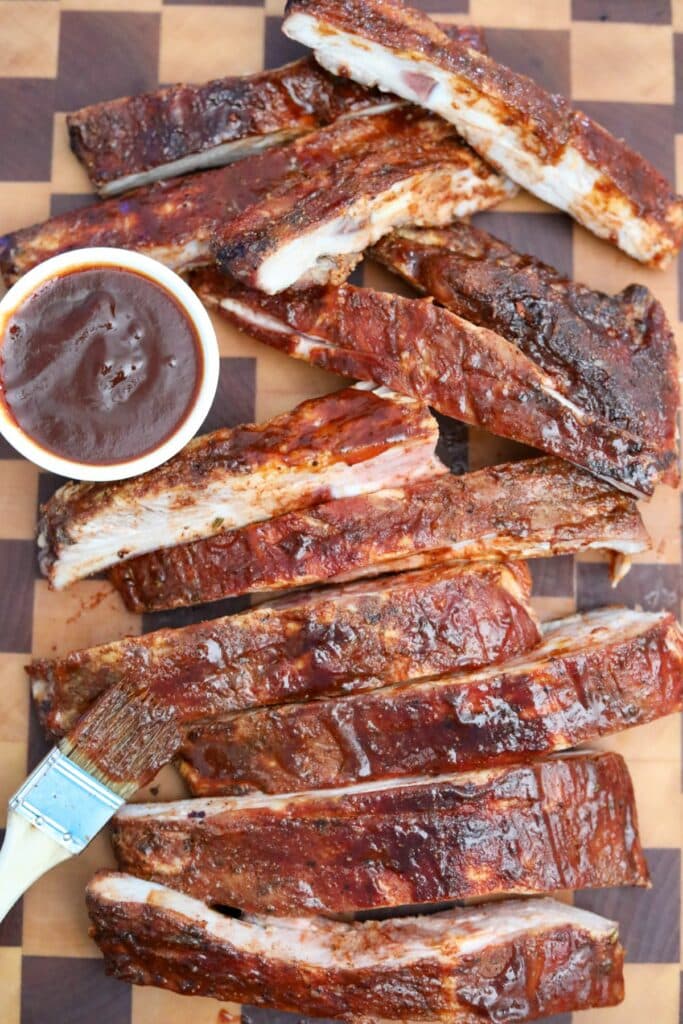
Timing is crucial when applying sauce. Wait until the ribs are almost done. This prevents burning the sugars in the sauce. Brush the sauce on during the last 10-15 minutes of grilling. Use a clean brush to avoid cross-contamination. Apply the sauce evenly on both sides of the ribs. Let the sauce set by closing the grill lid. This helps the sauce caramelize and stick to the ribs.
Apply multiple layers for more flavor. Let each layer cook for a few minutes before adding the next. This builds a thick, flavorful coating on your ribs. Enjoy your perfectly sauced spare ribs!
Checking For Doneness
Checking for doneness is key to cooking perfect spare ribs on a gas grill. It ensures the ribs are juicy, tender, and safe to eat. Overcooked ribs dry out, while undercooked ones stay tough. Use both visual clues and temperature checks for best results.
Visual And Texture Indicators
Start by looking at the ribs’ color. They should have a deep, rich brown with some char marks. The meat will shrink slightly and pull back from the bones. This creates a small gap between the meat and bone tips.
Next, test the texture. Gently press the ribs with tongs or a fork. The meat should feel tender but firm, not mushy. A slight bend without breaking means the ribs are cooked well. Avoid ribs that are too stiff or too soft.
Using A Meat Thermometer
A meat thermometer gives the most accurate doneness check. Insert it into the thickest part of the ribs, avoiding bone contact. The ideal internal temperature for spare ribs is between 190°F and 203°F (88°C to 95°C).
At this range, collagen breaks down, making the meat tender. Temperatures below this may leave the ribs tough. Higher temperatures can dry them out. Keep checking the temperature as you grill to get perfect ribs every time.
Resting And Serving
Resting and serving spare ribs properly enhances their flavor and texture. After grilling, ribs need time to settle. This step helps juices redistribute inside the meat. It keeps the ribs moist and tender. Serving them right makes the meal more enjoyable and visually appealing.
Allowing Ribs To Rest
Remove the ribs from the grill carefully. Place them on a clean tray or cutting board. Cover the ribs loosely with aluminum foil. Let them rest for 10 to 15 minutes. This short wait locks in the juices. It also cools the ribs slightly for easier handling.
Cutting And Plating Tips
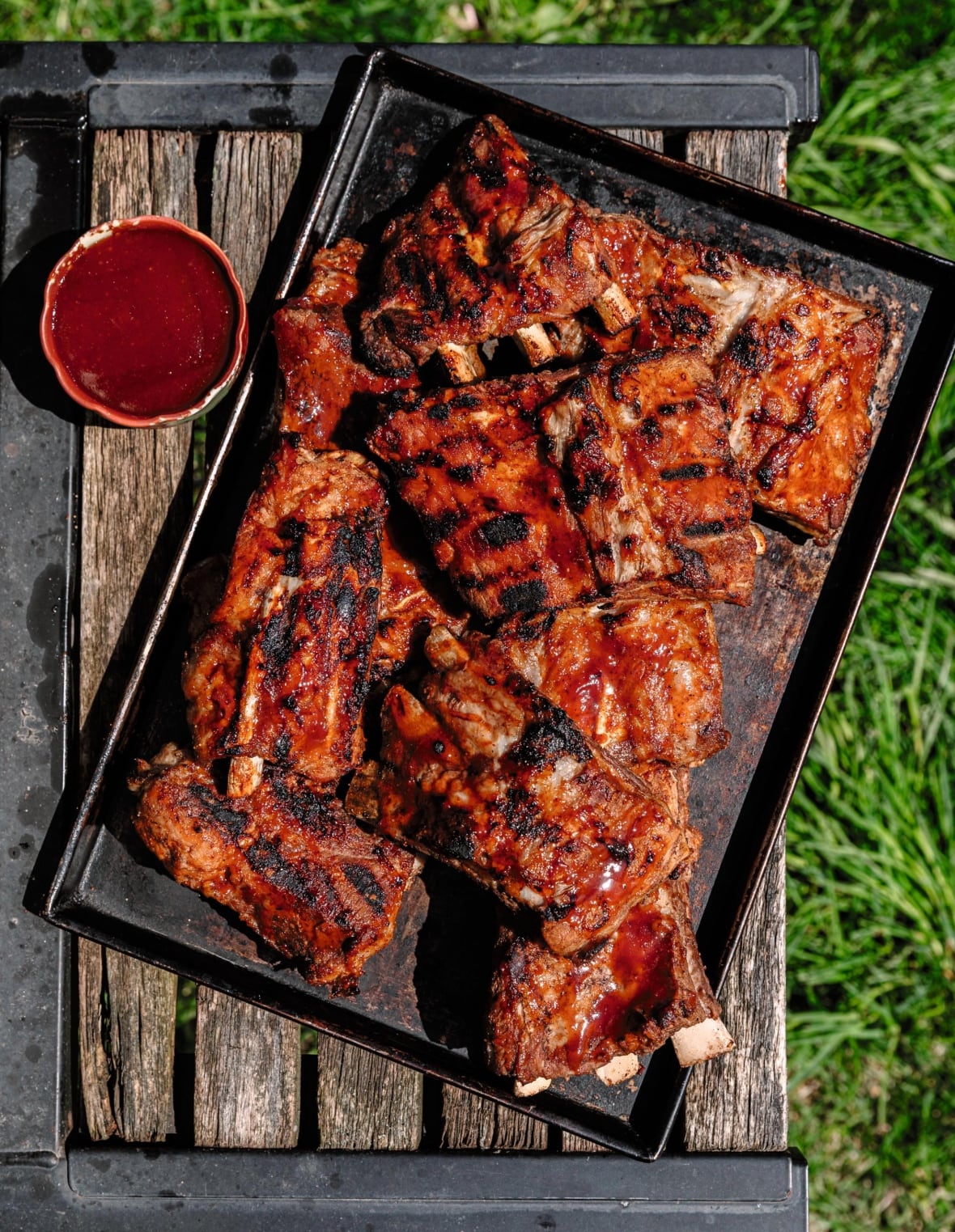
Use a sharp knife or meat cleaver for cutting. Slice between the bones to separate individual ribs. Cut with steady, even pressure to avoid tearing the meat. Arrange ribs on a serving platter in neat rows. Garnish with fresh herbs or a sprinkle of barbecue sauce for color. Serve with classic sides like coleslaw or corn on the cob.
Troubleshooting Common Issues
Common problems with grilling spare ribs include uneven cooking and flare-ups. Adjust grill heat and use indirect cooking to avoid burning. Keeping the grill lid closed helps maintain steady temperature for tender ribs.
Cooking spare ribs on a gas grill can be tricky. Many face common issues while grilling. Addressing these challenges ensures delicious, tender ribs. Here’s how to troubleshoot frequent problems.
Dry Or Tough Ribs
Ribs often turn dry due to high heat. Use indirect grilling to fix this. Cook ribs slowly at a low temperature. Wrap them in foil to retain moisture. Baste frequently with a flavorful sauce. This method keeps ribs juicy and tender.
Uneven Cooking
Uneven cooking results from inconsistent heat distribution. Check grill burners for even flames. Rotate ribs periodically during grilling. Use a meat thermometer to ensure even doneness. Place ribs away from direct flames. This helps achieve consistent cooking.
Flare-ups And Grill Safety
Flare-ups occur when fat drips onto flames. Trim excess fat from ribs before grilling. Keep a spray bottle of water handy to control flames. Clean the grill regularly to prevent grease buildup. Avoid opening the grill lid too often. This helps maintain safe grilling conditions.
Credit: manmeetsoven.com
Frequently Asked Questions
How Long To Grill Spare Ribs On A Gas Grill?
Grill spare ribs for 1. 5 to 2 hours on low heat. Maintain 225°F to 250°F for tender, juicy ribs. Use indirect heat and turn ribs occasionally for even cooking.
Should I Marinate Spare Ribs Before Grilling?
Marinating spare ribs enhances flavor and tenderness. Use a marinade with acid, oil, and spices. Marinate ribs for at least 2 hours or overnight for best results.
How To Prevent Spare Ribs From Drying Out?
Cook ribs slowly on low heat to retain moisture. Wrap ribs in foil halfway through grilling. Baste ribs regularly with sauce or marinade to keep them moist.
What’s The Best Gas Grill Temperature For Spare Ribs?
Set your gas grill between 225°F and 250°F. This low temperature cooks ribs evenly and prevents burning. Use a thermometer to monitor grill temperature accurately.
Conclusion
Grilling spare ribs on a gas grill is simple and fun. Start with good ribs and a tasty marinade. Keep the heat low and cook slowly for tender meat. Check ribs often to avoid burning. Let ribs rest before serving to keep juices inside.
Enjoy the smoky flavor with your favorite sides. Practice makes perfect, so try again to improve. Great ribs bring friends and family together. Give it a try and enjoy your delicious meal.