Want to bake delicious sourdough bread at home but don’t have a Dutch oven? You’re not alone.
Many people think that a Dutch oven is a must-have for that perfect crust and soft inside. But what if I told you that you can achieve amazing results without it? In this post, you’ll discover simple, effective ways to bake your sourdough bread using tools you already have.
By the end, you’ll feel confident to create mouthwatering bread that will impress everyone—no special equipment needed. Keep reading, because your homemade sourdough success starts here.

Credit: www.youtube.com
Choosing The Right Equipment
Choosing the right equipment is key to baking sourdough without a Dutch oven. The right tools ensure even heat and proper steam for a crispy crust. This section covers baking vessels and tools for steam creation. You can still achieve great results with simple kitchen items.
Alternative Baking Vessels
A Dutch oven traps heat and moisture, but other vessels work well too. Look for options that hold heat and fit inside your oven.
- Casserole dish with a lid:Heavy ceramic or glass dishes keep heat steady. Cover to trap steam.
- Baking sheet and large metal bowl:Use the sheet for the dough and invert the bowl over it to mimic a lid.
- Loaf pan:Good for shaped sourdough loaves. Cover with foil to keep moisture.
- Cast iron skillet with a metal lid:Holds heat well and creates a mini oven effect.
Choose vessels that fit your oven size and can hold heat evenly. Avoid thin pans that may cause uneven baking.
Tools For Steam Creation
Steam is vital for sourdough’s crust and rise. Without a Dutch oven, add steam manually during baking.
- Metal pan with water:Place a shallow pan filled with hot water on the oven bottom. It creates steam as water evaporates.
- Spray bottle:Spray water inside the oven at the start of baking. Repeat a few times in the first 10 minutes.
- Ice cubes on hot pan:Drop ice cubes into a preheated pan. Steam forms quickly from melting ice.
- Cover with foil:Tent the dough lightly with foil during the first 15 minutes to trap moisture.
Use steam tools carefully to avoid burns and maintain oven temperature. Proper steam helps develop the perfect crust.
Credit: robynonthefarm.com
Preparing The Dough
Preparing the dough is the foundation of making great sourdough bread without a Dutch oven. It’s where you set the stage for flavor, texture, and the rise of your loaf. Paying attention to each step will help you achieve a crusty exterior and a soft, airy crumb even without specialized equipment.
Mixing Ingredients
Start with good quality flour and active sourdough starter. Use cold or room temperature water depending on your environment—colder water slows fermentation, while warmer water speeds it up.
Combine flour, water, starter, and salt in a large bowl. Mix until no dry flour remains, but don’t overwork it. The dough should feel sticky and slightly shaggy.
Have you noticed how different flours absorb water differently? Adjust water quantity slightly if your dough feels too stiff or too loose.
Fermentation Tips
Fermentation is where your dough develops flavor and strength. Let it rest for several hours at room temperature, typically between 4 to 6 hours, depending on your starter’s activity and room temperature.
Try folding the dough every 30 minutes during the first 2 hours. This simple action strengthens the gluten and helps trap air, improving the bread’s structure.
Wondering how to tell if your dough is ready? It should roughly double in size and hold an indentation when gently pressed.
Shaping Techniques
Once fermented, gently tip the dough onto a floured surface. Use a bench scraper or your hands to shape it into a tight round or oval loaf.
Tension on the dough surface is key for a good rise and crust. Practice pulling the dough’s edges under itself to create surface tension without deflating the air bubbles inside.
Have you tried using a proofing basket or a clean bowl lined with a floured towel? It helps maintain the dough’s shape during the final rise and adds to the aesthetic appeal.
Creating A Crispy Crust
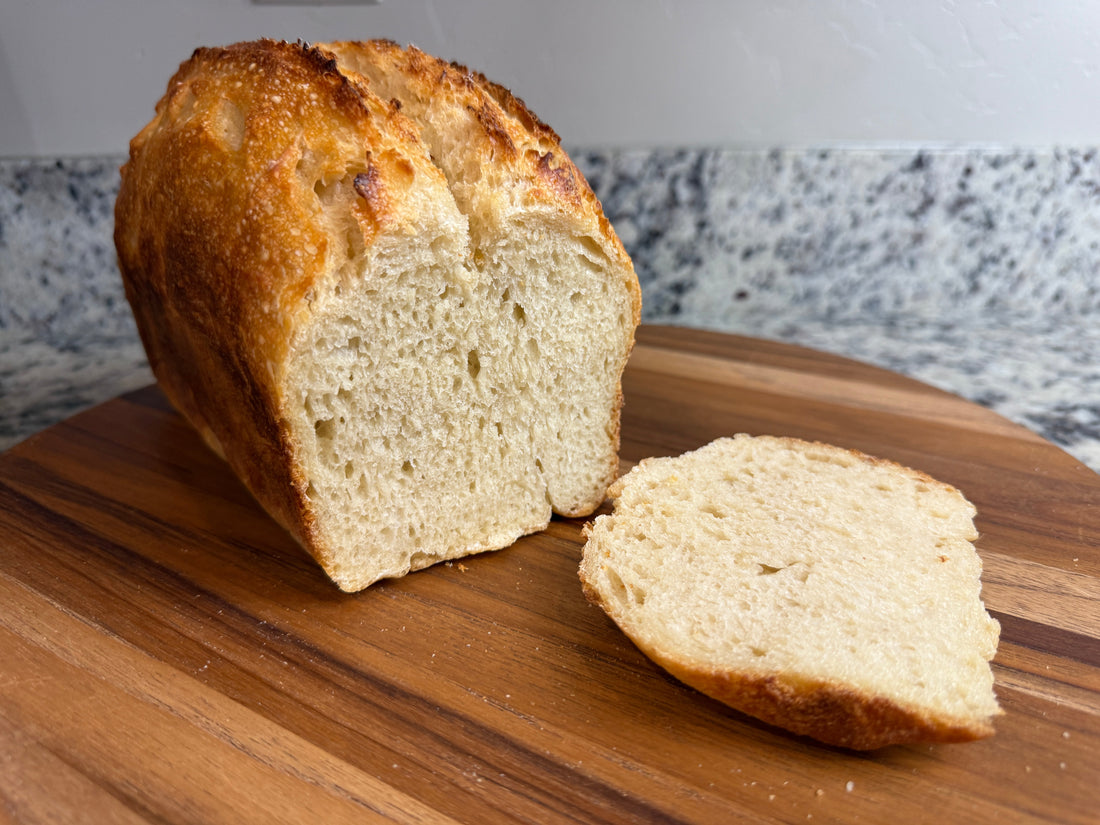
A crispy crust is the hallmark of perfect sourdough bread. It adds texture and enhances flavor. Achieving this without a Dutch oven takes some creativity but is entirely possible. The key lies in creating steam and maintaining high heat during baking. This helps the crust develop that beautiful crunch and color.
Steam Methods Without A Dutch Oven
Steam keeps the dough surface moist, allowing it to expand before forming a crust. This results in a shiny and crispy exterior. You can create steam in a regular oven by:
- Placing a metal pan or tray at the bottom of the oven and pouring hot water into it right before baking.
- Spraying water inside the oven with a spray bottle just after placing the dough inside.
- Using a covered roasting pan or baking dish to trap steam around the bread.
Make sure to remove or reduce steam in the last 10 minutes to help the crust harden.
Using Baking Stones And Trays
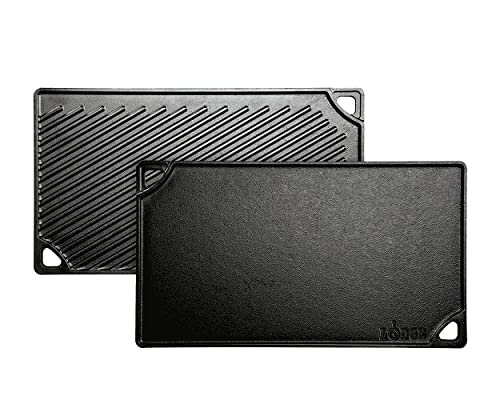
Baking stones and trays help maintain consistent heat, which improves crust formation. Preheat a baking stone or heavy tray in the oven to absorb and radiate heat evenly. Place the dough directly on the hot surface for better oven spring and crust.
- Use a pizza stone or thick baking tray and preheat for at least 30 minutes.
- Transfer the dough onto the hot stone using parchment paper or a peel.
- Combine this with steam methods for best results.
This technique mimics the heat retention of a Dutch oven and promotes a crunchy crust.

Credit: idiesfarm.com
Baking Process
Sourdough bread is delicious and easy to bake at home. You don't need a Dutch oven to get great results. The baking process is simple with a few steps. Let's dive into the details.
Optimal Oven Temperatures
Set your oven to 450°F (232°C). Preheat it for about 20 minutes. This ensures an even baking environment. A hot oven helps the bread rise well. Use a baking stone or a thick baking sheet. Both options help distribute heat evenly.
Timing And Monitoring
Place your bread on the baking stone or sheet. Bake it for 20 minutes first. Check the bread's color and texture. If the crust is not golden, bake for another 10 minutes. Rotate the bread halfway through baking. This ensures even cooking on all sides.
Cooling And Storing
Once baked, remove the bread from the oven. Place it on a cooling rack immediately. Let it cool for at least one hour. Cooling helps set the crumb and crust. Store the bread in a paper bag for longer freshness. Avoid plastic bags as they make the crust soggy.
Troubleshooting Common Issues
Cooking sourdough bread without a Dutch oven can lead to some common challenges. These issues often affect the texture, shape, and baking time of your loaf. Understanding how to troubleshoot them will help you get closer to that perfect crust and crumb.
Avoiding A Dense Crumb
A dense crumb usually means your dough didn’t rise enough or was overworked. Are you giving your dough enough time to ferment? Try extending the bulk fermentation by 30 minutes or more and see if the texture improves.
Also, handle your dough gently during shaping. If you press too hard, you can push out the air bubbles that create a light crumb. Think about how you fold and shape your dough—less can sometimes be more.
Preventing Overbaking
Without a Dutch oven, your bread’s crust may bake faster than the inside, leading you to overbake the loaf to compensate. Have you checked the internal temperature? Aim for about 200°F (93°C) to ensure it’s fully cooked without drying out.
Consider lowering your oven temperature by 10-20°F and bake a little longer. This slower bake helps the heat penetrate evenly. Using a baking stone or tray with a water pan can also keep moisture in your oven, preventing the crust from hardening too soon.
Fixing Flat Loaves
Flat loaves can be frustrating, but they usually point to under-proofing or weak gluten development. Did your dough rise noticeably during the final proof? If not, try proofing it a bit longer or in a warmer spot.
Gluten gives bread its structure. If your dough feels slack or tears easily, it might need more kneading or a longer stretch-and-fold routine. Next time, test the dough’s strength by gently stretching a small piece—it should be thin but not tear immediately.
Frequently Asked Questions
Can I Bake Sourdough Without A Dutch Oven?
Yes, you can bake sourdough without a Dutch oven. Use a heavy baking sheet and add steam by placing a pan of water in the oven. This creates a similar environment for crust development and moisture retention.
What Alternative Tools Replace A Dutch Oven?
A cast iron skillet with a lid, a covered roasting pan, or a baking cloche can replace a Dutch oven. These tools trap steam, helping sourdough develop a crispy crust and maintain moisture during baking.
How Do I Create Steam Without A Dutch Oven?
Place a shallow pan filled with hot water on the oven floor while baking. The water evaporates, creating steam. Alternatively, spray water inside the oven after placing dough to mimic steam conditions.
Will Sourdough Crust Differ Without A Dutch Oven?
Yes, the crust may be less crispy and thinner without a Dutch oven. Creating steam and using heavy cookware can improve crust quality but might not exactly match a Dutch oven’s results.
Conclusion
You can bake delicious sourdough bread without a Dutch oven. Using common kitchen tools works just fine. Creating steam in your oven helps form a nice crust. Patience matters—let your dough rise well before baking. Experiment with different methods to find what suits you best.
Baking sourdough at home brings joy and tasty results. Keep practicing, and your bread will improve each time. Enjoy the process and share your homemade bread with others.